REVIEW · KATHMANDU
12 Day Everest Base Camp Guided Trek
Book on Viator →Operated by Outfitter Himalaya Holidays P. Ltd · Bookable on Viator
Everest Base Camp is a trek with real stakes, not just views. This guided 12-day route in the Everest region turns big altitude days into something you can manage, with acclimatization built in and a clear plan for Lukla flights and lodge nights. I like that the pacing is structured around how your body adjusts. I also like that most meals and permits are handled, so you’re spending energy on walking, not logistics. One thing to consider: you still need a strong fitness level, and the higher days (especially after Dingboche) can feel tough even if everything is going smoothly.
The best part is what you pass along the way: Dudh Koshi river crossings, rhododendron forests, Tengboche monastery, and the long, gradual pull toward Gorakshep and Everest Base Camp. I’d also put a big vote in for the guided group size (max 14), because you get company without the chaos. My only caution is weather: the experience depends on conditions, and flights can be sensitive.
In This Review
- Key Points That Make This Everest Base Camp Trek Work
- Kathmandu to Lukla: The 35-Minute Flight That Sets the Tone
- Phakding and the Dudh Koshi River: Easy Footsteps, Lots of Crossings
- Namche Bazar at 3,440m: Acclimatization With Real Comfort
- Tengboche to Dingboche: Rhododendron Forests and the Monastery Moment
- Dingboche Acclimatization Day: Ama Dablam Views and Short Side Trips
- Lobuche and Gorakshep: The Long Route Toward Base Camp
- Everest Base Camp and Kala Patthar Sunrise: The Classic Everest Moment
- The Descent: Namche, Tengboche, and Back to Lukla
- Price and Value of This Guided Plan for $1,300
- Guides, Lodges, and Small Comforts That Matter at Altitude
- What to Pack (and What the Trip Supplies)
- Who This Everest Base Camp Trek Fits Best
- Should You Book This 12-Day EBC Trek With Outfitter Himalaya?
- FAQ
- How long is the Everest Base Camp guided trek?
- Where does the tour start and what time?
- What permits are included?
- Are flights between Kathmandu and Lukla included?
- Are meals included during the trek?
- Does the trek include lodging?
- Is cold-weather gear included?
- What is the cancellation refund policy?
Key Points That Make This Everest Base Camp Trek Work
- Lukla flight included: you start trekking fast, with a short 35-minute scenic hop from Kathmandu.
- Acclimatization days in Namche and Dingboche: built-in rest to help you climb smarter, not just harder.
- Kala Patthar sunrise opportunity: the classic high point for Everest views early in the morning.
- Lodges all the way (11 nights): you won’t be carrying a tent, and you’ll sleep in teahouses along the route.
- Permits and TIMS handled: paper work is included, which saves you time before you even start walking.
- Support from the guiding team: real coordination matters at altitude; guides named in past departures include Rajan and Suraj, with other team support called out like Bir and Dhana.
Kathmandu to Lukla: The 35-Minute Flight That Sets the Tone
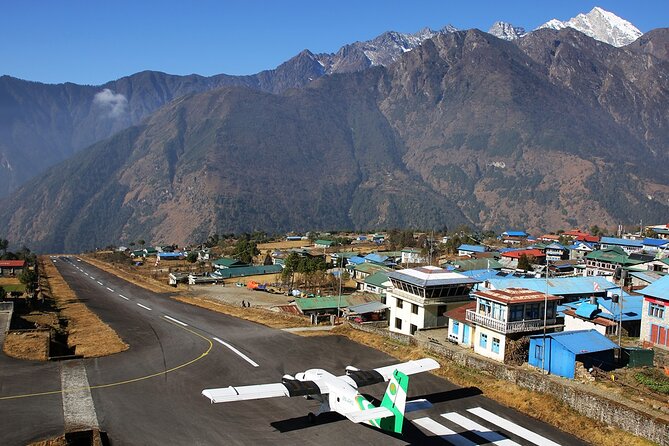
Your trip starts in Kathmandu with pickup at Thamel Marg (the meeting point) and a very early 6:15 am start. From there, you fly to Lukla, a small mountain airstrip that acts like the gateway to the Everest region. That 35-minute flight is short, but it changes your headspace fast: you’re no longer planning, you’re already in the climb.
Once you land in Lukla, your guide introduces you to porters and sets up the rhythm. Then you start with an easy trekking day along the mountainside on the left bank of the Dudh Koshi River, aiming for Phakding. This matters because the first day is where you learn your walking pace—how fast you breathe, how quickly your legs warm up, and how to keep moving without rushing.
Practical note: this start is scenic, but it’s still day one at altitude. Take it calm. The best rhythm on Everest is often the least dramatic one.
You can also read our reviews of more tours and experiences in Kathmandu.
Phakding and the Dudh Koshi River: Easy Footsteps, Lots of Crossings
Day 2 is a “river route” kind of day. After breakfast in your lodge, you follow the Dudh Koshi river, cross it several times, and enter the Jorsale park area for lunch. Then the trail continues through pines and climbs steadily until Namche Bazar starts to appear.
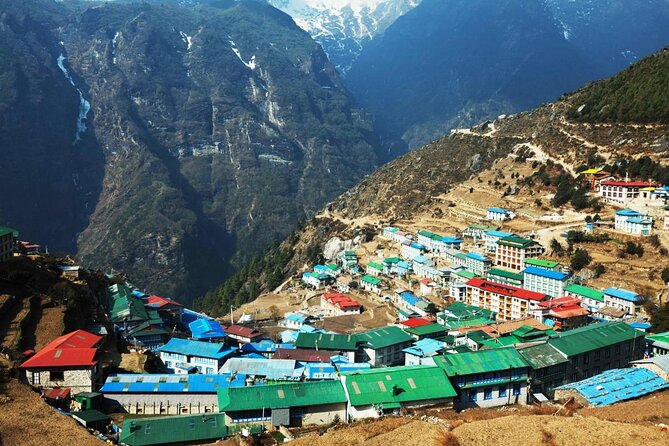
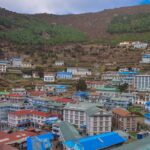
Namche is at 3,440m, and the approach is classic Khumbu: you’re walking in and out of small changes in elevation, and the mountains keep getting bigger as you go. You’ll pass places tied to local life, including the plateau where the Saturday bazaar is held. That’s a nice mental break—this is no longer just trail and wilderness. It’s a hub.
You’ll understand why Namche is the checkpoint town on Everest as soon as you arrive: lodges, tea shops, and souvenir stops line the path, and the views open up toward the Dudh Koshi side.
Namche Bazar at 3,440m: Acclimatization With Real Comfort
Day 3 is your acclimatization day in Namche. This is where the trek stops acting like a straight line and starts acting like a plan. The goal is simple: give your body a chance to adapt before you go higher.
Namche sits between ridges surrounded by big peaks, and it opens out where it faces the Dudh Koshi. That geography is part of the reason the town works as a pause point. You’ll have more time to recover, get your bearings, and enjoy the fact that you’re surrounded by lodge comfort even though you’re still at high altitude.
If you’ve ever felt tempted to “push through because you can,” this day is the antidote. Going slow here can make the next climb feel more controllable.
Tengboche to Dingboche: Rhododendron Forests and the Monastery Moment
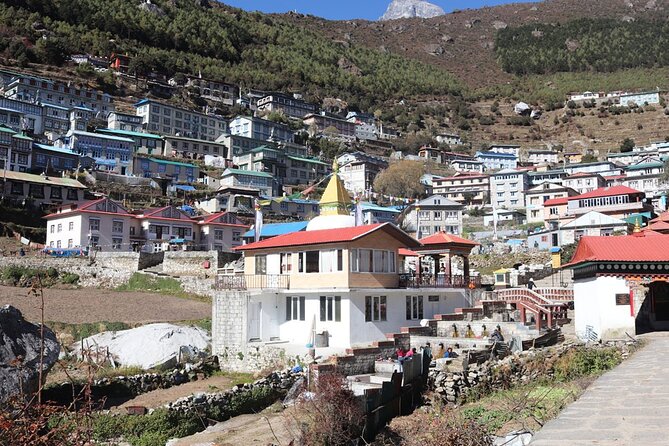
Day 4 and Day 5 shift the experience toward cultural stops and forest walking. Day 4 begins with ridge and flat sections that bring excellent views of Thamserku, Kantega, and Kusum Kangrib, then transitions to descending toward Phunki Tenga. After that, you climb through rhododendron forest to Tengboche monastery.
Tengboche is one of those places that gives the trek a pause with meaning. Even if you’re focused on altitude, you’ll feel the moment: stone, prayer, and quiet in a valley where the air is thin. It’s also a good checkpoint for your mind—today’s walking is about gaining height while keeping your breathing steady.
Day 5 continues the rhododendron down and over to the Imja Khola, including a suspension bridge crossing, plus a walk past a long Mani stone wall before reaching Pangboche. From there, you continue onward to Dingboche.
Dingboche is where the trekking gets more “Himalaya real.” You’re in a high valley setting, and the air feels different even before you start counting meters.
Dingboche Acclimatization Day: Ama Dablam Views and Short Side Trips
Day 6 is another acclimatization day, this time in Dingboche. You’ll explore the valley with time for remarkable views, including the north face of Ama Dablam and the Lhotse-Nuptse ridge.
This is a smart design: you’re not just resting, you’re resting with purpose. The walking is described as short, leaving your afternoon flexible. If you want side trips, this is the day to do them because the area is set up for gradual movement.
The tradeoff is also obvious: you’re higher, and even a short walk can feel demanding. So use the plan exactly as intended. This is where people either learn the altitude game or pay for rushing later.
Lobuche and Gorakshep: The Long Route Toward Base Camp
Day 7 pushes you north on a gentle-feeling segment up to a mani-prayer stupa, then down toward Pheriche before continuing. Along the way, you get views of Mt. Tawache, Ama Dablam, and peaks toward Pokalde and Kongma-tse, plus the strong presence of the Nuptse wall.
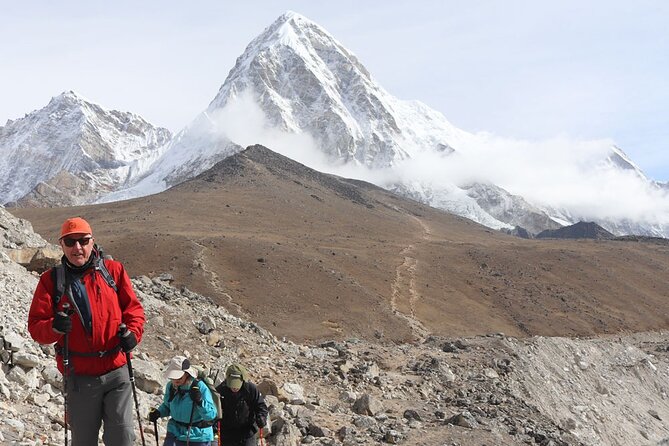
Then the day turns into the kind of “climb with focus” that altitude treks demand. After joining near Dugla, you cross near the Khumbu glacier with a small wooden bridge, followed by an hour up a steep hill to the top. Views open up toward Mt. Pumori and the west side of Everest.
You’ll keep going to Lobuche for the night. It’s not the top yet, but it’s close enough that the atmosphere changes. The air feels sharper and you feel more aware of your pace.
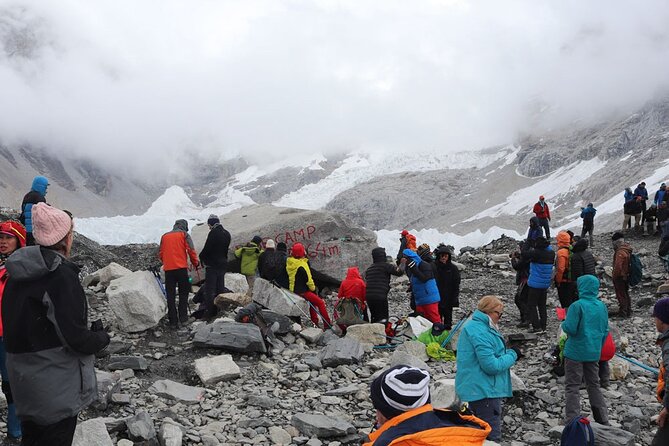
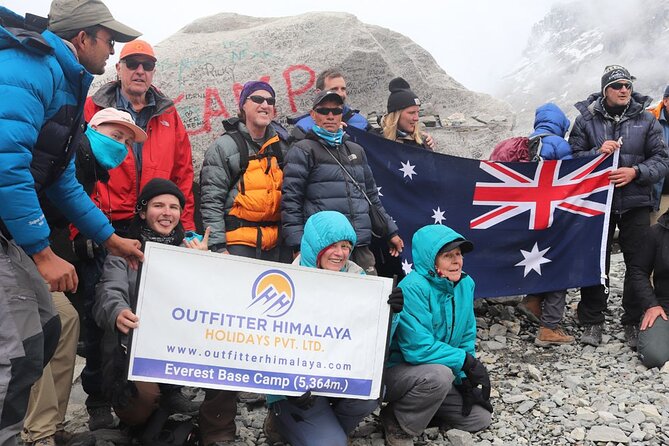
Day 8 is the big push to Everest Base Camp. After breakfast you trek to Base Camp via the rocky moraine path, with glacial ponds and icebergs along the way. You’ll reach Gorakshep, where you stop for lunch and leave your stuff at the lodge. Gorakshep is also the last place with lodge options on this route, so it works as a staging point.
Then comes the moment you planned for: the walk to Everest Base Camp. You spend time at Base Camp and surroundings, and then return to Gorakshep for overnight.
Everest Base Camp and Kala Patthar Sunrise: The Classic Everest Moment
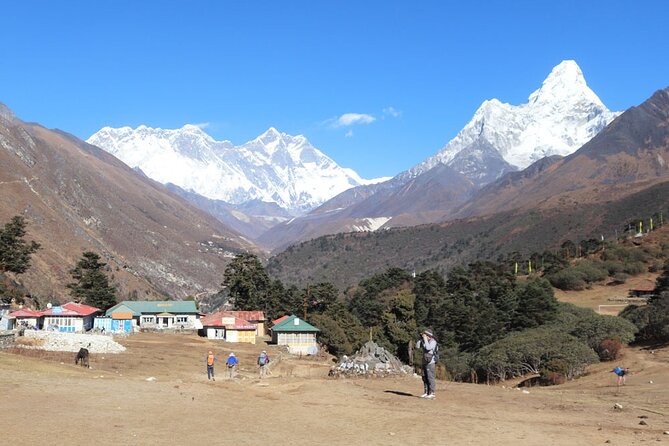
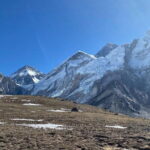
Day 9 starts early for Kala Patthar (5,545m). This is one of the best payoff moves on the whole trek because you’re going up early enough to catch sunrise. From Kala Patthar, you can see a panoramic set of peaks, including Mt. Everest, Mt. Pumori, Mt. Nuptse, Mt. Lhotse, and Mt. Ama Dablam, plus more.
Then you trek down from Gorakshep to Pheriche after breakfast. The descent is described as easier, but don’t get fooled. Downhill at altitude still works your legs and can mess with your knees if you go too fast. Keep your steps short, and take breaks when you need them.
This is one of the key values of a guided route: someone is watching the whole day, not just the dramatic parts. You’ll have a plan for when to push and when to protect your energy.
The Descent: Namche, Tengboche, and Back to Lukla
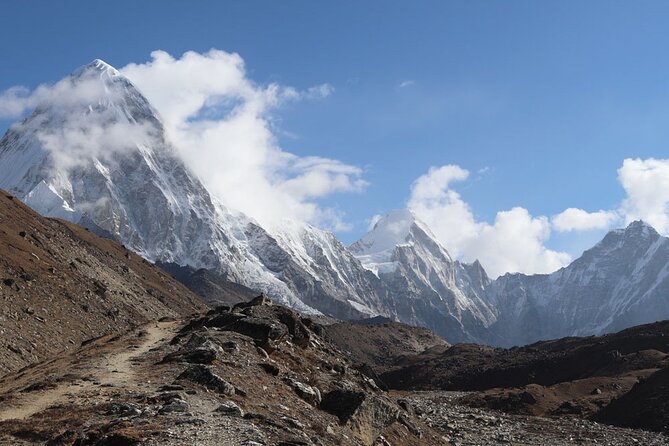
Day 10 begins your long return toward Namche Bazar. You follow an easier descent through rhododendron forest, then pass Tengboche again for lunch with monastery views and river and green hill perspectives.
Day 11 continues the descent with trekking back to Lukla. You cross the Bhote-Koshi River a few times and deal with short uphill climbs, including a final uphill of about 45 minutes before arriving in Lukla. That last climb catches people off guard because by then you’re mentally in “finished” mode.
Day 12 ends the trek with an early breakfast and the flight from Lukla to Kathmandu. It’s a clean close: you get the return you planned for, not a drawn-out schedule.
Price and Value of This Guided Plan for $1,300
At $1,300 per person, this trek is priced around the real costs of doing Everest Base Camp the right way: flights into the high region, guide support, permits, and lodge-based sleeping plus most meals.
Here’s what your money covers that’s hard to replicate yourself:
- Domestic flights Kathmandu–Lukla–Kathmandu with airport tax
- Accommodation in trekking lodges for 11 nights
- A guide plus paper work, including national park entry permits and TIMS
- Breakfast (11), lunch (11), dinner (11) while you’re on trek
- Emergency helicopter arrangement via your travel insurance
Not included items are also clear. You pay for your Nepal entry visa, and you cover Kathmandu hotels and meals on your own. Your travel insurance is compulsory, and you also cover personal expenses, drinks, tips, and a porter only if you need one.
My take on value: this price is strongest if you want a structured, guided plan without trying to piece together permits, flights, lodge bookings, and meal plans yourself. If you’re the type who enjoys self-planning, you might save money. If you want fewer moving parts and a group pace, this looks like a fair deal.
Guides, Lodges, and Small Comforts That Matter at Altitude
This trip is built around a small group—up to 14 travelers—which is a sweet spot on Everest treks. You’ll have the social boost of other people, but you’re not waiting around behind a big crowd every day.
Past feedback tied to the operator highlights guides such as Rajan and Suraj, and support names like Bir and Dhana. The consistent theme is that your guide is active: checking in, coordinating, and keeping people on track when the altitude makes everything feel harder.
Lodges are basic, but they’re functional. You’ll be sleeping in tea houses on trek, and the plan includes a day where you learn the rhythm of lodge life in high country. One detail that matters: Gorakshep is a last lodge staging point, so leaving your extra items there simplifies the Base Camp day.
Also included gear can reduce cost and stress. If you need it, you can get a sleeping bag, down jackets, and a duffel bag, with gear return after the trek. That’s useful if you don’t want to buy cold-weather gear just for one trip.
What to Pack (and What the Trip Supplies)
Even with gear support, you still need your own system. Bring layers for cold mornings (especially around Kala Patthar), and plan for days where you’ll move from warmer sun to colder shade fast. Trekking poles can help, too, but you’ll want to bring what you’ve used before.
From the included list, you may not need to buy everything immediately:
- Sleeping bag, down jacket, and duffel bag if necessary (returned after trek)
What you should still plan around yourself:
- Your own personal expenses, plus any drink or hot/cold drinks you want beyond meals
- Tips for the guide (not included)
- A porter if you choose one (not automatic unless you request it)
And yes, your fitness matters. The trip asks for a strong physical fitness level, because this isn’t a walk in the park. The upside is the pacing gives you a chance to succeed even when it hurts a little.
Who This Everest Base Camp Trek Fits Best
This is ideal if you want:
- A guided trek with permits, flights, and lodge nights handled
- Acclimatization days in Namche and Dingboche
- The full classic progression: Everest Base Camp plus Kala Patthar sunrise
- A group size small enough to feel supported without feeling crowded
It’s not ideal if you’re looking for an ultra-flexible independent adventure, or if you can’t handle altitude changes and a steady walking schedule.
If you’ve done easier treks before, you’ll probably find this a real step up. If you’re new to trekking, you’ll still have a chance, but you’ll want to be very serious about preparation and pacing.
Should You Book This 12-Day EBC Trek With Outfitter Himalaya?
I’d book it if you want Everest Base Camp done in a practical way: flights to Lukla, permits handled, lodge comfort on most nights, and a guide who keeps the group moving safely. The best sign is the structure around altitude—Namche and Dingboche acclimatization days—plus the chance to go high for sunrise at Kala Patthar.
I’d think twice if weather risk would ruin your schedule, or if you’re not ready for the physical challenge that shows up after Dingboche. Also, if you strongly prefer carrying everything and planning every detail yourself, this style may feel too packaged.
FAQ
How long is the Everest Base Camp guided trek?
It’s listed as 12 days (approximately), starting with an early flight from Kathmandu to Lukla and ending with a return flight to Kathmandu.
Where does the tour start and what time?
It starts at Outfitter Himalaya Holidays, Thamel Marg, Kathmandu 44600, Nepal, with a start time of 6:15 am.
What permits are included?
The trip includes national park entry permits and the TIMS permit, plus related paper work.
Are flights between Kathmandu and Lukla included?
Yes. The package includes the flight ticket from Kathmandu to Lukla and back to Kathmandu, including airport tax, and it also includes domestic airport transfers.
Are meals included during the trek?
Yes. It includes breakfast (11), lunch (11), and dinner (11) while you’re on trek in the lodge circuit. Meals in Kathmandu are not included.
Does the trek include lodging?
Yes. You get accommodation in trekking lodges for 11 nights during the trek.
Is cold-weather gear included?
If necessary, the trip includes a sleeping bag, down jacket, and duffel bag, and the gear is returned after the trek.
What is the cancellation refund policy?
You can cancel up to 6 days in advance for a full refund. Cancel 2–6 days before the start time for a 50% refund. Cancel less than 2 days before the experience’s start time and the amount paid is not refunded.