REVIEW · KATHMANDU
Everest Base Camp trek 14 days
Book on Viator →Operated by Sunrise Adventure Trek P. Ltd · Bookable on Viator
Everest feels close on this route. This 14-day trek is built around less planning and more time hiking, with transport, lodging, and key supplies lined up for you. Two things I really like: you get a sleeping bag and down jacket for the trek if you need them, and you’re covered for daily meals during the hiking days. One trade-off to consider: the itinerary still demands moderate physical fitness, and some costs are not included like international flights, travel insurance, and tips.
I also appreciate the “wraparound” support. You’ll get airport pickups and flights, permits handled through TIMS and a trekking permit, and a friendly team setup with a guide (their salary, meals, insurance are included). The trek ends with a cultural show and farewell dinner, so you don’t just vanish into the airport.
In This Review
- Key highlights to know before you go
- Why this Everest Base Camp plan feels less stressful
- Price and what you really get for $1,380
- Kathmandu arrival: getting set up before the mountains take over
- Lukla to Phakding: the first taste of altitude and routine
- A practical note
- Namche Bazaar and acclimatization: why you earn the higher views
- Tengboche to Dingboche: long days, steady breathing
- Where it can feel challenging
- Lobuche and the road to Gorak Shep: getting closer to Everest Base Camp
- Kalapatthar: the summit-like moment without a summit
- The return: Periche to Namche, then back to Lukla
- Flight day and the cultural finish in Kathmandu
- Your guide and team: safety, pacing, and real coordination
- What to pack and how to prepare (based on what’s actually included)
- A simple prep plan that matches the trek
- Who this Everest Base Camp trek suits best
- Should you book it?
- FAQ
- How long is the Everest Base Camp trek?
- Where does the trek start?
- Are flights to Lukla included?
- What meals are included?
- Is a sleeping bag and down jacket included?
- What permits do I need, and are they included?
- How many people are in the group?
- Is a guide included?
- What costs are not included in the price?
- Can I cancel for a full refund?
Key highlights to know before you go
Hands-off planning for the full route: city hotel nights plus trekking lodge stays and transport are included.
Trek-day meals are built in: breakfast, lunch, and dinner on trekking days as listed.
Gear support for cold nights: sleeping bag and down jacket are provided if you need them.
Permits included up front: trekking permit and TIMS card are part of the package.
Small-ish group size: capped at 18 travelers, so it’s not a cattle drive.
A memorable finish: a special cultural show and farewell dinner to close out the journey.
Why this Everest Base Camp plan feels less stressful
Everest Base Camp is the kind of trip that can swallow weeks of research. What makes this one easier is that the heavy lifting is handled for you: accommodations for 13 nights, transport between trekking segments, and the logistics around flights to Lukla and back.
For me, the value is less about the price sticker and more about what you don’t have to manage. When you’re dealing with altitude, weather, and tight hiking windows, you want to spend energy on walking, not on chasing paperwork or figuring out who’s driving when.
The package is also structured around real trekking rhythm. Days are split into clear segments with set walking times and altitudes, plus acclimatization days. That matters because Everest isn’t just about effort; it’s about pacing your body.
You can also read our reviews of more tours and experiences in Kathmandu.
Price and what you really get for $1,380
At $1,380 per person, the headline number looks straightforward. But the smarter way to read it is: what’s bundled, and what will you still need to pay outside the package?
Included value you’re getting:
- Kathmandu ↔ Lukla flights and those flight tickets
- Airport pickup and departures in Kathmandu
- Ground transport by A/C car and tourist deluxe bus for transfers in the region
- A standard twin-share hotel in Kathmandu with breakfast
- Trek accommodations in lodges during the hiking days
- Daily breakfast/lunch/dinner during trek days (based on the itinerary’s B.L.D notes)
- Trek essentials support: sleeping bag and down jacket if needed
- Permits: TIMS card and a trekking permit
- A guide package (salary, accommodation, meals, insurance)
- First aid medicine item, a T-shirt, and a trip achievement certificate
- A special cultural show plus farewell dinner program
Not included costs to plan for:
- International airfare
- Travel insurance
- Tips for the trekking crew
- Extra meals in Kathmandu
- Tour entrance fees
- Personal expenses and bar bills
So yes, $1,380 can be good value if you’re the kind of traveler who wants the trip to run like a checklist. If you already have your own flights, insurance, and gear figured out, you might compare options. Still, bundling the permits, domestic flights, and daily meals is a big deal when you want fewer moving parts.
Kathmandu arrival: getting set up before the mountains take over
Day 1 is arrival in Kathmandu, with the tour already covering airport pick up and departures. That first night matters more than people think. You’re not “starting the trek” yet, but you are setting your body up for what’s coming.
On Day 2, you’ll move from Kathmandu into the mountains via Lukla. The itinerary’s timing is specific: Kathmandu to Lukla by flight (about 40–45 minutes), then a trek down into Phakding. That means you benefit from having Kathmandu logistics already handled—hotel, transfers, and day sequencing—so you don’t scramble around.
Also, the company includes permits in the package through a trekking permit and the TIMS card. That’s helpful because it reduces the chance of last-minute admin stress.
Lukla to Phakding: the first taste of altitude and routine
Day 2 is your launch day from the airfield side: Lukla flight, then Lukla to Phakding trek. The trek is listed at about 3–4 hours, with Phakding around 2,640m. You’ll have breakfast, lunch, and dinner as shown (B.L.D).
This is the part where the trip’s pacing becomes obvious. You’re not jumping to the highest elevations right away. You’re learning the daily flow: walk, stop, eat, rest, repeat. It’s also where your pack feels heavy or light depending on how you packed.
A practical note
Start the trek day with a steady effort. Don’t “test your legs” on Day 2. With this plan, you’ll feel like you’re walking a lot later, especially after acclimatization days.
Namche Bazaar and acclimatization: why you earn the higher views
Day 3 brings you from Phakding to Namche Bazaar (listed around 3,440m) in about 5–6 hours. Day 4 is an acclimatization day in Namche Bazaar.
That pairing is classic and for a good reason. You gain altitude, then you stop to let your body adjust. In an itinerary like this, that’s not optional. It’s built into the schedule with explicit accommodation and meals.
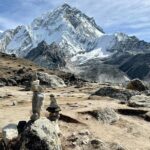
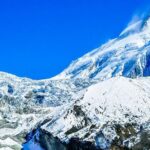
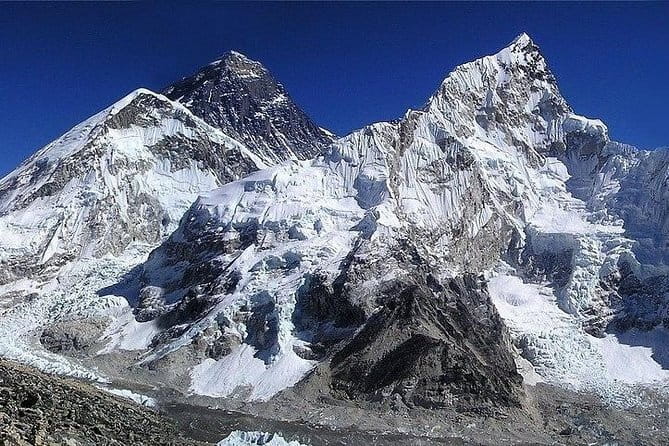
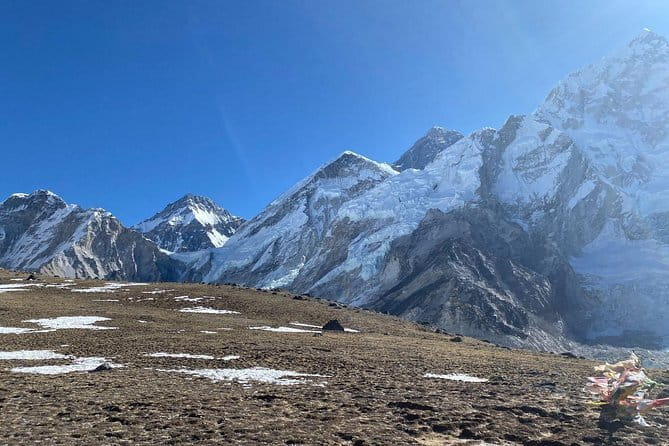
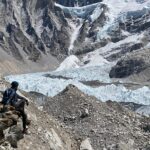
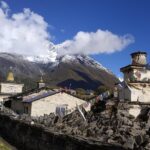
And Namche is more than a “rest day checkbox.” It’s where you start noticing the big mountain presence. This route is designed to give you sight lines to major peaks like Ama Dablam, Lhotse, Makalu, Cho Oyu, and Everest itself during the journey.
The practical benefit? You get more chances to settle in before higher elevations stack up.
Tengboche to Dingboche: long days, steady breathing
On Day 5, you trek to Tengboche (around 3,860m) in about 6–7 hours. Day 6 is acclimatization in Dingboche. Day 7 then continues upward on another segment to Dingboche around 4,410m (listed 5–6 hours).
So the itinerary doesn’t just “push higher.” It stages the climb:
- moving to a new altitude level,
- then giving you a day to acclimatize,
- then climbing again.
For your body, that reduces the odds of feeling wrecked before the real objective days. For your mind, it makes the plan feel doable, even though the numbers look intimidating.
Where it can feel challenging
Even with acclimatization days, you’re dealing with thinner air and longer stretches. Plan on a steady pace, not hero speed. The package supports you with structured lodging in trekking lodges and B.L.D on trek days, but your lungs still run the show.
Lobuche and the road to Gorak Shep: getting closer to Everest Base Camp
Day 8 is the trek to Lobuche (about 4,910m) in roughly 5 hours. Day 9 is the big push: trekking to Everest Base Camp and then back to Gorakshep (around 5,200m) with B.L.D.
Day 9 is where many people feel the trip “become real.” You’re not just hiking through mountain towns; you’re going toward the destination. The itinerary’s structure keeps you from lingering too long at the wrong time. You go out, reach Base Camp, then return to Gorakshep for the next day’s summit-style hike.
Even if you don’t have years of high-altitude experience, the schedule gives you a scaffold. You’ve already climbed, acclimatized, and climbed again. That background matters when you’re making decisions at altitude.
Kalapatthar: the summit-like moment without a summit
Day 10 is the highlight hike: Kalapatthar (about 5,550m), listed at around 2 hours 30 minutes, then you trek down to Periche (around 4,200m) in about 7 hours.
This is a clever part of the itinerary. Kalapatthar isn’t exactly a technical “summit climb” in the information you’ve been given, but it’s described with a short, punchy ascent and a long downhill continuation.
Why it’s worth it:
- you get a high viewpoint moment,
- then you move back down to help your body recover.
The down day is important. It keeps you from stacking fatigue on top of more fatigue, which helps when you still have multiple trek days left to return.
The return: Periche to Namche, then back to Lukla
Day 11 is Periche down to Namche Bazaar (around 3,441m) in about 6 hours, with B.L.D. Day 12 goes Namche to Lukla (listed about 7 hours), again with B.L.D.
This is one of the underestimated parts of EBC treks. The destination is behind you, but you still walk. Going downhill and over uneven ground can be hard on knees and calves, even if altitude is less intense than the high days.
The upside of this specific plan is that your return is staged. You’re not rushing directly from the high elevations to Kathmandu. You have time to reset your body and settle your routine before flying.
Flight day and the cultural finish in Kathmandu
Day 13 is the return flight to Kathmandu with breakfast included (B). Day 14 ends with farewell and departure, plus the cultural show and farewell dinner program as part of the trip’s ending.
I like this kind of finish because it gives you closure. A cultural show and farewell dinner can turn the last night into a real “you made it” moment, not just a late check-out.
It also helps you stay grounded. After days of walking and altitude focus, you can shift to people, food, and story-sharing while you still feel the trip in your body.
Your guide and team: safety, pacing, and real coordination
This tour includes a guide, and the guide’s salary, accommodation, meals, and insurance are part of the package. That matters because good coordination isn’t a luxury at altitude—it’s the difference between a calm day and a messy one.
In the stories associated with this operator, you’ll see names like Suresh and Sobit as guides, and Pasang as a sherpa in at least one described summit experience. You can’t guarantee a specific person, but seeing familiar names tied to the service is reassuring.
Even more practical: a first aid medicine item is included. That doesn’t turn Everest into a theme park, but it signals that basic medical readiness is part of the plan.
What to pack and how to prepare (based on what’s actually included)
Your package includes trekking lodge accommodations, and it provides a sleeping bag and down jacket if you need them. That lowers the packing load, especially for winter-style insulation.
Still, you’ll want to handle the rest of your essentials. Since the tour only promises a sleeping system and down jacket support, you should plan to bring:
- layers for cold mornings and evenings (even on non-technical days),
- weather protection for wind and changing conditions,
- trekking-ready footwear and socks,
- sun protection.
Training-wise, the tour requests a moderate physical fitness level. Translation: you don’t need to be a marathon athlete, but you do need to be comfortable walking for multiple hours on consecutive days.
A simple prep plan that matches the trek
- Build a walking habit before you go.
- Do a few longer days, even if they’re not “mountain days.”
- Practice carrying your pack.
You’ll feel the difference once the days stack up at higher elevations.
Who this Everest Base Camp trek suits best
This trek fits best if you want:
- a structured itinerary with set trekking days and acclimatization time,
- meals and lodging handled for you during the trek,
- permits managed through TIMS and a trekking permit,
- domestic flights between Kathmandu and Lukla included,
- and a clear, guided path to Everest Base Camp plus Kalapatthar.
It’s also a good match for travelers who don’t want to handle the admin and logistics of permits, transport, and gear sourcing on their own.
If you’re the kind of traveler who loves fully DIY planning down to the last minute, you might feel boxed in. But if you’re aiming for a smooth, well-supported trek, this plan lines up well.
Should you book it?
I’d book this Everest Base Camp trek if your priority is a low-stress, supported route: flights, permits, lodging, and trek meals already planned, plus cold-weather gear help and a team setup with a guide.
I wouldn’t book it if you still need to sort out big missing pieces like international airfare, travel insurance, and crew tips, and you’re hoping the package covers every last cost. Also, if you don’t have a moderate fitness base, the schedule’s multiple 5–7 hour trekking days at high elevations will likely feel punishing.
If you want Everest with fewer headaches and a schedule that respects acclimatization, this is a solid choice.
FAQ
How long is the Everest Base Camp trek?
The 14-day version runs for 14 days (with 13 nights of accommodations planned).
Where does the trek start?
The tour starts in Kathmandu, Nepal, with the meeting point listed as Kathmandu Valley, Bagmati Zone, Central Region.
Are flights to Lukla included?
Yes. Kathmandu to Lukla flights are included (about 40–45 minutes), and the return flight to Kathmandu is included as well.
What meals are included?
During trekking days, the itinerary specifies daily breakfast, lunch, and dinner. Extra meals in Kathmandu are not included.
Is a sleeping bag and down jacket included?
Yes. The tour includes a sleeping bag and down jacket for the trek if you need them.
What permits do I need, and are they included?
The package includes a trekking permit and a TIMS card.
How many people are in the group?
The tour has a maximum of 18 travelers.
Is a guide included?
Yes. A guide is included, and the guide’s salary, accommodation, meals, and insurance are covered in the package.
What costs are not included in the price?
Not included are international air tickets, travel insurance, tips for the trekking crew, extra meals in Kathmandu, tour entrance fees, and personal expenses.
Can I cancel for a full refund?
Yes, it’s free cancellation up to 24 hours in advance for a full refund. If you cancel less than 24 hours before the start time, the amount paid won’t be refunded.