REVIEW · POKHARA
Pokhara: 5-Day Ghorepani and Poon Hill Private Trek
Book on GetYourGuide →Operated by Linkage Tour & Travel · Bookable on GetYourGuide
Sunrise at Poon Hill beats the alarm clock. This 5-day private trek from Pokhara strings together big Himalayan views and real village life, then caps it with an early hike for the classic Poon Hill sunrise. You’ll walk through terraced farmland, forests, and stops that feel like stepping into everyday Nepal rather than just passing through.
I especially like the practical pacing for a short trek: you gain height gradually up to 3,210 m and still get time to rest in places like Ghorepani. I also like the human side of the trip—guides such as Bidur and Paras help with the details, including arranging meals and keeping things smooth so you can focus on the trail. One drawback to plan for: this route is stair-heavy, so your legs should be ready for serious step-counting on the approach toward Tikhedhunga.
In This Review
- Key Highlights That Make This Trek Worth Your Time
- Why Poon Hill Works So Well for a 5-Day Schedule
- Pokhara to Nayapul to Tikhedhunga: Settling In on Day 1
- Tikhedhunga to Ghorepani: The Altitude Game on Day 2
- Ghorepani to Poon Hill for Sunrise, Then Tadapani on Day 3
- Tadapani to Ghandruk: Gurung Village Life at 1,940 m
- Ghandruk to Nayapul to Pokhara: Finishing Well on Day 5
- Your Guide Makes a Bigger Difference Than You Think
- Price and Value: Is $187 Fair for This 5-Day Private Trek?
- What to Watch For on This Trek (So You’re Not Surprised)
- Who This Trek Fits Best
- Should You Book the Ghorepani and Poon Hill Private Trek?
- FAQ
- How long is the Ghorepani and Poon Hill private trek?
- Where does the trek start and end?
- What are the main altitude points on the route?
- Is the sunrise hike part of the itinerary?
- What languages does the trekking guide speak?
- Are meals included in the price?
- Is it possible to cancel for a refund?
Key Highlights That Make This Trek Worth Your Time
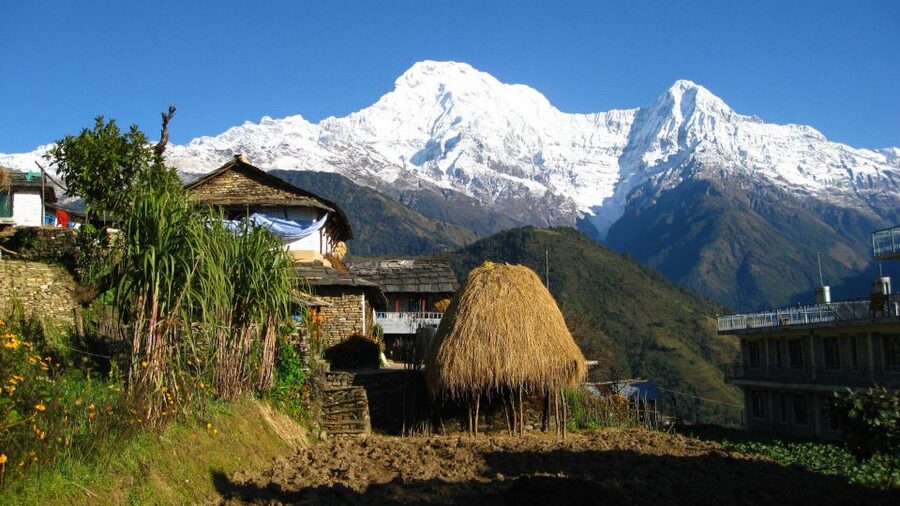
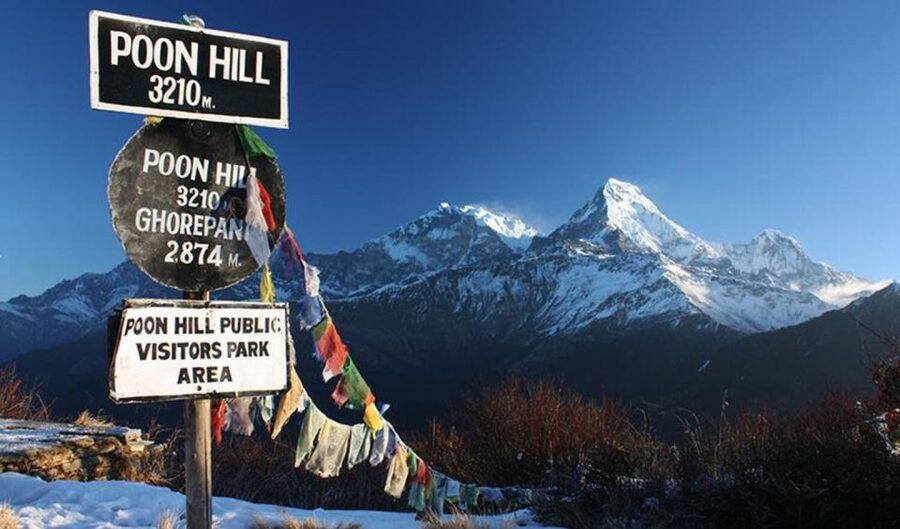
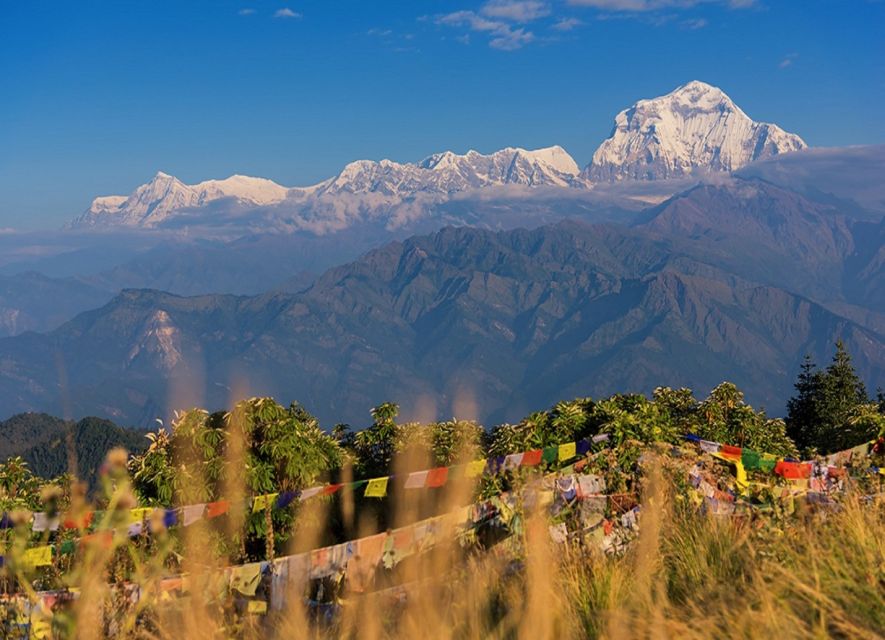
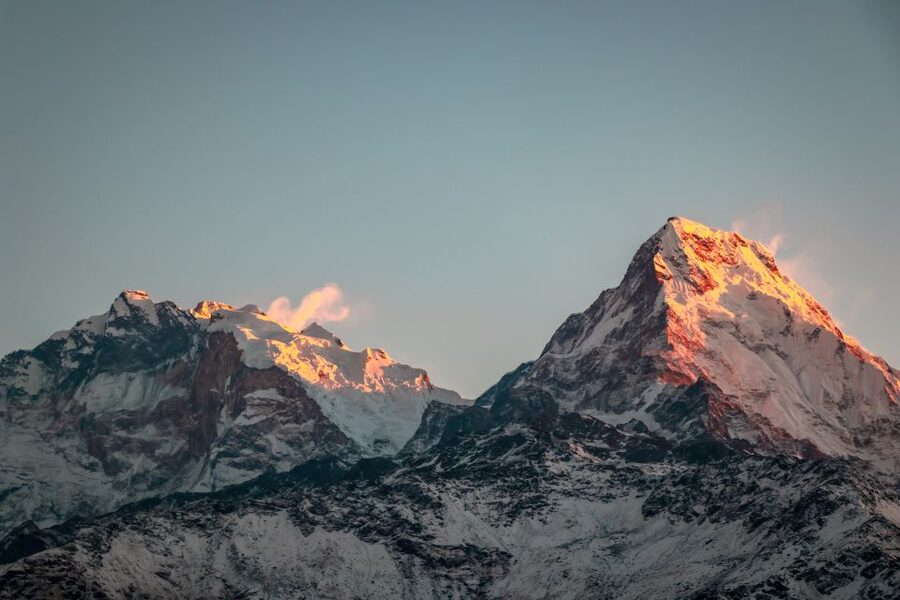
- Poon Hill at 3,210 m for sunrise with views of Dhaulagiri, Annapurna South, Hiunchuli, and Machhapuchhre
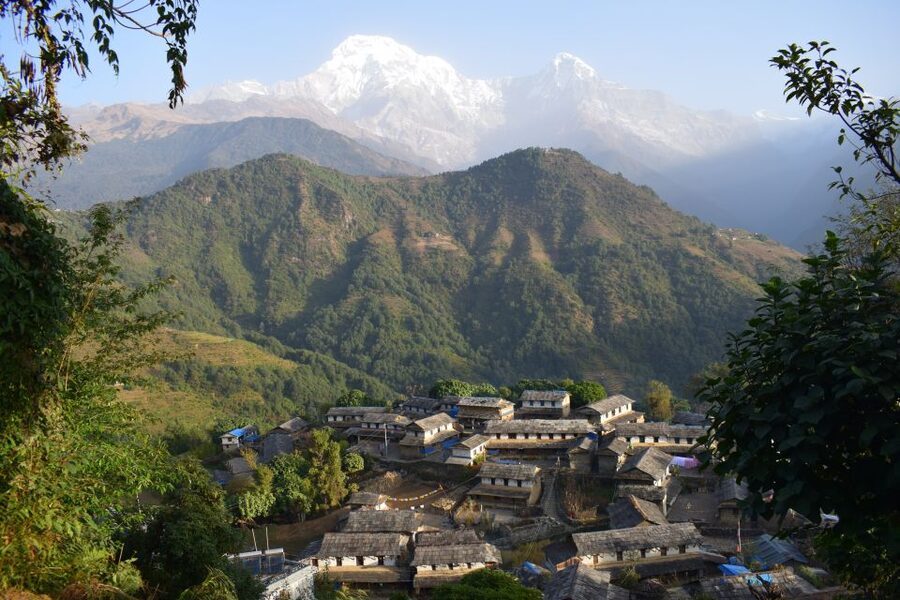
- Ghandruk at 1,940 m for a Gurung village feel and traditional architecture
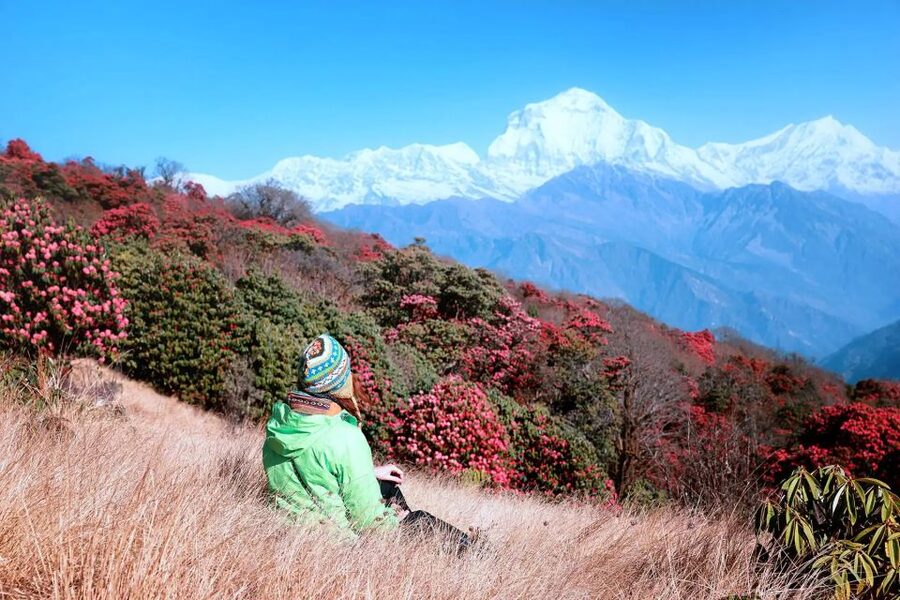
- Rhododendron forests on the way through Tadapani with mountain views popping through the trees
- Guide support in English and Hindi that helps with pacing and meal ordering at tea houses
- Round-trip transport from Pokhara to Nayapul and back, so you start trekking without fuss
- A relatively easy, 5-day Annapurna option that still delivers a real altitude experience
Why Poon Hill Works So Well for a 5-Day Schedule
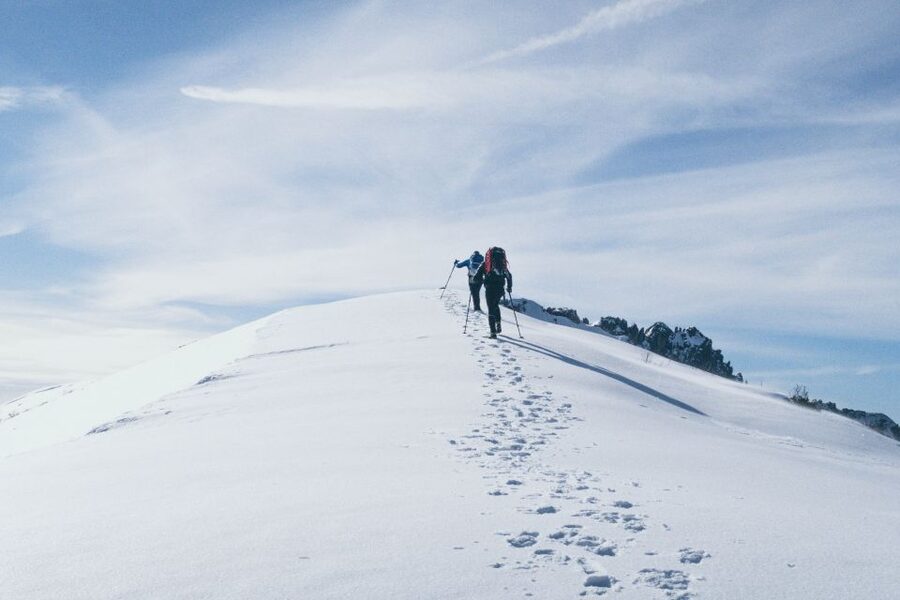
If you have limited time, this trek is popular for a reason. You’re not trying to cross high passes or spend weeks on the move. Instead, you concentrate your effort into a clear storyline: start from Pokhara, hike up through villages and forests, reach Ghorepani, then make a very early push for sunrise at Poon Hill.
What makes it satisfying is that each day has a job. Day 1 gets you walking in a way that eases you into the terrain. Days 2 and 3 bring altitude and scenery, but you still have breaks and guest-house nights to recover. Day 4 shifts the focus to culture and views around Ghandruk. Day 5 is mostly descent back to Nayapul and the comfort of Pokhara.
The route is also a good fit for people who want flexibility. In private format, your guide can help you keep a pace that feels manageable, whether you walk slower for breaks or want to move steadily when the trail is easy.
You can also read our reviews of more tours and experiences in Pokhara.
Pokhara to Nayapul to Tikhedhunga: Settling In on Day 1
Height change: Pokhara 820 m → Nayapul 1,070 m (road) → Tikhedhunga 1,570 m (trek)
Day 1 starts in Pokhara, then you transfer by road to Nayapul. That drive matters more than it sounds. It positions you right at the start of the walking route, and it lets you begin the trek without spending your first day “getting there.”
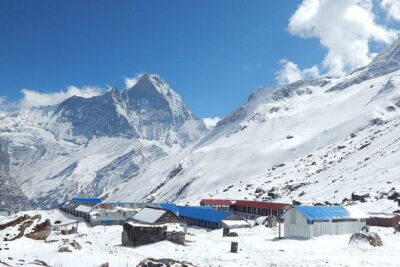
From Nayapul, the trail moves through villages and terraced farmland. This is the part of the trek where you’ll likely notice the everyday Nepal scenes: small paths, local houses, and fields that look like they’ve been shaped by generations of work. The Annapurna and Dhaulagiri mountain ranges appear in the background as the trail rises toward Tikhedhunga.
You’ll end the day in Tikhedhunga at 1,570 m, and this is where the serious stair reality of the Ghorepani route starts to feel real. One of the strongest pieces of advice from people who’ve done this trek: be prepared for a lot of steps. It’s not chaos, but it is work. Wear shoes you trust on rocky stone, and don’t treat this day as a light stroll.
Tikhedhunga to Ghorepani: The Altitude Game on Day 2
Height change: Tikhedhunga 1,570 m → Ghorepani 2,850 m
Day 2 is all about reaching Ghorepani at 2,850 m, the village where your trekking rhythm changes. Higher altitude means cooler air and often thinner, drier-feeling mountain air. It’s also where tea houses, guest rooms, and the whole trekking infrastructure become more central to the experience.
Ghorepani itself is described as a charming place with traditional houses and teahouses. That’s not just decoration. It’s practical. After you arrive, you’re in the right altitude zone for tomorrow’s early start and the big sunrise moment.
This is also a good day to acclimatize in a simple way: rest, eat, and don’t rush. The trek is labeled relatively easy, but altitude still asks for respect. Ghorepani gives you the mental and physical base you’ll want before Poon Hill.
Ghorepani to Poon Hill for Sunrise, Then Tadapani on Day 3
Height change: Ghorepani 2,850 m → Poon Hill 3,210 m → Tadapani 2,610 m
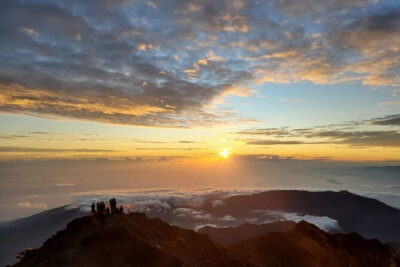
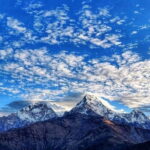
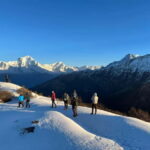
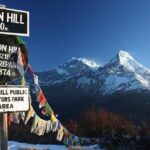
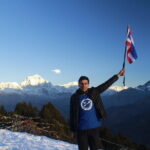
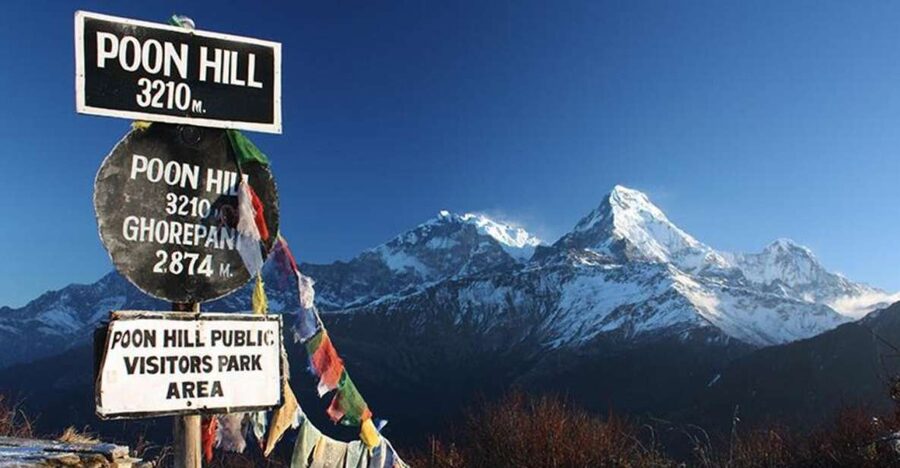
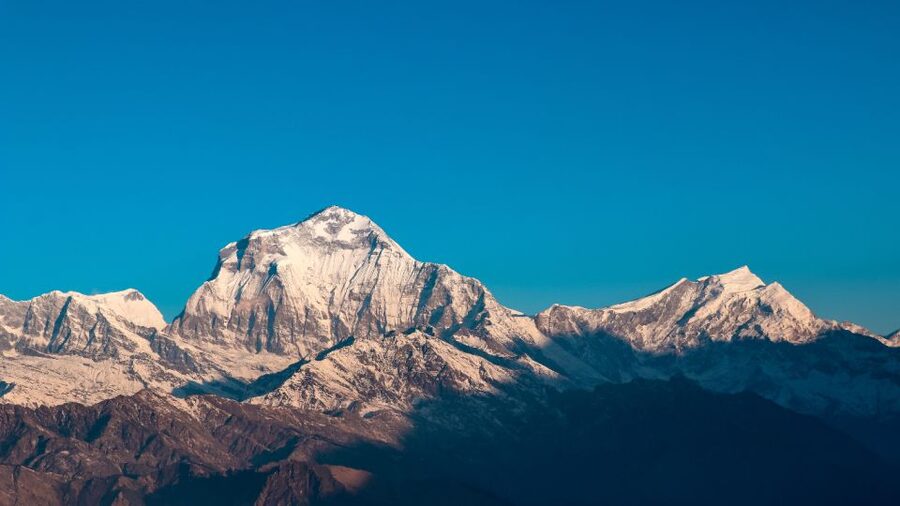
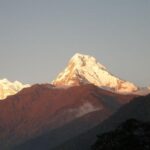
Day 3 is the headline day. You’ll wake early and hike up to Poon Hill, which sits at 3,210 m. From the top, you’re promised a breathtaking sunrise across several of the iconic peaks: Mt. Dhaulagiri, Annapurna South, Hiunchuli, and Machhapuchhre.
The beauty of Poon Hill isn’t only the view. It’s the payoff structure. You spend energy climbing in the dark or early hours, then the light hits the mountains and everything clicks into place. Even if you’ve seen photos before, the sense of scale tends to hit harder in person.
After sunrise, the plan is to return to Ghorepani for breakfast. That detail is underrated. It keeps the day from feeling like nonstop effort. Then you continue on toward Tadapani at 2,610 m.
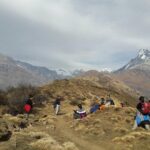
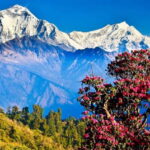
Between Ghorepani and Tadapani, you’re moving through rhododendron forests with mountain views popping through the trees. In season, rhododendron gives a different feel than the farmland mornings. It’s more enclosed, more shaded, and it turns the walk into something you actually look around on.
You’ll finish Day 3 in Tadapani, set at 2,610 m, which is high enough to keep the scenery feeling dramatic but not so high that it dominates the whole day.
Tadapani to Ghandruk: Gurung Village Life at 1,940 m
Height change: Tadapani 2,610 m → Ghandruk 1,940 m
Day 4 drops you to Ghandruk at 1,940 m. That descent isn’t just about saving energy. It changes the vibe. Ghandruk is known as a Gurung village with traditional architecture and strong cultural heritage, and it’s the kind of place where you can slow down and actually observe.
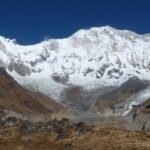
The views here are still excellent—especially with the mountains around Annapurna and Machhapuchhre in the mix. But what you’ll likely remember is how the village feels lived-in rather than staged. You get the sense that this is a community that has hosted trekkers for years, and it has built a rhythm around it.
This day is also emotionally important in a short trek. After the intensity of sunrise and forest trekking, Ghandruk gives you a more human pace—tea, conversation, and time to look at buildings and local life without rushing to the next altitude checkpoint.
Ghandruk to Nayapul to Pokhara: Finishing Well on Day 5
Height change: Ghandruk 1,940 m → Nayapul 1,070 m (trek) → Pokhara 820 m (road)
Day 5 is about getting back down to Nayapul and then returning to Pokhara. You’ll trek downhill to Nayapul first, then ride back by road to the lakeside city.
Downhill days can feel easier than uphill, but they can also be tough on knees and ankles. Keep your steps short. Watch the trail surface. If you’ve been stair-proofing yourself all week, this is your moment to stay careful rather than fast.
Once you reach Nayapul, you’re done with the walking part and shift into the comfort zone—warm transport, rest, and a reset. Pokhara is a great way to close the loop because you can unwind right away, with cafés and lakeside downtime.
Your Guide Makes a Bigger Difference Than You Think
A private trek lives and dies by the guide’s timing and judgment. This route is supported by an English-speaking experienced trekking guide (English, Hindi supported), and that language piece matters because it improves everything from small questions to comfort with names and places.
In the background, guides like Bidur and Paras have shown how much they can shape the trip. One key advantage: they help set the pace so you’re not forced into a march. Another advantage: they handle the everyday logistics at tea houses. That can include ordering meals, helping you navigate language at smaller stops, and even getting Wi-Fi when possible.
What I like about this is that it turns your day from survival mode into enjoyment mode. When ordering food and sorting bills is taken care of, you spend your energy on the trail and the views.
If you’re the kind of traveler who likes to learn while moving—mountains, place names, and local life—this kind of guide tends to make the route feel richer without adding fluff.
Price and Value: Is $187 Fair for This 5-Day Private Trek?
Price: $187 per person
Duration: 5 days
On paper, $187 can look either cheap or unclear, depending on what’s included. Here’s the practical way to judge value: you’re getting a guide, permits, guest-house lodging, and round-trip transport, all wrapped together.
Included items cover:
- TIMS and permits (entrance fees)
- An English-speaking trekking guide
- 4 nights of guest-house accommodation
- Round-trip transportation
- All taxes and service charges
Not included:
- Meals (you purchase them along the way)
- Rescue costs in emergencies
So the value equation depends on your meal budget and how much you value having transport and permits handled. If you’ve ever tried to plan a trek like this on your own, you know how quickly time and coordination add up. For a short 5-day plan, having the structure built in is a real convenience.
Also, private format matters. You’re not sharing decisions or pacing with a big group. That can be worth more than it sounds if you walk slower, take more breaks, or just don’t want to feel rushed.
What to Watch For on This Trek (So You’re Not Surprised)
The biggest caution is straightforward: stairs. The route includes a stair-heavy segment, and people doing this trek have been very clear about it. You don’t need to be a gym athlete, but you do want to be mentally ready for step work.
Second, plan for early mornings. Day 3 starts with a sunrise climb to Poon Hill at 3,210 m. Even if you’re fit, early starts change how your day feels.
Third, keep altitude in mind even on a relatively easy trek. Ghorepani at 2,850 m and Poon Hill at 3,210 m are real elevations. Hydrate, take breaks, and let your guide adjust your pace if needed.
Finally, meals are not included. Guest houses and tea houses along the route make eating easy, but you should budget for it.
Who This Trek Fits Best
This is a great match if you want:
- A classic Annapurna-region route in just 5 days
- Big views without the commitment of a long high-altitude trek
- A sunrise experience centered on Poon Hill
- Culture stops in places like Ghandruk at 1,940 m
- A private setup where pacing can be flexible
If you’re traveling with limited time but still want that feeling of walking through real mountain communities—forests, villages, and local hospitality—this route hits the sweet spot.
Should You Book the Ghorepani and Poon Hill Private Trek?
Yes, if you want a short, well-structured trek with a clear highlight: the Poon Hill sunrise from 3,210 m. The combination of rhododendron forest walking, Gurung village life in Ghandruk, and a guide who handles the practical side (meals and pacing) makes this feel smooth rather than stressful.
Book it if you’re okay with stairs and early starts. Those are the two real trade-offs here. If that sounds manageable, this trek gives you an efficient route into the Annapurna region—one that’s scenic, culturally grounded, and designed for people who want results in limited time.
FAQ
How long is the Ghorepani and Poon Hill private trek?
The trek duration is 5 days, with 4 nights of accommodation in guest houses along the route.
Where does the trek start and end?
You start in Pokhara, with pickup included from your hotel or the airport. The trekking route includes Nayapul as the trek start point, and you finish by hiking back to Nayapul and driving to Pokhara.
What are the main altitude points on the route?
Key heights include Nayapul at 1,070 m, Tikhedhunga at 1,570 m, Ghorepani at 2,850 m, Poon Hill at 3,210 m, Tadapani at 2,610 m, and Ghandruk at 1,940 m.
Is the sunrise hike part of the itinerary?
Yes. You hike to Poon Hill for sunrise on Day 3 and then return to Ghorepani for breakfast before continuing to Tadapani.
What languages does the trekking guide speak?
The guide provides live support in English and Hindi.
Are meals included in the price?
No. All meals are not included, but you can buy meals along the trek.
Is it possible to cancel for a refund?
Yes. Free cancellation is available up to 24 hours in advance for a full refund.