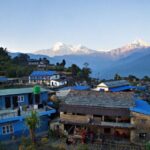
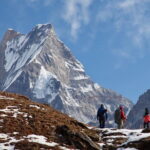
Mountains, minus the marathon. The Mardi Himal trek is a great short hike near Pokhara that focuses on big Annapurna-range scenery without tying you up for a week. With a private team behind you, you’ll start from Dhampus, pass through forest and camp zones, and end back in Pokhara after a final hop from Landruk to Siwai.
I especially like how the trip keeps things practical and clear: private pickup from your Lakeside Pokhara hotel, a drive to Dhampus, and then days paced around realistic hiking blocks. I also like the human touch from guides such as Lama and Mr Nepal (Navaraj Nepal), plus the way the organizers communicate in advance (it comes through in the support style) and then keep you fed during the trek with included meals and even seasonal fruits after dinner.
One thing to consider: this trek is weather-dependent, and it asks for moderate fitness over several long hiking days. Also, you’ll need your own personal trekking equipment since it isn’t included, so don’t assume you can show up with just a daypack.
In This Review
- Key things that make this Mardi Himal trek worth your time
- Mardi Himal Trek: Why this short route earns its popularity
- The 5 days, laid out simply: Dhampus to Siwai
- Dhampus, Forest Camp, High Camp: what each zone is really for
- The Day 3 choice: Base Camp vs View Point
- Guides and porters: why the support model matters
- Value for $399: where the money goes and where you save effort
- Timing and logistics: meeting point, private group flow, and travel days
- Fitness and weather: the two real “gatekeepers”
- Meals, rest, and the small comfort wins that add up
- Should you book the Mardi Himal Trek?
- FAQ
- Where does the Mardi Himal Trek start and end?
- How long is the Mardi Himal Trek?
- What does the tour include?
- Are meals included during the trek?
- Is this a private tour?
- What kind of accommodation do you get during the trek?
- What time does the trek start, and where do we meet?
- What is not included in the price?
- What if I need to cancel?
Key things that make this Mardi Himal trek worth your time
- Private door-to-trail setup: meet at Lakeside Pokhara (start time 10:45am) and get taken to Dhampus
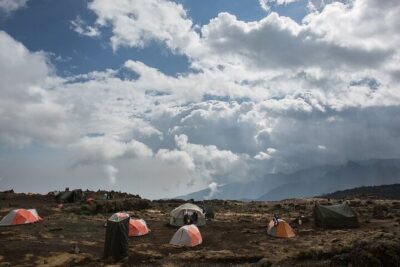
- Camp-to-camp pacing: Forest Camp to High Camp, with a stop at Low Camp for views
- Day 3 choice: hike to Mardi Himal Base Camp or Mardi Himal View Point depending on how you feel
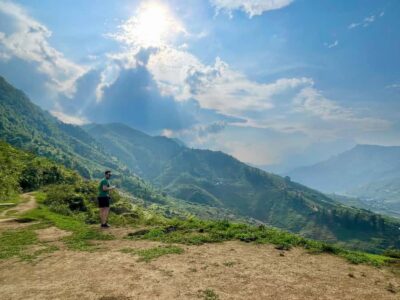
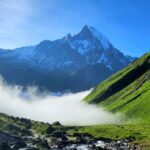
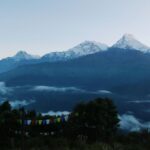
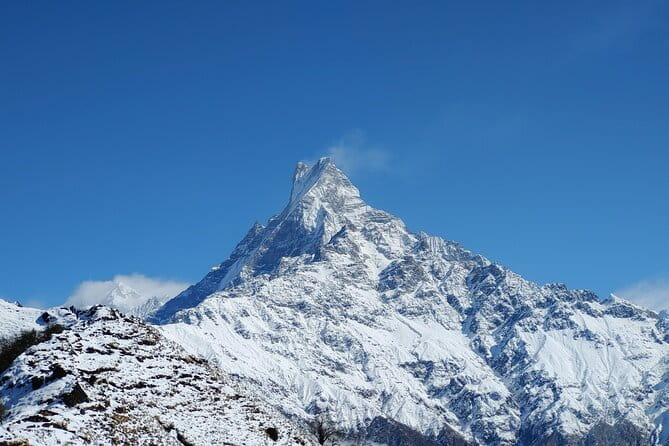
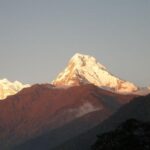
- Clear mountain photo moments: views of Fishtail, Annapurna, and Hiunchuli when the air is cooperating
- Fuel built in: 5 breakfasts, 4 lunches, 4 dinners, plus seasonal fruits after dinner each trekking day
- Porter support math: 2 guests per porter, which matters when trails get steady and long
Mardi Himal Trek: Why this short route earns its popularity
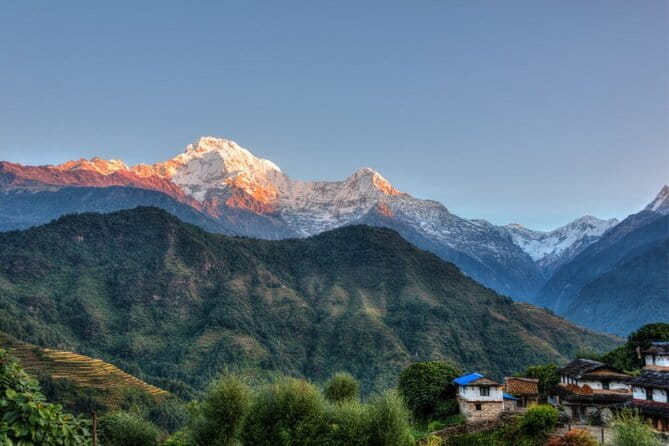
Mardi Himal sits close enough to Pokhara that you don’t have to lose days just getting to the mountains. In a short 4-night, 5-day format, it aims at one thing: daily hiking that gradually opens up bigger Himalayan views, with fewer time-wasting detours than many longer routes.
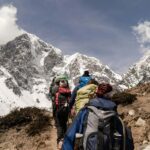
This is also a trek that balances forest walking with higher viewpoints. Day 2 moves you from Forest Camp toward High Camp, and along the way you stop at Low Camp to enjoy the scenery. Day 3 then becomes the payoff day with a choice of Mardi Himal Base Camp or a View Point, both set up for classic mountain photography angles.
If you like the idea of seeing a range of elevations and trail moods, this trek gives you that progression quickly. The downside is you don’t get a lot of extra buffer days, so a plan-your-life schedule and solid socks-first preparation help.
You can also read our reviews of more tours and experiences in Pokhara.
The 5 days, laid out simply: Dhampus to Siwai
Your trek starts with a pickup from your Pokhara hotel and a drive to Dhampus that takes about an hour. From there, the hiking begins. It’s a good way to ease in: you’re not jumping into the mountains from zero, and the route starts with the basics—footing, rhythm, and getting used to the pace.
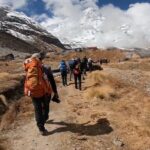
Day 2 is a steady hiking push from Forest Camp to High Camp, with a viewpoint stop at Low Camp. That Low Camp break is exactly the kind of “pause and look” moment that turns a long climb into something memorable, especially when you can see across toward the Annapurna area.
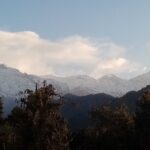
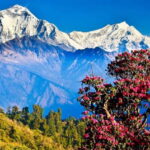
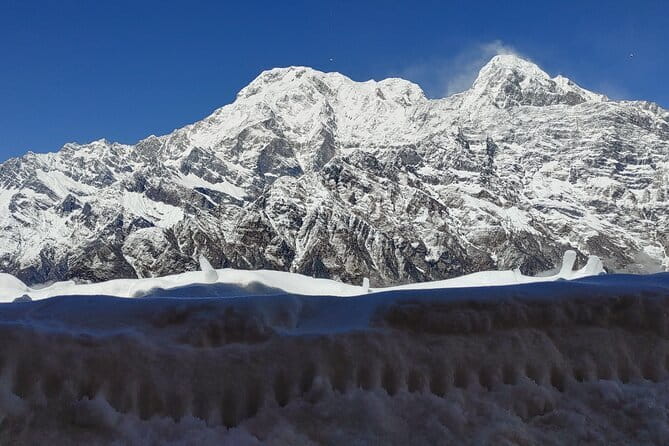
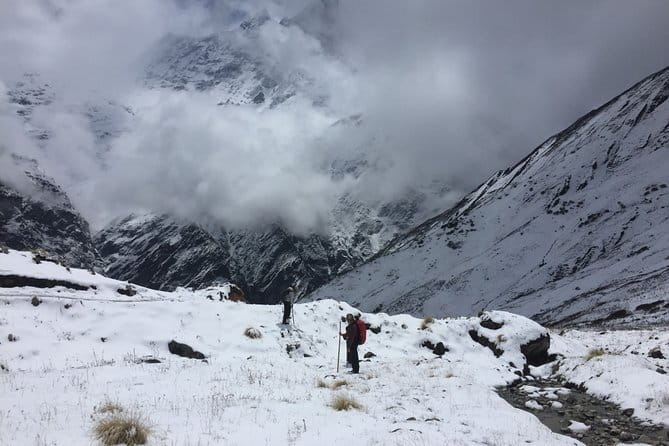
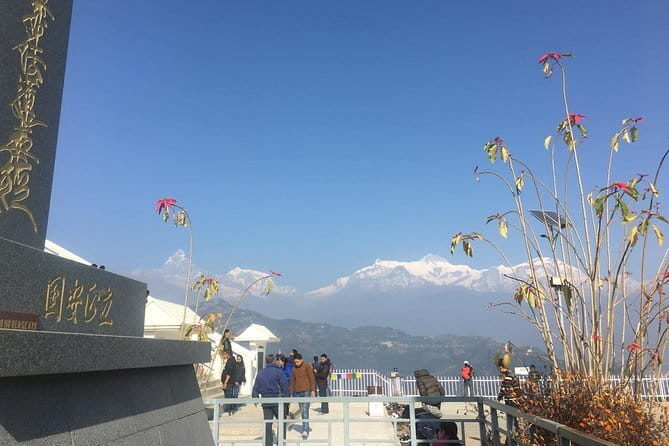
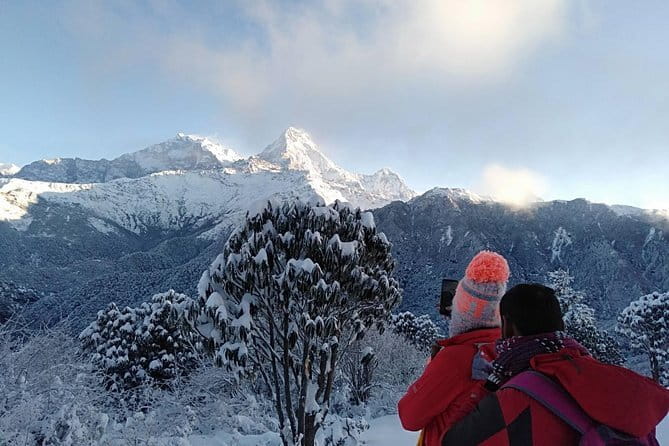
Day 3 is your choice day. You hike to either Mardi Himal Base Camp or Mardi Himal View Point, depending on what you prefer. The trail is framed by impressive views that include Fishtail, Annapurna, and Hiunchuli, so even when weather shifts, there’s usually enough sightline variety to make the effort feel worth it.
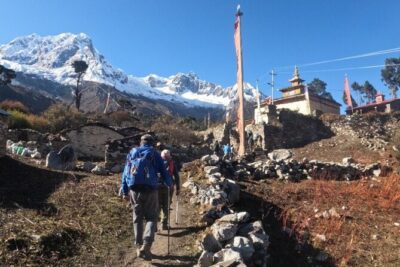
Day 4 shifts from high-mountain mood to village life. You descend to Landruk, a mountain settlement where you can see local houses, farmlands, and everyday lifestyle. This day often feels like a reset—less “push higher” and more “slow down and absorb.”
Day 5 is the finish. You do a short trek from Landruk to Siwai that takes about 1.5 hours, then the experience ends at the Siwai endpoint and you return to Pokhara by transport. It’s a nice way to close out without ending on another full-day grind.
Dhampus, Forest Camp, High Camp: what each zone is really for
Dhampus is more than just a starting point—it’s a staging zone that helps you transition from city time to trail time. The one-hour drive from Pokhara also means you can plan your morning without stress, then meet the group and start on schedule (10:45am at the Lakeside meeting point).
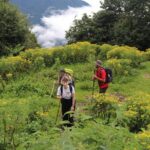
Forest Camp to High Camp is the trek’s “workhorse” day. Forest walking can feel deceptively easy at first, but once you start climbing consistently, you’ll appreciate having meals handled and logistics managed. The included rhythm matters here: you move, you rest, and you’re not constantly negotiating what to eat or where to sleep.
The Low Camp stop is the view break you’ll be glad you planned for. It gives you that moment where you stop feeling like you’re just walking uphill and start feeling like you’re moving through a mountain setting.
Then Day 3 pushes you into the view climax with either Base Camp or View Point. In practical terms, your choice helps you match the route to your energy. If you’re feeling strong, Base Camp can be satisfying; if you want more focus on the widest sightlines without overreaching, the View Point option is a smart fit.
The Day 3 choice: Base Camp vs View Point
This is one of the best design features of the itinerary. You don’t have to guess which option is right weeks in advance; you can decide based on how you’re moving, your weather window, and what you want most from the day.
If you choose Mardi Himal Base Camp, you’re committing to the “go as far as possible on the day” mindset. That often feels rewarding because it’s the kind of goal that gives you a clear target and a strong sense of accomplishment.
If you choose Mardi Himal View Point, you’re aiming more directly at sightlines—still dramatic, but potentially with a different effort profile. Either way, the route is described with strong views that include Fishtail, Annapurna, and Hiunchuli, so your day won’t feel wasted even if conditions shift.
A smart move: talk through your preference early with your guide once you’re already on the trail. Guides like Lama and Navaraj Nepal have a reputation for supportive, flexible handling, and in mountain trekking, that flexibility is more valuable than rigid schedules.
Guides and porters: why the support model matters
This is a private trek, so you’re not squeezed into a one-size-fits-all group. You’ll have a government-licensed, experienced guide, plus porter support sized at 2 guests = 1 porter. That porter ratio is meaningful on a multi-day route because it reduces the strain of carrying essentials, especially when you’re tired and the climb feels longer than it looked on paper.
The human side comes through in how different guides are described in real experiences. Lama is mentioned as a very comfortable presence—someone who helps you feel at ease and makes the day easier to manage. Navaraj Nepal (sometimes referenced as Mr Nepal) shows up in stories about being communicative and picking up on what the trek is doing for your mood and attention.
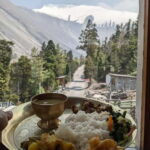
One more value detail: your meals during the trek are handled. You get 5 breakfasts, 4 lunches, and 4 dinners, and every trekking day includes seasonal fruits after dinner. That’s not just comfort. It helps you keep consistent energy, which makes the climbs feel more controlled.
Also keep in mind: tips for guide and porter are expected. You should plan that budget instead of letting it surprise you at the end.
Value for $399: where the money goes and where you save effort
At $399 for about 5 days, the big value isn’t just the low number. It’s what’s included that usually costs you time and decision fatigue: a licensed guide, private transportation, and the meal plan during the trek.
You’re also not paying extra for the basics that can become annoying on short trips. The package covers all fees and taxes, plus the private transportation that handles Pokhara to Dhampus and back. If you’ve ever tried to stitch these pieces together on your own, you already know how quickly the logistics can turn into a second job.
Accommodation during the trek is included on a double occupancy basis. That means you’ll share sleeping space in standard trekking lodging setups rather than expecting a hotel-style room to yourself. If you’re traveling as a couple or with a friend, this is often a fine match. If you’re someone who strongly prefers private rooms, that preference might require a different type of arrangement than what’s described here.
What’s not included is also important for your budget. Personal trekking equipment is on you, and meals/accommodation in Kathmandu or Pokhara outside the trek are not included. If you’re already planning to explore Pokhara before or after the trek, you’ll be responsible for those normal travel costs.
Timing and logistics: meeting point, private group flow, and travel days
The experience starts at 10:45am and the meeting point is Lakeside Pokhara 33700, Nepal. Being near public transportation is useful if you’re staying somewhere that isn’t right at the dock. Since the trek is private, your group follows the plan together and doesn’t get delayed by a shared schedule with strangers.
On Day 1, the guide picks you up from your hotel in Pokhara and drives about an hour to Dhampus. That means you’re not wandering around trying to find a trailhead. On the last day, you trek from Landruk to Siwai and then return to Pokhara, ending back in your hotel area.
If you like clean starts and clean finishes, this itinerary style fits. It keeps the hard part—daily trekking—contained, while the travel day pieces get handled by the team.
Fitness and weather: the two real “gatekeepers”
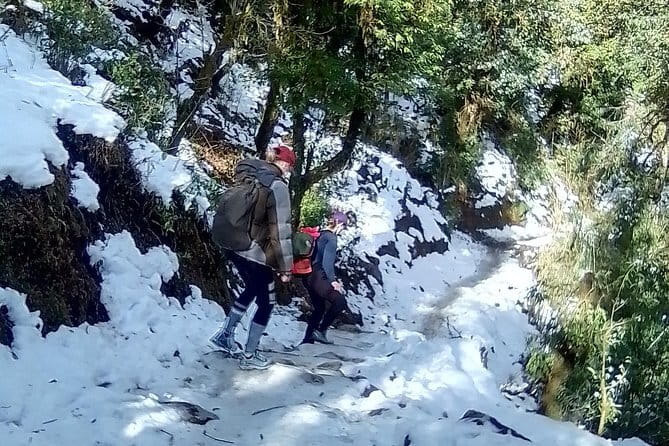
The trek asks for moderate physical fitness. That doesn’t mean you need to be an athlete, but it does mean you should be comfortable with multi-day hiking, including longer walking hours on multiple days.
The second gatekeeper is weather. The experience requires good weather, and if it’s canceled due to poor weather, you’ll be offered a different date or a full refund. That’s a big practical factor because mountain visibility can make the difference between seeing a range of peaks and seeing mostly fog and cloud.
My advice for planning: build your Pokhara schedule with breathing room. If you arrive early and give yourself flexibility, you’ll have a better chance of locking in a day with clearer conditions.
Meals, rest, and the small comfort wins that add up
Meals are included during the trek: breakfast, lunch, and dinner with specific counts across the days. You also get seasonal fruits after dinner every trekking day. These aren’t glamorous, but they’re exactly the kind of details that keep you from thinking about food all day.
Accommodation is provided during the trek on a double occupancy basis. Trek lodging typically isn’t about luxury—it’s about rest, warmth enough to sleep, and a clean place to recover for the next day’s hike.
Another comfort detail: your private team handling the day-to-day means you can focus on walking and looking, not on negotiating the next step. On a shorter trek like this, that focus matters.
Should you book the Mardi Himal Trek?
Book this trek if you want a short, high-reward mountain experience near Pokhara, with day-by-day structure and meal support included. It’s a good choice if you like the idea of shifting from forests to higher camps and then finishing with a descent into a real village like Landruk.
I would skip or reconsider if you don’t want a weather-dependent plan or if you’re not ready for steady multi-day hiking with moderate fitness expectations. Also think ahead about what you already own: personal trekking equipment isn’t included, so your readiness matters.
If you’re choosing this as your first multi-day trek, this itinerary’s tight length can work in your favor. You get a clear set of hiking goals (including the Day 3 Base Camp vs View Point choice), and the support system is built to keep logistics from turning into stress.
FAQ
Where does the Mardi Himal Trek start and end?
It starts and ends at Lakeside Pokhara, Nepal. The meeting point is Lakeside Pokhara, and the trek ends back in your hotel in Pokhara.
How long is the Mardi Himal Trek?
The duration is about 5 days (approximately 4 nights and 5 days).
What does the tour include?
The tour includes a government licensed, experienced guide, porter support (2 guests per porter), private transportation, all fees and taxes, seasonal fruits after dinner on trekking days, and trekking meals (5 breakfasts, 4 lunches, and 4 dinners). Accommodation during the trek is also included on a double occupancy basis.
Are meals included during the trek?
Yes. You get meals during the trekking: 5 breakfasts, 4 lunches, and 4 dinners. Every trekking day also includes seasonal fruits after dinner.
Is this a private tour?
Yes. It’s listed as a private tour/activity, and only your group participates.
What kind of accommodation do you get during the trek?
Accommodation during the trek is provided on a double occupancy basis.
What time does the trek start, and where do we meet?
The start time is 10:45am. The meeting point is Lakeside Pokhara 33700, Nepal.
What is not included in the price?
Personal trekking equipment is not included. Meals and accommodation in Kathmandu and Pokhara are not included either, and battery charges, laundry service, phone calls, and showers are not included.
What if I need to cancel?
You can cancel for free if you cancel at least 24 hours in advance of the experience start time for a full refund. If you cancel less than 24 hours before, the amount you paid will not be refunded. If the trek is canceled due to poor weather, you’ll be offered another date or a full refund.