REVIEW · HANOI
From Hanoi: 3-Day Sapa Trekking with Limousine Transfer
Book on GetYourGuide →Operated by DragonflyCruise.com · Bookable on GetYourGuide
Sapa hits fast, then slows down just enough. This 3-day trip pairs a comfortable limousine transfer from Hanoi with real time in villages tied to the H’Mong, Red Dzao, and Tay communities. I like that the day-to-day rhythm mixes guided trekking with built-in free time for your own food stops and photos.
Two things I really appreciate: the English-speaking local guides (I’ve seen excellent leadership from guide Me and guide Trang) and the way meals and stays are handled so you’re not guessing every step.
One watch-out: the walking is genuinely challenging, especially if weather turns rainy or cold, and the homestay option is basic.
In This Review
- Key things that make this Sapa trek work
- From Hanoi to Sapa: the limousine day that sets your whole pace
- Day 1 in Sapa: Cat Cat Village and an easy downhill start
- Day 2: the 12–15 km trekking day and the villages that feel more real
- Day 3: flexible morning in Sapa town, then back to Hanoi
- Price and value: $199 that buys you time, organization, and real effort
- Where the homestay and basic amenities really matter
- What to pack so Sapa doesn’t ruin your day
- Who should book this trek (and who should skip it)
- Should you book the 3-day Sapa trek with limousine transfer?
- FAQ
- What time do you get picked up in Hanoi?
- How long is the transfer from Hanoi to Sapa?
- What’s included in the price besides transportation?
- Are dinners included?
- How much trekking do you do on Day 1?
- What distance is the challenging trek on Day 2?
- Is Fansipan Peak included?
- What kind of accommodations do you stay in?
- Is the tour suitable for people with mobility issues?
Key things that make this Sapa trek work
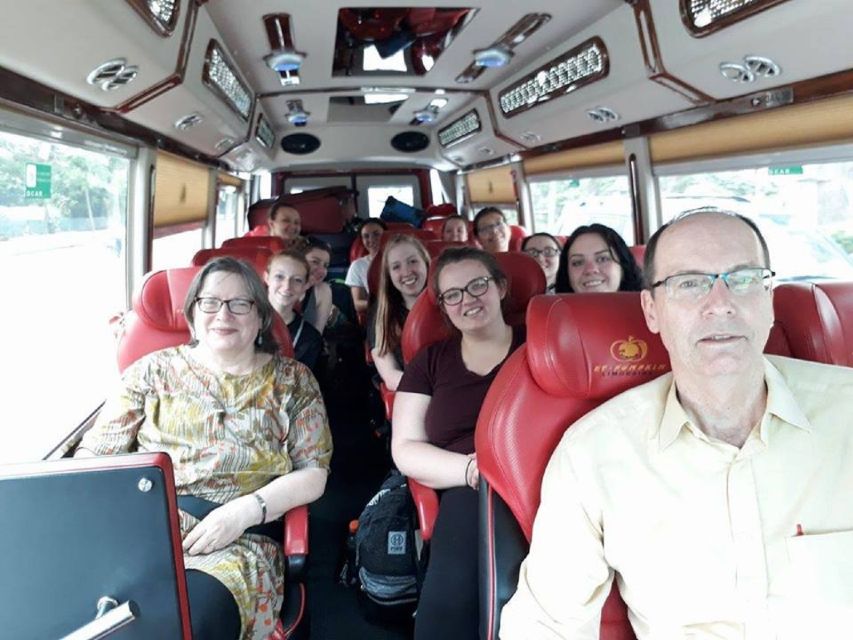
- Luxury limousine transfer with scheduled pick-up and time blocks so the trip feels organized
- Cat Cat Village first, with an easier downhill intro trail (about 4 km)
- Rice terraces to Lao Chai, then on to Ta Van, plus the less-frequented Y Linh Ho and Ban Ho area
- Village time with minority groups in traditional clothing, plus guided explanations of daily life
- Meals and overnight stays included for two full days of trekking stress-free planning
- Fansipan is optional (tickets/tours aren’t included), so you can choose your level of effort
From Hanoi to Sapa: the limousine day that sets your whole pace
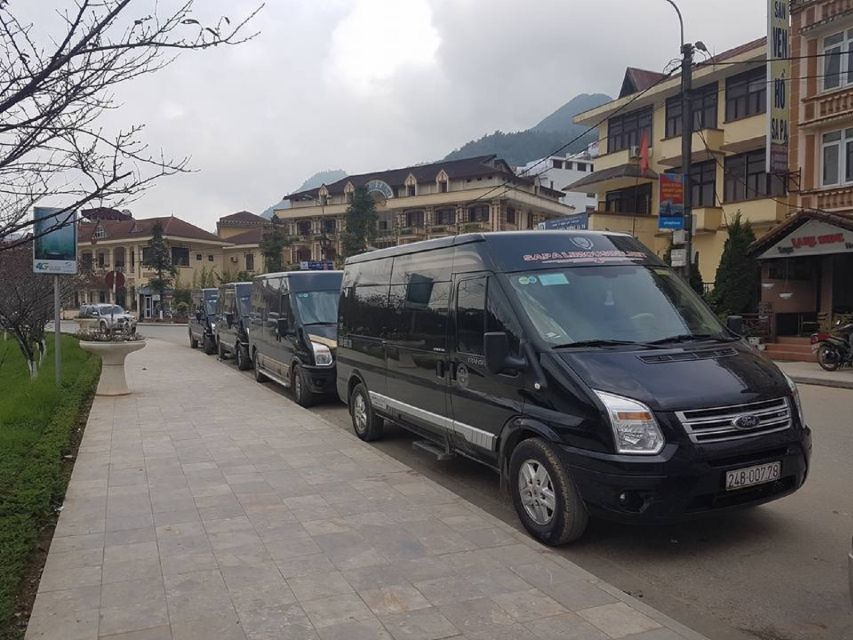
This tour starts in Hanoi with pickup available in the Old Quarter, at about 6:45–7:00. The ride is handled by a modern air-conditioned limousine, and you get a couple of scheduled breaks along the way. You’re expected to reach Sapa around 12:30, which matters because it lets you check in and actually do something the same day instead of just arriving at dusk.
The big value here is mental. A long transfer can turn into a headache: late starts, unclear meeting points, and that scramble for snacks. This one gives you a clear timeline, then switches gears quickly into village visits and a guided trek.
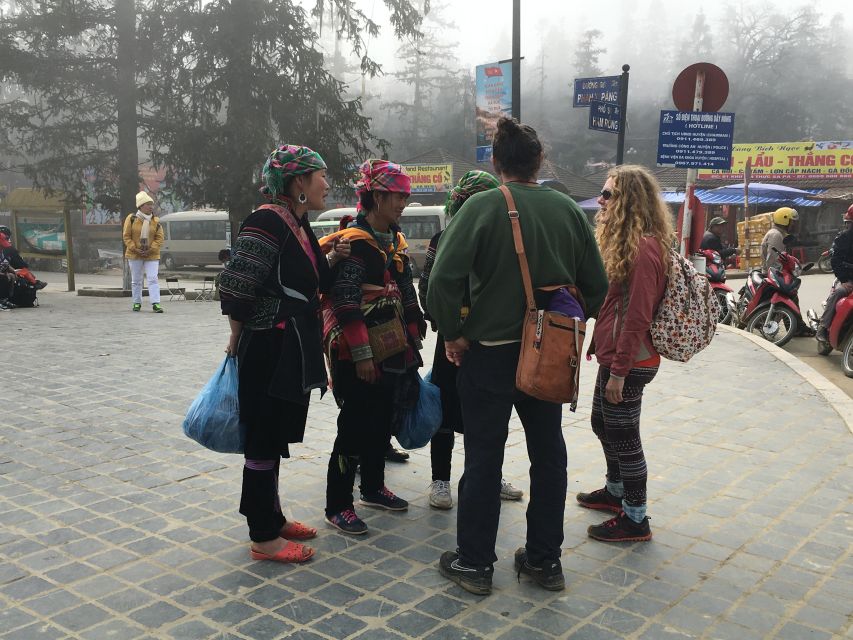
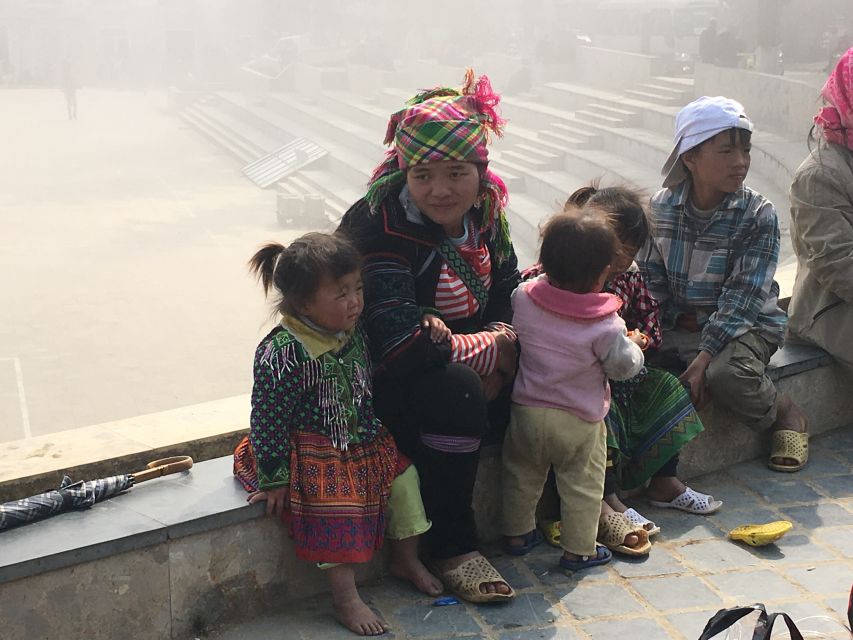
Also, you’ll see people in Sapa dressed in colorful traditional outfits—H’Mong, Dzao, and Tay—right after you arrive. That’s not just scenery. It’s the tour’s way of framing the region: this isn’t a “look, don’t talk” stop. You’re meant to meet community members, see how the day runs, and understand why these villages exist where they do.
You can also read our reviews of more tours and experiences in Hanoi.


Day 1 in Sapa: Cat Cat Village and an easy downhill start
After lunch and check-in, the first trek begins at 14:30 with a trip to Cat Cat Village. This village sits at the foot of Mount Fansipan, and it’s associated with the Black H’Mong community. Your guide helps you connect the setting to local daily life, then you trek down to the valley.
This is your “warm-up with views” day:
- About 2 hours
- Roughly 4 km (2.3 miles)
- Largely downhill, which feels easy at first—until you realize your legs will still work
Cat Cat is also a good place to get your bearings. You learn the rhythm of the route, how to walk on uneven ground, and what “hill tribe village time” feels like: slower than a city pace, more focused on conversation than on check-the-box sightseeing.
Then you’re done. There’s no dinner program built in. You’ll head back to Sapa for your own evening, and that freedom is a smart move. It gives you time to grab something warm, look over your next-day plan, and figure out what Sapa does best besides trekking.
What to consider: if you arrive tired or are sensitive to cold weather, bring warm layers early. Sapa’s altitude is no joke, and you don’t want to spend Day 1 shivering through a guided walk.
Day 2: the 12–15 km trekking day and the villages that feel more real
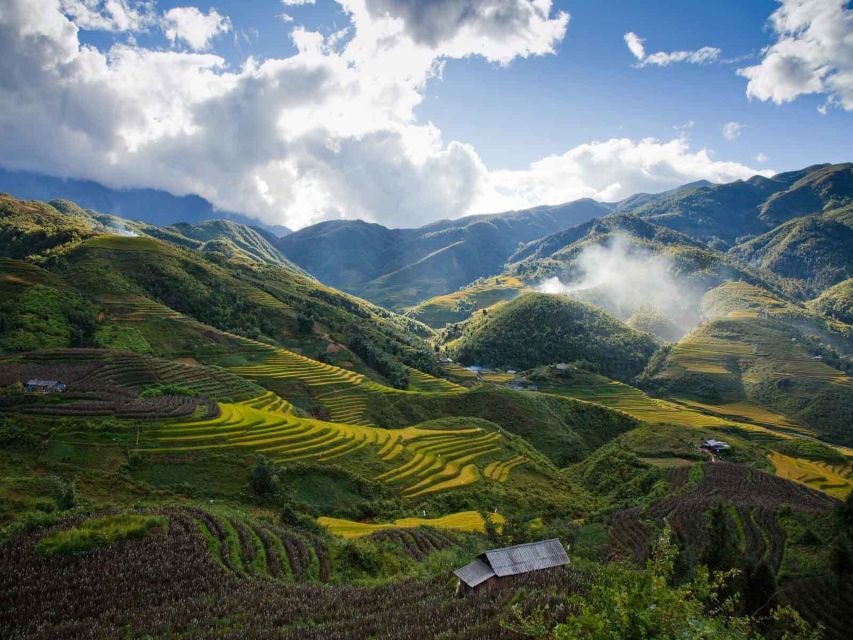
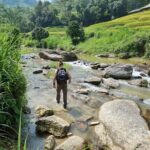
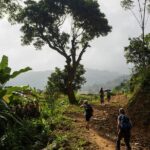
Day 2 is the hard day. After breakfast, you’ll set out for a challenging trek totaling 12–15 km, with multiple village stops. This is where the tour shifts from “intro” to “real walking.”
The route is built like a story:
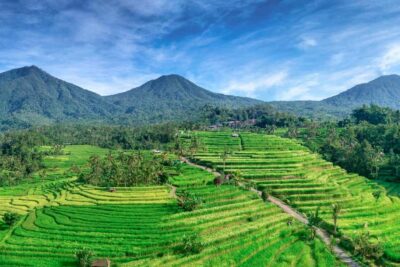
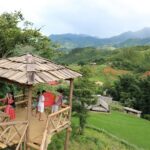
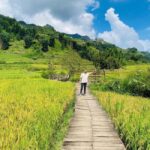
- First 5 km along rice terraces to Lao Chai
Lao Chai is home to the Black H’Mong community.
- Then trekking to Ta Van
Ta Van is associated with the Dzao (Red Dzao) ethnic minority.
- Then the remote-feeling section: Y Linh Ho and Ban Ho Village
This part is specifically positioned as the area that brings you closer to everyday hill tribe life, with fewer tourists in the mix.
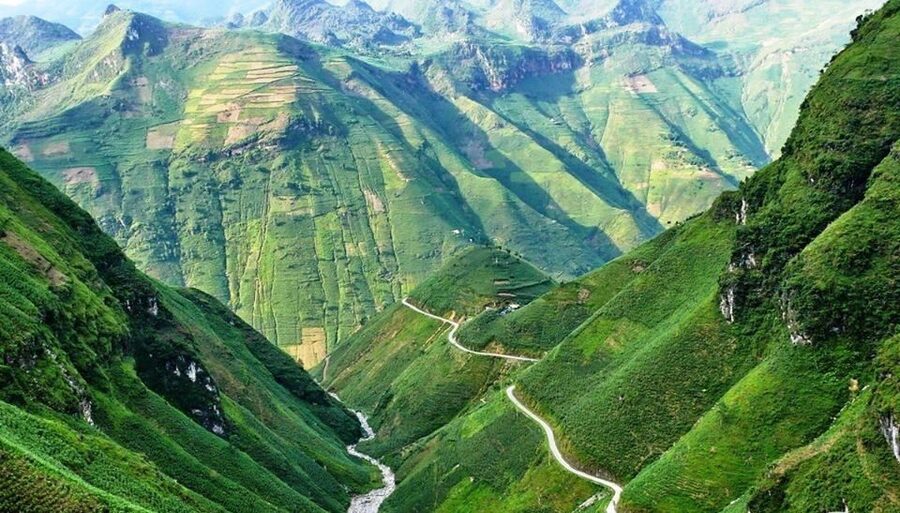
This mix is the real appeal. You don’t only see one village scene. You move through fields, paths, and settlements so you get a sense of how the communities connect to farming and the hillside geography.
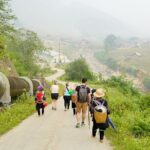
How the guide quality matters: on a trek day like this, someone has to pace you, explain what you’re seeing, and keep everyone together safely. The reviews you’re likely to care about highlight strong English-speaking guidance. You’ll also notice that when the guide is good, the villages stop feeling like photo stops and start feeling like places with people behind them.
What to consider: 12–15 km is a lot, especially on trails that don’t look like treadmill terrain. The tour also warns that trekking can be challenging in rainy weather. If there’s rain in the forecast, your best friend is traction: proper trekking shoes, and a willingness to take your time.
And yes, you’ll get back to your hotel in time for evening downtime and another overnight stay. That matters because you’ll need a reset for Day 3.
Day 3: flexible morning in Sapa town, then back to Hanoi
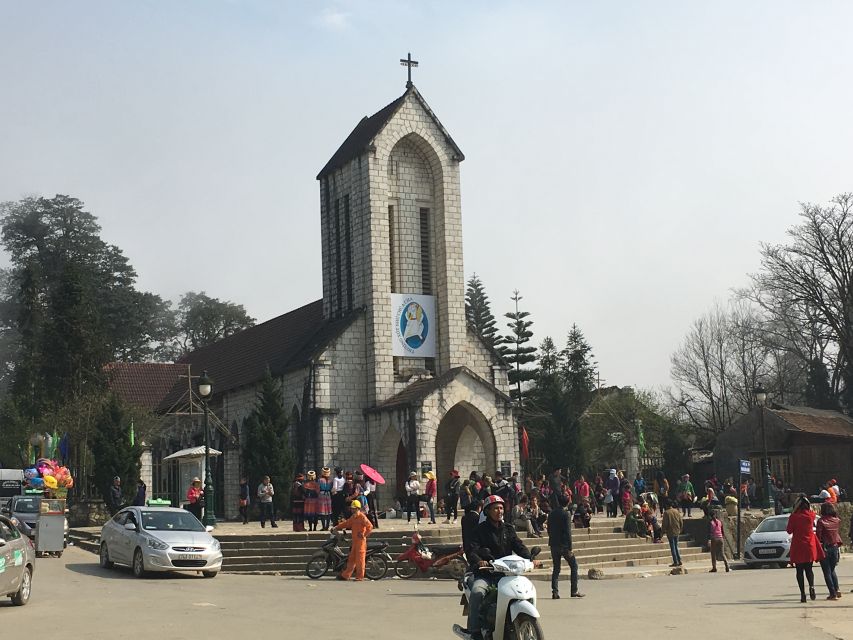
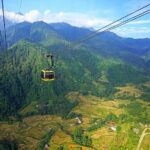
Day 3 is your lighter day. After breakfast, you’re free and easy in the morning to explore Sapa town on your own. If you want the big optional viewpoint, you can visit Fansipan Peak yourself. The tour notes that tickets/tour are not included, so you’d check with the hotel receptionist for help purchasing.
If you’re thinking, Should I do Fansipan or rest?—this is the honest decision point. After two trekking days, a “lazy morning” can be the best plan. Fansipan can add effort, timing, and cold weather exposure. If you’re already feeling cooked, just enjoy town pace, warm drinks, and wandering.
At 11:30, you check out and have lunch. Then the return drive begins at 14:30, with arrival back in Hanoi around 21:00.
That late-evening arrival is normal for this kind of trip. You’ll want to plan your Hanoi evening with minimal commitments. Think of it as: you’ll be tired, but you’ll also be glad you did the trek.
Price and value: $199 that buys you time, organization, and real effort
At $199 per person for a 3-day program, you’re paying for more than transportation. Your cost is spread across:
- Round-trip pickup/drop-off between Hanoi and Sapa
- 2-night stay (hotel or homestay depending on the option)
- A local tour guide for the included trekking and village programming
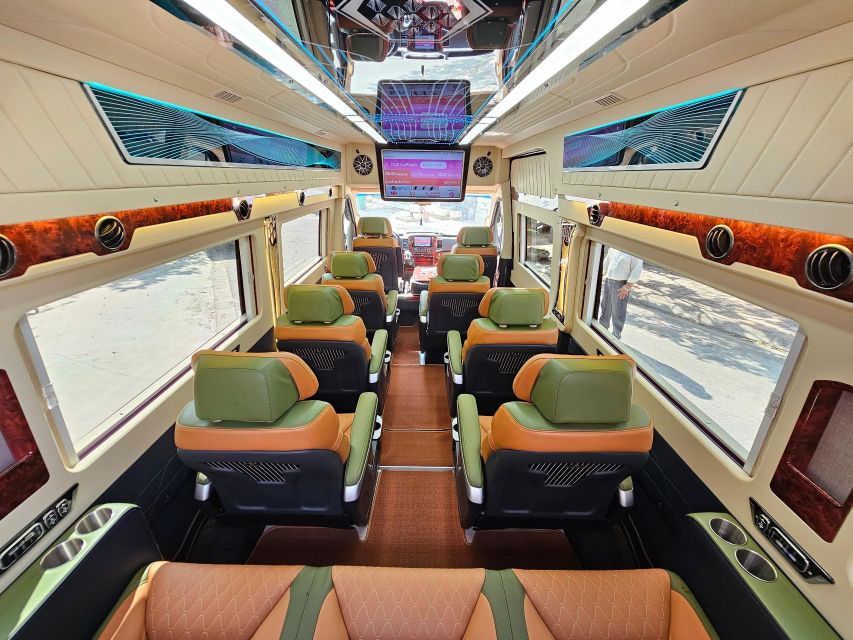
- Modern air-conditioned limousine for the long transfer
- Entry tickets to indicated sites
- 2 breakfasts and 3 lunches
- Scenic drives and meal times built into the schedule
What isn’t included is also part of the value equation:
- Dinner and drinks are on your own
- Fansipan tickets/tour are optional and not included
Here’s how I think about value: if you tried to DIY this, you’d spend time finding a guide, arranging homestay space, negotiating village routes, and trying to match your transport timing. This tour does that work for you, so you can focus on the walking and the village encounters.
Best fit for the price: you want a structured trek with meals and logistics handled, but you still want some personal freedom for evenings and Day 3 morning.


Where the homestay and basic amenities really matter
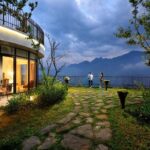
The tour includes 2 nights at either a hotel or homestay depending on your selected option. The homestay option is described as offering only the most basic amenities.
That doesn’t automatically mean it’s uncomfortable—it just means you should adjust your expectations. If you’re someone who needs very consistent comfort, the homestay route might feel like a downgrade. If you’re flexible and you like meeting people in their daily space, basic amenities are often part of the authenticity.
Either way, this is still a trek-focused experience, not a spa weekend. Pack with that mindset.
What to pack so Sapa doesn’t ruin your day

The tour gives clear packing advice, and I’d treat it as non-negotiable for comfort and safety:
- Passport or ID card
- Comfortable shoes (and bring actual trekking shoes if you have them)
- Sunglasses and sun hat
- Sunscreen and insect repellent
- Trekking-ready layers: in Sapa, weather is unpredictable
- Warm clothes like a scarf, hat, and cap
- Any special medication you need
Important seasonal note: the tour says it’s normally cold in the altitude months including September through March, and sometimes foggy in December through March. If your trip falls in the cool season, assume mornings and evenings can feel biting even if daytime looks pleasant.
Also bring Vietnamese Dong, because the banking system in Sapa can be unpredictable. US dollars, euros, and Australian dollars are accepted too.
Who should book this trek (and who should skip it)
This is best for you if:
- You want a guided trek with village visits instead of just viewpoints
- You can handle long walking days (especially Day 2)
- You’re comfortable with cold and changing conditions
- You like structured logistics plus a little freedom for meals and town time
You might want to skip it if:
- You have mobility difficulties (the tour says it’s not suitable)
- You’re traveling with children under 6
- You don’t want a tough walking day, especially if rain is likely
And one more practical note: smoking is not allowed, and pets aren’t allowed.
Should you book the 3-day Sapa trek with limousine transfer?
I’d recommend booking if you want a single, organized package that gets you from Hanoi to Sapa efficiently, keeps your trekking days guided, and delivers multiple village settings in a short time. The mix of Cat Cat plus the tougher Day 2 route through Lao Chai, Ta Van, Y Linh Ho, and Ban Ho is a strong way to see more than one version of Sapa.
Skip it if you’re seeking an easy sightseeing stroll, or if you know you’ll struggle with 12–15 km hiking and cold rainy conditions. In those cases, your energy will be the limiting factor, not the views.
FAQ
What time do you get picked up in Hanoi?
Pickup is available in the Old Quarter of Hanoi between 6:45 and 7:00.
How long is the transfer from Hanoi to Sapa?
The limousine transfer time is listed as about 5.5 hours, and you arrive in Sapa around 12:30.
What’s included in the price besides transportation?
The tour includes pickup and drop-off, 2-night stay, limousine transport, a local guide, entry tickets to indicated sites, plus 2 breakfasts and 3 lunches.
Are dinners included?
No. Dinner and drinks are not included.
How much trekking do you do on Day 1?
Day 1 includes an easy trek to Cat Cat Village that takes about 2 hours and covers about 4 km.
What distance is the challenging trek on Day 2?
Day 2 trekking totals about 12–15 kilometers, with a 5 km section along rice terraces to Lao Chai, then additional walking to other villages.
Is Fansipan Peak included?
Fansipan Peak is optional. Fansipan tickets and tour are not included, and you can purchase them during your free time or get help from the hotel receptionist.
What kind of accommodations do you stay in?
You get 2 nights in a hotel or homestay, depending on the option selected. The homestay has only basic amenities.
Is the tour suitable for people with mobility issues?
No. The tour is not suitable for individuals with mobility difficulties, and it’s also not suitable for children under 6.