REVIEW · KATHMANDU
Everest Three (High) Passes Trekking
Book on Viator →Operated by Three Jewels Adventures · Bookable on Viator
One of the best ways to see Everest is the hard way. This trek is built for hikers who want adventure across high passes plus real Khumbu culture, not just a quick look at big peaks. You’ll combine a short flight, sustained trekking, and the payoff of panoramic Everest-area views with time among Sherpa communities.
I like that the trip is guided by a local team that’s been running treks in this region for years, so it feels controlled even when the altitude and trails get serious. I also love the way guides are described as supportive and flexible; in one experience, Lok was praised for adjusting the hike based on how people were doing. The one drawback to take seriously: this is a physically demanding, extended high-altitude trek, so you need strong fitness and good acclimatization discipline.
In This Review
- Key things I’d bet on before you book
- Why Everest Three feels like an adventure, not a checklist trek
- The $2,500 price tag: what you’re really paying for
- Kathmandu logistics: pickup, the 6:15 am airport meet, and why it matters
- What you can expect each phase: flight, trekking rhythm, and high-pass days
- The short flight: getting into the trekking zone
- The trekking build-up: earning altitude gradually
- The high passes: the main challenge, still non-technical
- The return: finishing strong instead of fading
- Sherpa culture in the Khumbu: why it changes the feel of Everest
- High-pass trekking without technical climbing: how to think about the skills
- Guides and service: Three Jewels Adventures and the team names people remember
- The best part of the payoff: Everest views plus Khumbu scale
- Who this trek fits best (and who should think twice)
- Practical training and packing mindset (so the passes feel doable)
- Booking questions I’d ask before you commit
- Should you book Everest Three (High) Passes Trekking)?
- FAQ
- How long is the Everest Three (High) Passes Trekking experience?
- Where does the trek start in Kathmandu?
- What time does the experience start?
- Is this a private tour?
- Do I need technical climbing skills for the high passes?
- How much does it cost?
- What happens if weather is poor?
- What fitness level should I have?
Key things I’d bet on before you book
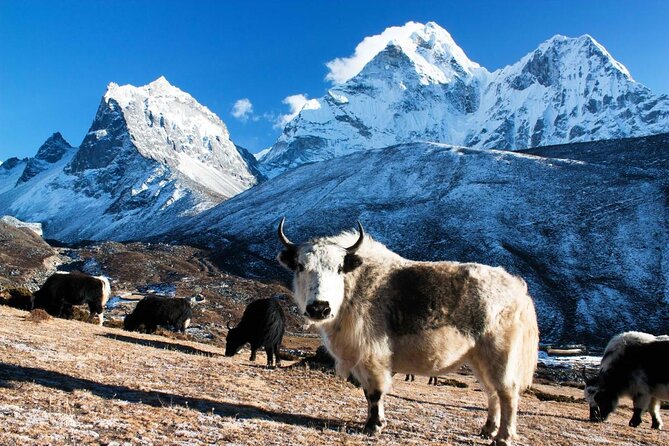
- Three passes energy, without technical climbing: no special climbing skills required, but expect steep, altitude-heavy effort.
- Everest + Khumbu culture, not just a summit view: Sherpa life and the wider Himalayan region are part of the point.
- Early start from Kathmandu: meeting begins at Tribhuvan International Airport at 6:15 am.
- Private group experience: it’s only your group, so you can move at the pace the guide sets.
- Local guide support with real flexibility: guides like Lok (as one review noted) can adjust the hike to conditions.
- Weather matters: the operator flags that the trek requires good weather, and plans change if conditions are poor.
Why Everest Three feels like an adventure, not a checklist trek
The Everest Three (High) Passes trek is interesting because it takes you past the usual Everest routine. Instead of treating Everest like a single destination photo, this route turns your journey into a sequence of demanding days and high-altitude moments that reshape how you see the mountains.
You get the classic Everest region reward—big views, cold-air clarity, and the feeling that the sky is closer than it should be. But you also get something more practical and human: Sherpa culture is built into the experience, not added on as a side stop. That cultural thread is part of why many hikers call this kind of trek a lifetime trip.
The other detail that matters: the description is very clear that this doesn’t require technical climbing knowledge. That’s a big distinction for many people. You still earn the challenge, but it’s about hiking strength, sure footing, and altitude management—not ropes, ladders, or advanced rock skills.
You can also read our reviews of more tours and experiences in Kathmandu.
The $2,500 price tag: what you’re really paying for
At $2,500 per person for about 17 days, this isn’t a budget trek. But it also isn’t a vague “we’ll take you there” offer. You’re paying for a guided, high-altitude logistics chain in one of the world’s most complex trekking regions.
Here’s what the price seems to cover in real terms, based on the way the trek is presented:
- Professional local guidance built on decades of experience in the Everest area.
- A safety-minded approach for a trek involving high passes and sustained trekking.
- Private group attention, meaning the experience is tailored to your group rather than mixed crowds.
- Support around the start of the trek, including pickup being offered and a clear meeting point at the airport.
Is it expensive? Yes. But for a multi-day trek in the Everest region, where altitude and weather can make or break the plan, price often reflects risk management and dependable local operations. If you’re the type who wants Everest, but also wants things to run smoothly so you can focus on hiking and acclimatizing, this cost can start to make sense fast.
Kathmandu logistics: pickup, the 6:15 am airport meet, and why it matters
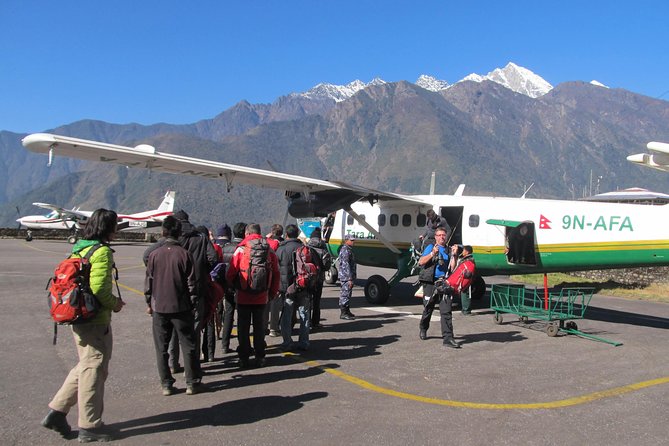
Your journey starts in Kathmandu with the meeting point at Tribhuvan International Airport, on Ring Rd, Kathmandu. The start time listed is 6:15 am, and the activity ends back at the meeting point.
That early timing isn’t just an administrative detail—it affects your whole trip. When an itinerary is built on a morning start, you’re usually protecting your day for travel and hiking rhythm. It also means you’ll want to sleep well in Kathmandu the night before. If you arrive late, you don’t just lose comfort—you risk throwing off your first day tempo.
You may also get pickup offered, which can be a real advantage if your first Kathmandu day needs to be simple and low-stress. And you’ll receive a mobile ticket, which usually helps keep check-in straightforward.
This is a private tour/activity, so only your group participates. That can matter when you’re dealing with altitude. A smaller group is often easier for the guide to manage, and it can make pacing feel less chaotic.
What you can expect each phase: flight, trekking rhythm, and high-pass days
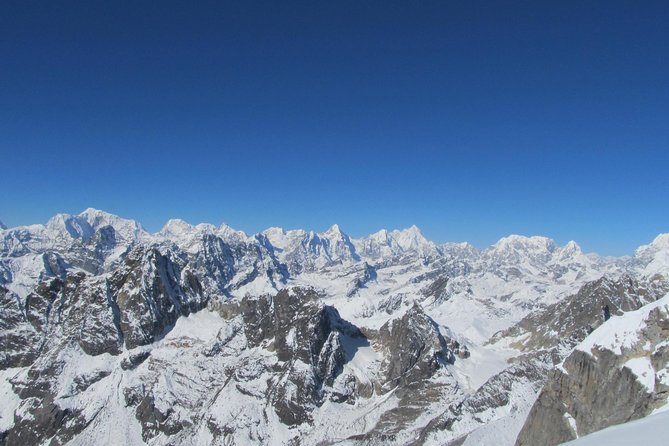
The trek description lays out the core actions in plain language: a short flight, hiking, trekking, and crossing high passes. Even without a super-detailed day-by-day listing here, you can still plan mentally for the rhythm of the experience.
The short flight: getting into the trekking zone
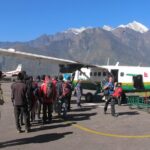
That brief flight is important because it compresses travel time. Instead of spending days getting into the Himalayas, you jump directly to the trekking world. For many people, that means you’ll feel the adventure sooner and waste less energy on transit.
The trekking build-up: earning altitude gradually
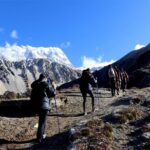
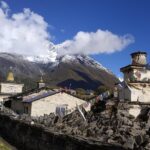
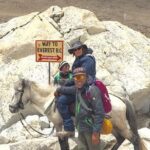
After the flight, the trip shifts into sustained hiking and trekking through the Khumbu Himalayan region. This is where your legs learn the routine: steady effort, frequent small breaks, and careful movement on uneven ground. It’s also where acclimatization discipline starts to pay off.
Even when the scenery is spectacular, your best move is to hike smart, not fast. That’s how you keep the high passes feeling like a goal instead of a punishment.
The high passes: the main challenge, still non-technical
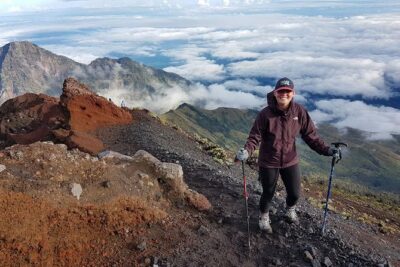
Crossing high passes is the headline. This is where you’ll feel the altitude most strongly and where weather becomes a bigger factor. Even though you don’t need technical climbing knowledge, you will still deal with steep sections, long exposed stretches, and the mental challenge of making cautious choices when you’re breathing hard.
Your guide’s job here isn’t to rush you. It’s to keep you safe, paced, and moving with awareness of conditions.
The return: finishing strong instead of fading
High-pass treks are sometimes hardest on the back half because legs get tired and altitude lingers in your system. The return journey is when you’ll want your pacing habits from earlier to hold steady. If you’ve trained well and acclimatized smartly, the return often feels more like relief and reflection than another grind.
Sherpa culture in the Khumbu: why it changes the feel of Everest
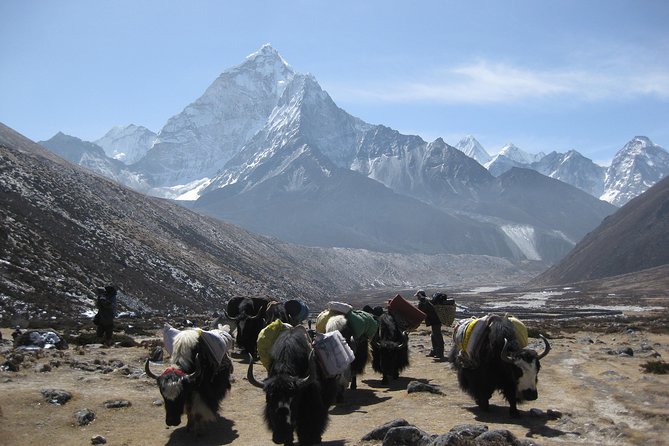
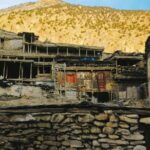
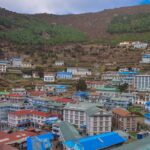
One reason this trek stands out is that it doesn’t frame Everest as a remote object. It brings you into the living human geography of the Khumbu and the ethnic Sherpa communities who have shaped travel, survival, and trade here for generations.
In practice, this means you’re not just moving through empty mountain space. You’re walking through a region with language, hospitality, and a rhythm of life adapted to altitude. That’s where the trek becomes more than scenery and becomes a place you understand a little.
I’d also point out something useful for your mindset: cultural experiences land best when you’re not treating them like museum stops. When you’re tired, cold, and moving slowly, you’ll naturally slow down with people too. That’s often when real conversations happen.
High-pass trekking without technical climbing: how to think about the skills
The description is clear that you don’t need technical climbing knowledge. That’s good news if you’re a solid hiker but not a mountaineer.
Still, don’t misread this as easy. Crossing high passes is about physical readiness and good decision-making:
- You need balance on uneven surfaces.
- You need stamina for long days at altitude.
- You need self-control to avoid going too fast.
- You need to listen to your guide when conditions shift.
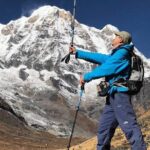
In one trek experience, Lok was praised for support and for adjusting the hike based on circumstances. That kind of flexibility is what keeps a non-technical trek from turning into a stress spiral. Your guide can change pace, timing, and approach so you keep moving toward the pass safely.
If you’re nervous, that’s normal. The trick is to prepare enough that nerves don’t turn into panic.
Guides and service: Three Jewels Adventures and the team names people remember
This is where the reviews feel especially consistent: people remember the guides. The trek is run by Three Jewels Adventures, and the description emphasizes safe, satisfying, reasonably priced treks with professional local Nepali guide staff.
Specific guide names show up in the experiences shared:
- Amber is mentioned as part of the support even before the trek, with smooth communication.
- Suman is noted for perfect reception when arriving.
- Lok is called out as amazing and supportive on the hike, with helpful flexibility.
- Sashi is described as a standout presence during the trek.
That matters because high-altitude trekking is not just a route. It’s a relationship between you and the person managing risk, pacing, and morale.
The best sign is how people describe support, not just views. When a guide helps you keep moving without forcing you beyond safe limits, the trek becomes enjoyable—even when it’s hard.
The best part of the payoff: Everest views plus Khumbu scale
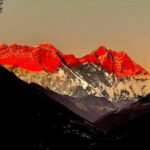
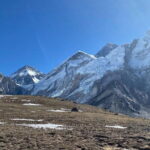
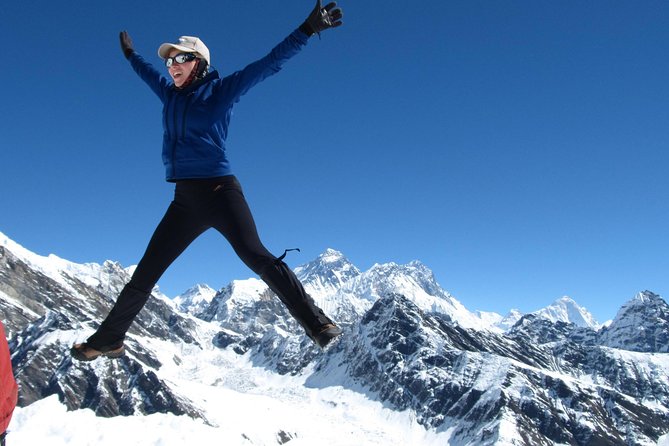
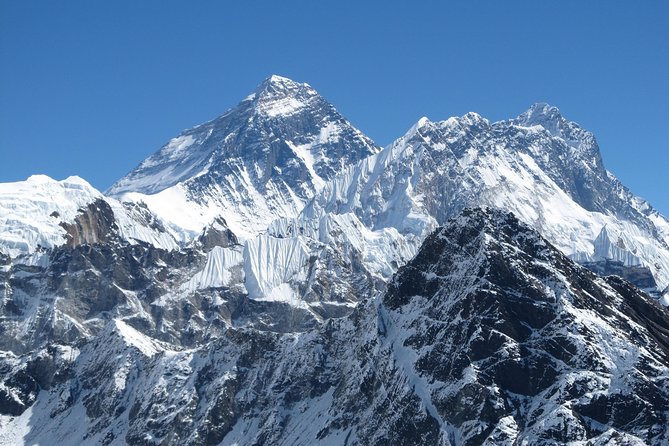
If Everest is on your bucket list, you’ll understand why people come here even after they suffer a little. High passes give you a different angle on the region than lower viewpoints do. The world feels larger. Peaks feel sharper. Distances look honest.
But the payoff isn’t only Everest. The trip is designed to show you the Khumbu Himalayan Region too—meaning you get that sense of mountain geography as a whole system, not a single dramatic peak.
And because Sherpa culture is part of the journey, the view becomes part of a broader story: you’re watching the mountains while walking through a region that lives with them.
Who this trek fits best (and who should think twice)
This trek is best for experienced hikers or people who have trained seriously and understand what altitude does to effort.
You should strongly consider it if:
- You’re comfortable with physically challenging hiking.
- You can commit to a multi-day routine with long climbs and high-altitude fatigue.
- You want Everest views but also want culture and a more adventurous route.
- You value professional local guidance and group pacing.
You might want to think carefully if:
- High altitude is a big unknown for you and you don’t have strong conditioning.
- You’re expecting a relaxed sightseeing stroll.
- You’re not confident you can follow pacing rules and acclimatization habits.
One review also described the trek as a serious undertaking with an extended period at high altitude. That’s a helpful reality check. If you treat this like a fitness challenge, it’s manageable. If you treat it like casual travel, it will feel punishing.
Practical training and packing mindset (so the passes feel doable)
You don’t need technical climbing gear for this trek, but you still need gear and habits that make long days safer and more comfortable. Since the trek requires strong physical fitness, your training should focus on endurance and leg strength, not speed.
A few practical principles that always help on high-pass hikes:
- Plan for gradual effort: consistent pace beats bursts.
- Practice hiking with a loaded pack if you can.
- Build comfort with cold and changing weather, since high passes and altitude bring surprises.
- Keep an eye on hydration and energy intake.
And mentally, treat high passes like scheduled work you can handle. Your goal isn’t to prove toughness. Your goal is to arrive safely, steady, and present enough to enjoy what you came for.
Booking questions I’d ask before you commit
Before you book, I’d verify what your group will look like and how your guide intends to handle weather. The trek requires good weather, and if it’s canceled due to poor conditions, you should expect either a different date or a full refund.
I’d also ask yourself whether you want a private, guide-led experience. Since it’s private and only your group participates, the trek can feel more personal and less crowded, which matters when you’re tired and altitude is doing its thing.
Finally, because confirmation is received at time of booking and you’ll have a mobile ticket, you’ll likely have a smoother start process than trips with unclear paperwork.
Should you book Everest Three (High) Passes Trekking)?
If you want Everest, but you also want a trek with real challenge, Sherpa culture, and professional support, this is a strong fit. The biggest reasons I’d say yes are the combination of high-pass adventure with a clear promise that you don’t need technical climbing skills, plus guidance that’s repeatedly described as supportive and flexible.
Book this if you’re willing to do the training and respect altitude. Don’t book it if you want an easy vacation-style itinerary or you’re not prepared for the physical demands of an extended high-altitude trek.
If you’re reading this and thinking, I can hike, I can pace, and I want a real Everest journey—then you’re probably exactly the kind of person this trek was made for.
FAQ
How long is the Everest Three (High) Passes Trekking experience?
It’s listed as 17 days approximately.
Where does the trek start in Kathmandu?
The meeting point is Tribhuvan International Airport, Ring Rd, Kathmandu 44600, Nepal.
What time does the experience start?
The start time is 6:15 am.
Is this a private tour?
Yes. This is private, and only your group will participate.
Do I need technical climbing skills for the high passes?
No. The trek description says it does not require technical climbing knowledge.
How much does it cost?
The price is listed as $2,500.00 per person.
What happens if weather is poor?
The experience requires good weather. If it’s canceled due to poor weather, you’ll be offered a different date or a full refund.
What fitness level should I have?
The trek notes that you should have a strong physical fitness level due to the challenging high-altitude trekking.