REVIEW · KATHMANDU
Everest Base Camp Trek from Salleri (Overland)
Book on Viator →Operated by Mount Mania Treks Expedition P. Ltd. · Bookable on Viator
Jeep to Salleri makes Everest feel closer. This Jeep-to-Salleri route keeps the trek more grounded and human, and it pairs that with a government-licensed trek leader who stays focused on pace and safety. I love the down-to-earth approach of skipping the usual flight step and getting into the Everest region by land first, and I also love the way the guide experience can feel personal, with names like Rupak and Binod and Ballaram showing up in the kind of support people remember. One possible drawback: you still climb to serious altitudes on a schedule packed with long trekking days, so this is not a low-effort walk.
You’ll be trekking through a less-touristy slice of the Everest area, with the added bonus of seeing rivers, forest pockets, and hillside views at a closer, slower pace than the classic routes. The overland day from Kathmandu to Salleri is long (think 8–9 hours), and the later acclimatization hikes are real work, not just strolls.
If you want Everest Base Camp but you prefer a more adventurous, road-and-trail story, this 17-day plan is a strong fit. It also runs with a private-group setup (up to 15 people), so you’re not stuck in a chaotic herd for every bend in the trail.
In This Review
- Key things that make this trek special
- Why Salleri (and the jeep start) changes the whole feel
- The full route, day by day, in plain language
- Day 1: Kathmandu arrival and an easy first night
- Day 2: Kathmandu to Salleri (8–9 hours, 2309m)
- Day 3: Salleri to Nunthala (about 2190m, 5–6 hours)
- Day 4: Nunthala to Puiyan (about 2300m, 6–7 hours)
- Day 5: Puiyan to Phakding (2652m, 6–7 hours)
- Day 6: Phakding to Namche Bazzar (3440m, 6–7 hours)
- Day 7: Day hike around Namche (acclimatization style)
- Day 8: Namche to Tengboche (3880m, 4–5 hours)
- Day 9: Tengboche to Dingboche (4410m, 6–7 hours)
- Day 10: Acclimatization hike to Nagarjun hill (5080m, 4–5 hours)
- Day 11: Dingboche to Lobuche (4930m, 4–5 hours)
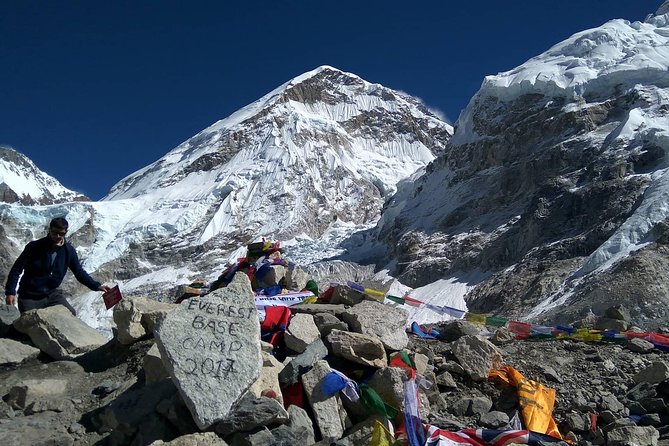
- Day 12: Everest Base Camp and back toward Gorakshep area (5364m and 5180m, 7–8 hours)
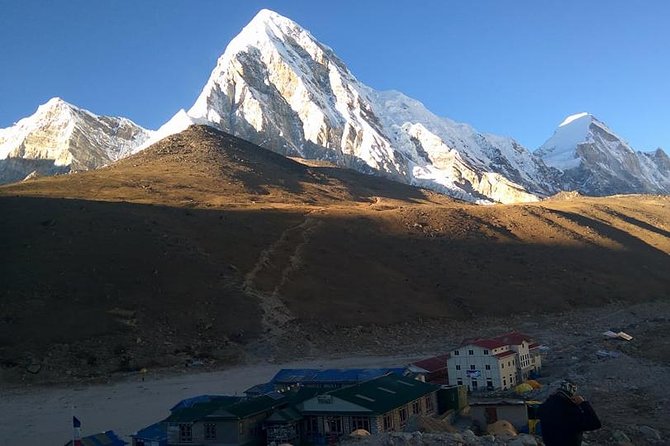
- Day 13: Early climb to Kalapather (5545m), then back to Pheriche (4200m, 7–8 hours)
- Day 14: Pheriche to Namche (3440m, 6–7 hours)
- Day 15: Namche to Lukla (2860m, 6–7 hours)
- Day 16: Flight Lukla to Kathmandu (about 35 minutes), then transfer onward
- Day 17: Final departure from Kathmandu to TIA
- Price and value: what $1,500 per group really buys
- The human part: guides, pacing, and that remembered warmth
- Accommodation and meals: where the comfort math helps
- Getting to and from Lukla: the quiet logistics win
- Altitude reality check: what to expect on the hardest days
- Who this trek fits best (and who should think twice)
- Quick practical notes before you go
- Should you book this Everest Base Camp from Salleri trek?
- FAQ
- How long is the Everest Base Camp trek from Salleri?
- Where does the trek start and what is the altitude on day one?
- What is the highest altitude on this trek?
- Is accommodation included during the trek?
- Are meals included?
- Does the price include the Lukla to Kathmandu flight?
- Is porter service included?
- What fitness level do I need?
- Is the trek private?
Key things that make this trek special
- Overland access to Salleri instead of only relying on flights, so your Everest trip starts on the ground.
- Experienced, English-speaking trek leadership with an emphasis on pacing and support.
- Teahouse trekking with full meals during the trek days, which makes planning simpler.
- Smart altitude rhythm built in, including a dedicated acclimatization day.
- Big highlight days: Everest Base Camp, then the early-morning Kalapathar push.
- Private ground transfers + Lukla flight included, so logistics do less of the thinking for you.
Why Salleri (and the jeep start) changes the whole feel
Most Everest plans start with a quick flight and a big jump into trekking mode. This one flips that. You drive from Kathmandu to Salleri first, so the trip has momentum from day one, and you gradually “arrive” in the mountains instead of dropping into them all at once.
I like that this approach keeps you closer to everyday Nepal life, at least in the way the route unfolds. The description also leans into the idea of an untouched or less-touristic section, which matters if you dislike feeling like you’re walking through the same photo line as everyone else.
The practical downside is also obvious: an 8–9-hour drive on day two is not a “sit back and snack” day. If you’re prone to motion sickness or you need your comfort to be perfect, plan for that mindset early.
You can also read our reviews of more tours and experiences in Kathmandu.



The full route, day by day, in plain language
Here’s what the schedule looks like, and what each part is really doing for you.
Day 1: Kathmandu arrival and an easy first night
You land in Kathmandu and get a private vehicle transfer to your booked hotel. It’s a comfort-first start: you’re not trekking on arrival day, and you get breakfast included.
This is a good setup for jet lag and for letting your body settle. Kathmandu altitude is still higher than sea level, but it’s not the altitude hammer you’ll feel later.
Day 2: Kathmandu to Salleri (8–9 hours, 2309m)
You travel by private vehicle from Kathmandu (about 1,320m) up to Salleri (about 2,309m). It’s a long day, but it’s a big “gear shift” day too: you go from city time to mountain time.
Once you’re up at Salleri, your trek starts with you already acclimating a little from the trip itself.
Day 3: Salleri to Nunthala (about 2190m, 5–6 hours)
You begin hiking with a route that’s described as hillside, river, forest, and closer scenery. That combination is your first real taste of what makes this trek feel less processed.
This is a day to find your rhythm. You’ll want steady breathing and consistent steps, because the later days stack up.




Day 4: Nunthala to Puiyan (about 2300m, 6–7 hours)
Another hiking day in the same general elevation band. This is useful because it keeps you moving without throwing you too high too fast.
If you’re new to trekking, these mid-level days are where you learn how to manage your energy—how often you stop, what you drink, and how your legs feel when the terrain gets tiring.
Day 5: Puiyan to Phakding (2652m, 6–7 hours)
You climb higher. The itinerary then brings you toward the thicker Everest trekking corridor, where trails are busier in general—but the early section still has a more offbeat start.
Expect more altitude pressure now. Not panic pressure, just the kind that makes you sip water more often and stop faster than you planned.
Day 6: Phakding to Namche Bazzar (3440m, 6–7 hours)
Namche is a major elevation milestone (3,440m). Even before you picture it, your body will feel it. This day matters because it’s one of your first big upward jumps.
You’ll likely appreciate the walking structure: steady, guided steps instead of wandering. Trekking at altitude is less about hero moments and more about consistency.
Day 7: Day hike around Namche (acclimatization style)
Instead of trekking far, you take a day hike nearby. This kind of day is often the secret sauce for feeling better later.
Use it to get your legs moving and your breathing adjusted. Don’t treat it like a race day; treat it like practice.
Day 8: Namche to Tengboche (3880m, 4–5 hours)
You continue climbing (to about 3,880m). The day is shorter than some others, which gives you recovery without losing progress.
At this stage, what you’re really “earning” is the ability to trek comfortably at higher altitude without feeling smashed.
Day 9: Tengboche to Dingboche (4410m, 6–7 hours)
Dingboche sits high (around 4,410m). This is where you start paying close attention to how you sleep, how you eat, and how your head feels.
A guide makes a difference here—not by magic, but by keeping you on the right pace and reminding you that slow is still moving.
Day 10: Acclimatization hike to Nagarjun hill (5080m, 4–5 hours)
This is the itinerary’s dedicated acclimatization day, and it includes hiking up to about 5,080m. That’s a serious hike, even if it’s “just” an acclimatization day.
This day can feel like the turning point. If you do it well—steady pace, frequent breaks, careful breathing—you’re setting yourself up for the higher climb toward Everest Base Camp.
Day 11: Dingboche to Lobuche (4930m, 4–5 hours)
You move again to about 4,930m. By now, your body knows the routine: climb, breathe slower, hydrate, repeat.
This is also the day where you want to keep your comfort basics tight: layered clothing, good socks, and water you can manage.
Day 12: Everest Base Camp and back toward Gorakshep area (5364m and 5180m, 7–8 hours)
This is your headline day: trekking to Everest Base Camp (about 5,364m), then heading back to Gorakshep (around 5,180m). It’s a long, big day even in an itinerary that’s planned well.
The practical trick: save energy for the last push. Don’t spend your strength early because you feel good at first.
Day 13: Early climb to Kalapather (5545m), then back to Pheriche (4200m, 7–8 hours)
You go early to Kalapather (about 5,545m), then trek back down to Pheriche (around 4,200m). This is the kind of day that tests both legs and mood.
Going down helps. You’ll likely feel the benefit of dropping elevation fast, but you’ll still be walking for hours.
Day 14: Pheriche to Namche (3440m, 6–7 hours)
This is a full descent day back to Namche. Descents feel easier on paper, but they can wreck your knees if you don’t use good technique.
Take shorter steps and keep your weight controlled. Your guide will likely remind you to move smart, not fast.
Day 15: Namche to Lukla (2860m, 6–7 hours)
You continue down to Lukla (about 2,860m). This day transitions you from mountain trekking into the flight part of the trip.
By now, you’re not just tired—you’re ready. Keep the pace calm enough to finish strong.
Day 16: Flight Lukla to Kathmandu (about 35 minutes), then transfer onward
You fly back to Kathmandu. It’s quick (about 35 minutes), but it’s still part of the real-world logistics of Everest trekking.
Day 17: Final departure from Kathmandu to TIA
Your journey ends with travel to the airport in Kathmandu (TIA). It’s the last step that keeps the trip from feeling chaotic.
Price and value: what $1,500 per group really buys
The price is listed as $1,500 per group (up to 15). That group cap matters because it suggests you’ll be operating as one coordinated unit, not scattered across a crowd.
What you get for that money is actually practical: private airport transfers in Kathmandu, a 3-star hotel in Kathmandu with breakfast, teahouse accommodation during the trek, and all trek meals (breakfast, lunch, dinner). You also get domestic flight (Lukla to Kathmandu), a trek leader who’s English-speaking and government-licensed, and porter service set at 2 trekkers per 1 porter.
That porter ratio is a big part of the value. Less load on your back can make the difference between arriving focused and arriving wrecked.
What’s not included is also clear: your visa fee, international flights, travel/rescue insurance, and personal expenses (phone, Wi-Fi, laundry, battery charging, extra porter help, and your own water/shower choices). Plus, tips for guide(s) and porter(s) are not included, so you should budget for that.
The human part: guides, pacing, and that remembered warmth
The trekking is the main event, but the guide experience can make or break it. The names Rupak, Binod, and Ballaram come up in the kind of support people remember: calm pacing, feeling treated like more than a transaction, and help that sticks beyond the trail.
Even if you’re comfortable trekking, you’ll feel relieved having an experienced leader who understands altitude rhythm and can handle problems with the day’s plan. In the high country, that kind of guidance is not a nice-to-have.
Also, the tour includes farewell dinners, which sounds small until you’ve been trekking for days and you finally get a proper communal meal.
Accommodation and meals: where the comfort math helps
This trek uses teahouse accommodation, which usually means simple rooms and basic comfort. You’re trading luxury for access and flexibility, and that’s the right trade for most Everest Base Camp trekkers.
Meals are included during the trek days. That’s a big win: you don’t have to hunt for food, and you can focus on eating enough to keep moving. You’ll still want to pay attention to what you eat—altitude punishes poor choices—but included meals reduce decision fatigue.
In Kathmandu, you get a 3-star hotel with breakfast. It’s a straightforward reset before the long road day.
Getting to and from Lukla: the quiet logistics win
This is one of the bigger workflow advantages of the trip. You do land transfer from Kathmandu to Salleri, but you still include the domestic flight from Lukla back to Kathmandu.
So you’re not left juggling multiple transport tickets and timing issues on your own. The itinerary also keeps Kathmandu transfers private, which reduces stress—especially if your trek starts with a long day already.
You’ll want to keep a little flexibility for weather, because high-country travel can be picky. The tour notes it operates in all weather conditions, but in real life the mountains still influence how things feel on a given day.
Altitude reality check: what to expect on the hardest days
This trek goes to Everest Base Camp at about 5,364m, and then to Kalapather at about 5,545m. That’s the kind of altitude where you should respect symptoms and pacing, even if you feel strong.
The schedule includes acclimatization by design: a day around Namche, then a dedicated climb to Nagarjun hill (up to about 5,080m) before the push higher. After reaching Base Camp, there’s a big early morning day to Kalapather, followed by a descent to Pheriche at about 4,200m.
If you’ve never trekked at altitude, you’ll want to prep seriously: cardio, leg strength, and breathing control. The tour recommends moderate physical fitness, but “moderate” here still means you’ll be trekking for hours most days.
Who this trek fits best (and who should think twice)
This is best for you if:
- You want Everest Base Camp with a more adventurous start by overland to Salleri instead of focusing on a flight early in the trip.
- You like having a structured plan with an English-speaking, government-licensed leader.
- You’re comfortable with teahouse-style simplicity and prefer included meals that keep your days organized.
Think twice if:
- You don’t handle long travel days well (that 8–9-hour Kathmandu to Salleri day is real).
- You want a more relaxed trek with minimal altitude exposure.
- You’re sensitive to altitude or you’re not ready for acclimatization hikes to high elevations.
It’s also not recommended for child aged 10 and under, and there’s a minimum of 2 people per booking.
Quick practical notes before you go
The trek operates in all weather conditions, so you’ll need proper clothing and rain planning. Bring layers you can adjust as temperature swings happen.
You’ll also want to remember what’s included versus not included for water, snacks, and daily comfort items. Personal expenses aren’t included, and water/shower/battery choices can add up.
The tour uses a mobile ticket, which is usually convenient—just make sure your phone battery situation is under control each day.
Should you book this Everest Base Camp from Salleri trek?
If you want Everest Base Camp but you’d rather start the story on roads first, this trek is a strong match. The combination of overland access to Salleri, structured acclimatization, teahouse lodging, included meals, and a real trek leader setup makes it feel like a well-run expedition instead of a random checklist.
Don’t book it if you’re chasing an easy vacation. This is a serious trek with long days, high altitudes, and early mornings. But if you’re ready for that mix, you’ll end up with more than a destination. You’ll get a whole Nepal-to-Everest progression, step by step.
FAQ
How long is the Everest Base Camp trek from Salleri?
The trek is listed as 17 days (approximately), including travel in Kathmandu and the return flight from Lukla.
Where does the trek start and what is the altitude on day one?
It starts in Kathmandu, with an arrival and hotel night at about 1,320m.
What is the highest altitude on this trek?
Everest Base Camp is listed at about 5,364m, and the Kalapather climb is listed at about 5,545m.
Is accommodation included during the trek?
Yes. You get teahouse accommodation during the trek, plus a 3-star hotel in Kathmandu with breakfast.
Are meals included?
Yes. Breakfast, lunch, and dinner are included during the trek days, along with farewell dinners.
Does the price include the Lukla to Kathmandu flight?
Yes. The domestic flight (Lukla to Kathmandu) is included.
Is porter service included?
Yes. Porter service is included with a ratio of 2 trekkers to 1 porter.
What fitness level do I need?
The trek notes that travelers should have a moderate physical fitness level.
Is the trek private?
It’s a private tour/activity, and only your group will participate. The group can be up to 15 people.