REVIEW · POKHARA
4 Days Mardi Himal Base Camp Trekking in Pokhara
Book on Viator →Operated by Crystal Holidays Nepal · Bookable on Viator
Mardi Himal is the kind of trek that rewards steady steps. You’ll start in Pokhara, ride to Kande, hike through the rhododendron-rich middle stretches, and end with a satisfying downhill finish toward Siding Village. The route also includes calmer back paths and viewpoint stops that feel quieter than the most famous trails.
What I like most is the guide-led format paired with clear route choices. You get an English-speaking trekking guide, hotel pickup/drop-off, and key logistics handled by the team, which matters a lot when you’re making multiple-days-hike decisions in a foreign country. I also like that the experience is set up for real interaction with local communities, not just line-of-sight photo stops.
One thing to consider: you’re responsible for meals. The tour lists meals as not included (about 3500 NPR per person per day), so you’ll want to budget for that and plan for a cash-ready trek routine.
In This Review
- Key highlights worth knowing before you go
- Mardi Himal Base Camp: what makes this 4-day trek special
- Getting to the trail: Pokhara to Kande by private transport
- Day 1: Kande to Forest Camp via Australian Camp
- Day 2: Forest Camp to High Camp through rhododendron forests
- Day 3: High Camp to Mardi Himal Base Camp, then down to Low Camp
- Day 4: Down to Siding Village and back to Pokhara
- The practical value of the $245 price
- The guide and safety factor for solo hikers
- What you should pack and plan for (without overthinking)
- Who this trek is best for
- Should you book this 4-day Mardi Himal Base Camp trek?
- FAQ
- How long is the Mardi Himal Base Camp trek?
- How much does this trek cost?
- Is hotel pickup and drop-off included?
- Are trekking permits and TIMS included?
- Are meals included in the price?
- Is this trek private or shared with others?
- What fitness level do I need?
Key highlights worth knowing before you go
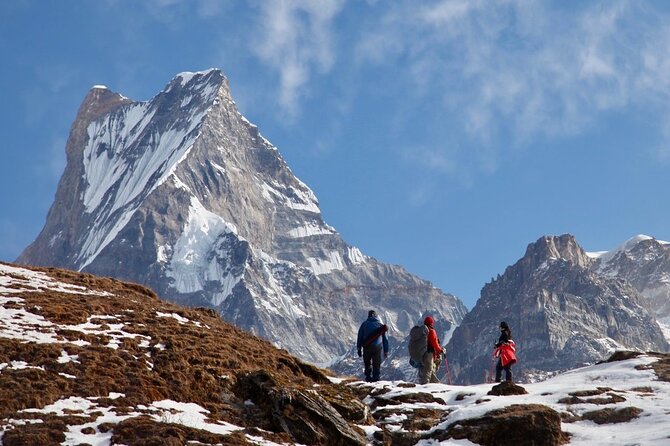
- English-speaking trekking guide for route, safety, and pacing
- Permits included (Trekking permit and TIMS) so you don’t scramble paperwork
- Scenic route selection with quieter paths and extra viewpoint moments
- Rhododendron forests on the way up, plus long view-heavy walking days
- Guesthouse stays that keep you moving without the hassle of daily hotel hunting
- Downhill finale to Siding Village, then a sharing jeep back to Pokhara
Mardi Himal Base Camp: what makes this 4-day trek special
If you want Himalayan scenery without turning the whole trip into a logistics project, this trek is built for you. The pacing is structured over four days, with a clear progression from Kande up through forest and high camps, then over to Mardi Himal Base Camp, and finally down toward the village route back to Pokhara.
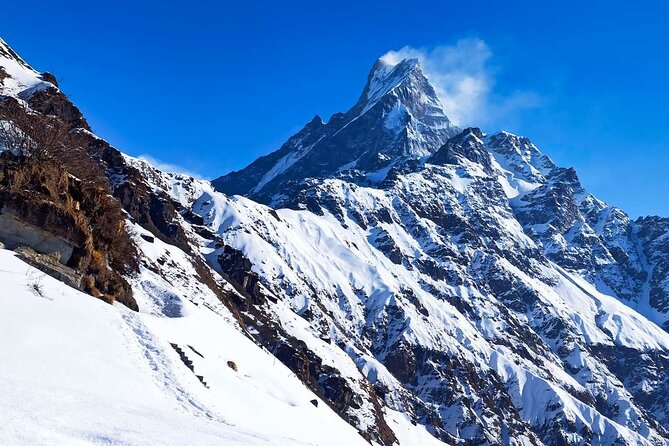
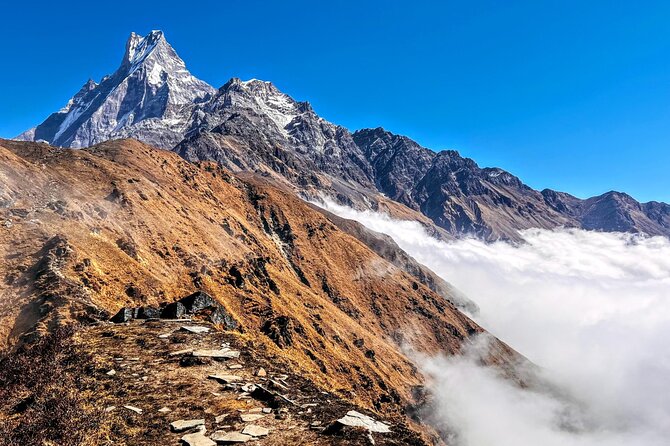
The biggest “feel” of the trek comes from two things. First, you’re not just hiking a straight line to a single destination; you’re moving through named waypoints like Australian Camp, Forest Camp, and High Camp, which helps the whole day-by-day experience feel grounded and real. Second, the operator highlights scenic route selection through hidden paths and viewpoints that larger itineraries sometimes miss.
Now, the trek is still trekking. You should expect long stretches of walking (several hours a day) and changing weather. The good news is that the schedule is practical: start early on the higher days, slow down when needed, and finish with a downhill day that feels like a reward instead of another wall of altitude.
You can also read our reviews of more tours and experiences in Pokhara.
Getting to the trail: Pokhara to Kande by private transport
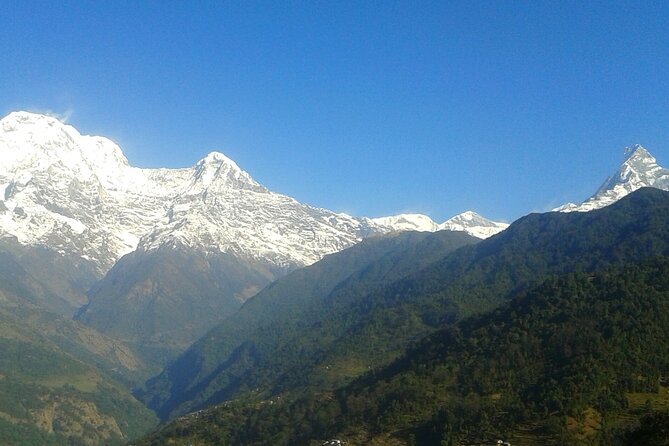
Your day starts with pickup from your hotel in Pokhara. From there, you ride by private car to Kande, which is a smart way to begin—less time figuring out transport, more time getting your legs ready.
This matters because the trek begins at Kande itself. If you’ve ever arrived in a trail town already tired, you know how much that can affect your first hiking day. Here, the transport is part of the package, so you can treat the first day like Day 1, not like “Day 0: travel chaos.”
From Kande, you begin walking past the route landmark Australian Camp and continue toward Forest Camp. This first section is where the trek starts to feel like a circuit: you’re leaving the road behind, gradually trading city sounds for birds and footsteps, and settling into the rhythm your guide sets.
Day 1: Kande to Forest Camp via Australian Camp
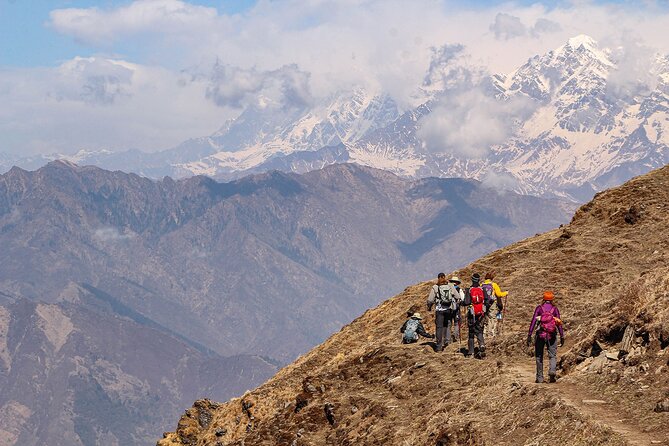
Day 1 is about transition and momentum. The walk runs about six hours, covering Kande → Australian Camp → Forest Camp.
Why this day works:
- You get your first meaningful mountain time without the pressure of an all-day summit push.
- Passing Australian Camp gives you a recognizable waypoint early on, so you don’t feel like you’re hiking into the fog with no landmarks.
- Reaching Forest Camp sets you up for an early start on Day 2, which is key for better conditions on the higher trail segments.
What to watch for: start with the mindset of steady effort. Forest-area hiking can still feel demanding, especially when you’re wearing trekking shoes that haven’t had time to break in yet. If you’re carrying a daypack with water and layers, don’t let your load get heavy. Your guide will keep your pace realistic.
Day 2: Forest Camp to High Camp through rhododendron forests
Day 2 is where the trek starts turning into a view story. You’ll start early from Forest Camp and head toward High Camp, with about six hours on the trail.
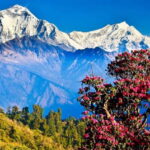
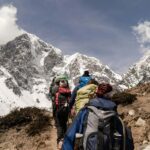
The highlight here is the rhododendron forests. Even if you’re not counting flowers like a botanist, the forest sections tend to feel cooler, shaded, and calmer than the exposed stretches above. And once you rise out of the trees, the mountain views start getting more serious.
Why the early start is worth it: in Nepal, the light and air quality can change fast. An early push helps you catch clearer visibility and makes the day feel less like a waiting game.
Possible drawback: this day can feel mentally long. When you’re moving from forest to higher terrain, you’re often adjusting your pace and breathing. If you’re the type who wants everything to feel easy from minute one, you might need to remind yourself that uphill days almost never do.
Day 3: High Camp to Mardi Himal Base Camp, then down to Low Camp
This is your big day, and the schedule reflects it. You’ll begin early for Mardi Himal Base Camp, then return to Low Camp.
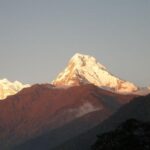
Expect about eight hours total. Base camp mornings are often when you’re most rewarded—grand Himalayan views and the kind of panoramic feeling that makes you stop checking your watch.
What I like about the structure is that it doesn’t trap you at the top all day. Yes, you go to Mardi Himal Base Camp, but you also have time to enjoy it and still make the descent back down to Low Camp. That’s a practical balance: you get the target, plus you avoid turning the day into a grind.
Tip for your comfort: keep your layers ready. Even within the same hike day, temperatures can shift. If you want to enjoy the views longer, you’ll want to be able to adjust without stopping for a full gear change.
Day 4: Down to Siding Village and back to Pokhara
Day 4 is your downhill finisher. You’ll trek downhill to Siding Village through lush forest sections, then use a sharing jeep to get back to Pokhara.
This day runs about nine hours, so don’t think “downhill” automatically means “easy.” Downhill hiking can be rough on knees and ankles, especially if you step fast while thinking the hardest part is over.
What helps:
- Keeping your steps shorter on steep descents
- Using trekking poles if you have them
- Staying hydrated so you don’t feel wiped out late in the day
When you reach Siding Village and swap to the jeep, it gives the trip a clear end point. You get that rare combo: big trek satisfaction without ending in a night of uncertain transport.
The practical value of the $245 price
At $245 per person for a four-day trek, the best way to judge value is by what’s actually handled for you. This package includes:
- Hotel pickup and drop off in Pokhara
- Pokhara → Kande by private car, and Siding → Pokhara by sharing jeep
- Trekking permits plus TIMS
- An English-speaking trekking guide
- Guesthouse accommodations during the trek
- A private trip setup (only your group participates)
That’s not just convenience fluff. When permits and key transfers are covered, you reduce the number of moving pieces you have to manage yourself. For many trekkers, that alone is worth a chunk of the cost.
Meals are the one obvious gap: they’re not included (around 3500 NPR per person per day). That’s common on treks, but it’s still your responsibility. If you budget for meals ahead of time and keep some cash on hand, it becomes a non-issue rather than a surprise expense.
Group discounts are listed as a feature, but this trek is also described as a private trip for your group. Translation: you’ll likely get the benefits of operating as a coordinated unit, without being mixed into a random crowd of strangers.
The guide and safety factor for solo hikers
One of the clearest signals from the feedback style for this kind of trek is comfort with guidance. A solo woman traveler, for example, specifically looked for a reputable guide because trekking multiple days alone in a foreign country can feel intimidating. The takeaway for you: a guide-led format can take a big mental load off your shoulders.
Even if you’re not solo, an experienced local guide helps with more than navigation. They keep pacing sensible, match your effort to the terrain, and know the mountain “logic” of timing. That means fewer stop-start arguments about which route to take or when to turn back.
Also, the guide is listed as English-speaking. That matters if you want to understand what’s happening beyond the basics—like why certain starts are early or what conditions might change as you move higher.
What you should pack and plan for (without overthinking)
The tour info calls for moderate physical fitness, which I read as: you don’t need to be a marathon runner, but you should be comfortable hiking for many hours over several days.
Pack for the practical problems trekkers face on this route:
- Layers for mornings and afternoons (weather shifts)
- Comfortable, broken-in trekking shoes
- A small daypack for water and essentials
- Rain protection (because weather doesn’t ask permission)
- Cash for meals since they’re not included
Also plan your mindset. Four days at this pace asks for steady effort, not heroics. Go slow enough that you can enjoy views without arriving at each stop gasping and frustrated.
Who this trek is best for
This trek fits best if you want:
- A guided Mardi Himal Base Camp experience with permits handled
- A structured four-day schedule that doesn’t drag
- Time in rhododendron forests plus a real route to named waypoints
- A downhill finish that gets you back to Pokhara without a second full day of long travel
It’s a strong choice for solo travelers who value a guide. It’s also good for couples or small groups who want privacy and smoother pacing rather than joining a large mixed group.
If you’re looking for a short, gentle stroll, this may feel like too much. But if you can handle a moderate multi-day hike and you want the reward of reaching Mardi Himal Base Camp, you’re in the sweet spot.
Should you book this 4-day Mardi Himal Base Camp trek?
Yes, if you want a clear, guided route with the core logistics covered. The permit package, English-speaking guide, and organized transfers make it easier to focus on the hiking and the views instead of the paperwork and transport headache.
I’d especially consider booking if you like the idea of scenic route selection through less-obvious paths. That kind of route design tends to make the days feel more varied than just following the same two tracks.
Skip or ask more questions before booking if you can’t budget for meals on the trail. For most people it’s manageable, but it’s still real cost you’ll carry during the trek.
If your priority is a reliable, guide-led climb to Mardi Himal Base Camp over four days with a practical finish back to Pokhara, this is a solid match.
FAQ
How long is the Mardi Himal Base Camp trek?
The trek runs for 4 days (approximately), with hiking days that range from about 6 to 9 hours depending on the day.
How much does this trek cost?
The price is $245.00 per person.
Is hotel pickup and drop-off included?
Yes. You get hotel pickup and drop-off in Pokhara, plus transportation from Pokhara to Kande and from Siding back to Pokhara.
Are trekking permits and TIMS included?
Yes. The trekking permit and TIMS are included.
Are meals included in the price?
No. Meals are not included, and they’re listed as available for purchase at about 3500 NPR per person per day.
Is this trek private or shared with others?
This is described as a private trip. Only your group participates. The jeep back to Pokhara from Siding is a sharing jeep.
What fitness level do I need?
The tour is geared toward travelers with moderate physical fitness.