REVIEW · HANOI
3-Day Sapa Trek, visit Fansipan (cable car) from Hanoi with local
Book on Viator →Operated by Vietmountain Travel · Bookable on Viator
One bus. Two hikes. A mountain payoff.
This Sapa trek-to-Fansipan trip is interesting because you mix ethnic village walks with Vietnam’s highest peak by cable car, plus door-to-door help from Hanoi. I especially like how the plan uses real footpaths between Cat Cat, Lao Chai, and Ta Van, not just viewpoints, and how the included meals and entrance fees keep budgeting simple. One thing to consider: the trekking is paced for people with good stamina, and the hotel can be basic—one review flagged a bad smell issue—so go in knowing comfort varies.
You’ll start early in Hanoi on a sleeping bus, reach Sapa for lunch and check-in, and spend two days walking village trails before ending on Fansipan with temples and a huge Buddha statue. The best part for me is the balance: you get real daily-life encounters in Hmong and Dao/Giay areas, but you’re never left to figure logistics out alone. The main drawback is weather: the operator notes it needs good weather, and if plans change you’ll get a different date or a full refund.
In This Review
- Key highlights you actually feel
- Treks and cable car in one tight 3 days
- What this price covers (and why it feels fair)
- Day 1: Hanoi to Sapa, then Cat Cat down and back up
- The morning bus ride out of Hanoi
- Cat Cat Village: a downhill trek with real Hmong life
- Dinner and Sapa night time
- Day 1 drawback to plan for
- Day 2: Lao Chai Village to Ta Van, plus optional ride back
- Morning start: breakfast, then Lao Chai
- Ta Van: a Hmong and Giay mix, bamboo and rivers
- If your legs need a break
- Day 2 dinner in Sapa
- Day 3: Fansipan by cable car, temples, and the Buddha statue
- The quick drive to the cable car station
- What to do up top (beyond the photo stop)
- Returning to Hanoi the same day
- Logistics: transport, group size, and what keeps it smooth
- Sleeping bus and pick-up help
- Local English-speaking guide with 24/7 support
- Group size and pacing
- The meals, hotel reality check, and comfort level
- Included meals: the easiest part of this trip
- Hotel can be simple
- What you should pack for the trek
- Is Fansipan worth it if you’re already hiking?
- Who this 3-day Sapa trek is best for
- Should you book this Sapa trek and Fansipan day?
- FAQ
- How long is the tour?
- What’s the price and what’s included?
- Do I need to buy tickets for Fansipan?
- Is vegetarian food available?
- What’s the difficulty level of the trekking?
- What happens if the weather is bad?
- Where does it start and end?
Key highlights you actually feel
- All-in transport from Hanoi: sleeping bus plus pick-up and drop-off help, then a shuttle back to the bus office.
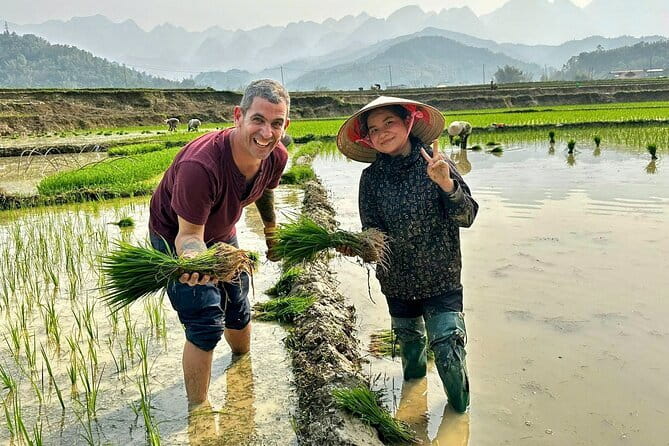
- Village walking with guidance: Cat Cat, Lao Chai, and Ta Van trails with a local English-speaking guide.
- Fansipan by cable car: quick access to temple areas and the big Buddha statue once you’re up there.
- Meals are included: breakfast twice, dinner twice, plus lunches on the trekking days.
- Small group size: max 15 travelers, which keeps the hikes from feeling chaotic.
- Flexible option on Day 2: you can catch a car/mini van back to town if needed.
Treks and cable car in one tight 3 days
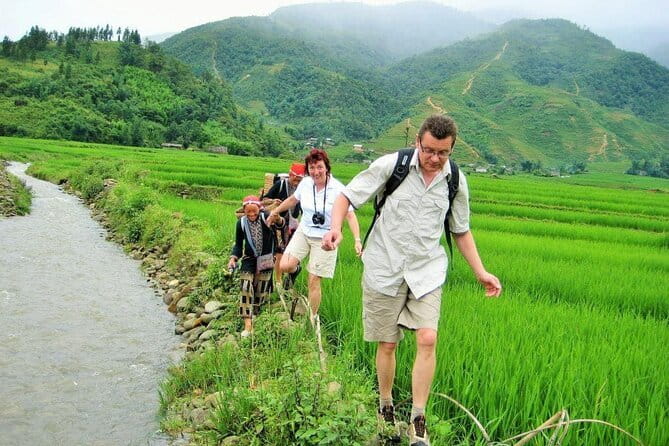
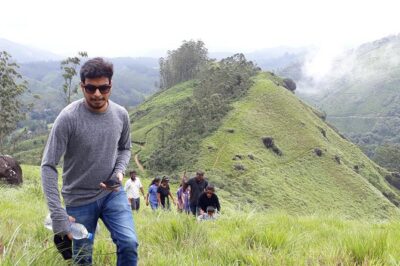
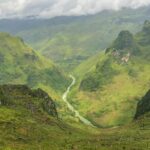
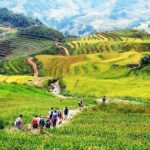
This is the kind of Sapa trip that works because it doesn’t force you to choose between scenery and structure. You walk between villages where terraced rice fields and misty valleys show up often, and you still get a high-altitude finish without a punishing climb to Fansipan’s top.
The itinerary has a clear rhythm. Mornings start early with breakfast, then you hike, take a real break at lunch, and end the day with Sapa time for dinner and downtime. By the last day, you’re done with trekking fatigue and ready for the mountain payoff.
If you like practical travel—knowing what you’re doing, when you’re moving, and what’s covered—this model fits. It’s also a decent fit if you want cultural context from a local guide rather than just taking photos and moving on.
You can also read our reviews of more tours and experiences in Hanoi.

What this price covers (and why it feels fair)
At $195 per person, you’re not just paying for hikes. You’re also paying for the big moving parts: sleeping bus from Hanoi, hotel nights in Sapa, village visits, entrance fees, and the Fansipan cable car ticket, plus meals (breakfast 2x, lunch 3x, dinner 2x).
That matters because in northern Vietnam, transport and tickets add up fast once you start booking each piece separately. Here, the plan bundles it so you don’t spend your whole arrival day solving logistics.
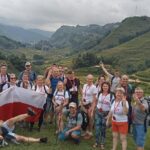
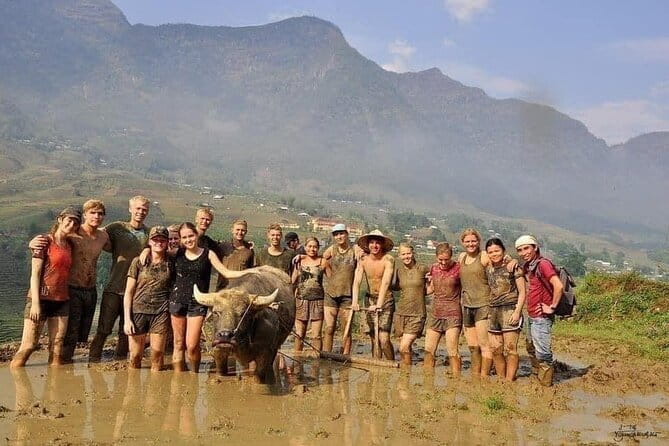
Also, you’re traveling with a max group size of 15. That usually means your guide can keep the group together on narrow paths, which is a real comfort on hiking days.
Day 1: Hanoi to Sapa, then Cat Cat down and back up
The morning bus ride out of Hanoi
The trip starts around 7:00 am in Hanoi with a comfortable sleeping bus. Plan on about 4.5–5 hours to reach Sapa, then a local guide meets you after arrival to handle the next step.
This is one of those setups that helps you actually enjoy the first afternoon instead of losing it to ticket lines or hunting for the right office. You get picked up from the bus office in Sapa, then you move straight to lunch and check-in.
Cat Cat Village: a downhill trek with real Hmong life
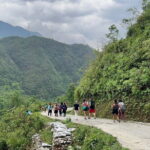
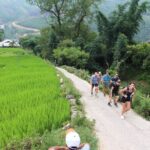
Around 2:30 pm, you start the afternoon walk from Sapa town to Cat Cat Village. It’s described as about a 3-kilometer downhill trail, so it’s easier on the knees than an uphill start—at least until you realize you’ll do some climbing later.
Cat Cat is where the cultural time becomes the point, not just the scenery. You’ll spend about 3 hours in the village, with highlights like:
- Hydropower station and Cat Cat waterfall, including a chance to learn about the French-built structure
- Craft time, like hand-woven textiles, silver jewelry, and hand-forged tools
- Cultural performances described in the program
What I like here is the flow: you’re walking into a village setting, then the guide helps you make sense of what you see before you walk out.

Dinner and Sapa night time
The day doesn’t end when the tour ends. At around 5:30 pm, you return to town with a 4-kilometer trek back, then you eat dinner at about 7:00 pm, followed by free time.
That free time is useful because Sapa’s town is good for a slow wander after two movement-heavy days. Just keep expectations realistic: this is a mountain town, so nights can feel chilly, and you’ll want warm layers.
Day 1 drawback to plan for
The hike pattern is down first, then up. Even if downhill feels easier, that return climb can still feel like work—especially if you’re not used to uneven paths. Wear supportive shoes and give yourself some buffer time.
Day 2: Lao Chai Village to Ta Van, plus optional ride back
Morning start: breakfast, then Lao Chai
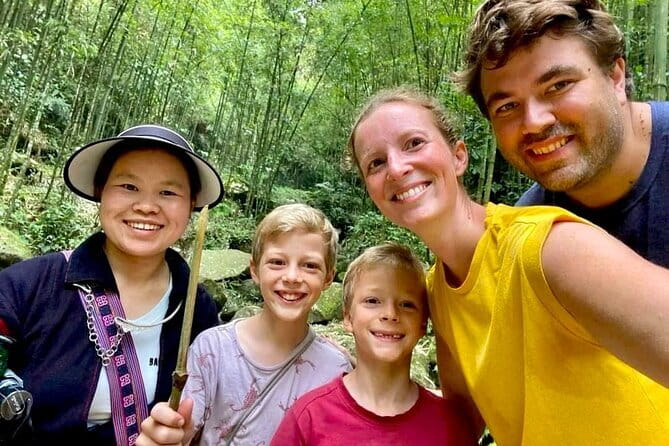
You wake early and get breakfast, then aim for a 7:00 am start. By 8:30 am, you’re ready for the trek to Lao Chai Village, described as the heart of the Hmong community.
On the trail, the program focuses on farming life and textiles, including indigo-dyed fabric and how locals work the land. If you enjoy cultural context that connects directly to daily tasks, this part makes sense.
The morning ends with a local lunch around noon, served with sweeping valley views. You’re not just eating; you’re resting in the same environment you walked through.
Ta Van: a Hmong and Giay mix, bamboo and rivers
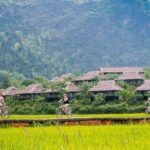
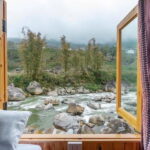
After lunch, you continue to Ta Van Village, shared by Hmong and Giay communities. The walk includes bamboo groves and meandering rivers, then you reach the village for cultural exchange and hospitality time.
One detail I appreciate: the program notes the landscape is simple rural charm rather than a staged show. That’s often the difference between feeling like you saw a place versus feeling like you learned something about how people live there.
If your legs need a break
The day includes a return toward the main road. The program gives you an out: if needed, you can catch a car/mini van back to town instead of finishing the full walk.
That matters because Sapa treks can stack fatigue fast. If you’re traveling with anyone who gets tired easily, you now have a built-in safety valve.
Day 2 dinner in Sapa
You finish the day back in Sapa at about 5:30 pm, then dinner at 7:00 pm and free time again. It’s a good pattern: you get enough structure to stay on track, but still time to be in Sapa like a normal visitor.
Day 3: Fansipan by cable car, temples, and the Buddha statue

The quick drive to the cable car station
After breakfast, you start around 7:30 am with about a 3-kilometer drive to the Fansipan cable car station. This is a big deal if you want the top views without committing to a full climb.
At the top, the program includes exploring temple areas and visiting the large Buddha statue, described as the highest one on the mountain.
What to do up top (beyond the photo stop)
The key thing is you’re not trapped on a single viewpoint. You get about 5 hours total on Day 3 with included activities, including:
- Cable car ride up and down
- Time to explore the area near temples
- Lunch at the base after you return down
If the weather is clear, this is when Fansipan feels worth it. If it’s misty, you can still enjoy the atmosphere, but plan to stay flexible with your timing and expectations.
Returning to Hanoi the same day
You head back to Sapa base by cable car around 12:00 pm, then you eat lunch and finish with a return to Hanoi later. The program shows you’re back in Sapa town by around 2:00 pm, showering at the hotel if needed.
Then at 3:00 pm, you’re escorted to the bus office, helped with check-in, and given a packed sandwich for the road. You should arrive in Hanoi around 7:30 pm.
That’s a long day, but it’s also efficient. You get a true “mountain day” without stretching the trip longer than 3 days.
Logistics: transport, group size, and what keeps it smooth

Sleeping bus and pick-up help
The sleeping bus is one of the practical wins. It’s comfortable enough for a daytime departure, and it saves you an extra hotel night in transit. Plus, someone handles the handoff on both ends: pick-up at arrival in Sapa, then shuttle support back to the bus office in Hanoi.
Local English-speaking guide with 24/7 support
The trip includes an experienced English-speaking local guide, with other languages available on request. You also get a 24/7 hotline support after confirmation, which matters if weather shifts or if something goes wrong with timing.
From the feedback, staff availability is one of the things that helped people feel safe and taken care of.
Group size and pacing
With a maximum of 15 travelers, the hikes are more controlled. That’s not just a comfort detail; it affects how quickly you can move through villages and how easily the group can stay together on trails.
The pacing still requires decent fitness. The trek is described as recommended for those in good health, and the Cat Cat down-and-back pattern is a good example of why.
The meals, hotel reality check, and comfort level
Included meals: the easiest part of this trip
Meals are set: breakfast twice, lunch three times, dinner twice. Vegetarian food is available on request, which is worth noting if you eat plant-based.
Meals also get you through the long hike blocks without having to search for food mid-day. That’s a time-saver when you’re in and out of village areas.
Hotel can be simple
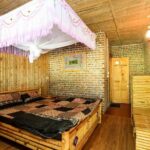
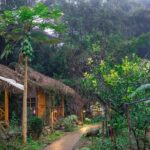
Here’s the balanced part. Reviews reflect a mix of comfort levels. One person said the hotel was not comfortable because the bed had a bad smell (possibly mold). Others described the accommodation as simple but clean, with soft beds.
So I’d treat the hotel as functional, not luxury. If you’re sensitive to smells or you rely on a very specific bedding setup, pack a small personal laundry bag for your own items and consider bringing a light layer you can sleep in.
What you should pack for the trek
The program asks you to wear comfortable shoes and trekking-ready clothing. Bring a small backpack, a hat, sunglasses, and mosquito spray.
I’d add one practical rule: keep your essentials small and reachable. On village walks, you don’t want to stop every time you need something.
Is Fansipan worth it if you’re already hiking?
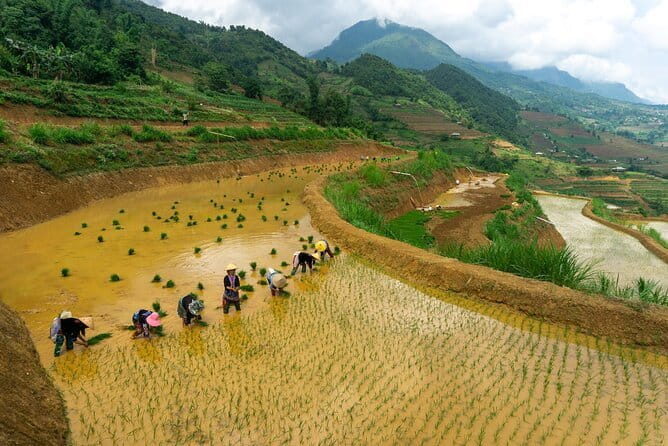
Yes—because it changes the pace and the view. After two days of walking, the cable car gives you height with less effort, then you still get time to explore temples and the Buddha statue area.
The best value comes from doing it this way: you’re not “saving energy” for the peak and then realizing you have no time to enjoy it. Here, you get a real block of time up top.
Also, cable car travel is often easier for mixed groups. If someone in your party has trekking limits, they still get the mountain experience without being left behind.
Who this 3-day Sapa trek is best for
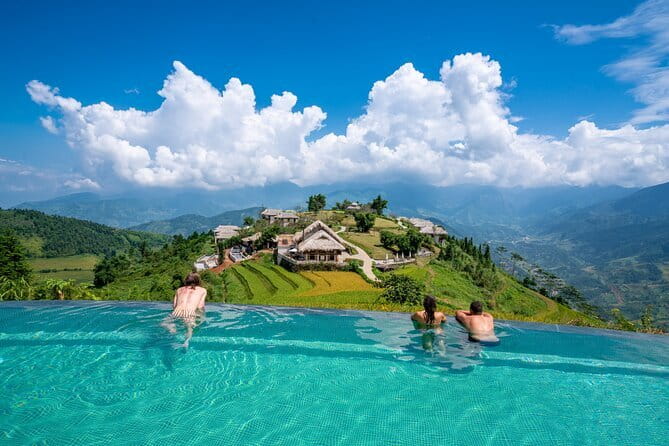
This trip fits best if you want:
- Village hiking with a guide, not just self-guided photo stops
- A simple structure from Hanoi to Sapa to Hanoi again
- Cultural time in Hmong, Dao, and Giay areas
- A mix of walking and a cable car summit day
It’s less ideal if you’re expecting a high-end hotel every night. Also, if you’re very new to walking on uneven paths, plan to take it slow and use the “ride back to town” option on Day 2 if needed.
Should you book this Sapa trek and Fansipan day?
Book it if you want a well-organized 3-day sampler of northern Vietnam that includes Fansipan and real village trails, with meals and major tickets handled. The price feels more reasonable when you compare what’s bundled: bus transport, hotel nights, trekking activities, village visits, and cable car access.
Skip or choose carefully if comfort is your top priority. The hiking days are active, and hotel quality looks variable based on what people reported.
If you’re ready for a mountain trip with some physical effort and you like guided cultural walks, this is a strong way to do Sapa in a short time without turning it into a logistics project.
FAQ
How long is the tour?
It runs for about 3 days, with a schedule that includes traveling from Hanoi to Sapa, two trekking days, and a Fansipan cable car day before returning to Hanoi.
What’s the price and what’s included?
The price is $195 per person. Included are entrance fees, the Fansipan cable car ticket, trekking activities and village visits, bottled water, meals as listed (2 breakfasts, 3 lunches, 2 dinners), and an English-speaking local guide, plus transportation from Hanoi.
Do I need to buy tickets for Fansipan?
No. The Fansipan cable car ticket is included as part of the tour, and you’ll have a mobile ticket.
Is vegetarian food available?
Yes. Vegetarian food is available on request.
What’s the difficulty level of the trekking?
You should be in good health. The itinerary includes downhill and uphill walking segments (including a downhill walk to Cat Cat Village and a return trek) and village trails on Day 2.
What happens if the weather is bad?
The tour requires good weather. If it has to be cancelled due to poor weather, you’ll be offered a different date/experience or a full refund, and the weather forecast is updated in advance.
Where does it start and end?
It starts at 204 Đ. Trần Quang Khải, Tràng Tiền, Hoàn Kiếm, Hà Nội, Vietnam. The activity ends back at the same meeting point, with shuttling included to support your return by bus.