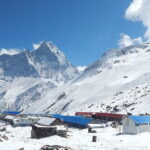
REVIEW · NEPAL
Manaslu Tsum Valley Trekking
Book on Viator →Operated by Trekking Planner Nepal · Bookable on Viator
This trek has the kind of payoff that sticks. Manaslu Tsum Valley Trekking mixes classic Himalaya drama with Tsum Valley’s distinct Tibetan-flavored culture, from villages like Chhokangparo to monasteries like Rachen Gompa. I especially like how the route is built around both scenery and culture, and how the program keeps a close eye on acclimatization with twice-daily oxygen checks. The one drawback to plan for: long walking days plus cold, windy conditions around Larke La and the basic teahouse options near Dharmashala.
I also like that the trip feels structured without feeling rushed. You get a Kathmandu intro (including Swayambhunath and Boudhanath), then you move into the mountains in stages—hot springs, river valleys, pine forest, monastery visits—so your body has time to adjust before the big pass day.
If you like your trekking with a light thread of comfort—private group, experienced guides, permit help—this is a strong fit. If you’re looking for luxury lodge stays or lots of modern conveniences, you’ll have to adjust your expectations.
In This Review
- Key things I’d plan around
- Manaslu Tsum Valley: why this route feels different
- Price and Logistics: what $1,899 covers (and what it doesn’t)
- Getting started in Kathmandu: briefing, monuments, and an easy first night
- From city heat to river country: Arughat, Maccha Khola, and Tatopani
- Entering Tsum Valley: Lokpa, Chumling, and the pine-forest feeling
- Chhokangparo and the Tsum core: prayer wheels, water-powered faith, monastery power
- Rachen Gompa to Mu Gompa: male vs female worship rules you’ll actually notice
- The middle of the trek: Namrung apples, Samagaun, and acclimation that feels practical
- Larke La Pass day: start early, expect wind, and plan for cold
- Dharmashala, then Tal and Bhulbhule: the long arc toward the finish
- Safety and support: the oxymeter and the guide-porter setup
- What to expect day by day, in human terms
- Who this trek suits best
- Should you book Manaslu Tsum Valley Trekking?
- FAQ
- What’s the trek duration?
- How much does it cost per person?
- Is airport pickup included?
- Are the permits included?
- What about accommodations during the trek?
- Does the package include gear like jackets and a sleeping bag?
- What’s included for safety monitoring?
- What’s not included in the price?
Key things I’d plan around
- Tsum Valley culture is a real focus, not just a side stop—prayer wheels, gumba (monasteries), and daily village life shape the trek.
- The cold timing is real, with an early 4:00 am-style start for Larke La from Dharmashala.
- Permits are handled, including ACAP, MCAP, and special Manaslu/Tsum permits.
- Safety checks are built in, including an oxymeter check twice daily.
- Guide support varies by group, but names show up often like Binod, Shusil, Aitey Tamang, Sudip, and Sital Dahkal in people’s shared experiences.
- You’ll still pay out-of-pocket for key items, especially your visa and meals in Kathmandu (and personal travel insurance).
Manaslu Tsum Valley: why this route feels different
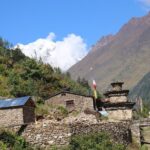
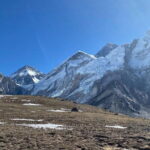
Manaslu and Tsum aren’t just “another Himalayan trek.” Tsum Valley, sometimes translated as the Valley of Happiness (Tibetan Beyul Kyimolung), has a quieter pace and a stronger Tibetan cultural feel than many popular trails. You’ll see that in the way monasteries are positioned in daily life, in the gumba rules (like Mu Gompa being for male monks), and in how villages organize around faith and seasonal survival.
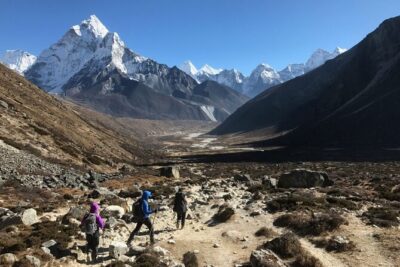
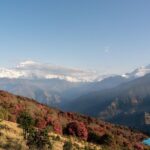
Manaslu scenery is also in the mix—high peaks like the Yangri region (Ganesh Himal) and the broader Manaslu (Kutang) range sit in the background as you move upward. The best part is that you’re not forced to sprint to the highest point first. The trek gradually shifts from river-side walking to high valley terrain, so your eyes and your lungs both have a chance to catch up.
You can also read our reviews of more tours and experiences in Nepal.
Price and Logistics: what $1,899 covers (and what it doesn’t)
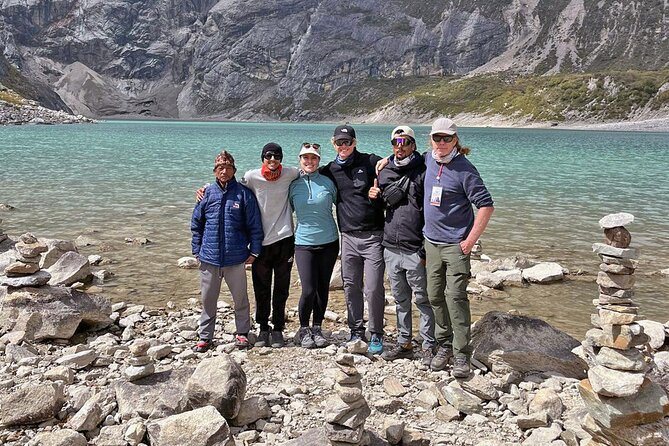
At $1,899 per person, you’re paying for a supported, permit-heavy trek with guide staff and mountain gear support. What you get is practical: airport pickup/drop, permits (ACAP, MCAP, and special Manaslu/Tsum permits), and a guide plus porter system (with 02 guest = 01 porter).
You also get mountain sleeping gear and some clothing items listed by the operator: a trekking sleeping bag, down jackets, T-shirt, cap, duffle bags, and maps. That can be real value if you don’t already own cold-weather trekking layers. (Just remember: footwear, personal medication, and any daily items are still on you since they’re not listed as included.)
What’s not included matters for budgeting:
- Nepal visa fee, international flights, and your meals/accommodations in Kathmandu
- Travel and health insurance (including insurance for helicopter evacuation)
- Tips for trekking crew and drivers
- Extra nights in Kathmandu tied to schedule changes
If you want the math to feel less fuzzy, plan on these as your baseline costs beyond the trek price: visa + flights + travel insurance + Kathmandu food + tips + water/electronics spending.
Getting started in Kathmandu: briefing, monuments, and an easy first night
The trek begins in Kathmandu with an airport meet-and-transfer to your hotel. After you settle in, there’s a group briefing where your guide gives the practical info you need for Nepal and the days ahead.
That first evening includes a welcome dinner at an authentic Nepalese restaurant with a folk culture program. It’s a nice reset after travel: you get food, you meet the crew, and you start building trust in the plan before you step onto trails.
Then comes a full Kathmandu valley tour day focused on two big classics:
- Swayambhunath (Monkey Temple) with its Buddhist stupa and a mix of Hindu/Buddhist influence
- Boudhanath Stupa, one of the largest in the world, with daily circumambulation by the Tibetan community
This is also useful because it gets you into Nepal’s rhythm—religion, daily motion, and the feeling of old routes carrying on.
From city heat to river country: Arughat, Maccha Khola, and Tatopani
You leave Kathmandu and ride toward Nepal’s mid-west on the main highway. The drive is long (about 7–8 hours) and includes a typical “roads to trails” transition: farmland, towns, waterfalls, and river views like the Trishuli and Budhi Gandaki along the way.
Then your trek begins from Maccha Khola up toward Dobhan via Tatopani. This is one of the more beginner-friendly sections in the schedule, with a trail described as in good condition and not very steep. You also get hot springs at Tatopani, used by travelers for a recovery soak. The note here is simple: respect the area and use it in an ecofriendly, disciplined way.
Dobhan itself is named like a “meeting point” of two rivers, and it’s a natural place to rest and take in the Gurung settlement vibe before the trek moves deeper into Tsum territory.
Entering Tsum Valley: Lokpa, Chumling, and the pine-forest feeling
The trek starts to feel more distinctly Tsum as you move forward from Dobhan to Philim and beyond, with steady hiking into higher terrain.
When you reach Lokpa, it’s described as the first village of Tsum Valley. It’s not portrayed as a deep, fully local community loaded with centuries of permanent life; the plan notes only a few settlements established mostly for tourists, serving as business points. Even so, Lokpa is valuable because it marks the psychological shift: you’re entering a place where the trail and the culture are tightly linked.
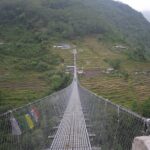
Next is Chumling, reached after walking through dense pine forest. If you trek in spring, you may see rhododendron along the way (Nepal’s national flower). The route includes crossing suspension bridges and passing through natural features like gorge sections and rockfall areas.
This day isn’t just “pretty.” It’s the first stretch where you’ll likely feel the trek’s rhythm: long walks, bridges, and steady elevation changes that keep you working—but not in a panic.
Chhokangparo and the Tsum core: prayer wheels, water-powered faith, monastery power
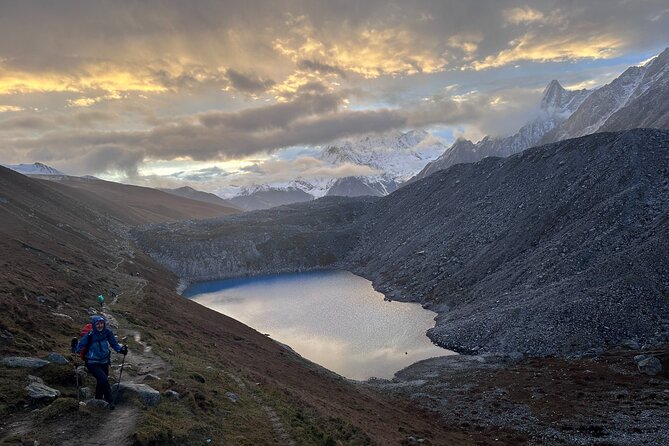
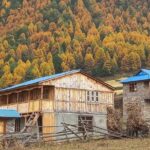
Chhokangparo is called the biggest village in Tsum Valley and strongly tied to lama culture. You’ll pass a water-powered prayer wheel, which is exactly the kind of detail that makes a place feel alive instead of staged. There’s also a deep pine forest stretch and viewpoints that reference peaks like Buddha Himal and Siringi Himal.
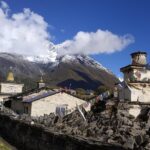
From there, the route turns into a monastery-and-path experience that feels very Tsum. You’ll walk through stops like Rachen Gompa (described as the biggest gumba in Tsum Valley) and other stops tied to women-only worship traditions (Ranchen Gompa), then keep moving toward Nele.
Nele is a small village known for potatoes. That kind of detail sounds minor until you realize how often food is a key part of high-altitude survival. Even on a trek with big cultural stops, the basics—potatoes, local staples—still run the show.
Rachen Gompa to Mu Gompa: male vs female worship rules you’ll actually notice
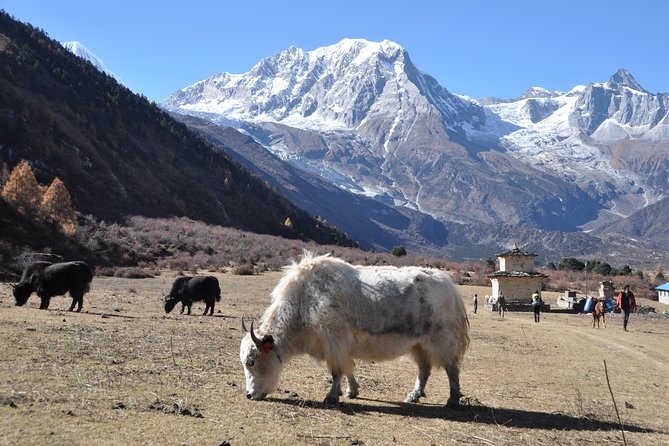
Rachen Gompa is one of those stops where the route and the religious practice are the same thing. The description includes visits to monastery treasures—historical and religious artifacts and statues of famous gurus and idols of Sakaymuni Buddha.
Then comes Mu Gompa, reached after a trek to Chho Syong and onward through arid terrain with peak views. Mu Gompa is for male monks only, but trekkers can sleep inside the monastery. That sounds like a small logistical note, but it reflects how the trek’s culture isn’t generic tourism. It follows the rules of how the place functions.
There’s also mention of the Milarepa cave route, covered by iron prayer flags and Sarpu stupa. You’ll want to slow down here—not because the program forces it, but because the details are easy to miss when you’re rushing.
An added perk at Mu Gompa: the schedule includes a free afternoon to explore high valley areas around Tsum. That helps you absorb the place beyond the “check the monastery, move on” pattern.
The middle of the trek: Namrung apples, Samagaun, and acclimation that feels practical
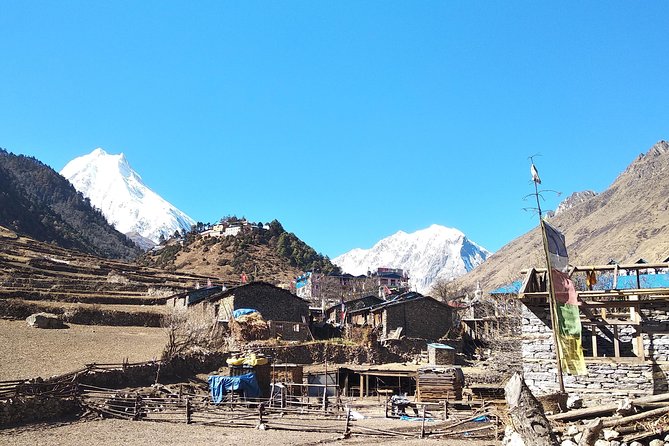
Once you pass through the Tsum core, the trek transitions into a different rhythm with villages that mix Tibetan-like culture and broader Himalayan settlement styles.
Namrung is described with apple gardens and tea house options. The lunch spot is Ghap, and the trek between Ghap and Namrung includes rocky terrain plus traditional villages of Gurung and Sherpa communities, with barley and potato fields cultivated for one season.
Samagaun follows, with village-to-village walking through small Sherpa settlements like Lee, Sho, and Lho. There’s a monastery at Lho. The schedule also notes Sherpa livelihoods tied to collecting firewood and yak dung for winter preparations—again, not flashy, but it’s real life on the trail.
Then you climb slowly into Samdo, described as not too far from Samagaun but paced for altitude. This is a good approach: dry air and altitude can slow you even when the distance looks manageable on paper.
Samdo becomes the high point village before the big pass day. The plan describes it as the last village before Larke Pass, with extremely harsh arctic conditions mentioned for the permanent village population. The point for you is simple: this is where you should treat your body like it’s fragile. Sleep, hydration, food, and pacing matter more than “toughing it out.”
Larke La Pass day: start early, expect wind, and plan for cold
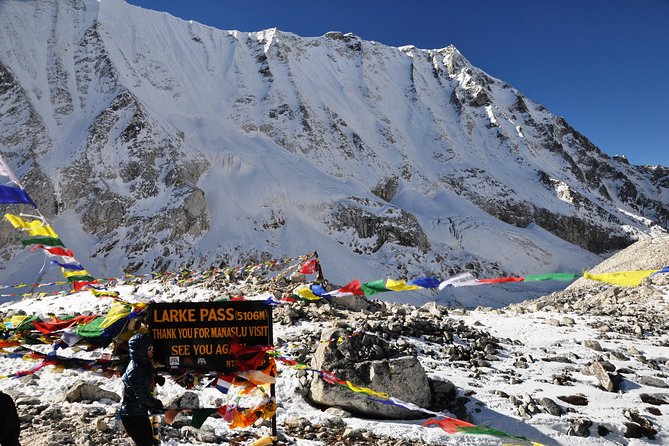
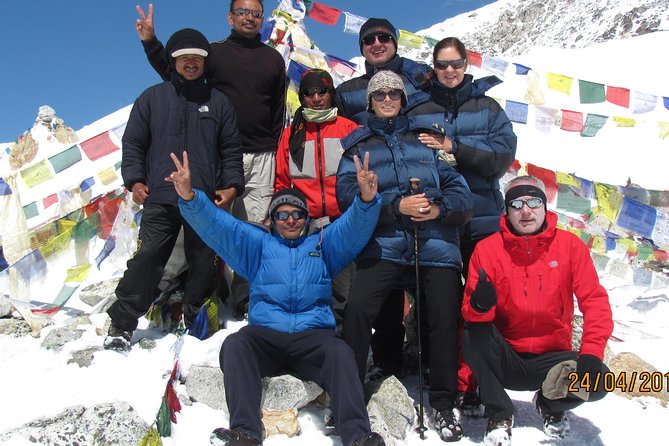
Larke La is the signature day in the schedule. You prepare and then move around 4:00 am from Dharmashala. The trek to Larke Pass takes about 5 hours, and it’s described as steep snow trails with a very windy region.
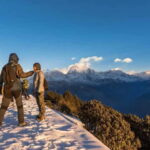
At the pass viewpoint, you can see Larke Peak and Punker Mountain. After that, you descend—about 2 hours to phedi and then another 2 hours toward Bhimthan.
Bhimthan is pitched as a strong photography area, and it’s also tied to views back toward the Manang region and even Annapurna South behind the pass. The practical takeaway: the big payoff is visible, but the work is also real. If you’re the kind of trekker who gets cranky in cold wind, you’ll want warm layers ready and your breathing under control.
Dharmashala, then Tal and Bhulbhule: the long arc toward the finish
After Larke La, the schedule continues toward Tal and eventually toward Bhulbhule. Dharmashala is described as remote with pretty basic facilities—either limited shared-room teahouses or tent camping depending on how many people are in the area. It also notes heavy wind and super cold weather, which affects sleep.
Tal sits in a lower and warmer feel relative to the pass area. There’s a mention of a safe drinking water station near Tal and an ACAP checkpost. That’s a small detail, but checkposts and water access are the kind of reality you appreciate after a big altitude day.
The route then continues down to places like Chamje and Jagat for lunch, and on through farmland and farm settlements. Baundanda becomes a final overnight with valley-hill views and a chance to explore a Hindu ethnic community. Then the trek ends with the long descent to Ngadi and Bhulbhule, where you return to Kathmandu via the major highway route.
This finish matters because it can feel strange to switch from “steep effort” to “comfortable walking.” Use the last days to stretch, loosen up your legs, and keep an eye on energy. It’s easy to get lazy and stumble when the trail becomes easier.
Safety and support: the oxymeter and the guide-porter setup
What I really like here is how support is built into the routine. The operator includes an oxymeter used to check pulse and oxygen saturation and heart rate twice daily during the trek. That’s useful because it turns altitude monitoring into something you do every day, not something you guess at when symptoms show up.
You also get emergency evacuation arrangement service. The detail to note: it’s tied to insurance, and the cost would be paid by your travel insurance company. So don’t treat the included setup as a replacement for proper insurance.
The crew structure is also practical: one porter for every two guests. That matters because altitude trekking isn’t just about distance. It’s about reducing load so you can keep steady breathing.
Finally, guide quality can make or break a long trek. In experiences shared with this operator, guides like Binod, Shusil, Aitey Tamang, Sudip, Padam, and Sital Dahkal show up with praise for being helpful and attentive—especially around acclimatization and safety instincts.
What to expect day by day, in human terms
Rather than thinking of this as “25 days of hiking,” I’d picture it as phases:
- Kathmandu acclimation phase (Days 1–2): briefing, plus Swayambhunath and Boudhanath so you land with context.
- Entry phase (Days 3–6): scenic drive, Maccha Khola to Dobhan via Tatopani hot springs, then onward to Philim and into Lokpa.
- Tsum culture phase (Days 6–12): Chumling and Chhokangparo, then gumba stops like Rachen Gompa and Mu Gompa, with Nele and backtracking days that let you re-see key points.
- Transition into higher settlement rhythm (Days 13–18): Tibetan-like architecture shifts, Namrung apple area, Samagaun, then Samdo with an acclimatization day.
- Big pass phase (Days 19–21): Dharmashala and Larke La, then onward to Dharapani/Tal area in the direction of lower terrain.
- Descent and wrap-up phase (Days 22–24): Tal to Chamje/Jagat, then Baundanda and the final run to Bhulbhule, ending in Kathmandu.
If you’re the kind of trekker who likes clear pacing, this structure helps.
Who this trek suits best
This trek fits you best if:
- You want culture plus altitude, not just summits for photos
- You’re okay with basic mountain accommodations (especially near Dharmashala)
- You’re working toward a serious “one trip, big story” Himalayan goal
It may not fit you if:
- You dislike cold wind days and early morning starts
- You expect private bathrooms and warm, consistent lodge comforts
- You don’t have moderate physical fitness for long walking days (the program notes you should have moderate physical fitness)
Should you book Manaslu Tsum Valley Trekking?
If your ideal trek includes remote Tibetan-flavored communities, monastery visits you’ll remember, and one major pass day with serious weather exposure, I’d say yes. The value is strongest when you consider what’s included: permits, experienced guiding, porter support, and twice-daily oxygen monitoring plus gear support like down jackets and a sleeping bag.
But do book with clear eyes. The cold and wind around Larke La are not theoretical, and Dharmashala’s facilities are basic. Also budget for what’s not included—visa, flights, Kathmandu meals, and insurance—so the total cost doesn’t surprise you late.
If you’re prepared for that mix of effort and authenticity, this trek earns its reputation.
FAQ
What’s the trek duration?
The trek is listed as about 25 days (approx.).
How much does it cost per person?
The price is listed as $1,899.00 per person.
Is airport pickup included?
Yes. The package includes all airport pickup and drop by private vehicle.
Are the permits included?
Yes. It includes ACAP Permit, MCAP Permit, and special permits for the Manaslu and Tsum Valley area.
What about accommodations during the trek?
During the trek, you get twin/double sharing shearing accommodation in the mountains.
Does the package include gear like jackets and a sleeping bag?
Yes. Trekking Planner provides a trekking sleeping bag, down jackets, T-shirt, cap, duffle bags, plus city and trekking route maps.
What’s included for safety monitoring?
The operator includes an oxymeter to check pulse, oxygen saturation, and heart rate twice daily during the trek, for altitude sickness awareness. Emergency evacuation arrangement is also included, but you need appropriate insurance.
What’s not included in the price?
Not included are the Nepal visa fee, international airfare to and from Kathmandu, meals and accommodation in Kathmandu, personal travel and health insurance (including helicopter evacuation insurance), tips for the trekking crews and drive, and personal expenses like phone use, laundry, bar bills, battery recharge, and bottled or boiled water.