REVIEW · MUKTINATH
Kathmandu/Pokhara: Annapurna Circuit Trek 10 days
Book on GetYourGuide →Operated by Peak to Peak Treks · Bookable on GetYourGuide
Crossing Thorong La Pass changes your altitude mindset. This 10-day Annapurna Circuit Trek is interesting because you get both the physical thrill of the pass and the human warmth of ethnic villages along the way, with daily scenery that shifts fast as you gain altitude. The one real drawback is the altitude: you’ll crest 5,416 meters, so you need to take acclimatization seriously.
What I like most is how practical the setup is. You hike with an English-speaking guide (names that come up include Kim/Khim, Nir, and Milan) and stay in simple teahouses instead of carrying everything. You’re not just booking a route; you’re getting day-to-day support for pacing and choices, and that matters a lot when weather and energy levels change.
In This Review
- Key Things That Make This Annapurna Circuit Trek Worth It
- Kathmandu to Dharapani: Starting Easy, Thinking Ahead
- Chame and Pisang: Terraced Living, Then Thinner Air
- Manang Acclimatization: The Day That Can Save Your Summit
- Yak Kharka to Thorong Phedi: Building the Pass Day
- Thorong La Pass (5,416 m) to Muktinath (3,710 m): The Moment You Remember
- Kali Gandaki Gorge to Jomsom: Canyons, Wind, and the Last Big Descent
- The Stops Many People Love: Marpha Apples, Tatopani Hot Springs, and Poon Hill
- Teahouses, Meals, and the Comfort Trade-Off
- Price and Value: What You’re Paying For (and What You’re Not)
- Who Should Book This Trek (and Who Should Skip It)
- Should You Book It?
- FAQ
- What is the highest altitude on this trek?
- How many days is the Annapurna Circuit Trek?
- Are permits included?
- What kind of accommodation do you get during the trek?
- Are meals included?
- Is this trek suitable for pregnant women?
Key Things That Make This Annapurna Circuit Trek Worth It
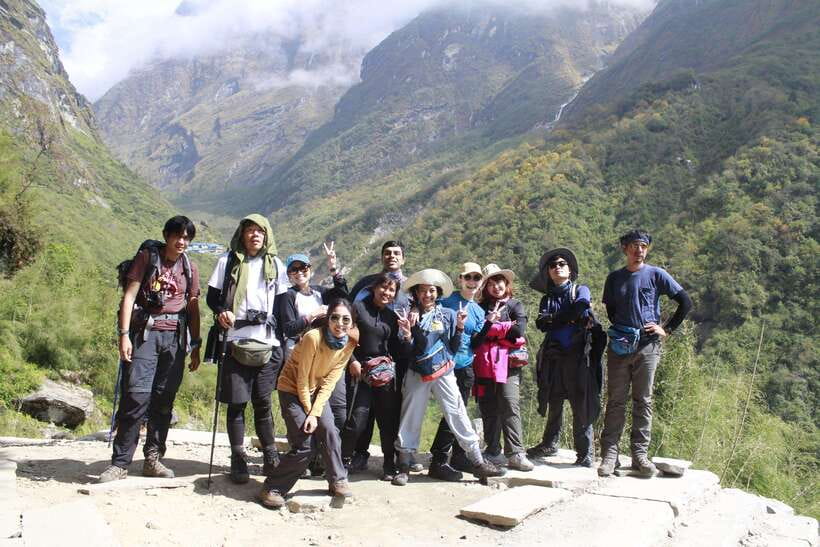
- Thorong La Pass (5,416 m): the big, clear goal that shapes the whole trip.
- Annapurna Conservation Area biodiversity: a rare chance to see more than one “type” of Nepal up close.
- Cultural village days: you walk through ethnic communities and learn through everyday life.
- Kali Gandaki Gorge: a major natural feature, with the Annapurna and Dhaulagiri peaks towering above it.
- Teahouse trekking: stay grounded with straightforward lodging along the trail.
- Support that feels personal: guides like Kim/Khim, Nir, and Milan are praised for care and professionalism.
Kathmandu to Dharapani: Starting Easy, Thinking Ahead
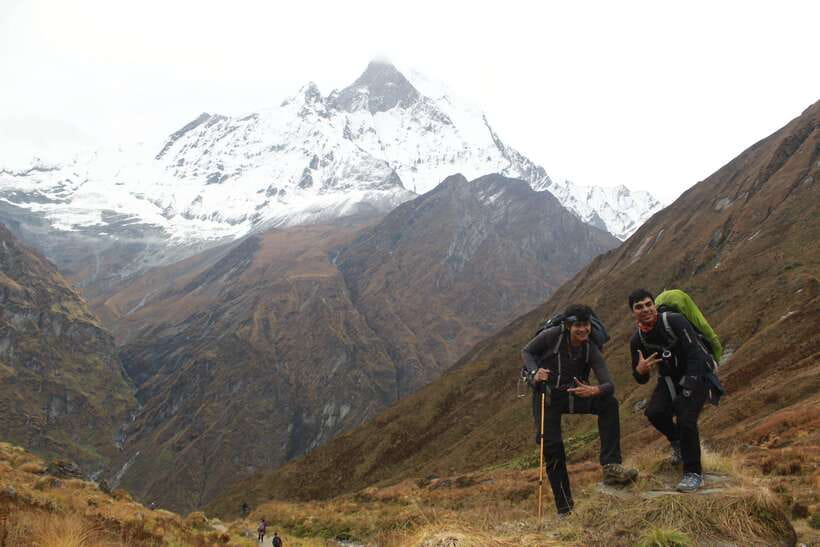
Your trek kicks off with a drive from Kathmandu to Dharapani. The altitude there is about 1,860 meters, so it’s high enough to feel “in the mountains,” but you’re not yet grinding your lungs. You’ll likely spend 6–8 hours getting in position, which is useful because it turns Day 1 into a handoff from city life to trail life.
This first segment matters more than you might think. When you start around the Marsyangdi River area, you ease into the rhythm: walk, stop, eat, breathe, repeat. It’s the kind of start that helps you save energy for later when you’re higher and every hour costs more.
A small reality check: this is a trekking adventure, not a luxury tour. You’ll be in Nepal’s trail economy, where the goal is simplicity and progress—not comfort upgrades.
Chame and Pisang: Terraced Living, Then Thinner Air
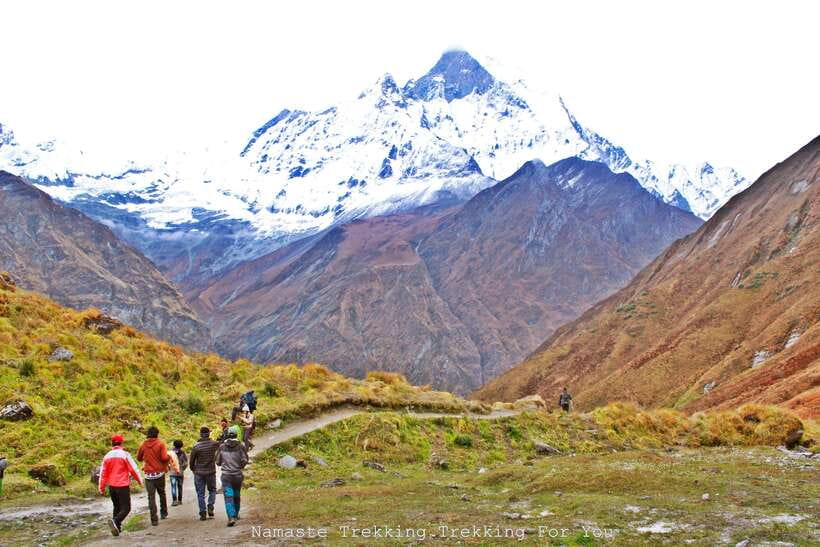
From Dharapani you move up toward Chame (about 2,670 meters), typically a 4–5 hour trek. This is where you begin to feel the Annapurna Circuit’s “variety,” not in a marketing way, but in the way the terrain changes under your boots. The lower sections tend to be greener and more farmed, with terraced fields and villages that feel lived-in.
Next you go to Pisang (around 3,300 meters). Expect a steady climb, usually 5–6 hours. Pisang is a good stop because it’s high enough to feel like a transition zone. You’ll notice how homes and routines adapt as altitude rises.
A note for your planning brain: these middle days are where you learn your pace. If you go too hard early, the pass day pays the bill. If you move at a steady effort, you’ll arrive fresher and sleep better.
Manang Acclimatization: The Day That Can Save Your Summit
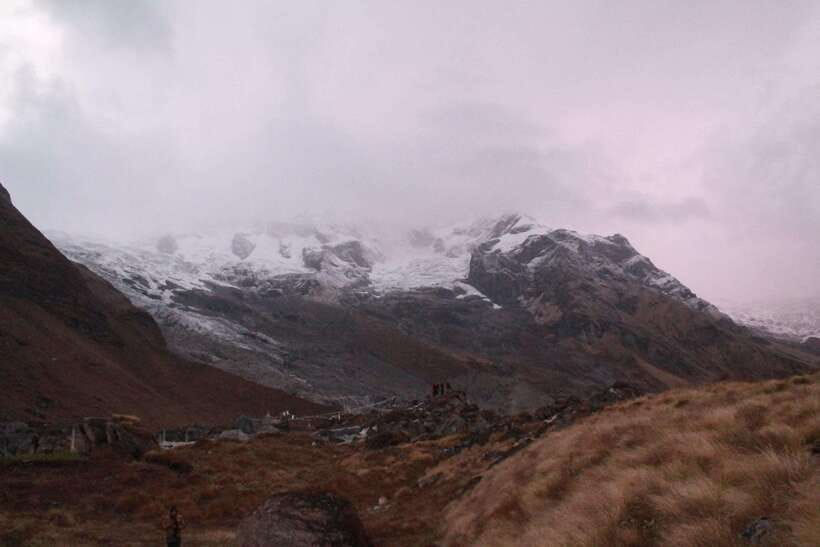
Then comes Manang at about 3,540 meters, where you get an acclimatization day. This is one of the most important parts of the whole trip. You’re not “just sightseeing.” You’re giving your body a chance to adjust before you jump higher.
The payoff of a real acclimatization day is big:
- You can explore around Manang at altitude and feel what your body is doing.
- You get time to slow down mentally, too. High passes are as much about decision-making as they are about legs.
You’ll hear plenty about acclimatization in travel talk. Here’s the practical version: you want to leave Manang with the sense that your breathing is working, not fighting you.
Yak Kharka to Thorong Phedi: Building the Pass Day
From Manang you trek to Yak Kharka (about 4,000 meters) in roughly 4–5 hours. This is the point where the trail starts to feel more “alpine” in character. Vegetation can thin out and the air becomes noticeably harder.
The next step takes you to Thorong Phedi (around 4,450 meters), usually 3–4 hours. Thorong Phedi is a staging area. The point isn’t to win the day. The point is to arrive, eat well, and sleep in a way that lets you get up early and function.
This is where guides like Nir and Milan earn their keep in the real world: they’re helping you manage pacing, comfort, and route logic so you don’t blow yourself out before the main climb.
Thorong La Pass (5,416 m) to Muktinath (3,710 m): The Moment You Remember
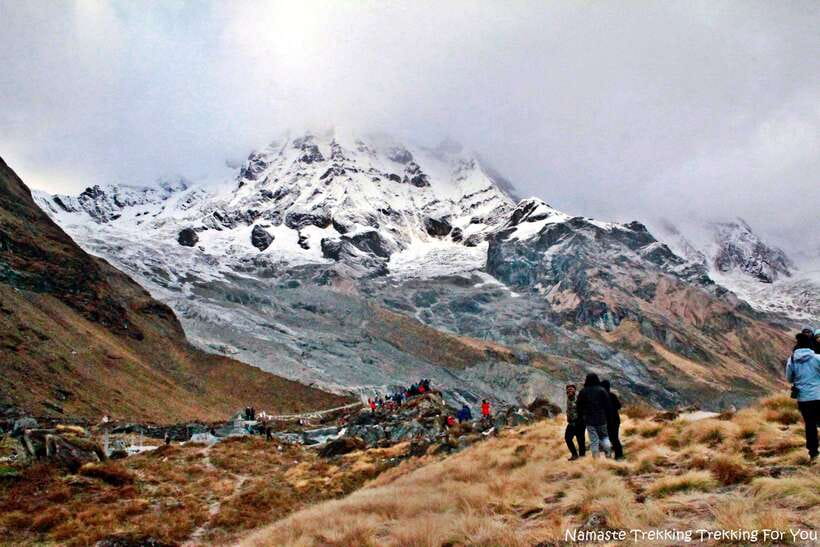
This is the headline. You start from Thorong Phedi and aim for Thorong La Pass at 5,416 meters, then descend toward Muktinath (about 3,710 meters). The total push is commonly 7–9 hours, and yes, it’s long.
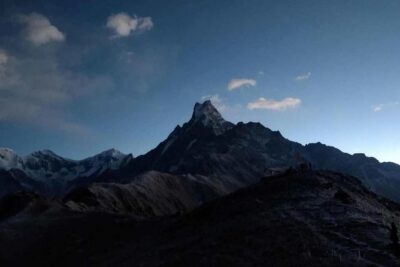
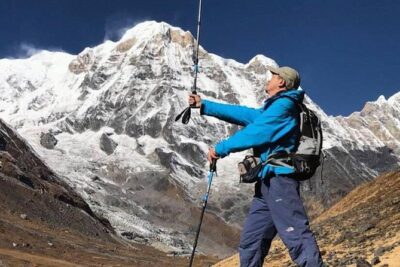
Here’s how to think about that high point. You’re not just reaching a number on a map. You’re crossing into another world of terrain and, often, weather patterns. The rewards are panoramic views of the Annapurna, Dhaulagiri, and Manaslu ranges, and you’ll feel it in your gut the minute you get that open-air perspective.
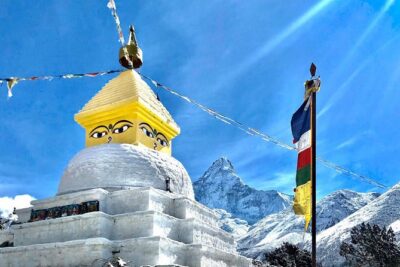
Then you descend to Muktinath, a sacred town with ancient temples and monasteries. This part balances the challenge with meaning. You’re not only “surviving the pass.” You’re arriving somewhere people have honored for a long time, and that adds weight to the day.
Kali Gandaki Gorge to Jomsom: Canyons, Wind, and the Last Big Descent
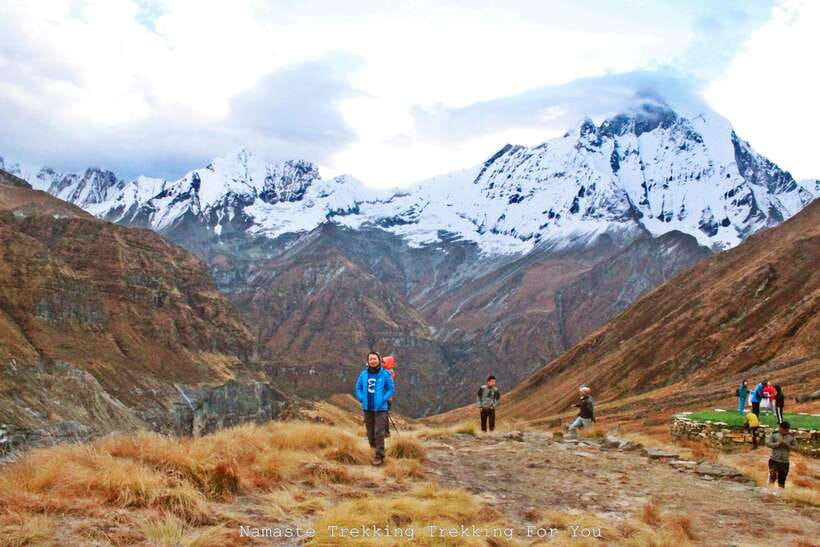
After Muktinath you continue to Jomsom (around 2,720 meters) in about 5–6 hours. This is where the trek shifts into a “finish strong” mode. The route takes you through the Kali Gandaki Gorge, described as the world’s deepest gorge, with the tall peaks of Annapurna and Dhaulagiri framing the canyon.
The gorge section is one of those stretches that feels dramatic even when you’re tired. The air can change again as you drop in altitude, and your senses go from “climb” to “watch.” You’re looking out a lot here, because the scale is hard to process if you’re just focused on your feet.
Finally, you connect out of the trek to Pokhara by drive, typically 6–8 hours. That return day is practical: you’re tired, you want real food, and you want your bed.
The Stops Many People Love: Marpha Apples, Tatopani Hot Springs, and Poon Hill
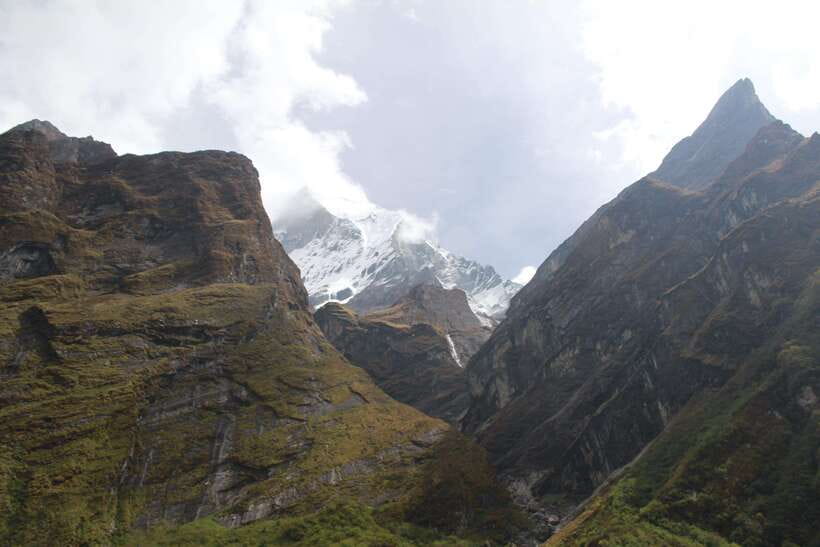
Even with the core circuit route, the Annapurna experience often includes side highlights that add flavor to the days. The trek experience here is described as including:
- Marpha, known for apple orchards
- Tatopani, with natural hot springs
- Ghorepani’s rhododendron-filled forests
- A sunrise viewpoint at Poon Hill for wide panorama views of the Annapurna and Dhaulagiri ranges
I’d treat these as the kinds of bonuses that make the trek feel like more than just a high-pass hike. Apples and hot springs are the reward kind of things. Poon Hill is the “your camera battery will die” kind of payoff.
Because the exact route timing can vary day to day, you should ask your guide how these will fit into your specific schedule. The best advice is simple: plan to be flexible and be ready to get up early if the sunrise window matters.
Teahouses, Meals, and the Comfort Trade-Off
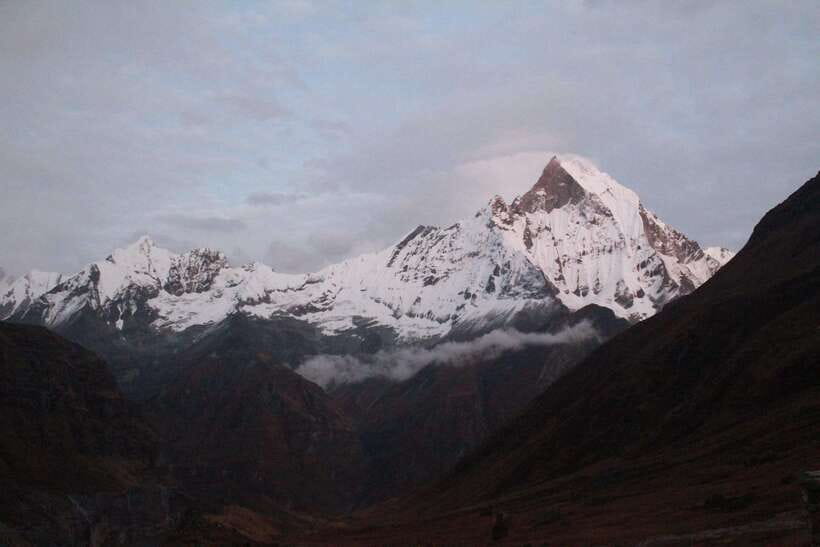
This trek uses teahouse accommodation during the walk. That’s great for value and logistics: you sleep somewhere that already expects trekkers. It also keeps the trek from becoming an equipment test.
But you should know the limits. Meals during the trek are not included, and hot showers and charging facilities are not guaranteed at some teahouses. That means you need to treat food and charging as “available if possible,” not “promised.”
My practical packing advice:
- Bring layers you can use in cold mornings and higher altitude nights.
- Carry a power bank since charging isn’t always reliable.
- Assume you’ll need to buy dinner and breakfast on the trail, so choose a plan that matches your appetite and budget.
Also included is a first aid kit and trekking maps, which is a real comfort for peace of mind.
Price and Value: What You’re Paying For (and What You’re Not)
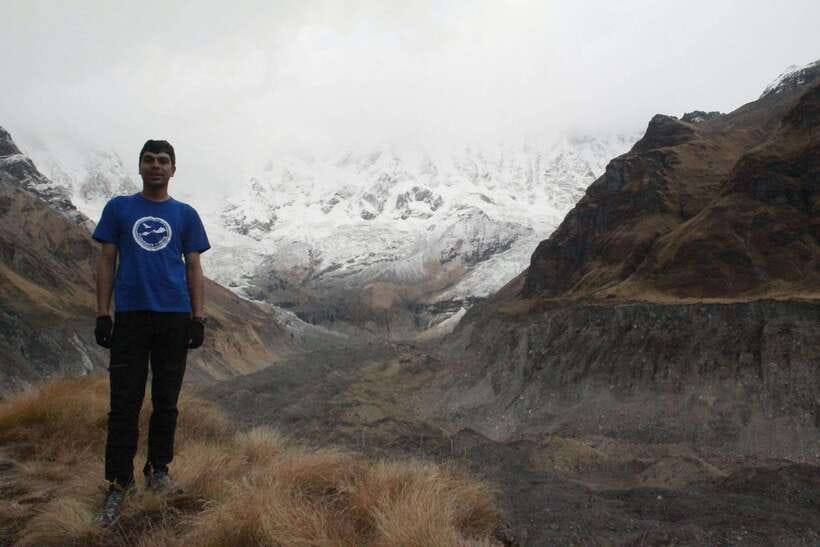
At $430 per person, the big question is what that number includes. Here’s what the package covers:
- Permits (ACAP and TIMS)
- All transportation between Kathmandu or Pokhara and the trailhead
- An experienced English-speaking guide
- Teahouse lodging
- A farewell dinner
- Government taxes and service charges
- Basic support items like a first aid kit and trekking maps
What it does not include:
- Meals during the trek
- International flights
- Travel insurance (mandatory, covering high-altitude trekking)
- Personal gear like sleeping bag, jacket, and trekking poles
- Hot showers/charging where you might hope for them
So is $430 a good value? For this kind of trek, it’s competitive because the deal covers the “hard to DIY” items: permits, logistics to/from trail start, and a guide who can keep you moving safely. Your cost gap mostly shows up in things you can’t ignore anyway: meals, insurance, and proper cold-weather gear.
If you already own the right gear and are comfortable budgeting for trail meals, you’ll likely feel like you got a fair deal. If you still need to buy major gear items, your total cost will rise quickly.
Who Should Book This Trek (and Who Should Skip It)
This Annapurna Circuit Trek makes sense if you want:
- A high-altitude goal (Thorong La Pass)
- Real village walking and cultural contact
- A guided plan that helps manage pacing and daily decisions
- Teahouse comfort that keeps things simple
It’s not suitable for pregnant women, based on the activity details.
Also be honest with yourself about the biggest physical requirement: reaching 5,416 meters means you need a smart approach to effort. If you tend to rush climbs, slow down earlier. If you panic at altitude sensations, this might be harder than you expect even with a guide present.
The good news: guides are repeatedly described as caring and attentive, including named guides like Kim/Khim, Nir, and Milan. That kind of support helps you adjust your plan day by day.
Should You Book It?
I’d book this Annapurna Circuit Trek if you want the classic “from river valleys to high pass” feel, and you’re ready to respect altitude. The route is well paced with an acclimatization stop in Manang, which is exactly what you want when the final climb hits a serious height.
I’d hesitate if any of these are true for you:
- You’re not comfortable managing altitude risk and cold mornings.
- You’re counting on hot showers and easy charging every day.
- You don’t want to handle daily meal costs on top of the tour price.
If you go in knowing it’s a real trekking experience and not a hotel circuit, this can be a strong value at $430, especially because permits and core logistics are handled.
FAQ
What is the highest altitude on this trek?
The highest point is Thorong La Pass at 5,416 meters.
How many days is the Annapurna Circuit Trek?
The trek lasts 10 days.
Are permits included?
Yes. Permits for ACAP and TIMS are included.
What kind of accommodation do you get during the trek?
You stay in teahouse accommodation during the trek.
Are meals included?
No. Meals during the trek are not included.
Is this trek suitable for pregnant women?
No. It is listed as not suitable for pregnant women.