REVIEW · POKHARA
2 Days Very Short Poon Hill Trek from Pokhara
Book on Viator →Operated by CAN Travels · Bookable on Viator
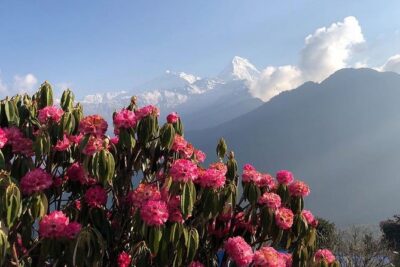
Two days. One big sunrise. This short trek in Nepal’s Annapurna region is designed for people who want serious mountain views without spending a week on the trail. You’ll hike through rhododendron forests, pass small Gurung villages, and aim for that classic early-morning panorama from Poon Hill.
I love two things most: the chance to catch sunrise over the Himalayas (including the Annapurna range and nearby giants like Dhaulagiri and Machapuchare), and the way the trip is run with a government-licensed English-speaking guide. On some departures, guides named Amrit and Biru have impressed hikers by staying supportive, explaining what you’re seeing, and keeping the pace comfortable.
One consideration: if it’s cloudy or rainy, the sunrise can be partially blocked. Even when visibility drops, you can still get changing views through breaks in the weather, but you shouldn’t count on the sky cooperating every single time.
In This Review
- Key highlights to know before you go
- Two Days, One of Nepal’s Most Famous Viewpoints
- Pokhara to the Trailhead: The Scenic Drive You Don’t Want to Rush
- Day 1 to Ghorepani: A Real Overnight in the Hills
- Day 2 Sunrise Climb: Chasing Light Over Annapurna and Beyond
- The Guide Makes It: Amrit, Biru, and the Difference Between Walking and Touring
- What’s Included (and Why It Matters for Your Stress Level)
- Weather, Clothing, and the Sunrise Reality Check
- Price and Value: Is $220 Fair for a 2-Day Poon Hill Trek?
- Who Should Book This Trek (and Who Might Want a Different Plan)
- Should You Book This Poon Hill Trek from Pokhara?
- FAQ
- How long is the 2 Days Very Short Poon Hill Trek from Pokhara?
- Does the trek include hotel pickup and drop-off?
- Is there a guide, and do they speak English?
- Where do you stay during the trek?
- Are trekking poles included?
- Are permits and entrance fees included?
- Is food included?
- Is it a private tour or shared with other hikers?
- What’s the cancellation window?
Key highlights to know before you go
- Sunrise goal at Poon Hill with front-row Himalayan views in a very short time
- Licensed English-speaking guide who helps with safety, pacing, and trail context
- Guesthouse overnight included, so you’re not scrambling for lodging after Day 1
- Trekking poles included for each person, a nice practical boost for steep bits
- Shared jeep or bus transfers between Pokhara and the Ulleri area to save time
- Rhododendron forests and Gurung villages make the walk feel more than just a viewpoint mission
Two Days, One of Nepal’s Most Famous Viewpoints
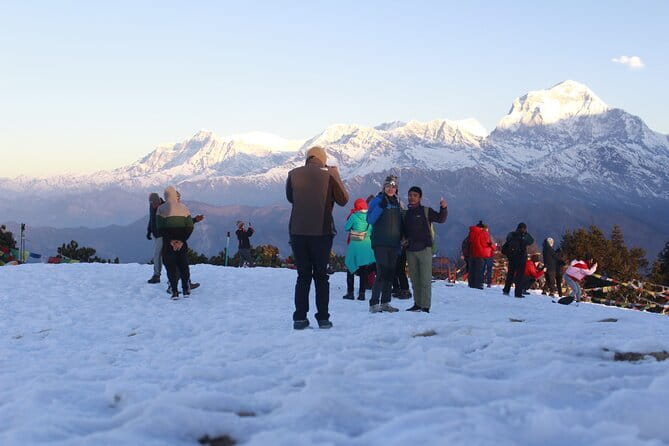
Poon Hill is famous for a reason: it’s reachable in a hurry, yet it still feels like a real mountain moment. In just about 2 days, you’ll go from Pokhara’s lakeside rhythm into higher hills, with the Himalayas slowly taking over the skyline as you climb.
The big win for me is how the trek balances effort and payoff. You’re hiking, but the plan is built for short-trip stamina. That matters in the Annapurna region, where even “short” hikes can still feel long when you’re not used to the altitude and stair-steep trails.
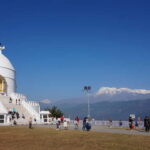
You should also know what to expect from the scenery. This route is known for broad Himalayan sightlines—so instead of one lone peak photo, you tend to get a wider panorama. The route also brings cultural flavor along the way, with Gurung villages and local hospitality as part of the daily rhythm.
You can also read our reviews of more tours and experiences in Pokhara.
Pokhara to the Trailhead: The Scenic Drive You Don’t Want to Rush
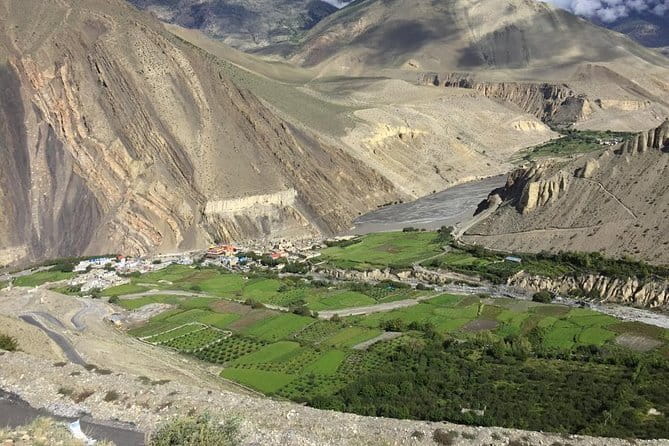
Your day starts with hotel pickup and drop-off in Pokhara, which takes a lot of stress off your planning. From there, you ride toward the trekking area along a scenic route that goes past mountains, rivers, green fields, and forest. It’s not just transport; it’s your first taste of Nepal’s geography changing hour by hour.
Then you connect to the walking portion. The trip includes transfers using a shared jeep or bus to the Ulleri area and back to Pokhara. Because it’s shared, you might wait a little for other participants, but it also keeps things simpler and usually cheaper than private transport.
Timing wise, Day 1 is about 7 hours total. That’s enough to feel like you’re doing a trek, but short enough that you’re not too fried before the guesthouse night. If you’re the type who likes structure (and hates guessing), this kind of bundled transfer-to-trail setup is a big plus.
Day 1 to Ghorepani: A Real Overnight in the Hills
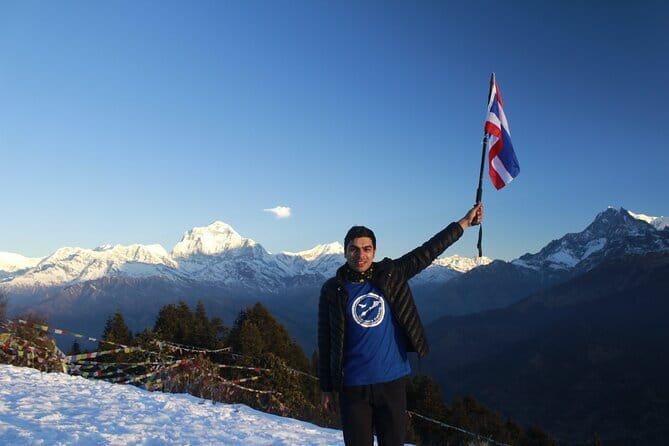
Day 1 focuses on getting you to Ghorepani, where you’ll stay in a guesthouse for the night. That overnight is important. It turns the trek from a single-day “hike to the view” into something more personal—more like a journey with time to reset, warm up, and sleep in the hills.
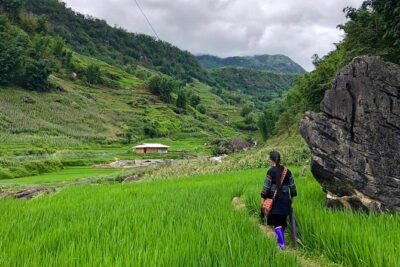
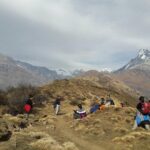
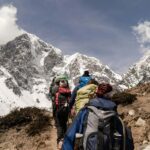
Along the way, you’ll move through lush rhododendron forests and pass charming Gurung villages. This is where the trek becomes more than just distance. You’ll likely feel the shift from open valley scenery to steeper forested trails, and you’ll have chances to see how villages live around the paths.
A practical advantage: your trekking plan includes permits and official documents, and your guide brings a small emergency normal first aid kit. You don’t need to be dramatic about risk, but having a guide who’s carrying the basics makes you feel more settled.
The tradeoff with Day 1 is that it’s hiking plus travel plus altitude adaptation in one package. If you show up without any cardio base, the first day can feel like a shock. Keep your effort steady, and don’t try to power-walk the whole thing.
Day 2 Sunrise Climb: Chasing Light Over Annapurna and Beyond
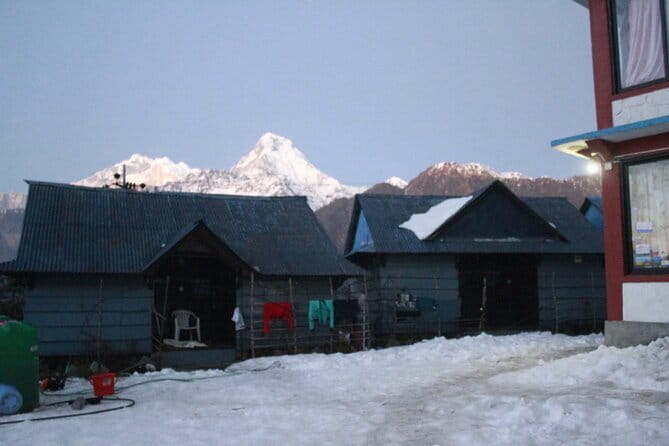
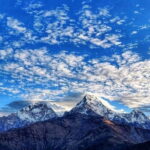
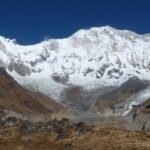
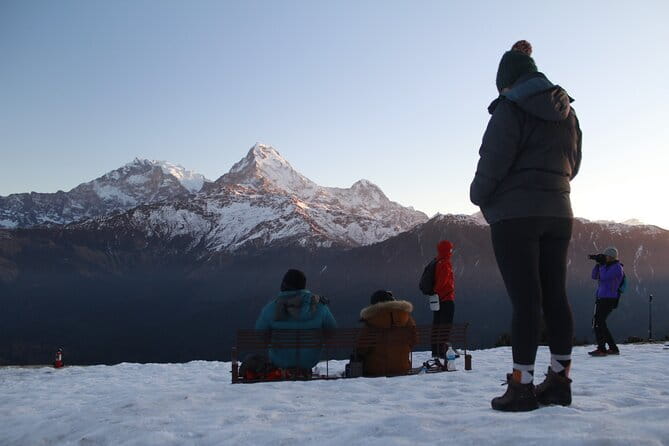
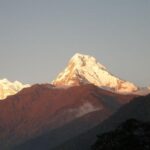
Day 2 is where the trip earns its reputation. You climb to Poon Hill and focus on the sunrise moment over the Himalayas. The viewpoint is positioned to show a sweeping range view, and you’re specifically looking for the Annapurna range and nearby mountains like Dhaulagiri and Machapuchare.
Expect Day 2 to be about 8 hours total, which includes the climb timing and the time you spend up at the viewpoint. The sunrise timing also means you’ll be up early. That’s not a problem if you’re prepared mentally, but it is something to plan around, especially if you’re coming off travel the day before.
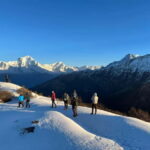
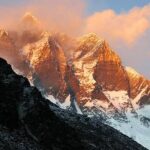
What I like here is that the trip doesn’t pretend sunrise is optional. It’s the centerpiece, and the schedule is built around it. In clear conditions, you get that dramatic moment where light spills across snow and rock, and the peaks gradually look less like a distant idea and more like real, looming geography.
One caution: sunrise can be hard to see in rainy or cloudy conditions. I like that this tour still functions even when the sky isn’t perfect. When visibility improves in breaks, you can still catch great views of Dhaulagiri and Annapurna coming and going through the weather.
The Guide Makes It: Amrit, Biru, and the Difference Between Walking and Touring
This is not a do-it-yourself trek. It’s a private tour with a government-licensed English-speaking trekking guide, so you’re not guessing your way through trail choices or doing mental math about permits.
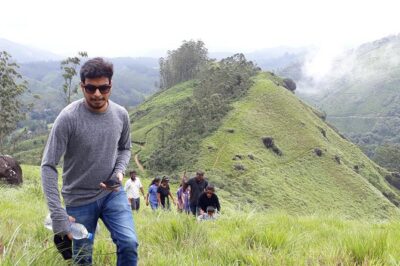
A big reason people rate this trek highly is the guide vibe. On some departures, Amrit has been praised for being professional and attentive—constantly checking that hikers felt comfortable and safe. On other runs, Biru has been mentioned for being friendly and for explaining culture, nature, and mountains in a way that helps the scenery click.
Here’s the practical value: a good guide doesn’t just lead you forward. They help you read the day. They can adjust pace, remind you what’s ahead, and make sure you’re not overreaching in steep sections when your legs start talking back.
Also included is a trekking pole for each person. That’s a small detail with a big impact. Poles reduce stress on knees and make uneven trail footing easier, especially during early climbs to viewpoints.
What’s Included (and Why It Matters for Your Stress Level)
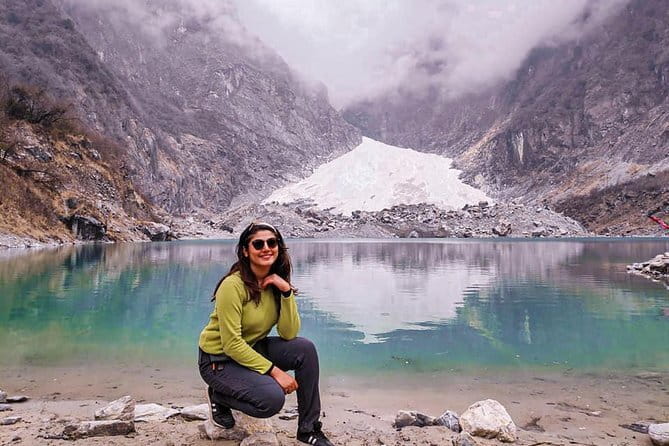
This trek includes several items that save you time and reduce decision fatigue:
- Hotel pickup and drop-off
- Trekking permit and official documents
- Accommodation in guesthouse during the trek
- Entrance fees at Poon Hill
- Pokhara to Ulleri to Pokhara round-trip transfer by shared jeep or bus
- Emergency normal first aid kit with guide
- Trekking poles (one per person)
There’s also private tour setup, meaning only your group participates. For couples or small groups, that often feels less chaotic than multi-group shared hiking.
Two things that are not included are equally important to know:
- Food and drinks are not included, though you can buy them along the route.
- Gratuities are optional.
If you’re the kind of traveler who likes to arrive knowing costs and logistics are covered, the inclusion list helps. You spend less energy coordinating, and more energy actually hiking and looking up.
Weather, Clothing, and the Sunrise Reality Check
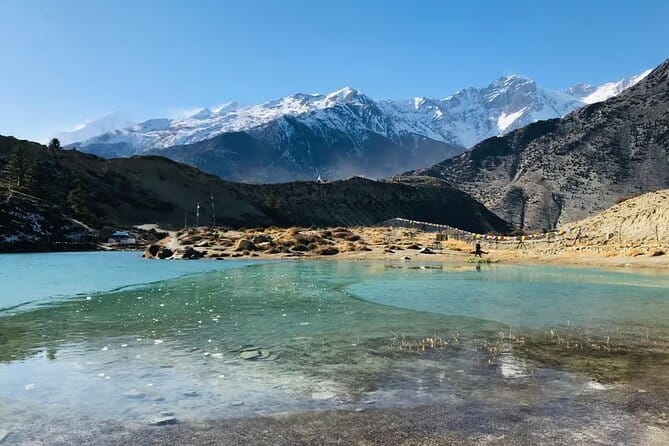
Even with a short itinerary, weather can change the entire feel of the trek. During rainy-season conditions, you may see fewer people and more greenery, but that same moisture can hide sunrise. If this trek is on your calendar during a wetter stretch, I’d treat sunrise as a hope, not a guaranteed photo prompt.
What helps most is being dressed for early starts and changing temperatures. In short treks, you might sweat on the climb and then cool down fast at the viewpoint. Think layers, not one heavy coat. You’ll also want something to manage moisture if the trail is wet.
Footwear matters too. The trails in this region can be steep and uneven. Good grip beats style. And because poles are included, you can use them right away rather than hunting down rentals before you leave Pokhara.
Price and Value: Is $220 Fair for a 2-Day Poon Hill Trek?
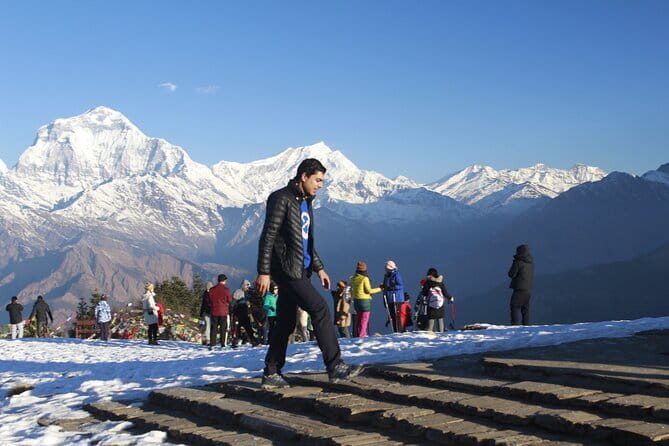
At $220 per person for an approximately 2-day trek, you’re paying for more than “two days of hiking.” You’re paying for the whole package: guide service, permits, guesthouse accommodation, Poon Hill entrance fees, and Pokhara transport via shared vehicle to the Ulleri area.
When I assess value, I ask: what would it cost you to assemble this yourself? Even if you could piece together parts of it, you’d still likely spend time coordinating permits, finding a reliable licensed guide, arranging lodging, and handling transfers. Here, those tasks are taken off your plate.
You also have a practical advantage: the trek is described as suitable for travelers with moderate physical fitness. That often means you won’t need specialized training to participate, but you still should be comfortable hiking uphill for multiple hours on consecutive days.
One more value note: it’s a private tour, but the transport is shared. That can be a sweet spot—less expensive than full private vehicles, while still giving you personal guide attention on the trail.
Who Should Book This Trek (and Who Might Want a Different Plan)
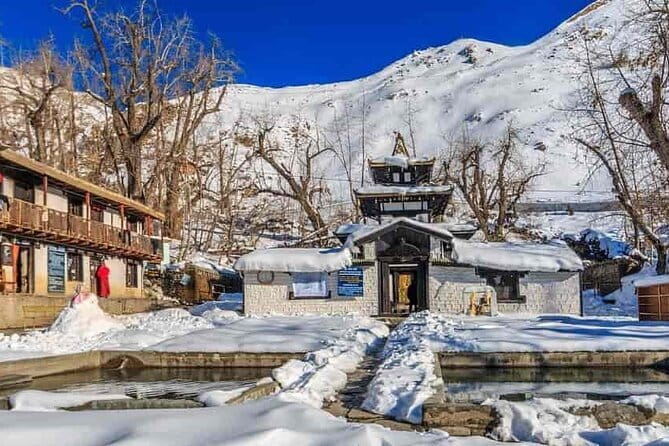
This short Poon Hill trek is a good fit if you:
- Want a high-impact Himalayan viewpoint experience in about two days
- Prefer a licensed English-speaking guide rather than self-guiding
- Like the idea of a guesthouse overnight instead of a day-only hike
- Are traveling as a couple or small group who values a private setup
You might want to reconsider if:
- You’re fragile with early wake-ups and steep climbs, because sunrise logistics start early
- You’re extremely dependent on seeing sunrise every time, since weather can block it
- You have very limited mobility or stamina; the trip is aimed at moderate physical fitness
If you’re short on time but still want something real, this kind of trek checks the boxes: mountain views, cultural village atmosphere, and a guide who keeps the hike moving at a human pace.
Should You Book This Poon Hill Trek from Pokhara?
If your priority is: big Himalaya views, a classic sunrise mission, and minimal planning stress, I’d say this trek is worth strong consideration. The inclusions matter—permits, guide, guesthouse, poles, entrance fees—because those are the pieces that usually eat your time (and sometimes your budget) when you try to DIY.
The main reason to hesitate is weather sensitivity. If you’re going during a period when clouds are common, accept that sunrise might be patchy. Still, even when sunrise is muted, you can get meaningful mountain glimpses, especially when the sky briefly clears.
Overall, if you want a short trek that feels guided, organized, and human, booking this 2-day Poon Hill plan is a smart move.
FAQ
How long is the 2 Days Very Short Poon Hill Trek from Pokhara?
It lasts about 2 days (with Day 1 around 7 hours and Day 2 around 8 hours).
Does the trek include hotel pickup and drop-off?
Yes. The tour includes hotel pick up and drop off in Pokhara.
Is there a guide, and do they speak English?
Yes. You get a government-licensed English speaking trekking guide.
Where do you stay during the trek?
Accommodation in a guest house during the trek is included.
Are trekking poles included?
Yes. Trekking pole per each one is included.
Are permits and entrance fees included?
Yes. The trek includes a trekking permit and all official documents, plus entrance fees at Poon Hill.
Is food included?
No. Food and drinks are not included, but you can purchase them along the way.
Is it a private tour or shared with other hikers?
It’s private. Only your group will participate.
What’s the cancellation window?
Free cancellation is available. You can cancel up to 24 hours in advance for a full refund.
If you tell me when you’re going (month) and your hiking comfort level, I can help you sanity-check the odds for sunrise and how to plan your day pacing.