REVIEW · KATHMANDU
14 Days Everest Base Camp Trek
Book on Viator →Operated by Master Himalaya Treks and Expedition · Bookable on Viator
Everest Base Camp, but with real support. This 14-day trek runs you from Kathmandu to Lukla and step-by-step up the Khumbu Valley, with mountain-range drama as a reward for your effort. I like that the trip is built around altitude acclimatization days and real trekking pacing, and I also like the practical help: certified guide, a porter setup (1 porter for 2 trekkers), and meals handled for you. One consideration: altitude can still sideline even the strongest walkers, so you need a plan B mindset for the toughest days.
On paper, it’s a straightforward route. In real life, the details matter, like how you start each day, when you rest, and who helps you make smart calls. This one is a private tour, so your group pace stays yours. Still, pack carefully: trekking shoes and sticks aren’t included, and you’ll want to show up with at least moderate fitness to enjoy the trek instead of just surviving it.
In This Review
- Key things that make this Everest trek work
- Why this 14-day plan feels more controlled than a rushed Everest push
- Kathmandu kickoff in Thamel: your rest day actually helps
- The Lukla day: short flight, big mountains, and early miles
- Days 2–3: Lukla to Phakding, then Namche via Dudh Koshi
- Day 4 in Namche: rest, culture, and a viewpoint you’ll remember
- Day 5: Tengboche and the largest gompa feeling
- Days 6–7: Dingboche’s stone walls and an intentional rest day
- Days 8–10: Lobuche, Everest Base Camp, and Kala Patthar’s payoff
- Days 11–14: Khumjung, Lukla return, and Kathmandu farewell
- Guide and porter setup: why support matters at high altitude
- Price and value: what your $1,600 covers, and what to plan for
- Altitude reality check: the trek is spectacular, and it’s still serious
- Who this trek fits best
- Should you book this 14-day Everest Base Camp trek?
- FAQ
- Where does the trek start and end?
- How do you get to Everest region—do you trek from Kathmandu?
- What’s included in the trip price?
- What’s not included?
- Is this a private tour?
- What fitness level do I need?
- Are tickets provided?
- Can I cancel for a full refund?
Key things that make this Everest trek work
- Lukla flight included: you save days of hiking just to reach the Khumbu region
- Acclimatization built in: Namche and Dingboche come with rest time before higher effort
- Monastery stop at Tengboche: spiritual Khumbu culture, not just miles on a trail
- Kala Patthar viewpoint day: a hard hike with the best big-Everest payoff
- Guide + porter ratio: a porter for 2 trekkers helps keep you from burning out
- Meals during the trek: less decision fatigue each day when you’re tired
Why this 14-day plan feels more controlled than a rushed Everest push
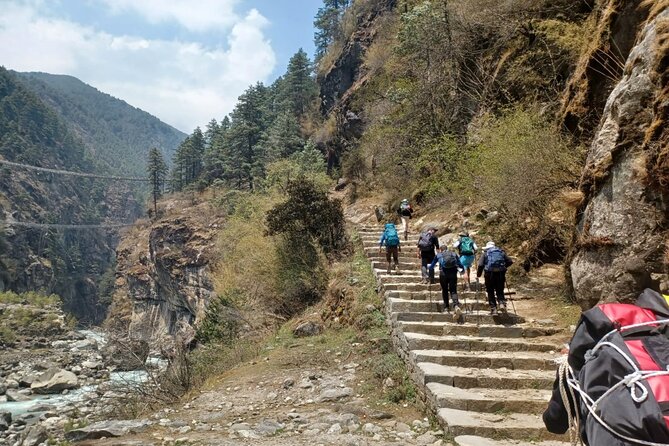
Everest Base Camp is famous for good reason, but the part that can make or break your trip is how you manage altitude. This itinerary spreads the hard work across multiple days rather than stacking everything into a single brute-force week.
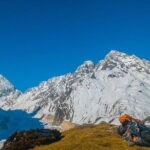
You’ll spend time in the Khumbu Valley’s main Sherpa hubs (like Namche Bazaar and Dingboche) before the route pushes higher. That matters because the body doesn’t just care about distance; it cares about how fast you climb. You also get a late-trip “wow” day at Kala Patthar, which is the kind of effort that makes the entire trek feel like it added up.
The other thing I like: it’s not presented as a survival test. You get meals planned, a guide to manage route timing, and first aid service listed as part of the support. That doesn’t remove risk, but it makes the trip feel properly run.
You can also read our reviews of more tours and experiences in Kathmandu.
Kathmandu kickoff in Thamel: your rest day actually helps
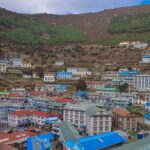
Most people underestimate how much your first 24 hours matters on an Everest trek. Here, you land at Tribhuvan International Airport, get transferred to your hotel, and you get the day on your own. That’s a smart setup after a long flight because it lets you sleep, eat normally, and get your bearings in Thamel (the listed start meeting point).
It also gives you a chance to get your gear together without rushing. Since trekking equipment like sticks and shoes isn’t included, this is where you can confirm what you have, buy what you still need, and make sure your layers are right for cool nights in the Himalaya.
Think of Kathmandu Day 1 as the buffer that protects your trek. You’ll feel it later when you’re tired and the altitude starts talking back.
The Lukla day: short flight, big mountains, and early miles
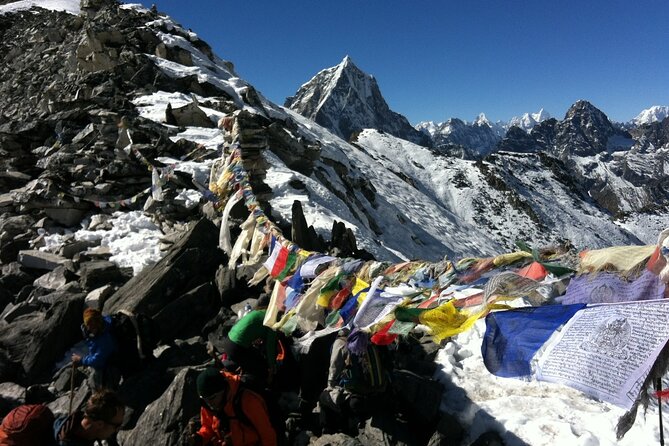
Day 2 begins with the famous flight from Kathmandu to Lukla (listed as about 40 minutes). The value here is simple: you skip days of low-altitude approach trekking and land right where the Everest route begins.
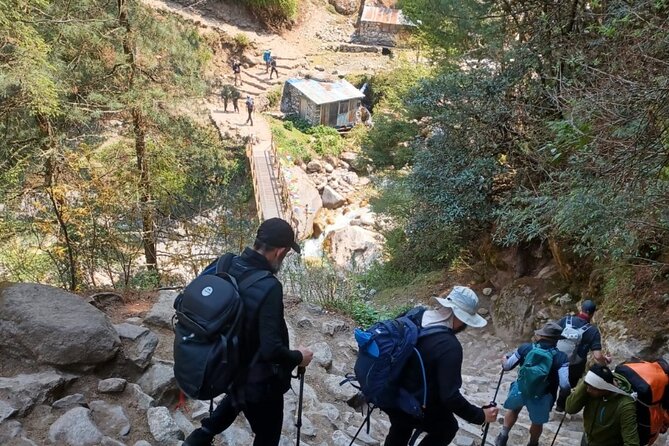
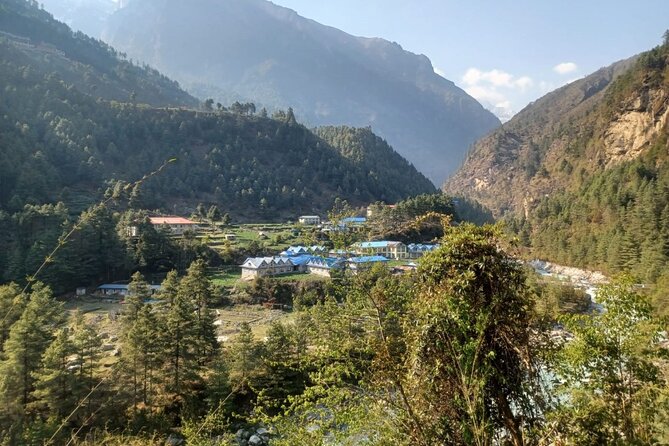
Once in Lukla (about 2,850m), you start trekking downhill toward Phakding, crossing suspension bridges along the way. This is one of those days where the trail can feel easier physically, but the altitude still reminds you to walk steadily. Suspension bridges are also a nice mental warm-up because the Khumbu trail is all about short climbs, descents, and steady rhythm.
Why I like starting this way: you’re moving right away, but you’re not instantly hit with the highest elevations. You also get your first real taste of the Himalayan scale as you move through valley scenes where peaks show up in layers.
Days 2–3: Lukla to Phakding, then Namche via Dudh Koshi
Day 3 is where the trek starts feeling like a serious journey. You move from Phakding up toward Namche Bazaar (the plan lists around 12 hours). The route follows the Dudh Koshi river and includes multiple suspension bridges, including the Hillary Suspension Bridge.
Namche is more than a stop. It’s a hub: Sherpa life, trekking equipment shops, and plenty of places to refuel your body and your mind. You’ll also notice that people don’t treat Namche like a hotel town. It’s a working mountain community, and that brings the trip to life beyond the view photos.
One practical note: long days are normal here. You’ll want to keep your pace slow enough that you can breathe comfortably. If you go out too fast, altitude punishes you later.
Day 4 in Namche: rest, culture, and a viewpoint you’ll remember
Instead of pushing higher immediately, Day 4 is built for acclimatization. You spend most of the day exploring Namche Bazaar, then you visit Everest View Point for panoramic mountain sight.
This is the day I recommend treating like training, not sightseeing. You’ll want to move, but you should avoid the temptation to “win the day.” Acclimatization works best when you practice a calm rhythm: eat, hydrate, and take rest seriously.
This stop also has a good human payoff. Namche is where you’ll see the Sherpa trekking economy up close—coffee shops, gear shops, and the everyday side of a town that exists because of the mountains.
Day 5: Tengboche and the largest gompa feeling
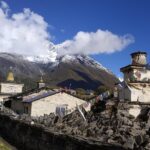
Day 5 takes you to Tengboche and then to the Tengboche Gompa. Tengboche is known for its spiritual importance, and the plan specifically mentions the largest monastery (gompa) in the Khumbu region plus Lama spiritual rituals.
If you’re into cultural stops, this is one of the most meaningful days. It’s not just a photo stop with a quick glance. You’re stepping into a place where mountain life and faith are closely tied, and where rituals happen in the same region you’re hiking through.
Practical expectation: you’ll still trek on a mountain schedule, so keep your head in trekking mode. But build in extra time for quiet moments at the gompa. It makes the next leg feel easier.
Days 6–7: Dingboche’s stone walls and an intentional rest day
Day 6 continues to Dingboche, a place where you’ll gradually gain altitude. The route passes through valley scenes described with a kilometer of stone walls made from different-sized stones around the Imja area. It’s the kind of detail you normally miss when you’re rushing. But on Everest treks, those small features become part of the mental landscape.
Day 7 is a rest day in Dingboche to adapt to the higher altitude. That’s a key ingredient. Base Camp isn’t just a location; it’s a final stress test after many days of climbing. Rest days reduce the chance you turn the trek into an altitude struggle.
How to use this day well:
- Walk gently if you feel good, but don’t force big mileage
- Focus on hydration and steady meals
- Pay attention to how your sleep feels (altitude often shows up overnight)
The goal is simple: arrive stronger at Lobuche and Everest Base Camp, not just higher on the map.
Days 8–10: Lobuche, Everest Base Camp, and Kala Patthar’s payoff
Day 8 brings you to Lobuche. The plan mentions passing Thukla, ascending to Dughla Pass, and witnessing Tabuchi and Arakam peaks on the way. It’s a “closer every day” segment, and Lobuche is surrounded by hills and valleys as you get closer to the Base Camp area.
Day 9 is the big one: you reach Everest Base Camp, then trek back to Gorak Shep. The plan lists this day as around 5 hours, which helps you understand the pacing. This day can feel challenging because of altitude, even if the hiking hours don’t look extreme on paper. Keep your expectations flexible. You might feel great when you start and slower as you approach the final stretch.
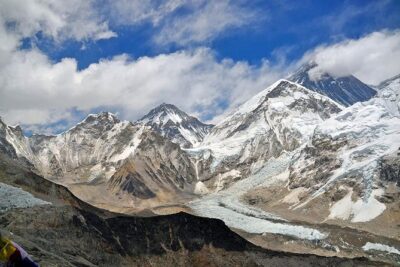
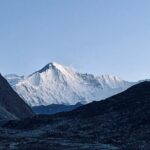
Day 10 is your viewpoint mission: hike to Kala Patthar from Gorak Shep for views of Mount Everest, then trek down to Pheriche. The itinerary lists around 6 hours total. This is where the trek often feels like it becomes a story you’ll keep telling. The climb to Kala Patthar is effort-heavy, but it’s the classic “I came this far” moment.
Also, Day 10 switches the script from high-effort climbing to descent. That makes it feel like you earn relief, not just keep going.
Days 11–14: Khumjung, Lukla return, and Kathmandu farewell
Day 11 moves to Khumjung. The itinerary notes the Dudhkoshi river, an Everest viewpoint, and the Ruler market. Markets on Everest treks are practical places—where supplies and everyday Sherpa life overlap with the trekking world. Even if you don’t buy much, you’ll feel the rhythm change from “camp and hike” to “community and trade.”
Day 12 is the return trek to Lukla and a flight day. The plan describes Lukla’s airport as famously demanding. Even if you don’t obsess over the reputation, plan for weather and keep your mood steady. That day is part celebration, part logistics.
Day 13 flies back to Kathmandu and includes a farewell dinner with the Master Himalaya team. It’s a good final touch because it’s where you swap notes, share what you learned, and decompress without rushing.
Day 14 is simple: a team member drops you at Tribhuvan International Airport. That wrap-up matters because the trek ends, but travel stress can spike if you’re left coordinating.
Guide and porter setup: why support matters at high altitude
This trip includes a government certified guide and a porter with a ratio of 1 porter for 2 trekkers. In practical terms, that means you’re not carrying everything on your back all day. On the Everest route, that can be the difference between feeling focused and feeling wrecked.
You also get all meals during the trek, plus first aid service. The plan lists restroom on board and handles flight logistics to and from Lukla. On a trail like this, removing daily decision-making helps. You don’t want to spend mental energy wondering what to eat or how to manage timing.
One more subtle point: having a guide helps you respect acclimatization. When altitude starts causing trouble, the “right” response is usually not pushing harder. It’s adjusting pace, monitoring symptoms, and sometimes making a smart turnaround call if your body isn’t cooperating.
Price and value: what your $1,600 covers, and what to plan for
At $1,600 per person, the value here is largely in what’s included. You’re paying for more than a map and a promise. The itinerary includes:
- Pickup and drop-off at the airport
- Flight from and to Lukla
- Meals during the trek
- Guide + porter coverage
- Farewell dinner
- First aid service
When flights and meals are included, your budgeting gets simpler. You’re less likely to get surprised by the most expensive daily costs in remote areas.
What’s not included is also clear, and you should plan for it:
- International flight and visa fees
- Drinks and beverages
- Personal expenses
- Travel insurance
- Trekking equipment (sticks, trekking shoes)
My advice: don’t treat equipment as optional. Buy or rent what you need before you start, then break in your footwear at sea level if possible. Bad boots turn a hard trek into a painful one.
Altitude reality check: the trek is spectacular, and it’s still serious
Even with a route that includes acclimatization stops, altitude can hit hard. The itinerary gives you Namche and Dingboche rest, plus a staged climb toward Lobuche and then Base Camp. That’s smart planning.
Still, you should go in with flexibility. If you feel unwell, altitude sickness isn’t something to ignore. The itinerary’s support (guide, first aid service, and rest days) is there to help you make safer decisions.
Practical mindset that works:
- Walk slower than you think you should
- Don’t measure success by speed
- Treat rest as part of the schedule, not as wasted time
If you keep that mindset, you’ll enjoy the scenery more and the hard days less.
Who this trek fits best
This is a strong match if you:
- Want a structured plan with private group pace
- Like Sherpa culture stops, including monastery time at Tengboche
- Are comfortable with multi-day trekking and want help carrying the load
- Can handle long days and cold nights with moderate physical fitness
It may not be the right fit if you hate unpredictable weather days at high altitude or if you’re looking for something with minimal effort. Everest Base Camp is always a challenge. The question is whether you’re set up for challenge with the right pacing and support.
Should you book this 14-day Everest Base Camp trek?
If you want Everest without DIY headaches, I’d seriously consider booking it. The combination of Lukla flights, guided trekking support, included meals, and deliberate acclimatization days makes the plan feel practical for real people, not just fit athletes.
Book it if you’re excited to work for views, respect altitude, and appreciate cultural stops as part of the journey. Skip it (or pick another format) if you want a casual vacation or you’re not ready to commit to trekking basics like gear, pace, and patience.
FAQ
Where does the trek start and end?
The trek starts at the meeting point in Thamel, Kathmandu 44600, Nepal. It ends back at the same meeting point.
How do you get to Everest region—do you trek from Kathmandu?
No. The itinerary includes a flight from Kathmandu to Lukla and a flight back from Lukla to Kathmandu.
What’s included in the trip price?
The package includes airport pickup and drop-off, all meals during the trek, a government certified guide, a porter (1 porter for 2 trekkers), first aid service, the Lukla flights, and a farewell dinner.
What’s not included?
Not included are international flights and visa fees, drinks and beverages, personal expenses, travel insurance, and trekking equipment like hiking sticks and trekking shoes.
Is this a private tour?
Yes. It’s listed as a private tour/activity, meaning only your group participates.
What fitness level do I need?
You should have moderate physical fitness to enjoy the trek.
Are tickets provided?
Yes. The experience notes mobile ticket use.
Can I cancel for a full refund?
Yes. Free cancellation is available. You can cancel up to 24 hours in advance for a full refund, based on the experience’s local time.