REVIEW · POKHARA
Pokhara: 3-Day Trek
Book on GetYourGuide →Operated by iTourNepal P Ltd · Bookable on GetYourGuide
Three days is enough to fall for Annapurna. This private Pokhara trek takes you out of the city and up into the foothills for Annapurna Range sunrise/sunset views and big ridge walks without going full ultra-trek mode.
I really like the lodge setup: attached bathroom and toilet, with a hot shower on the first night. The other big win is the licensed English-speaking guide and porter, so you’re not figuring everything out on your own. One real consideration: hotel pickup is only included if you’re in Pokhara’s Lakeside area, and it can cost extra elsewhere.
In This Review
- Key Points That Make This Trek Worth Your Time
- Why This 3-Day Pokhara Trek Feels Like a Himalayan Starter Kit
- The Route Concept: Naudanda, Dhampus Ridge, Australian Camp, and Astam
- What I’d Watch Out For
- Australian Camp at Sunrise: The View You Actually Remember
- Dhampus to Pothana to Australian Camp: Day 1’s Real-World Flow
- Why This Day Works for Most People
- One Small Consideration
- Astam and the Annapurna Eco Village Resort: Comfort Meets Purpose
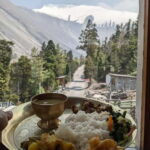
- Meals on Day 2
- The Final Descent Back to the Highway: Day 3’s Easy Wrap-Up
- Your Trek Support Team: Licensed Guide, Porter Power, and Real Nepal Stories
- How Pace Customization Helps You
- Lodging and Bathrooms: What Comfort You Get (and What’s Not Guaranteed)
- Price and Value: Is $250 Per Person a Good Deal?
- Budget Reality Check
- Practical Packing: Shoes, Sun, and the Small Stuff That Saves Your Day
- Logistics That Matter: Pickup Area, Briefing, and How the Trek Starts
- Plan Around the Pickup Limit
- Who This Trek Fits Best
- Should You Book This 3-Day Pokhara Trek?
Key Points That Make This Trek Worth Your Time
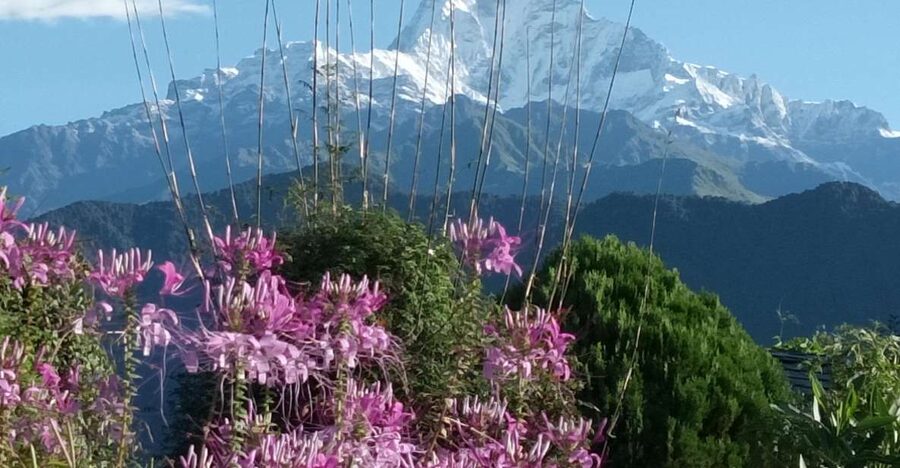
- A short, manageable trek that still feels like real Himalayan walking
- Australian Camp in rhododendron forest with a sunrise panorama over the Annapurna Range
- Ridge-to-Astam walking with villages and terraces instead of only “trail with views”
- Comfort built in: attached facilities and hot shower on night one
- Organic eco-village stop in Astam, with the chance to learn about farming practices
- English guidance + porter support, plus a route you can shorten by driving parts of it
Why This 3-Day Pokhara Trek Feels Like a Himalayan Starter Kit
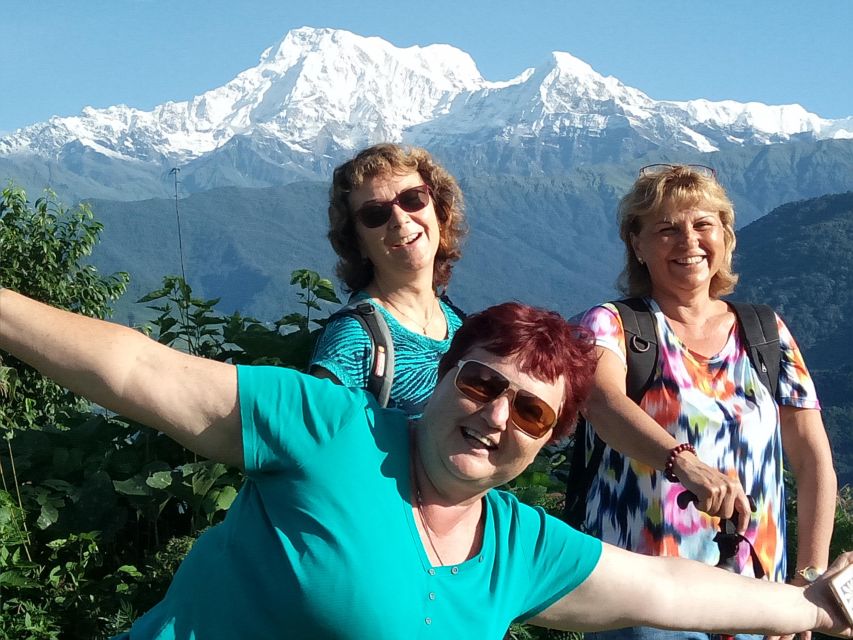
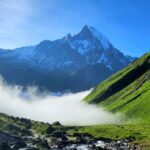
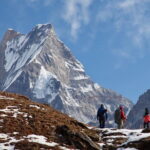
The appeal here is the balance: you get genuine mountain scenery, but you keep the stress level low. You’re in the western foothills, about 30 kilometers northwest of Pokhara, where Mount Fishtail and the Annapurna Himalayas hang over the valley.
This is the kind of trek that works even if you’re short on time. It also suits you if you want to learn how trekking feels—breath, pace, villages, tea-house rhythm—without spending days and days getting there.
You can also read our reviews of more tours and experiences in Pokhara.
The Route Concept: Naudanda, Dhampus Ridge, Australian Camp, and Astam
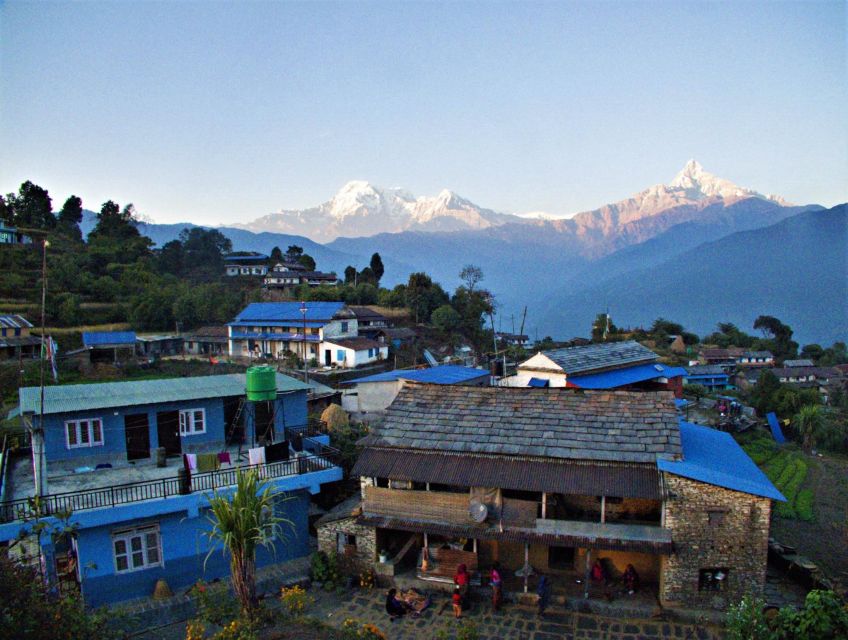
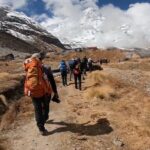
The trail system is built around a simple idea: go down a bit, climb to a ridge, then walk along it toward Astam. Along the way you pass through a famous teahouse settlement area called Australian camp, then you follow the ridgeline via spots like Dhampus into village country.
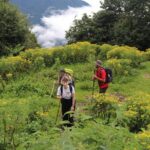
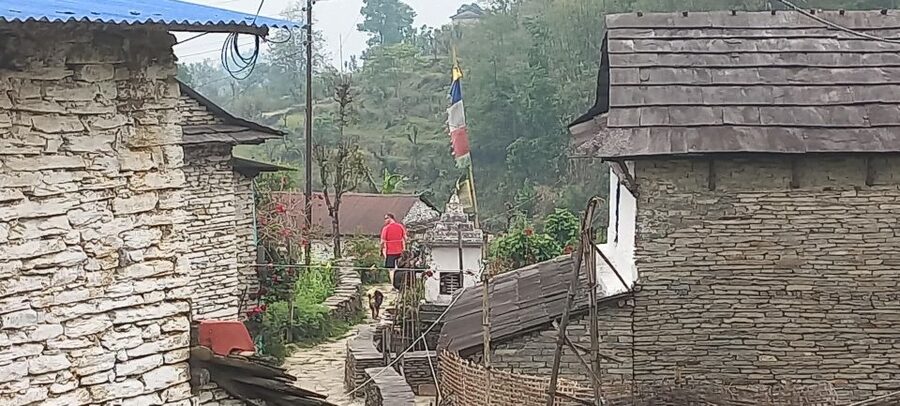
Most of the walking is scenic—terraces, seasonal crops, and that classic “valley framed by giant peaks” feeling to the north. And because the route can be customized with driving options, you can protect your legs if you want a slightly shorter day or a gentler rhythm.
What I’d Watch Out For
This is labeled easy/short, but it’s still trekking. If you have limited mobility, the uphill segments and uneven paths can be a problem, and the activity isn’t suited for mobility impairments or pregnancy.
Australian Camp at Sunrise: The View You Actually Remember
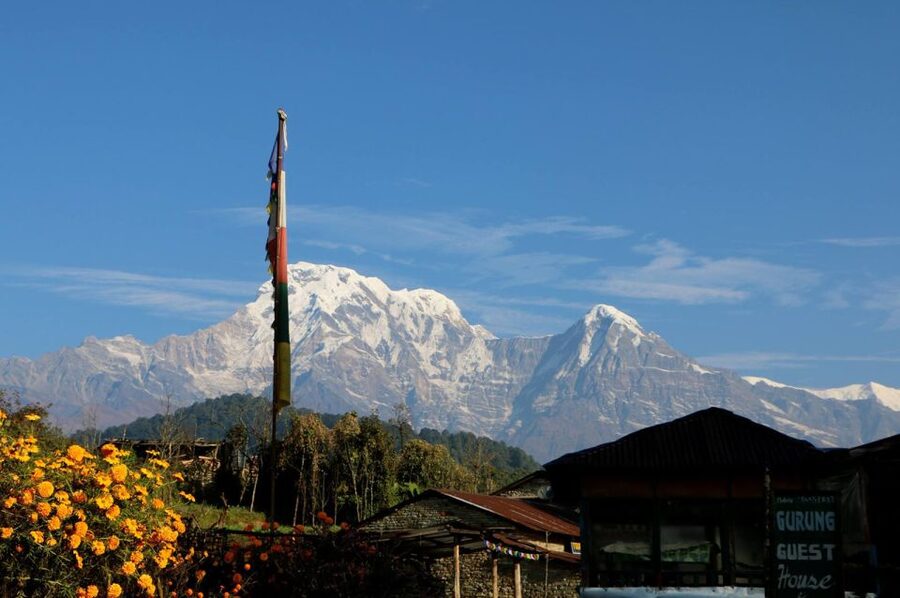
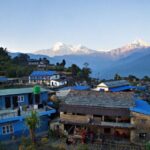
Your first overnight is at Australian camp, a small teahouse settlement above Dhampus, in a rhododendron forest area. It’s set up for trekkers and has been hosting walkers for well over a decade, and that matters because it means the place is practical, not chaotic.
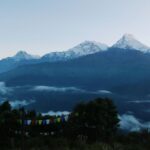
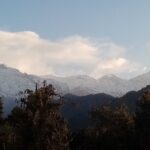
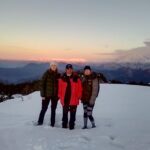
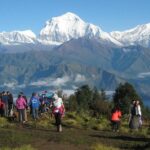
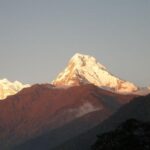
The top benefit is timing. You’re in position for the classic morning moment when the light hits the Annapurna Range for a wide, panoramic feel. Multiple guide-and-guest accounts describe the sunrise view from the camp as the standout part of the whole trip.
There’s also a human element here. This is not a “just look, then move on” stop—you get the real village-teahouse pace, where you’ll be ordering tea, taking a breath, and watching the valley wake up.
Dhampus to Pothana to Australian Camp: Day 1’s Real-World Flow
Day 1 is mostly about getting your legs under you while the scenery slowly ramps up.
- First, there’s a short drive to Naudanda in the western valley rim of Pokhara.
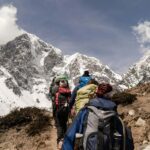
- Then you hike down toward a stream and climb up to Dhampus (about 2 hours, per the planned schedule).
- After Dhampus, you continue toward Pothana for lunch (about 1 more hour).
- Finally you walk a shorter stretch (around 30 minutes) to reach Australian camp for the night.
Why This Day Works for Most People
You start with a gentle rhythm: some downhill, then a climb, then a break for lunch. It’s a good “first day” pattern because it doesn’t throw you into constant steepness right away.
One Small Consideration
Since meals aren’t included, you’ll want to plan for lunch costs along the way. The teahouses can prepare food for you, but you’ll be paying directly at the point you order.
Astam and the Annapurna Eco Village Resort: Comfort Meets Purpose
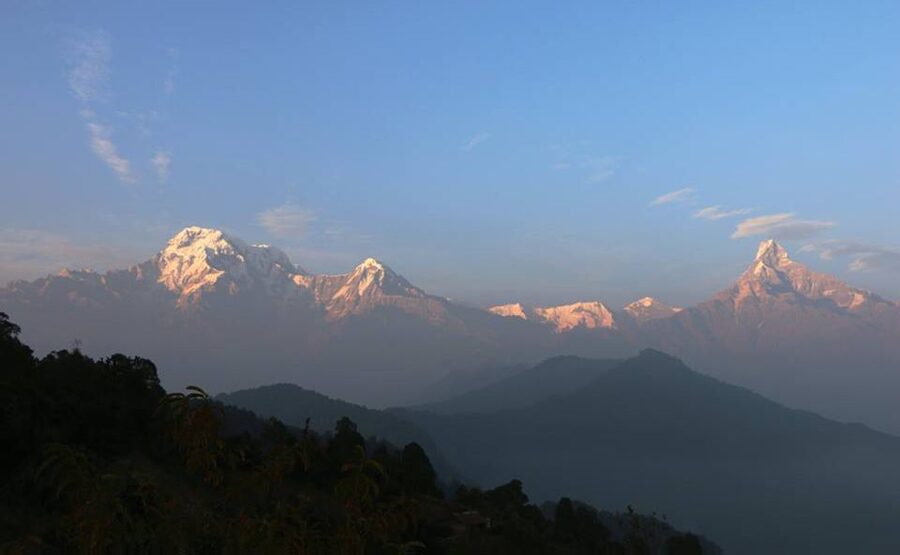
On Day 2 you’re heading to Astam, and the walk is designed to stay scenic. You’ll enjoy breakfast with Himalayan views, then follow the ridge and reach Annapurna Eco Village Resort for your second night.
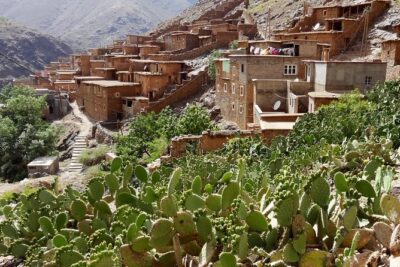
The resort is described as simple but comfortable, with attached bathroom/toilet. What makes this stop more than just a bed is the setting and the eco focus: the village uses water reuse, rainwater harvesting, and organic farming methods.
If you like your travel to have more than one layer, this is where the trek pays off. You’re not only walking through scenery—you get a chance to learn how people live with the land, and how they manage resources in a mountain village environment.
Meals on Day 2
This portion of the plan includes organic meals at the eco village stop. Outside that, meals are still not included in the base package, so don’t assume dinner and breakfast are always covered everywhere.
The Final Descent Back to the Highway: Day 3’s Easy Wrap-Up
Day 3 is the most straightforward. You trek downhill for about 2 hours to the highway, then you drive back to Pokhara.
This is a nice ending because it avoids the “one last big climb” feeling that can make short trips feel longer than they are. You get to finish with fresh energy, shower (depending on what you need and where you stop), and an easier transition back to normal life.
Your Trek Support Team: Licensed Guide, Porter Power, and Real Nepal Stories
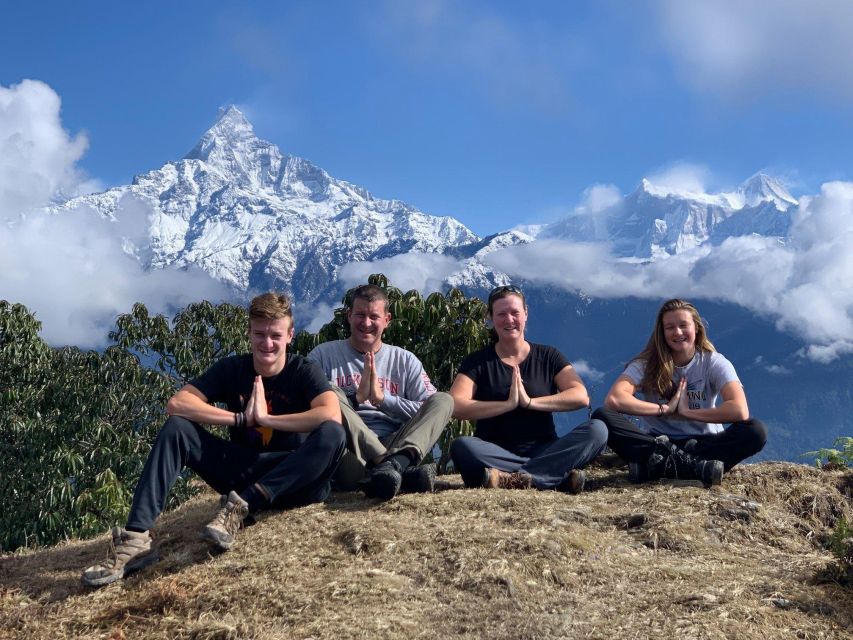
A licensed and experienced trekking guide leads the walking, and there’s a porter for luggage each day. This is one of the biggest value points in the whole package, because it keeps you focused on walking and scenery instead of carrying extra load.
English support is also a practical win. In past groups, guides have been described as attentive and safety-minded, with names like Prabin, Jit, Dansay, and Probin showing up in accounts. A porter named Basanta was also mentioned as kind and helpful, which fits the general purpose of having support on a short trek: you get help now, and you don’t worry later.
How Pace Customization Helps You
The route is private and can be customized to match your walking interests. That means if you want to go slower on a ridge section, you can. If you want to shorten a segment with driving to a higher point, that option exists, which is great for mixed fitness days.
Lodging and Bathrooms: What Comfort You Get (and What’s Not Guaranteed)
This trek’s comfort setup is one of its selling points.
- Night 1: Australian camp teahouses
You’ll have an attached toilet and bathroom, and this stop specifically includes a hot shower.
- Night 2: Annapurna Eco Village Resort in Astam
Rooms are described as simple and comfortable with an attached bathroom/toilet. The plan notes the attached facilities, but it doesn’t explicitly promise hot showers for this second night.
If you care a lot about daily hot water, I’d treat the first night as your certainty and keep expectations flexible for the second night.
Price and Value: Is $250 Per Person a Good Deal?
At $250 per person for a 3-day trek, you’re paying for more than “walking with views.”
What’s included:
- Private transportation to and from the trail head
- Teahouse accommodation with attached bathroom/toilet on night one (plus the hot shower noted)
- Trekking guide and porter
What’s not included:
- Meals (you order directly at teahouses and pay)
- Insurance
So the real value equation is this: you’re outsourcing the logistics and support, and you’re buying comfort at the overnight stays. For many people, that’s worth it because it reduces friction—especially in a place where routes and schedules are easier when a local guide manages the flow.
Budget Reality Check
Because meals aren’t included, you’ll want to set aside extra money for food and drinks during the trek days. The teahouses can serve simple international-style options, and the eco village portion includes organic meals, but you’re still the one paying when you order.
Practical Packing: Shoes, Sun, and the Small Stuff That Saves Your Day
The kit list is short, which makes planning easier.
Bring:
- Comfortable shoes (this is the big one)
- Sunglasses
That’s the minimum, but I’d also think about standard trekking basics like a layer for cooler mornings. The sunrise viewing angle from Australian camp means mornings can feel crisp even if your afternoon walking is warm.
Also, because this route includes village paths and forests, I’d be ready for changes in footing. You don’t need hiking boots that look like they belong on a mountain movie, but you do need reliable traction and shoes that won’t punish your feet after repeated walking hours.
Logistics That Matter: Pickup Area, Briefing, and How the Trek Starts
This isn’t a “meet a random person at a random time” kind of activity. You’re picked up from your hotel in the Lakeside area of Pokhara, and the tour operator meets you a day earlier for a trek briefing and to set departure time.
Then the next day, your guide arrives by car for departure.
Plan Around the Pickup Limit
If your hotel is outside Lakeside (Phewa Lakeside is the key area named), pickup may cost extra. This is one of those small details that can quietly affect your final total and stress level.
Who This Trek Fits Best
I think this is a great match if you:
- want a short, easy-feeling trek that still delivers Himalayan views
- prefer lodge comfort (attached facilities and hot shower on night one)
- like the idea of learning about village life and eco farming in Astam
- want English-speaking guide support and someone else handling porter logistics
It’s less suitable if you have mobility constraints, and it isn’t meant for pregnant travelers.
Should You Book This 3-Day Pokhara Trek?
Book it if you want an organized, low-stress way to experience real Himalayan trekking. The combo of Australian camp sunrise views, ridge walking through village country, and comfortable overnight stays makes it a smart value choice—especially at $250—because you get support plus logistics handled.
Skip it or rethink if you’re sensitive to uneven paths, or if the Lakeside pickup rule doesn’t work with your hotel location. Also budget for meals since they’re not included, so you’re not surprised mid-trek.
If you’re coming to Pokhara for Annapurna views but you don’t want a big expedition, this 3-day trek is exactly the kind of “starter adventure” that leaves you happy and not wrecked.