REVIEW · POKHARA
Mardi Himal Trek 4N-5D
Book on Viator →Operated by Sisne Rover Trekking · Bookable on Viator
Mardi Himal is short, scenic, and calm. What makes it interesting is how the trek blends village culture with big-name peaks fast: you start around Dhampus and climb toward Mardi Himal and Machhapuchhre in just about 5 days. I also like that this package handles the paperwork and logistics for you, including TIMS and ACAP permits, a government-licensed English-speaking guide, and teahouse stays.
One drawback to plan around: between Deurali and Forest Camp (2550m), there are stretches with no tea houses, so you need to bring what you’ll want for the day and rely on the scheduled meal stops.
In This Review
- Quick hits before you go
- Why Mardi Himal Feels Different Than the Annapurna Base Camp Area
- Day 1 Dhampus, Australian Camp, and Deurali Views Above Fewa Lake
- Day 2 Deurali to Forest Camp: Rhododendron Walks and the No-Tea-Houses Stretch
- Day 3 Low Camp to Middle Camp: Ridge Views Toward Machhapuchhre
- Day 4 Mardi Base Camp at 4500m: Rocky Trail, Snowy Panoramas
- Day 5 Siding and Kalimati: Steep Forest Descent to Lumre, Then Pokhara
- Price and Inclusions: What Your $413.33 Covers
- Guide Quality and Trail-Savvy Tips for a Smooth 4N-5D Trek
- Should You Book the Mardi Himal Trek (4N-5D)?
- FAQ
- What is the duration of the Mardi Himal Trek 4N-5D?
- Where does the trek start and end?
- How high do you go on this trek?
- Is pickup from Pokhara included?
- Are trekking permits included?
- Do I stay in teahouses during the trek?
- Are meals included, and which ones?
- Is there a tea-house stop on the route between Deurali and Forest Camp?
- What kind of guide do you get?
- Is travel insurance included?
- What happens if weather is poor?
Quick hits before you go
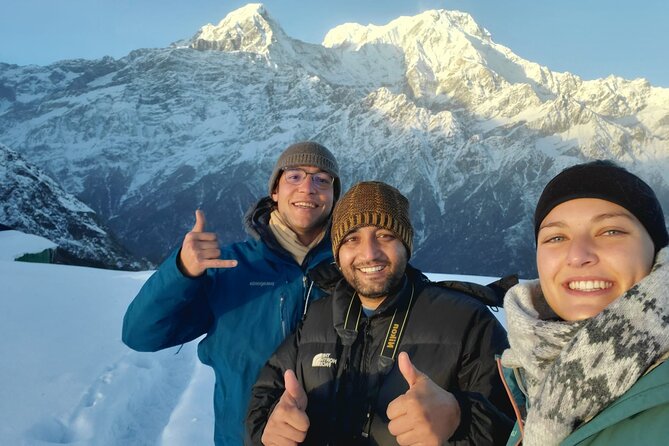
- Rhodo forests up high, not just at the start: you’ll spend real time in rhododendron country as the trail climbs.
- A clear high point: Mardi Base Camp sits at 4500m, the highest point on this route.
- A tea-house gap on Day 2: the section between Deurali and Forest Camp has no tea houses.
- Ridge views of Machhapuchhre: Day 3 puts you on terrain where the peaks open up.
- Teahouses + meals are built in: breakfast, lunch, and dinners are included during the trek days.
- Guides get praised for speed and support: names like Milan, Krishna, Ram, and Dilaram Poudel come up for patient, steady leadership.
Why Mardi Himal Feels Different Than the Annapurna Base Camp Area
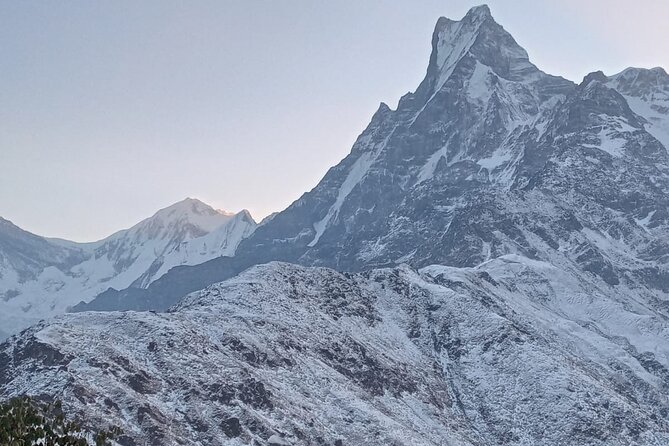
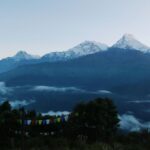
Mardi Himal sits eastward of the classic Annapurna Base Camp area, and it’s a smart choice if you want dramatic views without committing to a longer trek. You get that Annapurna-region feel—forests, ridges, big rock steps—while the goal stays very focused: Mardi Himal and the famous Fishtail neighbor, Machhapuchhre.
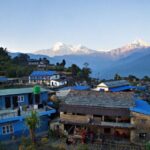
I like how the scenery changes in stages. You start in human-scale villages, then climb into forest, and then the whole vibe turns rugged as you near the 3000m-plus band. That shift matters because it breaks the trek into “chapters” you can pace: warm village mornings, forest afternoons, and sharper high-mountain days.
You can also read our reviews of more tours and experiences in Pokhara.
Day 1 Dhampus, Australian Camp, and Deurali Views Above Fewa Lake
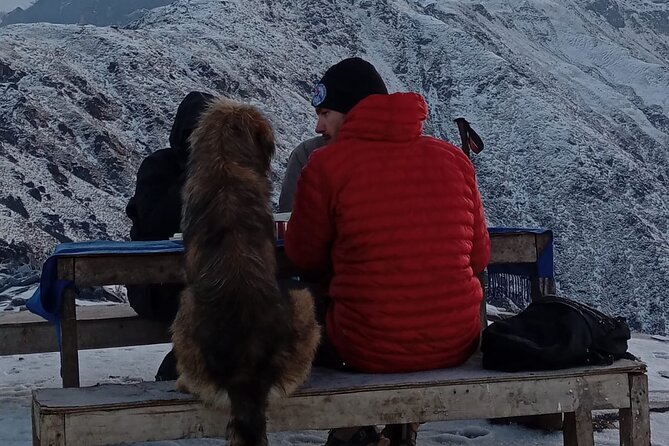
Day 1 is a gentle-to-moderate intro that still gives you payoff. You drive to Banskot (1100m) and start trekking, then climb toward Kalikasthan (1600m) for mountain views before descending to Hemjakot (1500m). After that, you reach Dhampus, a small Gurung village (around 1170m), where lunch is part of the plan.
What I like about this start is how it’s not only “getting altitude.” You’re walking through village settings—then gradually shifting upward toward cooler air. After lunch in Dhampus, you climb again to Australian Camp (2100m), and then move onward to Deurali (2142m) via Pothana. Deurali is a viewpoint, and it’s specifically noted that there’s no admission ticket fee for this stop.
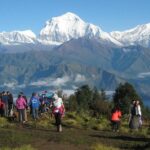
If you’re looking for the first moment when the mountains start to feel close, this is that day. And you’ll also get Fewa Lake in the mix from the Deurali viewpoint angle.
Day 2 Deurali to Forest Camp: Rhododendron Walks and the No-Tea-Houses Stretch
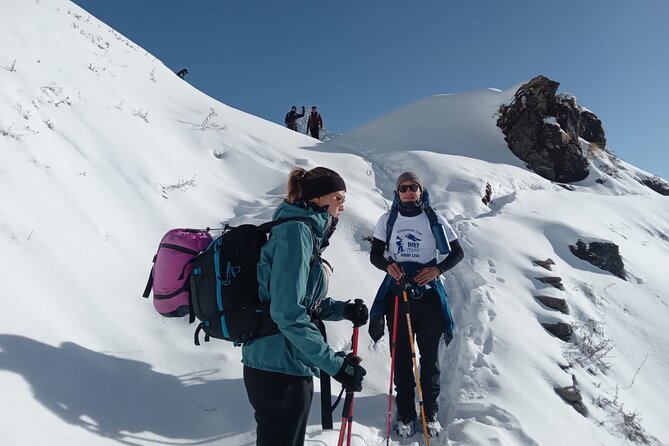
Day 2 begins early for sunrise and clear mountain views. After breakfast you’ll head into forest walking, with a specific thing you need to know: the path between Deurali and Forest Camp (2550m) doesn’t have tea houses. That’s not a minor detail. It changes how you plan your day—bring what you need so you’re not stuck hungry or unprepared during the long walk segment.
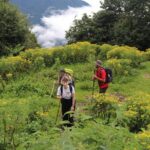
Once you’re moving higher, the trail leans into rhododendron country. That means more color in season, plus a cooler, shaded feel compared with open slopes. The route also offers chances to see rare wildlife (the trek description mentions Himalayan Thar, spotted deer, and even snow leopard as possible sightings). Real talk: you can’t count on wildlife, but you’re walking in habitat where it’s plausible.
You’ll reach Forest Camp for lunch, then continue about an hour to Rest Camp for the night. The “lunch stop at camp” structure is exactly what you want on a trek day that includes a tea-house gap: clear timing, predictable meals, and fewer surprises.
Day 3 Low Camp to Middle Camp: Ridge Views Toward Machhapuchhre
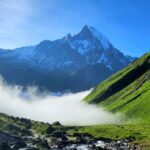
Day 3 is where the trek starts acting more like a proper mountain ridge day. From Rest Camp you go gently uphill toward Low Camp (2990m) in about 2 hours, then continue for roughly another hour to Badaldanda. Badaldanda is a viewpoint stop, so it’s a good place to pause, take photos, and just absorb the big angles.
After Badaldanda, you move along the ridge of Mardi Himal. This part matters because ridge walking often gives you better peak views without constant steep climbing. The route is still described as manageable, with easier climbing on the Badaldanda trail before you transition back into forest again.
Later you’ll climb through rhododendron forest for around 1.5 hours to reach Middle Camp. The description notes that tree line gets less defined here, with rhododendron bushes covering more of the scene. On the way toward higher camps, the national bird of Nepal—daphne—is mentioned as something you may see. You can treat that as a bonus wildlife moment, not a requirement.
Day 4 Mardi Base Camp at 4500m: Rocky Trail, Snowy Panoramas
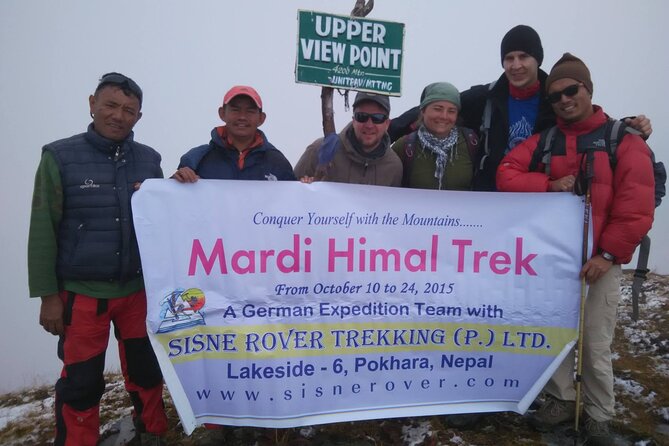
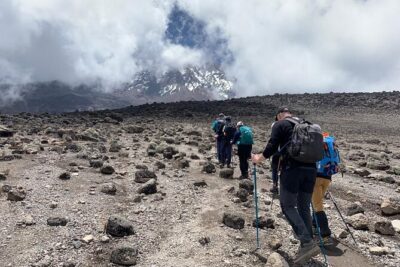
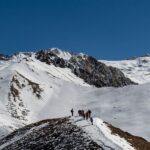
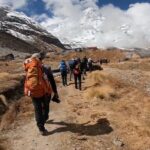
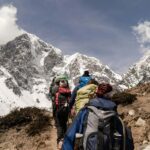
This is the “show day.” You wake early and hike for about 4 hours to Mardi Base Camp at 4500m, which is the highest point on the trek. The description flags this day as more difficult than previous ones: the walking is longer, and the trail gets rocky and uneven in places.
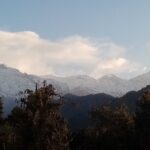
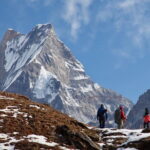
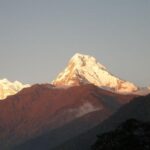
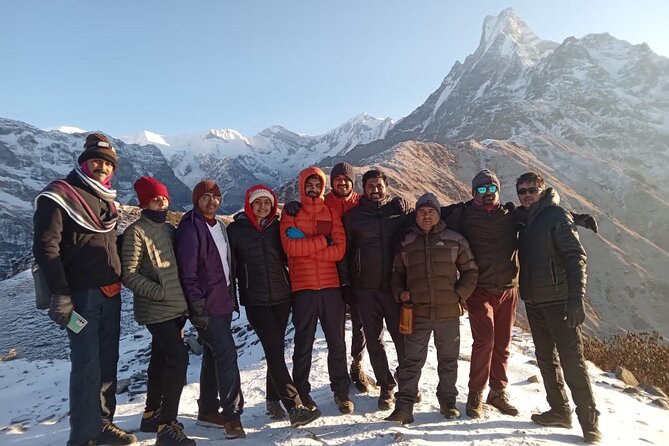
That mix means your pacing matters. Keep your effort steady and expect to slow down on the uneven bits. The reward is worth it: once you reach the base camp, you’ll get snow-capped mountains and natural vegetation, plus sweeping views that include Dhaulagiri and Machhapuchhre along with Mardi.
You’ll also have time to explore at the top, then retrace back to Badaldanda. Retracing is tiring for the legs, but it’s also reassuring: you’re not learning new terrain under time pressure. It’s a good way to manage risk on a short trek.
Day 5 Siding and Kalimati: Steep Forest Descent to Lumre, Then Pokhara
Day 5 starts with views from Badaldanda. After breakfast you retrace to Low Camp, then the route changes character. From Low Camp the trail diverts east through forest with a steep descent to Siding.
This is the day where the trek transitions back into Nepal’s farming and village edges. You reach Kalimati (1700m) where lunch is planned. Kalimati is described as a ridge with mountain views plus farm lands and valley angles. After lunch, it’s about an hour down to Lumre, then you drive to Pokhara (around an hour drive).
You also end with a farewell dinner, which is a nice touch on a 5-day trek. It gives you a real closing moment to share what you saw—views, forest colors, and the “quiet work” of walking each day.
Price and Inclusions: What Your $413.33 Covers
At about $413.33 per person (for the 4N-5D format), the value comes from what’s bundled. Your included costs cover the permits (ACAP and TIMS), a licensed guide, a medical kit carried by the guide, teahouse accommodation, and transport to and from the trail area.
Meals are also included during the trek period: breakfast (4), lunch (5), and dinner (4). That’s important because it reduces decision fatigue on a remote route, especially on the Day 2 stretch where tea houses aren’t available along part of the way.
You also get a completion certificate and a souvenir t-shirt that reads Hike More, Worry Less. If you’re traveling in a group, the operator also lists group discounts, which can improve the per-person value if you can coordinate dates.
What isn’t included is where you should budget extra:
- personal expenses (including laundry, battery recharge, and bottle/boiled water)
- tips for the guide/porter/driver
- travel and rescue insurance
- bar bills
- any transport not specifically included
Guide Quality and Trail-Savvy Tips for a Smooth 4N-5D Trek
One consistent theme tied to this operator is how quickly guests feel supported once the trek starts. Guides associated with this trek—Milan, Krishna, Ram, and Dilaram Poudel—are described as patient, good leaders, and strong at explaining the mountains and nature. Even if you’re not chasing a “serious mountaineering” vibe, that kind of calm leadership matters on Day 4 when the trail turns rocky and uneven.
A practical tip: treat Day 2’s tea-house gap as your checklist moment. Don’t wait to buy everything once you’re on the trail. Bring what you’ll want for a long walk segment, and plan to top up at Forest Camp where lunch is set.
For packing, I’d plan around cold mornings and higher-altitude exposure since the top reaches 4500m. Layers you can adjust are key, and good footwear matters because Day 4 includes uneven rocky walking.
Fitness-wise, the tour notes moderate physical fitness as the target. If you can hike steadily and handle a longer harder day, you’re in the right range. The route is short, but altitude climbs are real.
Should You Book the Mardi Himal Trek (4N-5D)?
I’d book if you want a focused Annapurna-region trek that stays manageable in length but still delivers real mountain moments—Dhampus culture, rhododendron forests, ridge views, and a true high point at Mardi Base Camp (4500m). The included permits, guide support, and teahouse meals make it easier to show up and just walk.
I’d think twice if you’re easily discouraged by rough footing or if the idea of a tea-house-free section between Deurali and Forest Camp worries you. This trek asks you to be a bit prepared on Day 2 and a bit patient on Day 4.
If you’re flexible, pack smart, and pace yourself, this is an efficient way to see Mardi Himal and Machhapuchhre without spending weeks on the trail.
FAQ
What is the duration of the Mardi Himal Trek 4N-5D?
The trek runs for about 5 days.
Where does the trek start and end?
You start trekking after driving from Pokhara to the trail area near Banskot, and you return to Pokhara at the end (after Lumre and a drive back).
How high do you go on this trek?
The highest point is Mardi Base Camp at 4500m.
Is pickup from Pokhara included?
Pickup is offered, and transportation is listed as included.
Are trekking permits included?
Yes. The price includes permits including ACAP and TIMS.
Do I stay in teahouses during the trek?
Yes. Teahouse accommodation is included during the trek.
Are meals included, and which ones?
Yes. Lunch is included for 5 days, breakfast for 4 days, and dinner for 4 days during the trek period.
Is there a tea-house stop on the route between Deurali and Forest Camp?
No. The section between Deurali and Forest Camp (2550m) doesn’t have tea houses.
What kind of guide do you get?
You get an experienced English-speaking and government-licensed trekking guide, and the guide carries a medical kit.
Is travel insurance included?
No. Travel and rescue insurance is not included.
What happens if weather is poor?
The trek requires good weather. If it’s canceled due to poor weather, you’ll be offered a different date or a full refund.