REVIEW · KATHMANDU
Annapurna Base Camp Trekking 09 Days
Book on Viator →Operated by Adventure Vision Treks and Travels · Bookable on Viator
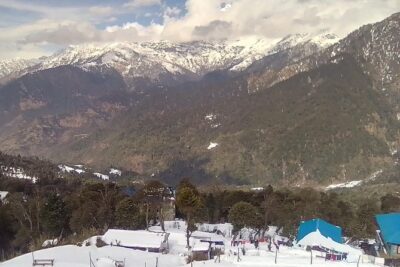
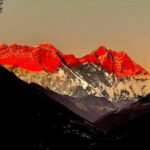
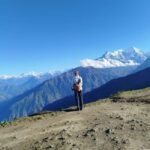
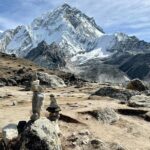
Annapurna Base Camp feels close and enormous at once. This 9-day ABC trek balances serious Himalayan drama with a route that’s generally easier and shorter than Everest-style logistics, yet still delivers that high-altitude feel. I especially love the Annapurna views—from Mt. Fishtail to Annapurna I, Annapurna South, Annapurna III, and more—so your effort stays tied to something gorgeous.
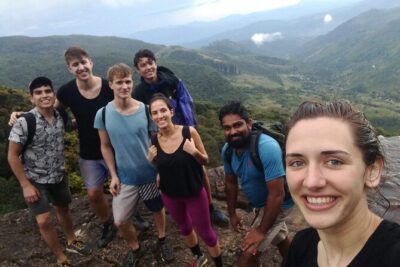
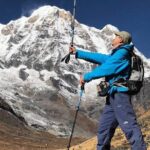
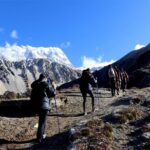
I also like how the trek is set up for real walking days paired with tea-house nights, not just “slog until it’s over.” With guides such as Milan and Tony (the names show up again and again in past trekkers’ experiences), the vibe tends to be practical: pace, safety reminders, and plenty of good humor so the climbs feel manageable.
One thing to consider: visibility can be hit-or-miss early on (haze happens), and base-area facilities are limited once you’re up near Annapurna Base Camp. If you’re sensitive to spartan conditions, bring the right expectations and lean into the sunrise moments when they’re clear.
In This Review
- Key Things That Make This Annapurna Base Camp Trek Worth Your Time
- Kathmandu to Pokhara: Setting Your Body Up for the Trek
- Jhinu Danda to Sinuwa: The Trek Starts Properly (and Quickly)
- Deurali Guest House: Bamboo, Dovan, and the Feeling of Progress
- Deurali to Annapurna Sanctuary and ABC: Reaching the Big Goal
- Sunrise in the Annapurna Range, Then Bamboo and Down to Pokhara
- Back to Kathmandu and a Thamel Farewell Dinner
- Guides, Tea Houses, and Meals: Where Comfort Meets Real Trekking
- Price and Logistics: What You Get for $900
- Weather, Altitude, and What to Pack (Without Panic)
- Who This Annapurna Base Camp Trek Fits Best
- Should You Book This Annapurna Base Camp Trek?
- FAQ
- What does pickup and arrival support look like?
- How do I get from Pokhara to the trek start?
- What are the included meals during the trekking days?
- Are permits and local taxes included?
- What’s included in the Kathmandu and Pokhara parts of the trip?
- Do I need a Nepal visa, and is it included?
- How much fitness do I need?
- Can the schedule be adjusted using flights or helicopter options?
Key Things That Make This Annapurna Base Camp Trek Worth Your Time
- Road access to Jhinu Danda keeps the trek focused on hiking, not endless transfer chaos
- Machhapuchhre Base Camp pass (MBC) gives you an extra highlight beyond just reaching ABC
- Sunrise-and-descent rhythm helps you time the most memorable views
- Guides with real people skills (Milan, Tony, Bisho, Akal, and teams including porters like Ram show up in past experiences)
- Meals and permits included means fewer “surprise costs” mid-trek
- Customization options can shorten the overall plan if you fly to or from Pokhara
Kathmandu to Pokhara: Setting Your Body Up for the Trek
Your trip starts in Kathmandu, with pickup offered for arrival at the international airport. From there, the plan is straightforward: you head to Pokhara by tourist coach in the morning. It’s about a 7-hour drive, and that matters more than it sounds. Getting Pokhara first helps you avoid rushing straight from airport life into steep trails.
Pokhara is also where you get a low-pressure evening. You’ll have leisure time to roam the lakeside area, so you can get your gear sorted, do a casual check of what you actually packed, and take in the slower mountain mood before you commit to daily climbs.
If you’re the kind of person who likes a clean mental ramp-up, this pacing is a win. You arrive with enough time to settle, not enough time to overthink the trek.
You can also read our reviews of more tours and experiences in Kathmandu.
Jhinu Danda to Sinuwa: The Trek Starts Properly (and Quickly)
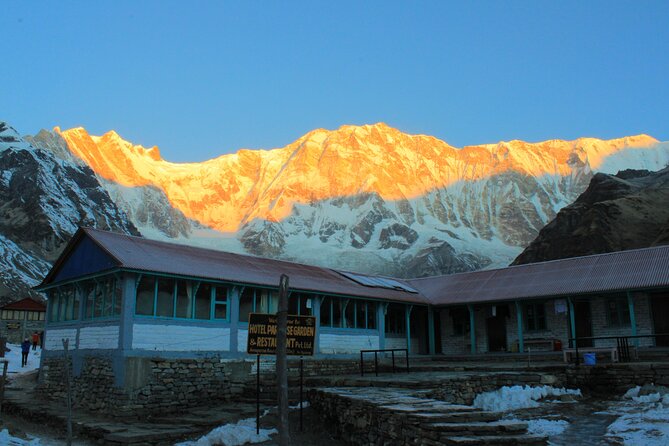
Next you transfer to Jhinu Danda, the furthest accessible trek start point by road. This is a big deal: you’re not wasting days on getting to the mountains. From Jhinu, you begin hiking and work your way toward Chhomrong, where lunch fits into the day.
From there, the route pushes you down the sequence of Sinuwa options: lower Sinuwa, then up to upper Sinuwa for the overnight. This day is often where the trek feels like it’s really begun. It’s not just “walking in the fog.” You’re actively building endurance, and you’ll start noticing how the terrain and air change as you gain elevation.
One practical upside: you’re staying in a smaller trail rhythm where tea houses and basic meals are part of the schedule. That’s key for ABC, because it keeps you from having to constantly make decisions about where to eat.
Deurali Guest House: Bamboo, Dovan, and the Feeling of Progress
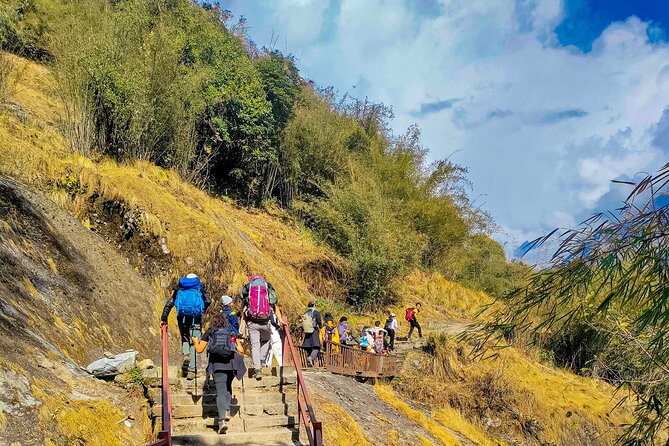
On the following morning, you trek toward Deurali, passing through bamboo, Dovan, and Himalaya. Those place names are more than trivia. They’re markers of how the walk evolves—forest and undergrowth early on, then a different mood as you get higher and the trail begins to feel more exposed.
You’ll reach Deurali for the overnight, and this is one of those days where the work pays off later. Deurali is also a natural staging point for the next leap toward the Annapurna Sanctuary.
The drawback, if you want to call it that, is that day-to-day consistency matters. If you go too fast early, you’ll feel it later. The best plan is to keep your effort steady, drink enough, and let the altitude do its gradual thing.
Deurali to Annapurna Sanctuary and ABC: Reaching the Big Goal
Now you turn toward the Annapurna Sanctuary, starting your trek from Deurali. The key feature here is the approach to Annapurna Base Camp itself, plus a very memorable detour: you pass Machhapuchhre Base Camp, often shortened to MBC.
Reaching ABC is the moment most people came for, and it’s not just about checking a box. The Sanctuary-style setting gives you that enclosed-feeling terrain where the mountains feel close and weighty. You’ll also get the feeling that the route has been building toward this bowl of peaks.
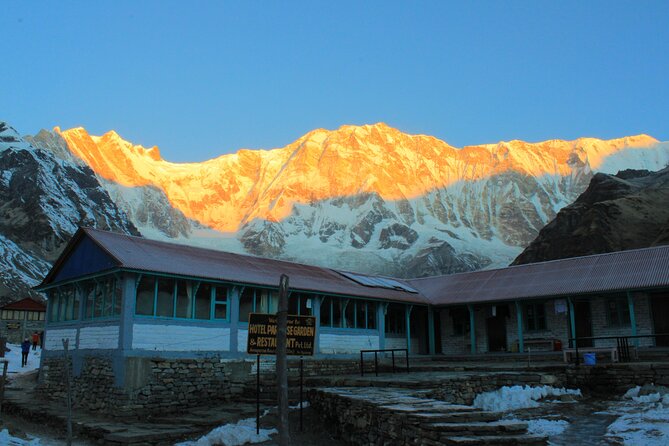
You’ll stay overnight at ABC. That’s where expectations matter. Facilities up there are limited, and conditions can be basic. But the upside is real: night near the base area keeps you close to whatever weather opens up, and it sets you up for the sunrise window on the next day.
If sunrise is a big deal to you, take it seriously. Plan your sleep and clothing so you’re not spending that moment fighting cold or comfort issues.
Sunrise in the Annapurna Range, Then Bamboo and Down to Pokhara
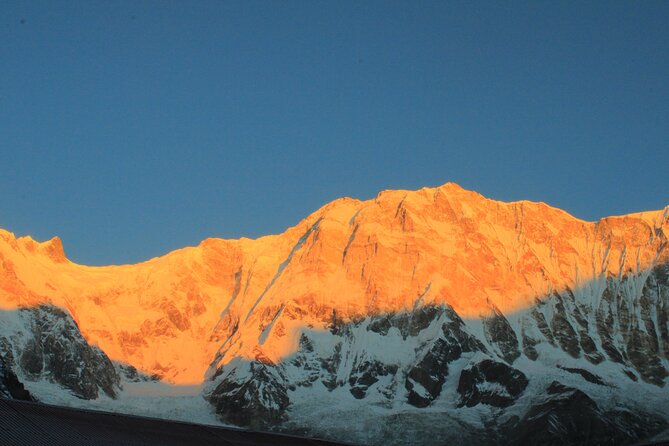
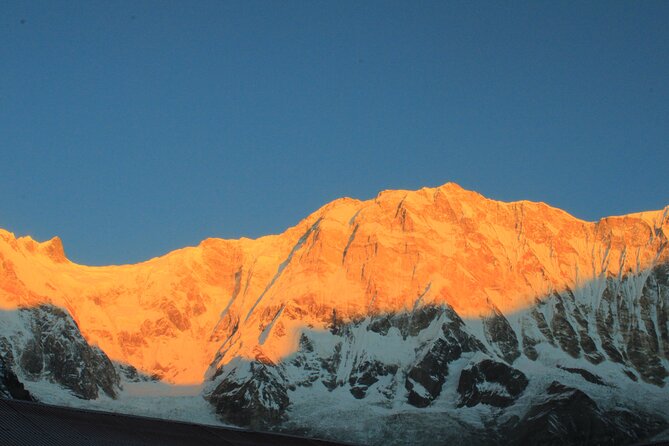
The next day starts early. You’ll see sunrise at the Annapurna range, then trek down toward Bamboo. This descent route again passes through the MBC zone, and you’ll also go back through places like Deurali and Himalaya and Dovan on the way down.
That combination—sunrise up top, then an extended downhill—creates a satisfying arc. You get the peak moment first, and then you earn your rest later.
From Bamboo, the day continues to the big reset: you trek down to Jhinu Danda, then take a vehicle ride to Pokhara. The coach back to Pokhara is about 8 hours, and it’s a long ride, but it’s also where you finally stop “earning every step.” You get an overnight in Pokhara, which helps you recover in a more normal environment.
Back to Kathmandu and a Thamel Farewell Dinner
After Pokhara, you head back to Kathmandu by tourist coach in the early morning. The drive time is about 8 hours, and by this point you’ll likely feel the contrast: mountain fatigue in the morning, city rhythm by evening.
Evening plans include a farewell dinner in Thamel hosted by Adventure Vision Treks (your group’s final gathering). Thamel is a good place to decompress. It’s also a practical spot for last-minute shopping if you forgot something small but essential.
Then comes departure day, when the trip wraps up and you head home.
Guides, Tea Houses, and Meals: Where Comfort Meets Real Trekking
This trek includes a guide during the trek, plus trekking permits and local taxes. You also get tea house breakfast during the trekking days. The meal plan is built to reduce guesswork: you have 2 meals a day during trekking days, and both lunch and dinner are included while you’re hiking.
That’s not just convenience. It’s also energy management. When you’re at altitude, your appetite can vary. Having food scheduled and covered means you can focus on pacing instead of searching menus.
In past trekking experiences with this operator, the guide side comes through strong—names like Milan and Tony are tied to being easy going, professional, and great for keeping you informed. Akal is mentioned alongside porter support (Ram, friendly and helpful). Jiban shows up in connection with organization and communication, including being able to handle modifications without turning your trek into a mess.
For you, this likely translates to smoother days:
- clearer guidance on pacing and safety
- less stress if your group wants small tweaks
- more consistent follow-through from morning briefing to dinner plans
One more thing: this is described as a private tour/activity, meaning only your group participates. If you’re trekking with friends or family, that can be huge. It keeps the pace and decision-making in your hands, not tied to how someone else in the group is feeling that day.
Price and Logistics: What You Get for $900
The price is $900. On paper, that’s not “cheap.” But for ABC, you’re not just paying for a guide and a map. You’re paying for a full packaged flow: permits, local taxes, trekking support, and a predictable meal plan (including tea house breakfasts and daily meals on trek days).
You’re also covered for the big transportation segments:
- Kathmandu to Pokhara both ways by tourist coach
- Pokhara to Jhinu (and return) by public vehicle fare both directions
- pickup at arrival, which reduces airport friction
What’s not included:
- Nepal visa fees
- alcoholic beverages
- meals in Kathmandu and Pokhara
For value, the key question is simple: does the package remove enough stress that you can focus on the hike? With food and permits covered, the trek feels like a real itinerary, not a DIY patchwork.
Also, there’s a customization lever you should know about. The trek can be shortened by about 2 days if you choose to fly to/from Pokhara instead of taking the longer road segments. That’s meaningful if you have limited vacation time, and it can change how “tired” the trip feels overall.
Weather, Altitude, and What to Pack (Without Panic)
You’re signing up for a high-altitude experience. That means conditions can change quickly even when the itinerary looks calm. The biggest variable you’ll face is weather and visibility. Haze can reduce views early in the trek, but clearer skies can open things up later.
So plan for both moods:
- If visibility is low, focus on the hike rhythm and patience.
- If skies clear, you’ll want to be camera-ready when the light hits.
Packing advice (practical, not fancy):
- layers for mornings and afternoons (early starts are part of this plan)
- rain protection, because mountain weather loves surprise changes
- sun protection (hats and sunscreen), since high places can still fry you
- good footwear with grip for downhills, since the route includes significant descent days
And one more mindset tip: ABC success is partly weather luck. The team can’t control haze, but you can control your preparation and how calmly you respond when conditions shift.
Who This Annapurna Base Camp Trek Fits Best
This trek is a strong match if you want:
- a classic ABC goal without the longer, more punishing feel of Everest-style treks
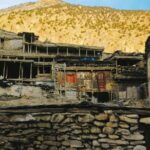
- a mix of mountain scenery and village life on an established tea-house route
- moderate fitness with a willingness to walk daily
- a guided experience that keeps things organized, especially with navigation and pacing
It can also work well for small groups and people trekking with family or friends, since it’s private for your group rather than a big mixed crowd. If you’re looking for pure luxury at every step, you might find the higher-altitude overnight conditions basic. But if your priority is the mountains and you want comfort where it makes sense (Pokhara and Kathmandu), this plan hits a good balance.
Should You Book This Annapurna Base Camp Trek?
Yes, if you want the ABC experience with fewer moving parts and a guide-led pace that feels approachable. I’d especially recommend it for people who value:
- big peak views tied to real trail time
- an included permit and meal structure that reduces stress
- a guide team that’s been praised for professionalism and friendliness (names like Milan, Tony, Akal, and Bisho show up clearly in past experiences)
- the option to customize via flying to/from Pokhara if time matters
I’d think twice if:
- you’re strongly dependent on perfect visibility and don’t handle haze well
- you need upscale amenities during the highest overnight portion
If you can accept that mountain weather is a factor and you’re excited to work for sunrise and summit views, this is a solid, value-driven way to do Annapurna Base Camp.
FAQ
What does pickup and arrival support look like?
You’ll get pickup from the international airport to start the trip.
How do I get from Pokhara to the trek start?
You take an available public vehicle to Jhinu Danda, and the same type of transport fare is included for the return.
What are the included meals during the trekking days?
Tea house breakfast is included, plus two meals a day during trekking days, with lunch and dinner covered while you’re hiking.
Are permits and local taxes included?
Yes. Trekking permit and all local taxes are included.
What’s included in the Kathmandu and Pokhara parts of the trip?
Kathmandu to Pokhara (both ways) is included by tourist coach, and you’ll have an overnight at a lakeside hotel in Pokhara. Meals in Kathmandu and Pokhara are not included, except the trek’s covered meals.
Do I need a Nepal visa, and is it included?
Nepal visa fees are not included.
How much fitness do I need?
You should have moderate physical fitness for this trek.
Can the schedule be adjusted using flights or helicopter options?
The trek can be customized with options to fly to/from Pokhara to reduce the itinerary by about 2 days. Helicopter options have been mentioned as possible modifications by the team for some bookings.