REVIEW · POKHARA
Annapurna: 2 Days 1 Night Poon Hill Trekking
Book on Viator →Operated by Peak to Peak Tours and Treks Pvt Ltd · Bookable on Viator
Two days can feel like a lifetime of mountains. This Poon Hill sunrise trek is made for people who want big Himalaya views without a long haul, with an overnight stop at Ghorepani in the foothills. I also like how the right guide support shows up in real ways, like Milan Babu Rai helping when tired legs need a hand. The one thing to watch: it’s only 2 days, so you’ll want a moderate fitness level and realistic expectations about how quickly you’ll cover the trail.
Here’s the good news. The plan is simple, the schedule is tight, and you’ll be walking in evergreen foothills before you chase that morning light. You get key pieces handled for you—private transportation, permits, and a tea-house night—so you can focus on the trek and the views instead of paperwork.
In This Review
- Key highlights
- Why this 2-day Poon Hill trek works (even with limited time)
- Day 1: Ghorepani tea-house night in the foothills
- Day 2: Poon Hill sunrise for a panoramic Himalayan hit
- What’s included (and how that affects your budget)
- Guides, pacing, and why the human touch matters
- Tea-house reality check: what you should expect
- Transportation and private-group comfort
- Who this trek is best for
- Quick prep tips so your sunrise goes smoothly
- Should you book this 2 Days 1 Night Poon Hill trek?
- FAQ
- How long is the Annapurna 2 Days 1 Night Poon Hill Trekking?
- Where does the trek start and what’s the overnight location?
- What is included in the price?
- Are meals included?
- Do I need a permit for this trek?
- What fitness level do I need?
- Is this a private tour?
- Are service animals allowed?
- Is there a cancellation refund if plans change?
Key highlights
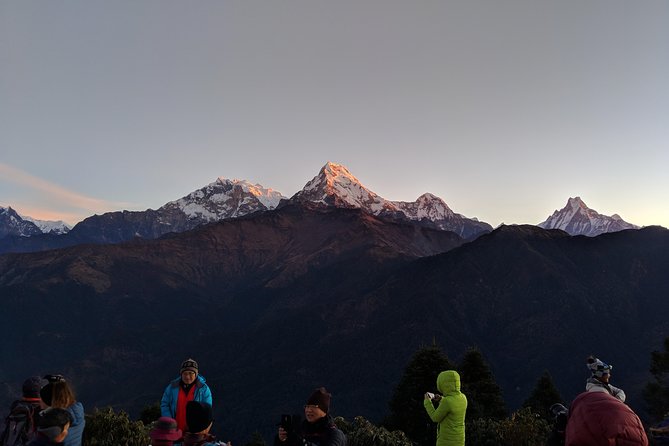
- Sunrise focus at Poon Hill with a panoramic Himalayan view payoff
- Overnight in Ghorepani at a tea-house in the Himalayan foothills area
- Permits included (TIMS and conservation area) so you don’t have to track them down
- Helpful local guiding, with names like Milan Babu Rai, Ravi, and Dadi dai showing up in the experience
- Private tour feel where it’s your group only, plus pickup is offered
- Easy-to-budget structure, with accommodation and guiding covered, while food is something you purchase
Why this 2-day Poon Hill trek works (even with limited time)
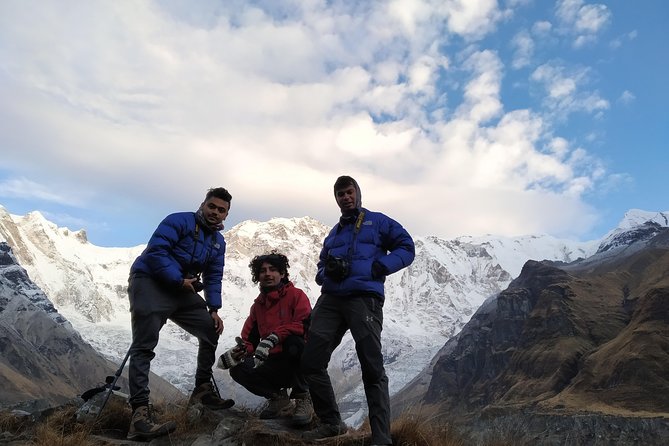
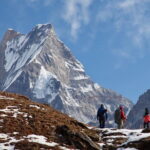
If your vacation window is short, this trek is built for you. You’re not signing up for weeks of hiking. You’re getting a classic Himalaya experience: forests and villages on the way up, and then the “wow” moment at sunrise from Poon Hill.
What makes it especially practical is how much is included. You’ll handle the trail part, and the rest—private transportation, all fees and taxes, and the TIMS plus conservation permits—is taken care of. That matters in Nepal, where it’s easy to waste time juggling small administrative tasks while you’re trying to enjoy the trip.
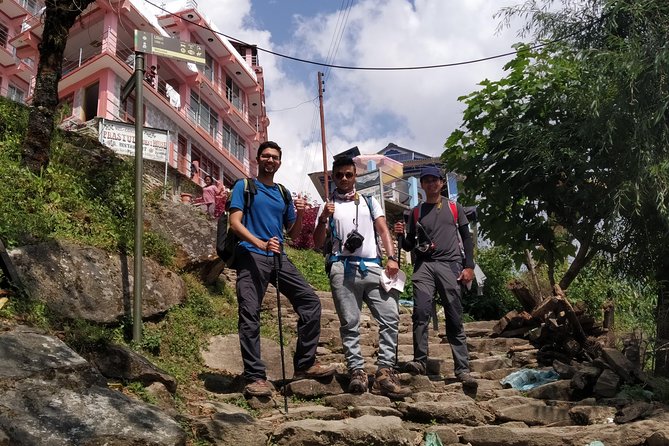
Also, the guidance is not just a formality. Reviews point to guides stepping in when people (including kids) need extra help. Milan Babu Rai is specifically mentioned for being supportive during the trek, and Ravi and Dadi dai also come up as memorable, helpful guides. If you’re traveling with family or you just want someone calm and capable at your side, that support is a big part of the value.
You can also read our reviews of more tours and experiences in Pokhara.
Day 1: Ghorepani tea-house night in the foothills
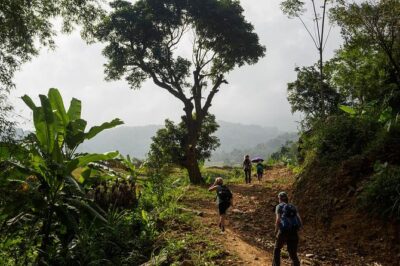
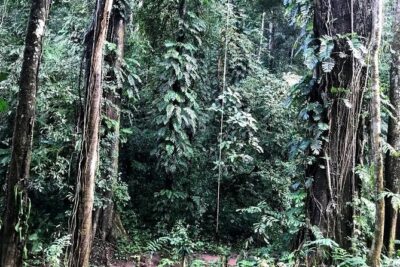
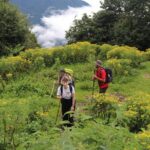
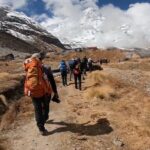
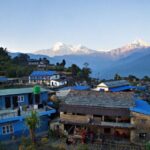
The first day centers on getting to Ghorepani, a village in the Himalayan foothills area. The trek itself moves through evergreen forest territory, so you’re not just walking in open views—you’re also getting that cooler, shaded, green Nepal feel along the way.
Why I like this setup: it gives you a proper base before sunrise. Instead of waking up extremely early and pushing hard in the dark, you arrive the day before and can settle into the rhythms of a mountain village. Your overnight stay is at a tea house, which is exactly what it sounds like: simple guest accommodation that’s common on trekking routes in this region.
A couple practical notes for you:
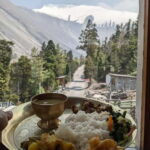
- Your food and beverages are not included, so you’ll be buying meals along the way and at the tea house.
- Tea houses are basic by design, so don’t expect hotel comfort. Think warm drinks, simple rooms, and a good night’s sleep to prep for sunrise.
Possible drawback to consider: because this is an easy/short format, it can feel “fast” if you’re expecting a super slow, wandering pace. You’ll want to keep your legs fresh and treat Day 1 as the get-settlement-and-rest day.
Day 2: Poon Hill sunrise for a panoramic Himalayan hit
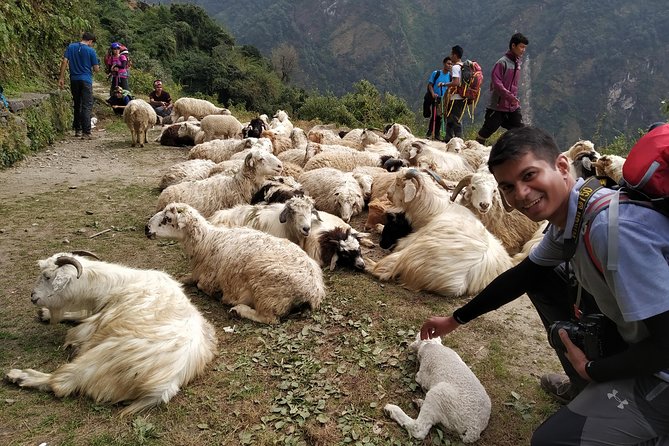
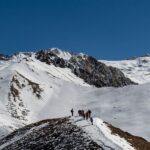
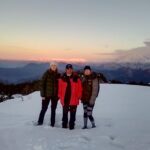
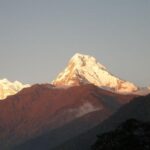
Day 2 is the star of the show. You hike up to Poon Hill for the sunrise view, aiming at panoramic scenes across the Himalayan range. The schedule gives you about 1 hour for the Poon Hill portion, which tells you this is not a deep, multi-hour summit climb. It’s more about positioning yourself for morning light and taking in the view.
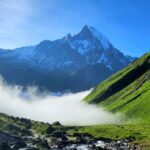
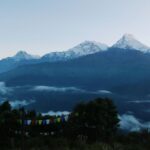
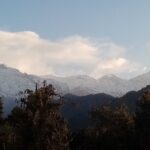
This is where the trek earns its reputation. Sunrise views from Poon Hill are popular for a reason: the mountains catch the light, and the whole scene feels sharper and more dramatic than midday. Even in the rainy season, the air can sometimes clear enough for visibility that surprises you. That’s not something you can control, but it’s a realistic possibility in the region.
What I find useful to remember: sunrise is a timing game. You’ll want to be ready to move at the right time, keep your layers handy, and avoid spending the best moment fumbling for things you forgot.
If you’re bringing kids, this part is still doable for many families because the final push to the viewpoint is short. Reviews specifically mention the guide carrying a child when needed, which is exactly the kind of practical flexibility you hope for during a sunrise window.
What’s included (and how that affects your budget)
This trek includes more than just a guide and a route. You’ll get:
- Private transportation
- All fees and taxes
- TIMS and Conservation Area permits
- All guide expenses
- Accommodation at a tea house
Food and drinks are not included, and there’s an optional gratitude amount for the guide (common in Nepal). Rescue costs in an emergency are also not included.
So is the price ($374.81 per person) a good value? For me, it hinges on what you’d otherwise pay yourself. By bundling permits, fees, and guide costs, you reduce the chance of surprise add-ons and last-minute expenses. You’re also getting an overnight tea-house stay and private transport, which can be hard to organize quickly on your own—especially if you’re short on time.
If you were planning to do this independently, you might save money on the guide piece, but you’d still likely pay for transport, tea-house accommodation, and permits. In this case, the tour price is less about convenience luxury and more about removing friction.
Guides, pacing, and why the human touch matters
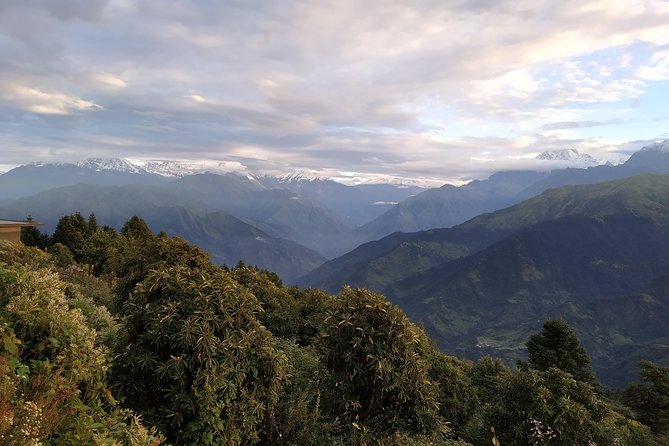
Even with a simple itinerary, the people guide the experience. In the reviews, guides like Milan Babu Rai, Ravi, and Dadi dai come up by name. That repeat mention is a clue: the trek quality isn’t just about scenery. It’s also about how smoothly your day runs.
Here’s what “good guiding” looks like on a short trek:
- Keeping the group moving at a pace that still lets you enjoy the moment at the viewpoint
- Adjusting support when someone gets tired
- Explaining what you’re looking at and when to take your best photo timing
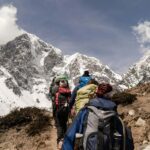
If you’re traveling with a small child, the mention of Milan Babu Rai carrying the kid during the trek is especially telling. On a two-day schedule, small delays matter. A guide who can troubleshoot in the moment can turn a potentially stressful situation into something manageable.
Tea-house reality check: what you should expect
Tea houses are part of the trek’s charm, but they are not big-city accommodations. You can expect simple rooms and basic comforts, and you’ll generally eat what’s available at the tea house or nearby lodges.
If you’re trying to pack light, tea houses are usually the limiting factor for comfort, not the trekking. I’d treat the night in Ghorepani as “rest and reset,” not “luxury downtime.”
One more practical tip for you: since food isn’t included, check with your guide in advance about meal timing and what’s typically available. That way you don’t lose time later trying to find options while you’re hungry and cold.
Transportation and private-group comfort
The tour offers pickup, plus private transportation. That’s a real advantage when you’re trying to squeeze a trek into a short trip in Nepal. You don’t have to coordinate multiple transfers, and you spend less time waiting.
It’s also described as private, meaning it’s only your group participating in the activity. That usually helps with pacing and communication. If your group includes older travelers or kids, a smaller, more focused group dynamic often feels easier than larger group treks.
Who this trek is best for
This is a great fit if you:
- Have limited time and want major views without a long trek
- Like the idea of a short plan with a clear payoff (sunrise at Poon Hill)
- Want a guided experience that handles permits and logistics
- Value supportive guiding, especially if you’re traveling with children
It may be less ideal if you:
- Want a slow, leisurely hike day with lots of stops and extra wandering
- Prefer food to be fully included (here, meals are on purchase)
- Are looking for a high-comfort hotel-style overnight experience
Quick prep tips so your sunrise goes smoothly
You don’t need fancy gear for a short trek, but you do need sensible basics:
- Layer up for early morning cold
- Bring a small headlamp or light source in case you move before sunrise
- Pack a light rain layer if you’re going during wetter months
- Bring water and a snack strategy since food is not included
And keep your expectations realistic. If clouds roll in or visibility is reduced, you’ll still have a village-and-foothill trek day. But the big payoff is still sunrise, so being ready matters.
Should you book this 2 Days 1 Night Poon Hill trek?
I’d book it if your main goal is a short, high-impact Himalaya experience with guidance and permits already handled. The included tea-house night at Ghorepani plus the Poon Hill sunrise viewpoint structure makes the timing feel efficient—exactly what you want when you’re on a hurry.
Skip it only if you strongly prefer full board meals, or if you’re hoping for a very slow, very flexible multi-day trek rhythm. Here, the value comes from keeping the plan tight and the logistics smooth.
If you want an experience with supportive guiding—names like Milan Babu Rai, Ravi, and Dadi dai show up for a reason—this is a solid pick. Just plan your budget for meals and bring the stamina for a moderate short trek. Then let the morning light do the rest.
FAQ
How long is the Annapurna 2 Days 1 Night Poon Hill Trekking?
It runs for about 2 days.
Where does the trek start and what’s the overnight location?
You’re based in the Pokhara area, and the overnight is in Ghorepani.
What is included in the price?
The tour includes private transportation, all fees and taxes, TIMS and conservation area permits, all guide expenses, and accommodation at a tea house.
Are meals included?
No. Food and beverages are available to purchase.
Do I need a permit for this trek?
You don’t need to arrange them separately, because TIMS and conservation area permits are included.
What fitness level do I need?
You should have a moderate physical fitness level.
Is this a private tour?
Yes. It’s described as private, so only your group participates.
Are service animals allowed?
The information provided says service animals are allowed.
Is there a cancellation refund if plans change?
Free cancellation is offered. You can cancel up to 24 hours in advance for a full refund, and cancellations within 24 hours do not receive a refund.