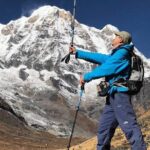
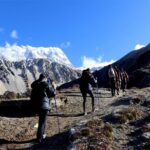
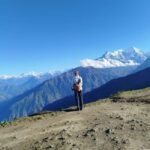
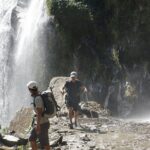
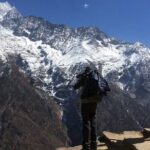
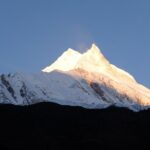
A quiet mountain retreat, not a crowded hike. The Lawudo Gompa trek combines classic Everest-region scenery with a rare, off-the-map meditation stop tied to Lama Zopa, run through Kopan Monastery’s orbit. I like how the days are paced (gentle hours, acclimatizing when it matters) and how the team is big on careful logistics and support—named staff like Amber, guide Pemba, and even airport pickup help come up again and again. One consideration: the route includes Lukla-area flights and a long day late in the trek, so you’ll want solid readiness for altitude and travel timing.
What makes this one feel different is the goal. You’re not just ticking viewpoints. You’re walking into a place where people come to sit, listen, and practice, then easing back through Namche and the Khumbu foothills. If you’re the type who likes meaning as much as views, this is the kind of trip that can stick with you.
In This Review
- Key things that make this trek special
- Price and logistics: what $970 really buys
- Kathmandu warm-up: Thamel plus Swayambhunath, then you’re off
- The Lukla to Phakding start: a gentle first step into Khumbu trekking
- Phakding to Namche: follow the river, then climb smart
- Namche rest day with Everest viewpoint time built in
- The big shift: trekking to Lawudo Gompa
- Days at Lawudo: cave visits, practice time, and quiet mountain views
- Returning through Namche to Monjo: a long, emotional transition
- Lukla day: the 8-hour push back to flight readiness
- Kathmandu flight day: possible Manthali routing and timing buffers
- Final day: airport timing that avoids stress
- Who this trek is best for (and who should think twice)
- The team behind the trip: why it feels cared for
- Should you book the Lawudo Gompa Retreat Trek?
- FAQ
- How long is the trek?
- Where does the trip start?
- What’s included in the price?
- What’s not included?
- Will I get to visit Everest areas?
- How is acclimatization handled?
- What is Lawudo Gompa like?
- Do I need to be religious or able to meditate?
- What happens if weather is bad?
Key things that make this trek special
- Lawudo Gompa: a meditation cave retreat tied to Lama Zopa and kept by local devotees
- Real acclimatization: a Namche rest day with practical sight stops near your lodge
- Sherpa Buddhist culture: cave visits, monastery atmosphere, and teachings if available
- Thoughtful pacing: several shorter hiking days mixed with recovery time
- Handled logistics: strong coordination in Kathmandu, on trek, and around flights
- Private-group feel: only your group participates, with pickup and support built in
Price and logistics: what $970 really buys
This trek is priced at $970 per person for a 13-day package based in Kathmandu, and it’s clearly aimed at a smoother experience rather than a budget DIY one. You get pickup/drop plus Kathmandu sightseeing support, and you’re fed well on the trek with breakfast and multiple lunches and dinners included.
One big item is not included: Kathmandu–Lukla/Ramechhap–Kathmandu airfare. The itinerary still uses that short flight rhythm (you fly up, then you fly back), so budget extra for those tickets and plan for weather-related changes. The trip also lists insurance and personal expenses as yours to handle, so bring what you’d normally bring for a high-country trek.
For value, I look at what reduces stress. Here, admissions for key Kathmandu sights are included, meals are included, and the team handles the core transfers and routing. That adds up fast on a trek where flights, early starts, and altitude all matter. The tradeoff is that you’re signing up for a structured plan, not a flexible, pick-your-own-trail adventure.
You can also read our reviews of more tours and experiences in Kathmandu.
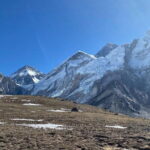
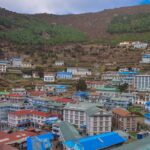
Kathmandu warm-up: Thamel plus Swayambhunath, then you’re off
You start in Thamel, the practical launchpad neighborhood where it’s easy to sort gear and meet staff. This is the day for settling in, confirming plans, and getting your bearings fast, without forcing you into a long sightseeing schedule.
The next day focuses on Swayambhunath Temple and a few older parts of Kathmandu. This is a smart move because it helps you understand what you’re about to see in the mountains: Tibetan/Himalayan Buddhist symbolism, local ritual life, and a sense of how monasteries shape culture. You also get this as a half-day, with time built in to rest—use it. Kathmandu days can be busy, and altitude prep is partly about not wearing yourself out early.
A small practical note: flights to the mountain region happen soon after, so don’t treat these Kathmandu days as your “vacation sightseeing binge.” Keep it light and sleep.
The Lukla to Phakding start: a gentle first step into Khumbu trekking
After an early flight takes you to Lukla, your trek begins toward Phakding. The hiking is about three hours, mostly a “get your legs working” day, with an overnight in a local teahouse.
Why this first stretch matters: it helps you adjust to trekking rhythm after travel. You’re also walking into the Dudh Koshi corridor later on, and that river valley sets the pace for the next couple of days. If you go too hard on day one, you’ll pay for it with fatigue right when you should be building good breathing habits.
Phakding to Namche: follow the river, then climb smart
From Phakding, the route follows the Dudh Koshi river toward Monjo, then climbs to Namche Bazaar. This day is a classic Khumbu-feeder: steady walking along the valley, then the hill that reminds you you’re in the mountains.
Namche is where most people adjust mentally. It’s busier than Lawudo’s area, and you’ll feel the contrast quickly. Still, it’s a useful base because tomorrow is set up for acclimatization, not a summit push.
Namche rest day with Everest viewpoint time built in
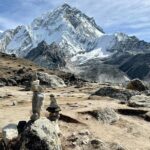
Day five is your acclimatization day, and it’s not wasted. You get time to walk to an Everest viewpoint close to your lodge (about a 20-minute walk), plus a local museum and Buddhist center and access to the market area.
This is the kind of rest day I like. You’re not stuck indoors staring at weather apps. You’re moving lightly, learning a bit about the region, and then returning before you overdo it. It also sets up a key contrast: you’ll see Everest energy here, but your main spiritual target is still ahead.
Keep your pace easy. If you feel any altitude symptoms, report them early and don’t try to “tough it out.” This trip expects moderate fitness, but it’s still high-country travel.
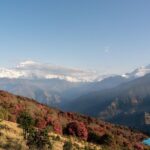
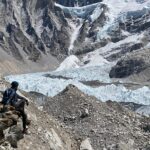
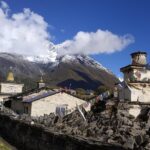
The big shift: trekking to Lawudo Gompa
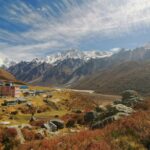
On day six, the trek heads to Lawudo Gompa. The walking is listed around five hours, partly gentle and then with uphill climbing at the end. And Lawudo is not right on a village road. The area is set aside, with the nearest village at least an hour walk away, so you feel the remoteness immediately.
What you’re walking toward is important. Lawudo is the meditation spot and retreat cave connected to Lama Zopa (associated with Kopan Monastery in Kathmandu). The monastery and the small huts for visitors are cared for by his sister and a few devotees, which is one reason this place feels more like a living religious site than a tourist stop.
Practical drawback to consider: day six is the first true “remote” day. If you’re the type who needs constant comforts, this may feel quieter than expected. But if you want a break from the Mt. Everest bustle, this is exactly why the trek is designed this way.
Days at Lawudo: cave visits, practice time, and quiet mountain views
Days seven and eight are the heart of the experience. Both are structured around Lawudo Gompa, with time to visit the cave where a retreat figure meditated nearly a hundred years ago, plus opportunities for practice.
Day seven gives you a long stretch (around eight hours), but it’s framed as an easy pace: visit the meditation cave area, take in the atmosphere, and settle into the rhythm of Sherpa Buddhist culture. This isn’t about rushing through photo stops. It’s about being present where people come to practice.
Day eight is where “retreat trekking” becomes real for many people. If you practice meditation or yoga, you can do it in the serene setting. The itinerary also notes that if there are regular teachings available, you can take part during the day.
What I like here is the balance. You’re not forced into religious participation, but the option is there if you want it. You can be quiet, walk, watch, and breathe. Or you can take part more directly. Either way, you’re in a place that doesn’t feel engineered for crowds.
Returning through Namche to Monjo: a long, emotional transition
After breakfast at Lawudo, day nine turns downward. You trek down toward Namche Bazaar, then continue on to Monjo. It’s listed around five hours.
This return leg matters because it creates contrast. Namche feels like the hub. Lawudo feels like the pause. Walking this route helps you process what you just experienced: you’re physically moving back toward commerce, but mentally you’re still in retreat mode.
Keep hydration steady. Even when hiking hours are shorter, your body has already been through a lot—travel plus altitude plus a remote day with slower energy.
Lukla day: the 8-hour push back to flight readiness
Day ten is one of the tougher “finish line” days. You trek from Monjo back through Phakding, then continue on to Lukla, listed around eight hours.
This is the part where you’ll feel whether you paced well. Lawudo days are slower, but your legs still have to handle a long return. If you’re prone to calf tightness, start stretching and take short, honest breaks. Don’t wait until you’re miserable.
Once you reach Lukla, you’re basically back in travel mode. Your next day is about getting the flight into Kathmandu.
Kathmandu flight day: possible Manthali routing and timing buffers
On day eleven, the plan accounts for real-world weather and busy season flight patterns. If flights are busier, you might fly to Manthali instead of straight back to Kathmandu. If that happens, the flight is shorter, then you drive about four hours to Kathmandu. If you get the direct flight to Kathmandu, you could be in Kathmandu by around 10AM.
That kind of planning is valuable. It reduces the chance you’ll be stuck guessing your schedule. It also helps you plan the rest of your time in Kathmandu calmly.
Day twelve is kept as a free day because flight weather can be unpredictable. This buffer is not wasted time; it protects your trip from cascading delays.
Final day: airport timing that avoids stress
On day thirteen, you transfer to Tribhuvan International Airport. The guidance is to reach about three hours before your flight time.
That’s a small detail, but it matters. Nepal travel can move fast at the airport, and three hours keeps you from sprinting through check-in while tired.
Who this trek is best for (and who should think twice)
This works well if you want a mix of Everest-region trekking and a spiritual, remote retreat stop. It’s also a strong fit for people who appreciate structure: you have days for acclimatization, you have recovery time, and you’re not left to guess admissions or meals.
It may not be the best fit if you’re chasing only big, constant Everest-style views. Lawudo is the point. You’ll get the mountain setting, but the experience focus is practice and quiet rather than nonstop trekking spectacle.
Fitness-wise, the trip says moderate physical fitness is needed. That aligns with the hours: several days are around three to five hours, but there’s still a long return day, plus uphill segments.
The team behind the trip: why it feels cared for
The consistent theme from the people running this trek is careful attention. The owner Amber is highlighted for explaining the itinerary clearly and handling changes when schedules shift. Guide Pemba comes up as a steady presence, and airport pickup support is associated with Lok.
I like that this shows up as practical care, not vague promises. In real trekking life, the difference between a good trip and a stressful trip often comes down to small coordination: timing at checkpoints, helping you understand what’s next, and moving wisely when weather turns. This route is built around flights and a remote destination, so good guidance matters.
Should you book the Lawudo Gompa Retreat Trek?
Book it if you want something rarer than the usual Everest-photo grind. The combination of Namche acclimatization plus two full days at Lawudo Gompa gives you both context and a real change of pace. The package also leans toward comfort where it counts: included meals, Kathmandu transport support, and key sight admissions.
Hold off if you hate uncertainty about flights or you’re only interested in busy, high-visibility trekking. Also be honest with yourself about the 8-hour return day and the overall travel rhythm. If you’re okay with a structured plan and you value quiet meaning, this trek can be one of the most memorable things you do in Nepal.
FAQ
How long is the trek?
The Lawudo Gompa Retreat Trekking experience runs about 13 days.
Where does the trip start?
It starts in Kathmandu, with an arrival day in Thamel and pickup/drop included for Kathmandu.
What’s included in the price?
Meals are included (breakfasts, lunches, and dinners), plus Kathmandu airport pickup/drop and a Kathmandu sightseeing portion. Some admission tickets for sightseeing are also included.
What’s not included?
Kathmandu–Lukla (or Ramechhap) airfare, private transportation, bottled drinks, alcoholic beverages, and personal travel/medical insurance are not included.
Will I get to visit Everest areas?
Yes. The itinerary includes flying to Lukla and trekking through the Everest region area, plus a rest day in Namche with a visit to an Everest viewpoint and nearby museum/Buddhist center.
How is acclimatization handled?
You get a rest/acclimatization day in Namche Bazaar, with lighter activities like the Everest viewpoint walk and visits to local sites rather than pushing the trek uphill.
What is Lawudo Gompa like?
Lawudo Gompa is a retreat cave and meditation site associated with Lama Zopa and Kopan Monastery. It’s remote and quieter than the Mt Everest tourist area, with a small monastery and huts for visitors.
Do I need to be religious or able to meditate?
No special requirement is stated. If you practice meditation or yoga, the retreat setting supports that, and the itinerary notes you may join teachings if they are happening.
What happens if weather is bad?
This experience requires good weather. If it’s canceled due to poor weather, you’ll be offered another date or a full refund. The itinerary also includes a free day in Kathmandu as a buffer in case flights change.