REVIEW · KATHMANDU
Ghorepani Ghandruk Trek ( Poon Hill circuit, Annapurna sunrise view trek)
Book on Viator →Operated by Nepal Trekking Routes Pvt. Ltd · Bookable on Viator
Sunrise over Annapurna starts with a steep little climb. This Ghorepani Ghandruk circuit pairs Poon Hill sunrise views with a walk through oak and rhododendron forests, plus village culture in Magar and Gurung communities. The one thing to plan for is the schedule: you’ll do an early-morning hike and expect 3,000+ stone staircases along the way.
I also like how the trip includes a proper Kathmandu warm-up before you hit the trails—temples, stupa views, and old royal square energy—so you don’t arrive and immediately start trekking. You should know the route is described as easy-to-moderate, but it still includes uphill and downhill days, so good shoes and a steady pace matter.
In This Review
- Key highlights you should care about
- A Short Circuit That Still Delivers Annapurna Views
- Getting There: Kathmandu Culture First, Then Pokhara
- Nayapul to Ulleri: Forest Steps and Village-First Trekking
- Ghorepani: The Rhododendron Forests and Mountain-Lit Evenings
- Poon Hill Sunrise: The Main Event at 3,210m
- Tadapani to Chhomrong and Jhinu Danda (or Ghandruk): Hot Springs and Heart-Tug Views
- Landruk to Tolka: Gurung and Magar Villages on the Way Down
- Tolka to Pokhara: Two Exit Paths, One Main Goal
- Price and Logistics: What $590 Buys (and What It Doesn’t)
- The Trek Experience: Easy Trail, Real Steps, Smart Pacing
- Guides and Service: Where You Feel the Difference
- Who This Trek Fits Best (and Who Might Rethink It)
- Should You Book This Ghorepani Ghandruk Trek?
- FAQ
- How many days is the Ghorepani Ghandruk Trek?
- Where does the experience start in Kathmandu?
- Is airport pickup included?
- Do I have to travel to Pokhara by flight?
- What do you do in Kathmandu before the trek?
- How do you begin the trek after reaching Pokhara?
- What are the big trekking highlights on this route?
- Are vegetarian meals available?
- How large is the group?
- Is the experience suitable for beginners?
Key highlights you should care about
- Poon Hill at 3,210m: a classic sunrise target that puts multiple big peaks in one view
- Ghorepani rhododendron forests: described as Nepal’s largest, with 8 rhododendron species noted
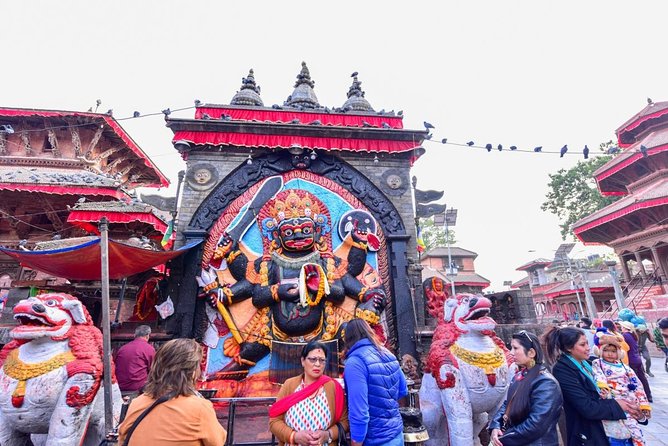
- UNESCO Kathmandu valley day: Pashupatinath, Bouddhanath, Swayambhunath, and Patan Durbar Square
- Village-life trekking: Magar and Gurung settlements along the Annapurna foothills
- Jhinu Danda hot spring option: an easy way to reset after a hiking day
- Small group size: max of 10 travelers on this experience
A Short Circuit That Still Delivers Annapurna Views
This trek is built for people who want Annapurna views without a months-long commitment. You’re in the sweet spot: enough time to walk a full circuit feel, but not so long that you lose the rhythm of “day-to-day progress.”
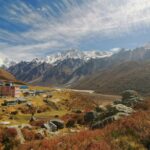
The itinerary is also designed around big moments. The main one is waking up early for Poon Hill, which is where the trek earns its reputation. The second is spending time in villages like Ghorepani and areas linked with Ghandruk/Chhomrong/Landruk, where the Annapurna massif frames daily life instead of just a distant payoff.
One practical note: the route description mixes a couple of overnight choices (for example, Jhinu Danda vs. going on to Ghandruk). That can be good if you like flexibility, but you’ll want to confirm your exact sleeping plan with your guide so expectations match the day’s walking.
You can also read our reviews of more tours and experiences in Kathmandu.
Getting There: Kathmandu Culture First, Then Pokhara
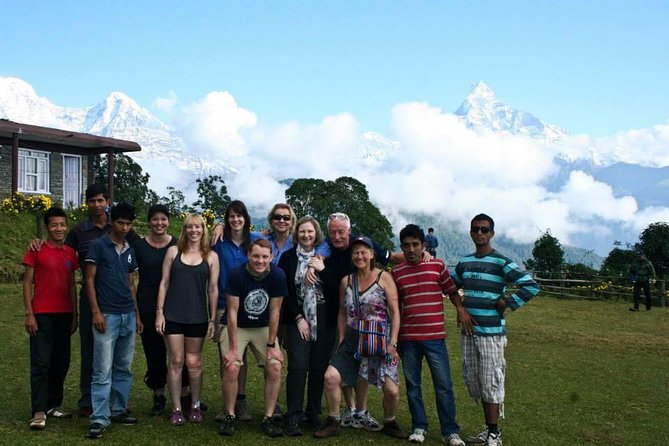
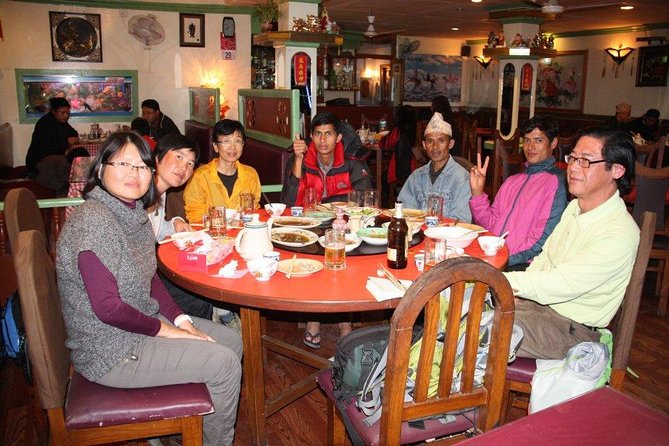
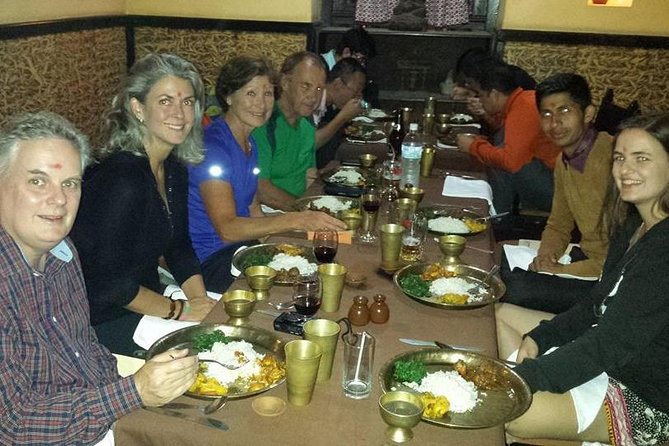
Day 1 is a low-stress landing routine. You’re met at Tribhuvan International Airport, escorted to a hotel, and then treated to a welcome dinner at a Nepali restaurant. It’s a nice way to knock the travel edge off before the long days start.
Day 2 is where the trip earns extra value: you get a guided sweep through key UNESCO World Heritage Sites in the Kathmandu Valley, including:
- Pashupatinath Temple (Shiva’s major shrine)
- Bouddhanath Stupa (a huge spherical stupa complex)
- Swayambhunath (Monkey Temple, also a city viewpoint)
- Patan Durbar Square (one of the old royal palace squares)
Even if you’ve seen photos, this day helps you understand why Nepal’s pilgrimage sites feel so alive. There’s a lot of daily movement around these places—people praying, walking, pausing, chatting—and it gives you a ground-level sense of the country before you head uphill.
Day 3 is travel to Pokhara. You get two options:
- Fly, which saves time and adds aerial scenery
- Drive, along the Prithvi Highway beside the Trishuli and Marsyangdi rivers
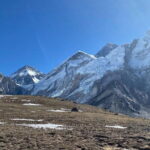
That road ride matters more than it sounds. The route passes through viewpoints of Himalayan ridges like Langtang, Ganesh Himal, Manaslu, and Annapurna ridges, so you start “collecting mountains” before you even lace up your boots.
Nayapul to Ulleri: Forest Steps and Village-First Trekking
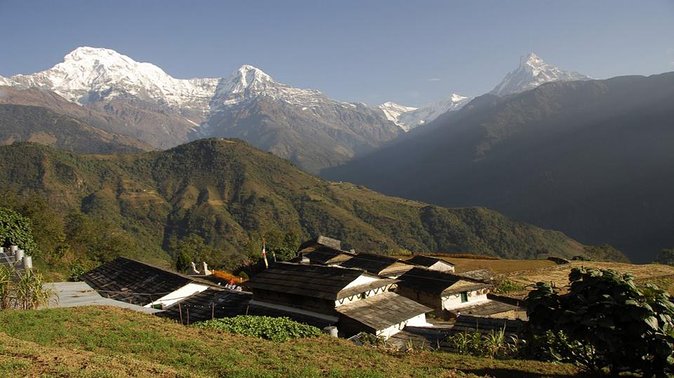
On Day 4, you move from Pokhara to Nayapul, the gateway area for this route, by tourist bus or private jeep. From there, you start trekking by following the trail along the Modi Khola banks.
What I like about this section is the mix of “easy walking” with the kind of scenery that keeps you paying attention:
- deep rhododendron and oak forests
- expanding views of the Annapurna Massif
- and yes, a lot of steps
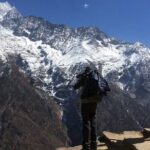
You’ll climb past 3,000+ stone staircases to reach Ulleri, described as a large Magar village. This is the kind of stop that feels less like a “checkpoint” and more like a window into how people live in the foothills. You might also meet locals (the route mentions Gurkhas) who share stories and service history, which adds texture beyond the physical trek.
If you’re sensitive to leg fatigue, this is the day you’ll want to start slower than your ego. Short breaks work. Hydration matters. Save energy for the sunrise day later.
Ghorepani: The Rhododendron Forests and Mountain-Lit Evenings
Day 5 brings you to Ghorepani, and the trail description is clearly focused on nature details:
- small hamlets and rivulets
- dense rhododendron and oak forests
- the sense of trekking inside a protected conservation area (not just along a random dirt lane)
The itinerary highlights a specific ecology point: Ghorepani is described as having the largest rhododendron forest in the world, with 8 of Nepal’s 32 rhododendron species noted. That’s not a trivia fact you need to memorize, but it signals that the walk here isn’t just pretty—it’s varied and seasonal.
Ghorepani itself is described as a large Gurung village, known as a storehouse of local culture and daily life. After the hike, you’re set up for a strong night’s sleep before the Poon Hill push.
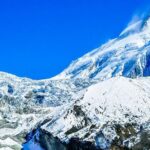
What you’re really buying in this stage is time with the mountains at close range. The views of Annapurna and Dhaulagiri from this area are part of the emotional payoff, but they’re also practical: it helps you understand the terrain you’re walking through.
Poon Hill Sunrise: The Main Event at 3,210m
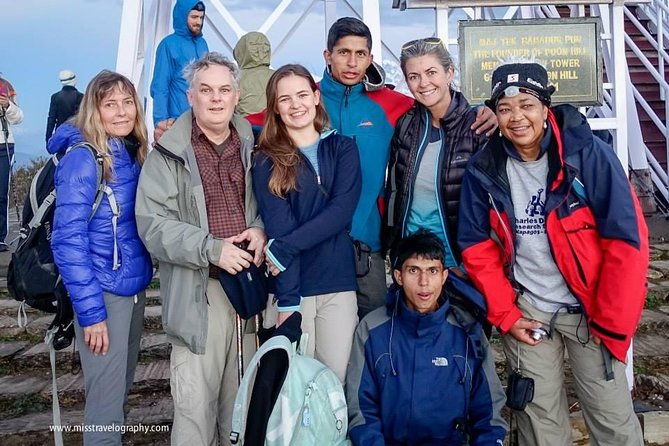
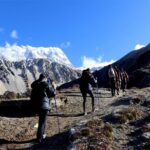
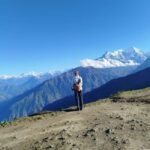
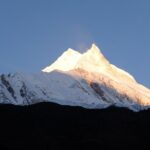
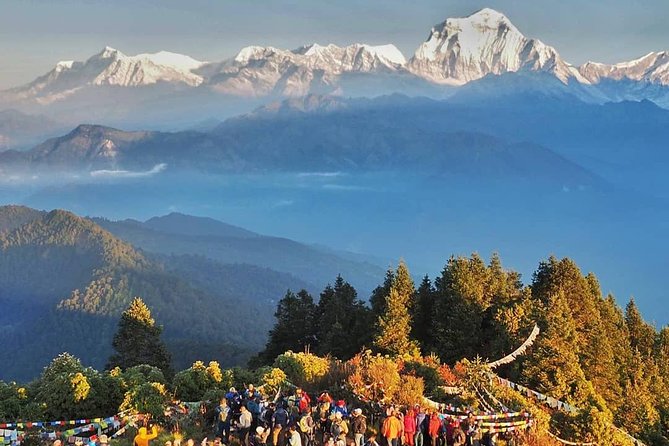
Day 6 is the headline. You wake up early and hike to Poon Hill (3,210m), which takes about an hour from Ghorepani.
From the hilltop, the trek promises views including:
- Dhaulagiri (8,167m)
- Annapurna (8,091m)
- Machhapuchhre / Fishtail (6,993m)
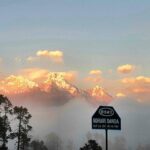
The description is straightforward: you get to see the white snow start sparkling as the sun hits first. This is the moment that makes people forgive cold mornings, aching calves, and the messy stuff that always comes with trekking (early alarm clocks are never glamorous).
After sunrise, you head back for breakfast, then trek onward to Tadapani. That next leg matters because it keeps the day from feeling like a one-hour show. You walk along terraced farmlands and through rhododendron forest again, which gives your body time to reset.
Practical tip: bring a light layer for the sunrise hike. Even when days warm up, mornings near the hilltops can stay chilly.
Tadapani to Chhomrong and Jhinu Danda (or Ghandruk): Hot Springs and Heart-Tug Views
Day 7 is where the route becomes more choice-driven. The day starts with breakfast alongside Annapurna region views, then follows a downhill section before an uphill lead toward Chhomrong Village. From there, the itinerary moves toward Jhinu Danda.
Jhinu Danda is known in this route description for its natural hot spring. The idea is simple and effective: hike in, then soak. It’s one of those rare parts of trekking where you’re not just moving through scenery—you’re actively recovering inside it.
The itinerary also mentions an alternative option: from Tadapani you can trek to Ghandruk in about 3–4 hours, mostly downhill, passing through dense forest and terraced fields. That option can be a good fit if you want a longer cultural village feel instead of the hot spring stop.
Either way, you’ll feel the emotional difference between “one more village” and “the village that anchors the trek.” Chhomrong and Ghandruk are described as key names for a reason here.
Landruk to Tolka: Gurung and Magar Villages on the Way Down
Day 8 continues the circuit feel but shifts it toward bigger descents and village connections.
You descend toward Komrong Khola, cross a new bridge, and then pass a waterfall area described at Himalpani. Eventually you reach:
- Landruk (a Gurung village)
- Tolka (a typical Magar village)
If you choose to spend the night in Ghandruk, the itinerary notes a different approach that follows the Modi River at the start, then moves through terraced fields toward Landruk and on to Tolka. So again: confirm your exact overnight plan.
This day is valuable because it makes the trek feel like a lived route, not a tourist conveyor belt. You’re walking between communities that continue agriculture and craft life while the season brings trekkers through.
Tolka to Pokhara: Two Exit Paths, One Main Goal
Day 9 is return day to Pokhara, and you get two options:
- From Tolka to Nayapul via Deurali
- Or return to Phedi via Pothana
Both paths are described as leading back toward the highway connection area that takes you to Pokhara. Either option is a practical choice depending on what your feet and energy want after a few days of stairs, slopes, and early starts.
Day 9 ends with an overnight in Pokhara. That matters because it gives you time to refuel without turning the last hike into a punishment.
Day 10 is your move back to Kathmandu. You can fly from Pokhara to Kathmandu in the morning, or take a scenic highway drive. Then you sleep in Kathmandu again.
Day 11 is the final airport transfer to Tribhuvan International Airport, based on your departure time.
Price and Logistics: What $590 Buys (and What It Doesn’t)
The price is $590 per person for an about 11-day program. That cost can be easier to judge when you break down what’s included versus what you’ll handle separately.
Included in the package:
- Local guide
- Private tour
- Round-trip shared transfer
- Accommodation as per itinerary
- Dinner
- Breakfast (2) (the package lists two breakfasts explicitly)
- Pickup offered
- Mobile ticket
Not included:
- Food and drinks beyond what’s listed
- Alcoholic drinks (available to purchase)
That inclusion list is the real value. You’re not just paying for a route map. You’re paying for the human support, the transfers, the hotel stops, and the structured Kathmandu portion. The trek itself is the center, but the planning glue is what keeps things smooth when you’re tired.
Also, the group limit is 10 travelers max, which usually helps with a calmer pace and fewer coordination headaches.
The Trek Experience: Easy Trail, Real Steps, Smart Pacing
The route is described as an easy trail through forested terrain, and it’s also presented as doable for “most travelers.” But don’t let the word easy trick you. The itinerary names several specifics that make this feel physical:
- early wake-ups for sunrise
- a major stair climb (3,000+ stone steps)
- repeated up-and-down days across village terrain
If you’re coming from sea level, altitude won’t be the scary part of this trek the way it can be on high-pass adventures, but you still climb to Poon Hill at 3,210m. Plan to take it slow on summit-ish mornings.
Teahouse-style trekking isn’t spelled out in the details you provided, but the day-by-day village pattern implies small guesthouses in each overnight stop. That’s good news for flexibility, but it’s also why you should pack like a trekker: a small day bag, a water bottle you can refill, and layers for sunrise chill.
One more practical note: the operator mentions a vegetarian option, so you can request that at booking if you eat this way.
Guides and Service: Where You Feel the Difference
One of the most consistent positives tied to Nepal Trekking Routes is the way they handle communication and on-trail support.
The company’s name shows up with Shailesh as a contact point in at least one trip experience, with the theme of staying in touch with details ahead of time. In another trek context, Nawin is mentioned as an experienced guide who supports solo trekkers and helps make arrangements feel manageable.
You don’t need flashy promises when you’re walking all day. What you want is calm guidance:
- making sure your arrival details match the plan
- helping you choose clean, sensible places to stay
- answering questions in a way that reduces guesswork
Even on a short trek, those things matter. They’re the difference between enjoying the walk and spending your energy troubleshooting.
Who This Trek Fits Best (and Who Might Rethink It)
This is a strong match if:
- you want a classic Annapurna sunrise without committing to a full-length high-altitude circuit
- you like village walking as much as mountain photos
- you want a built-in Kathmandu culture day so the trip feels complete
It might be less ideal if:
- you hate early mornings, because sunrise requires getting up early
- you need a totally step-free hike, because the Ulleri segment includes a big stair count
- you want only one night in guesthouses and nothing else, since the route is multi-day and accommodation is part of the package
If you’re traveling as a family or with mixed hiking confidence, this can still work. The itinerary frames the trail as easy-to-moderate, and the day structure is designed to keep you moving in predictable chunks.
Should You Book This Ghorepani Ghandruk Trek?
If you want a practical Annapurna intro with a world-famous view moment, this is easy to recommend. You get sunrise at Poon Hill, forest walking, multiple village names that show how people live here, and a Kathmandu heritage day that prevents “trek-only” fatigue.
Before you book, I’d do three quick checks:
- Confirm whether you’ll be doing Jhinu Danda with hot springs or taking the Tadapani to Ghandruk alternative (or how your specific dates handle it).
- Double-check what meals are actually included beyond the two breakfasts listed, so you don’t get surprised by costs on the trail.
- Make sure your footwear and pacing plan can handle stairs and a chilly sunrise start.
FAQ
How many days is the Ghorepani Ghandruk Trek?
The duration is about 11 days.
Where does the experience start in Kathmandu?
It starts at Tribhuvan International Airport in Kathmandu, Nepal.
Is airport pickup included?
Yes. A representative meets you at the airport and the itinerary includes round-trip shared transfers and pickup offered.
Do I have to travel to Pokhara by flight?
No. You can choose either flight or driving from Kathmandu to Pokhara.
What do you do in Kathmandu before the trek?
You visit several UNESCO World Heritage Sites, including Pashupatinath Temple, Bouddhanath Stupa, Monkey Temple (Swayambhunath), and Patan Durbar Square, plus you have a welcome dinner program.
How do you begin the trek after reaching Pokhara?
You travel to Nayapul by tourist bus or private jeep, then trek along the Modi Khola banks toward Ulleri.
What are the big trekking highlights on this route?
The main highlight is Poon Hill sunrise, plus trekking through Ghorepani’s rhododendron forests, village sections such as Chhomrong/Landruk/Tolka, and an optional hot spring stop at Jhinu Danda.
Are vegetarian meals available?
Yes. A vegetarian option is available if you advise at the time of booking.
How large is the group?
The maximum group size is 10 travelers.
Is the experience suitable for beginners?
Most travelers can participate, and the route is described as an easy trail, though it still includes early starts and significant stair sections.