REVIEW · KATHMANDU
Everest Base Camp Trekking
Book on Viator →Operated by himalayan sanctuary adventure private limited · Bookable on Viator
Everest Base Camp is where your body learns what your mind wants. This trek blends big Himalayan views with smart pacing, plus real cultural stops in Kathmandu before you head to Lukla and start climbing. Kala Patthar sunrise is the moment most people chase, and it’s built into the schedule.
I especially like the way this trip structures your time at altitude. You get the classic acclimatization rhythm—Namche, then Dingboche, then the longer push—so you’re not just rushing higher for the sake of checkmarks. Another strong point for me is the on-the-ground support: an English-speaking, government-licensed guide, a porter plan (2 trekkers per porter), and permits handled for you.
One thing to keep in mind: the hardest part here is the effort, not the paperwork. You’ll still be hiking for long days (the trek to Gorakshep/Base Camp is a big one), and the weather can affect Lukla flights—so you’ll want a little buffer time.
In This Review
- Key highlights to watch for
- Everest Base Camp is the kind of goal that changes you
- Starting in Kathmandu: your altitude-free cultural warm-up
- The Lukla flight and the first walk to Phakding
- Namche Bazaar: acclimatization with the Himalayas on your doorstep
- Tengboche monastery: when the trek slows down
- Dingboche to Lobuche: acclimatization and the long push toward the glacier area
- Gorakshep, Everest Base Camp, and Kala Patthar: the days that define the trip
- The descent back to Namche, plus a little Namche life
- Price and value: what you’re paying for beyond flights
- Who this trek suits best (and who should be careful)
- Should you book this Everest Base Camp trek?
- FAQ
- How long is the Everest Base Camp trek?
- Where does the trip start and end?
- What is included for transportation?
- Are meals included during the trek?
- What kind of accommodation do I get?
- Is there porter support?
- Are trekking permits included?
- What is not included in the price?
- Are airport transfers included in Kathmandu?
- Can I cancel for a full refund?
Key highlights to watch for
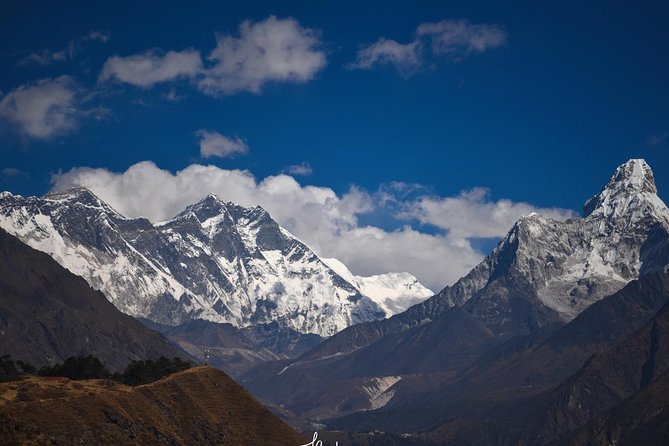
- Kathmandu first, not last: Boudhanath, Pashupatinath, and Swayambhunath set the tone before you go high
- Altitude pacing built in: Namche and Dingboche acclimatization days help you handle the climb
- Teahouses with meals included: breakfast, lunch, and dinner during the trek keep you from hunting for food
- Everest Base Camp + Kala Patthar: two different summit-style experiences, both memorable
- Responsive logistics: past travelers noted smooth handling when flights were delayed by weather
- Private group format: only your group participates, which often makes the trek feel more personal
Everest Base Camp is the kind of goal that changes you
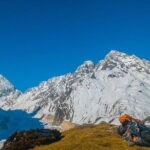
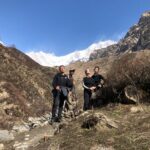
This trek is famous for a reason. You’re moving through Sherpa country—villages, monasteries, and trade routes that have shaped life here for generations—and you’re doing it on foot, at altitude, with days that steadily narrow your world to breath, steps, and sky.
What I like most is that the route keeps teaching you how to acclimatize. The best version of Everest Base Camp isn’t just about reaching Base Camp. It’s about moving carefully enough to keep going, then earning the view from Kala Patthar when the timing is right.
There’s also a practical side: teahouse trekking is a real trade-off. You get simple lodging and a steady meal routine, but you also accept basic conditions—hot meals, not luxury rooms, and fewer conveniences than you’re used to back home.
You can also read our reviews of more tours and experiences in Kathmandu.
Starting in Kathmandu: your altitude-free cultural warm-up
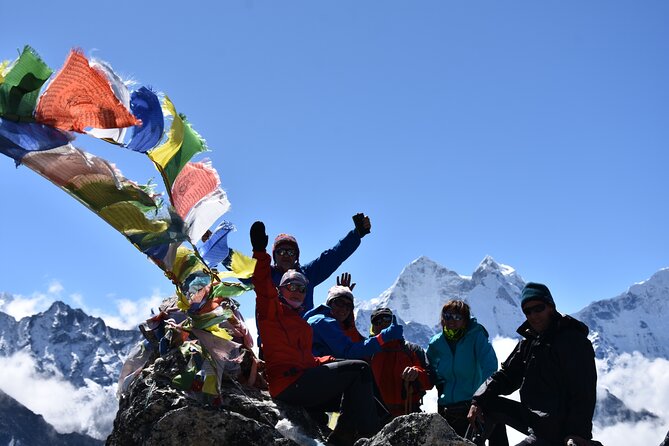
Before the mountains, you’ll settle into Kathmandu with a hotel stay and a proper sightseeing day by private vehicle. This matters more than it sounds. You’re going from city pace to mountain pace fast, and Kathmandu gives you a chance to get oriented, handle essentials, and enjoy Nepal beyond Everest.
You’ll visit Boudhanath Stupa, the massive stupa east of downtown with a 36-meter presence and a long history tied to the drought-era construction story. Next comes Pashupatinath, one of the most sacred Hindu shrines in the world, where you can see ritual life tied to the Bagmati River.
Your day also includes Swayambhunath Stupa (the Monkey Temple). It’s a viewpoint temple, and it’s a fitting preview for what comes later: a place where you’re not just looking at mountains, you’re looking from above—surrounded by life below.
Possible downside: if you’re arriving tired, Kathmandu can feel like “one more day” before you fly to Lukla. The good news is that you’re staying in Thamel and sleeping in a real hotel setup first.
The Lukla flight and the first walk to Phakding
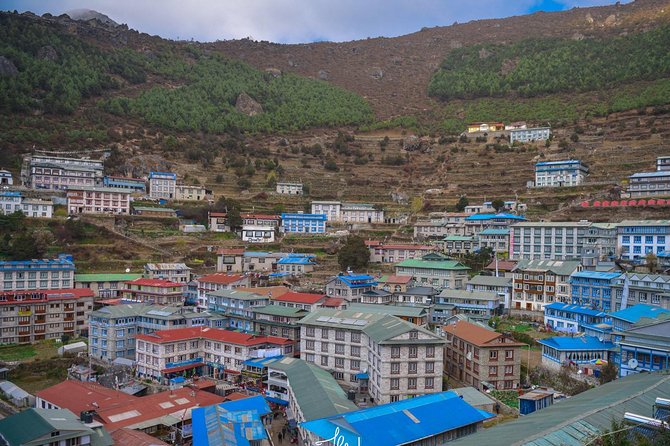
Your mountain journey begins with an early flight to Lukla, then a trek to Phakding. Lukla at 2,804 meters is your first real altitude reality check. It’s not the climb to come, but it’s enough to remind you to take things slow from the start.
The first leg is described as about a 4-hour trek, and it follows trails through villages like Cheplung. This is where you’ll start meeting the rhythm of teahouse trekking: check in, eat, rest, repeat.
For me, the value of these early hours is psychological. You’re establishing good walking habits—steady pace, controlled breathing, and smart breaks—before the longer days start stacking up.
Note to you: if you’re nervous about weather and flights, you’re right to pay attention. The trek organizer specifically warns that Kathmandu–Lukla–Kathmandu flights can be delayed or canceled due to weather. A few extra days at the end of your trip is a smart move.
Namche Bazaar: acclimatization with the Himalayas on your doorstep
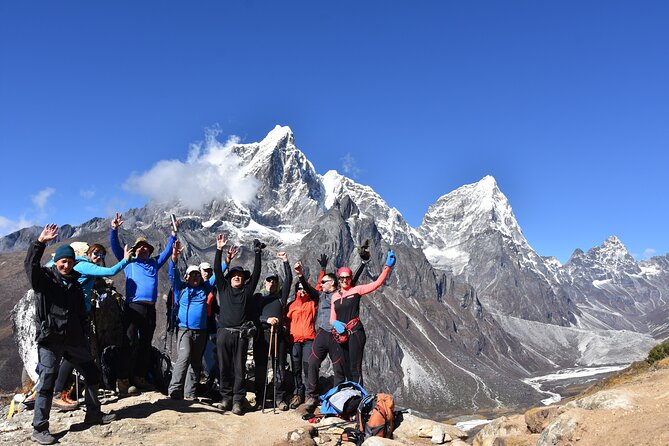
The climb into Namche Bazaar is where the Everest region starts to feel real. You’ll trek through villages like Monjo and Jorsale, cross suspension bridges, and walk alongside the Dudh Koshi and Bhote Koshi rivers. Then you arrive at Namche, about 3,441 meters.
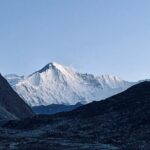
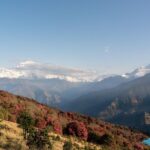
Namche isn’t just a stop for a night. You’ll spend time there, including a day built for acclimatization. You can explore Sagarmatha National Park and enjoy sunrise views on the high peaks—Everest, Lhotse, Nuptse, Ama Dablam, and more.
This is also your chance to hike up to Khumjung village if you want extra effort. I like days like this because you learn how your body responds when you go higher without committing to the next major jump.
What you’ll feel: the altitude gets more noticeable here. That’s why the itinerary includes a real buffer day, not a “push through and hope” strategy.
Tengboche monastery: when the trek slows down
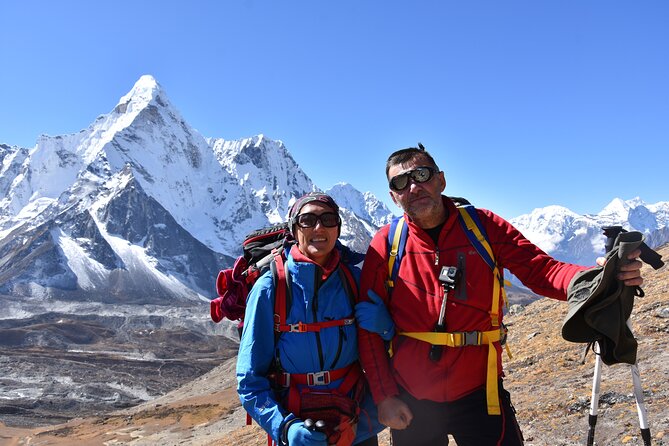
From Namche you head toward Tengboche, around 3,860 meters. The route is described as easy until Phunki, then you ascend toward Tengboche. Even when you’re moving uphill, this is still a “find your pace” day.
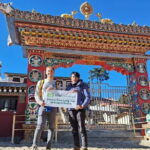
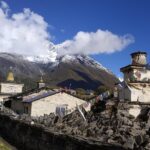
Tengboche village is anchored by its monastery. It’s described as the biggest monastery in the Everest region, and it’s located inside Sagarmatha National Park (UNESCO World Heritage). The monastery’s timing matters: it opens around 3:00 pm, and if you reach by then you can observe a Buddhist religious ceremony.
I find that this stop adds more than scenery. Monasteries in this region aren’t tourist décor; they’re working spiritual centers. Even if you don’t follow the rituals closely, watching how life continues at altitude helps you understand why Sherpa communities have shaped this route for so long.
Small practical note: the trek includes several cultural moments, but your main goal is still altitude management. If you feel tired, you don’t need to chase every view window—rest is part of the hike.
Dingboche to Lobuche: acclimatization and the long push toward the glacier area
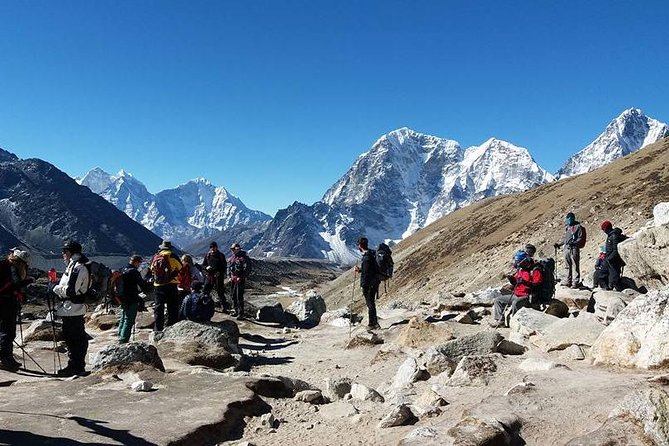
By Dingboche (around 4,350 meters), your days start blending altitude work with longer trekking hours. You’ll hike through the Imja Valley area and past river crossings like the Lobuche River, then settle into Dingboche.
There’s an acclimatization day here too. The idea is simple: gain elevation slowly, with a planned hike and a planned rest. You can hike toward a viewpoint behind Dingboche (described as about a four-hour hike) to see towering peaks including Lhotse, Makalu, and Cho Oyu.
After that, the route continues toward Lobuche. This section is longer, with a described walking time of about 7 hours and roughly 9 km, including a Dughla pass area. It’s the kind of day where your legs get the memo that you’re closer to Base Camp than you were yesterday.
Consideration: as altitude climbs, your pace usually drops. That’s normal. The smarter move is to keep your breathing calm and let your speed be what it is that day.
Gorakshep, Everest Base Camp, and Kala Patthar: the days that define the trip
This is the heart of Everest Base Camp trekking: Gorakshep, the Base Camp walk, then Kala Patthar.
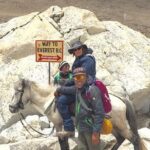
From Lobuche to Gorakshep, the schedule is a long day—nearly 12 hours and about 17 km is mentioned. You’ll check in at your lodge, eat, and then walk up from Gorakshep to Everest Base Camp for the big views of nearby giants like Nuptse, Khumbuste, and Pumori.
Then you turn around and go back to Gorakshep for the night. I like that the itinerary makes Base Camp a specific out-and-back moment. It keeps the day purposeful rather than a vague “we’ll see what happens” approach.
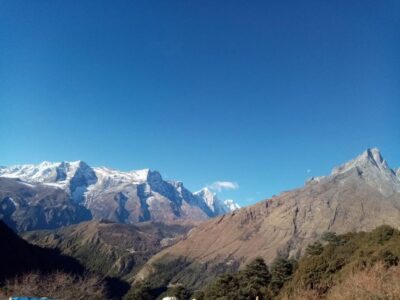
The next morning, you get Kala Patthar. This is the highest point mentioned at about 5,555 meters, and the timing is planned to reach the summit area for a magnificent view of Everest and surrounding peaks like Lingtren, Khumbutse, and Changtse. You’ll spend time up there, then hike down to Pheriche.
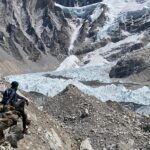
Why this works for most people: Base Camp is huge and emotional, but Kala Patthar is the clearer, more panoramic perspective—especially around sunrise on the snow-capped peaks above the Khumbu Glacier. The combination gives you two different kinds of “wow,” not just one.
Reality check: Kala Patthar is not a casual walk. Even if the trail is graded, altitude makes everything slower. Start early, dress warmly, and keep your focus on steady steps.
The descent back to Namche, plus a little Namche life
After Kala Patthar, the descent continues to Pheriche and then down through Pangboche and Tengboche before returning to Namche Bazaar. The schedule shows a longer descent day of around 7 hours back to Namche.
You’ll get a bit more time to reset in Namche. The trip includes a scheduled stop in Namche around an Irish Pub during your return day, and you also have space to relax once you arrive. That’s a nice psychological shift: after days of climbing, you’re back in a place where you can breathe, eat, and talk about the trek without being up against the next milestone.
On the final trekking day you head back to Lukla, and after landing in Kathmandu you’ll have a cultural dinner in the evening. These small “finish line” pieces help you process what you did.
About hot showers and comfort: the included plan doesn’t guarantee luxuries beyond your lodging and meals. You might find showers vary by teahouse, so bring reasonable expectations.
Price and value: what you’re paying for beyond flights
The price is listed at $1,625 per person for about 15 days. For Everest Base Camp, that number matters less than what it includes and what risks it reduces.
Here’s the value angle I see in the included items:
- Domestic flights: Kathmandu to Lukla and back. Those are often the hardest part to arrange yourself, and weather delays are a real risk.
- Kathmandu hotel: 3-star with breakfast before you go high.
- Meals during the trek: breakfast, lunch, and dinner at teahouses, so you’re not spending energy sourcing food.
- Guiding and permits: an English-speaking, government-licensed guide, plus paperwork for TIMS and National Park Permit.
- Porter support: 2 trekkers to 1 porter, which can make the difference between finishing strong and feeling wrecked by Day 10.
Also included is Kathmandu sightseeing by private vehicle and a farewell dinner.
What you should budget for separately:
- Nepal visa fee (not included)
- Travel and rescue insurance (not included)
- Tips for guide/porter/driver (not included)
- Alcoholic drinks and many personal costs like laundry, battery recharges, and similar extras
- Entrance fees for sightseeing (not included)
One more value note for you: the trek is described as private for your group. If you’ve trekked before, you know that group style changes the vibe. Private usually means fewer stops with strangers, and a bit more flexibility in pace.
Who this trek suits best (and who should be careful)
This trip is built for people with moderate physical fitness. That’s a fair label for Everest Base Camp, because you don’t need to be an ultra-runner, but you do need to be comfortable walking uphill for hours and adapting to altitude.
You’ll enjoy this most if you:
- love high places and want a challenge that feels earned
- want the Everest region experience with cultural touches in Kathmandu and monastery stops
- like structured acclimatization rather than guesswork
Be careful if you:
- get easily spooked by altitude or you’ve never done a high-elevation trek
- can’t afford delays from Lukla flight weather
- dislike long days of hiking (the schedule includes big walking days)
Should you book this Everest Base Camp trek?
If your dream is Everest Base Camp with solid support, I’d say it’s a strong choice. The included guide and permit handling reduces admin stress. The itinerary includes planned acclimatization, which is the difference between enjoying the trek and suffering for survival.
I’d book it if you want safe, organized logistics and a clear route that reaches both Base Camp and Kala Patthar. And if you can, add extra days at the end of your trip so flight delays don’t steal your finish.
If you’re looking for a soft walk with guaranteed comfort, this isn’t that. This is a real trek, and the payoff is big—just make sure you’re ready for the effort.
FAQ
How long is the Everest Base Camp trek?
The trek is about 15 days.
Where does the trip start and end?
It starts in Kathmandu, Nepal, and ends back in Kathmandu after the Lukla flights.
What is included for transportation?
Pickup and drop from the international airport are included, along with domestic flights from Kathmandu to Lukla and back.
Are meals included during the trek?
Yes. The plan includes breakfast, lunch, and dinner during the trek, plus a farewell dinner at the end.
What kind of accommodation do I get?
You’ll stay in a 3-star hotel in Kathmandu with breakfast, and you’ll use teahouse accommodation during the trek (plus guesthouse nights during the return to Namche).
Is there porter support?
Yes. Porter service is included, with the plan stated as 2 trekkers per 1 porter.
Are trekking permits included?
Yes. The plan includes necessary paperwork and permits such as the National Park Permit and TIMS, along with local taxes.
What is not included in the price?
Not included: Nepalese visa fee, travel and rescue insurance, alcoholic drinks, tips for guide(s), porter(s) and driver, and various personal expenses like laundry, shower-related costs, phone calls, and battery recharge. Entrance fees for sightseeing in Kathmandu are also not included.
Are airport transfers included in Kathmandu?
Yes. You’ll be transferred from the airport to your hotel on arrival, and later taken from your hotel to the departure airport.
Can I cancel for a full refund?
Free cancellation is available up to 24 hours in advance for a full refund.