REVIEW · KATHMANDU
Everest Base Camp Trek With Local Expert Sherpa Guide
Book on Viator →Operated by Mountain Sherpa Trekking & Expeditions · Bookable on Viator
One of the best trips you can’t rush.
This Everest Base Camp trek is set up as a long, guided journey with acclim days and a real emphasis on Sherpa support, from your first night in Kathmandu to reaching Everest Base Camp and then Kala Patthar at 5,645m.
What I really like is the mix of logistics you don’t want to manage (like the Kathmandu-to-Lukla flights and lodge stays) plus the human layer—an expert local Sherpa guide and porters organized to keep the trek feeling doable.
One consideration: you’re trekking at serious altitude. Even if the plan is described as not very difficult, you still need a strong fitness level and you should expect weather to affect flights and timing.
In This Review
- Key Points That Matter
- Everest Base Camp, but With Real-World Support
- Kathmandu Arrival: Hotel Comfort and a Proper Start
- The Lukla Flight: Where the Trek Really Starts
- Trekking Days From Lukla: Long Walks, Managed Pace
- Namche Bazaar: Acclimatization That Turns the Volcano Down
- Dingboche: Another Adjustment Stop (And Why It Matters)
- Everest Base Camp and Kala Patthar at 5,645m
- Lodges, Meals, and What You’ll Actually Pay During the Trek
- Price and Logistics: Where the $2,170 Goes
- Who This Trek Fits Best (And Who Might Struggle)
- A Practical Checklist Before You Go
- Should You Book This Everest Base Camp Trek With a Local Sherpa Guide?
- FAQ
- Where is the meeting point and what time does the tour start?
- How long is the Everest Base Camp trek?
- What is included in the trek price?
- Does this trek include flights to Lukla?
- What accommodation will I have during the trek?
- Does the trek include acclimatization days?
- What high points does the itinerary include?
- What permits are handled for the trek?
- What’s not included in the price?
- Is this a private tour?
Key Points That Matter
- Sherpa-led, permit-covered trek: A government-certified Sherpa guide plus TIMS and Everest permit fees included.
- Flights handled end-to-end: Kathmandu–Lukla–Kathmandu internal flights are part of the package, taxes included.
- Acclimatization built in: Dedicated days in Namche Bazaar and Dingboche to help your body adjust.
- Climb for views, not just for checking boxes: The itinerary includes Everest Base Camp and the push to Kala Patthar.
- Porter support that’s practical: A porter for 1 to 2 people, plus a group medical kit.
- Comfort where it counts: 3-star hotel in Kathmandu and quality lodge accommodation on trek (twin sharing).
Everest Base Camp, but With Real-World Support
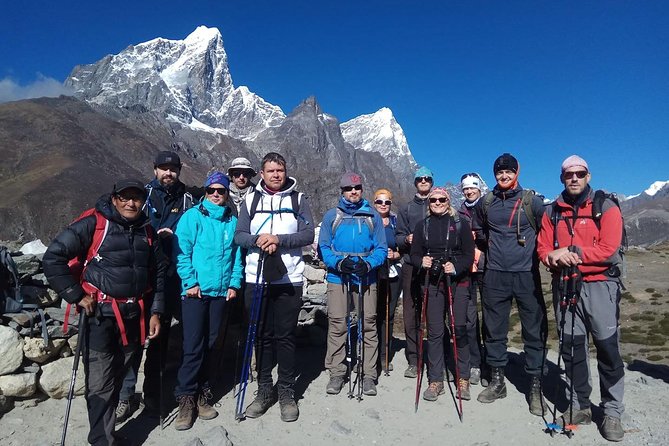
Everest Base Camp has that rare mix of big visuals and real effort. What makes this version appealing is that it treats the trek like a journey of pacing and altitude management, not only a long line of steps.
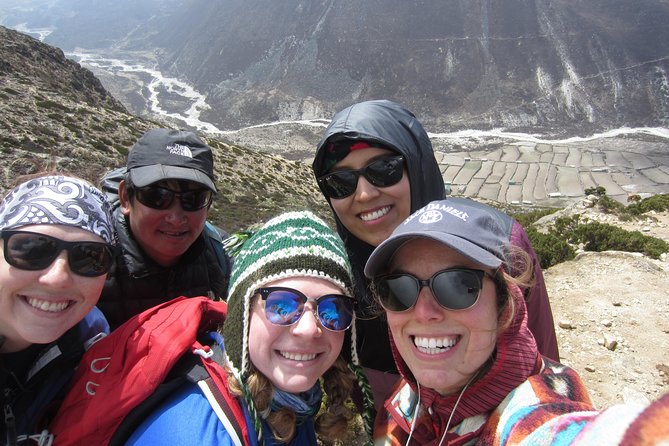
I like how the trip is structured so you’re not constantly making decisions. When your guide is organizing the plan, and your porters are handling the heavy carry, you can focus on breathing, walking, and enjoying the Sherpa villages you pass through.
The other thing I value is that the experience is led by local Sherpa expertise. In the company’s broader trekking history, guides such as Pasang Sherpa, Pema Sherpa, PD, Mingmar Sherpa, Tanshi, Rinji Sherpa, and Ming-Ma Aprehs have been singled out for strong day-to-day leadership and for staying present in the towns along the route—exactly what you want when the schedule, weather, or altitude asks something of you.
You can also read our reviews of more tours and experiences in Kathmandu.
Kathmandu Arrival: Hotel Comfort and a Proper Start
Your trek begins with a clear meeting plan: you meet at Tribhuvan Airport at 7:45 pm. From there, the trip includes an air-conditioned vehicle, plus a 3-star hotel stay in Kathmandu with breakfast.
Day two includes half-day sightseeing in Kathmandu with a tour guide, and the package also includes a welcome dinner and a healthy breakfast in Kathmandu. That matters because it gives you a calm buffer day. You get acclimated to the city (and to Nepal time), handle any last questions, and then step into the high-mountain rhythm.
If you hate logistical chaos, this is where the value shows. Flights out of Kathmandu are often weather-dependent, and having a solid Kathmandu base makes those shifts easier to handle.
The Lukla Flight: Where the Trek Really Starts
A big piece of the cost here is the internal flight Kathmandu–Lukla–Kathmandu with taxes included. Getting to the trail this way saves days versus starting from far away, and it helps keep the trek focused on the mountain part you came for.
You’ll likely feel a burst of energy once you reach Lukla, because the trek becomes immediate—trail time replaces planning time. And because your guide and team are managing the flow, you’re not standing around figuring out how to connect transport, permits, and gear on your own.
One reality check: in Nepal, flights can be delayed. In past trips with the same company, reroutes have happened when fixed-wing flights were canceled. That doesn’t mean it will happen to you, but it’s a good reason to pack patience—and to keep your day flexible.
Trekking Days From Lukla: Long Walks, Managed Pace
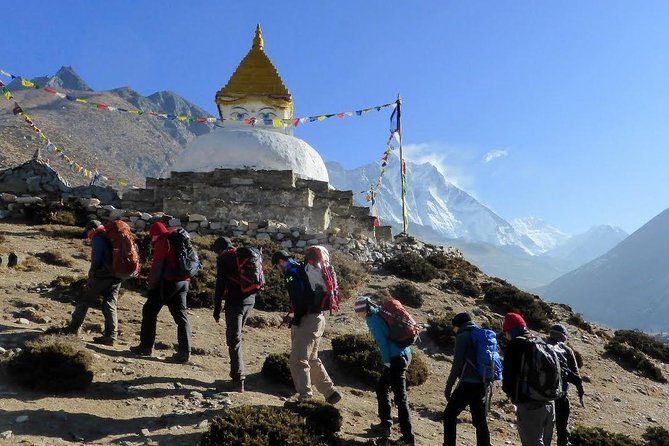
The itinerary includes about 12 trekking days on the trails, starting from Lukla Airport as described in the trek plan. That’s the core experience: steady hiking, lodge-to-lodge rhythm, and repeated chances to watch the valley shift from busy lower trails to high-altitude village life.
This is the part where the guide and porter system pays off. With a porter for 1 porter for 2 people, you keep your own load more manageable. Your legs do the work; your brain can stay focused on pace, hydration, and not rushing climbs just because you feel good early.
The trip also includes a trek map, company t-shirt, duffel bag, and a group medical kit. Those extras aren’t luxury—they help you feel organized, and a medical kit matters because altitude problems are time-sensitive.
Namche Bazaar: Acclimatization That Turns the Volcano Down
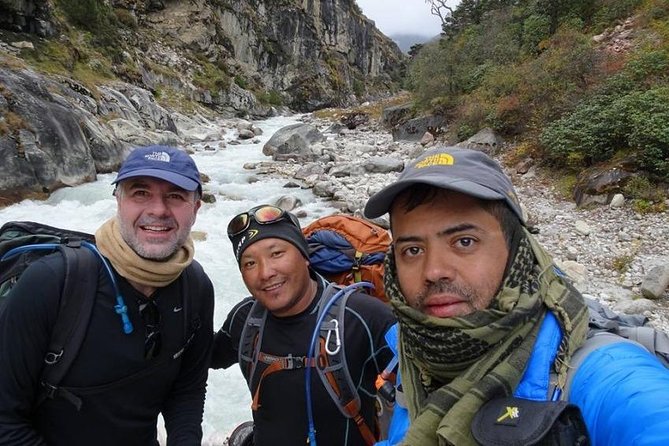
You get an excursion and acclimatization day in Namche Bazaar. Namche is often where people first feel altitude as a practical issue, not a theory. The value of building in a day here is simple: it gives your body time to adjust while your routine stays hiking-focused but not punishing.
I like that the itinerary doesn’t treat acclimatization as optional. You’ll get guidance on how hard to push, what to watch for, and when to slow down. At altitude, small decisions matter—especially around sleep, hydration, and pacing.
Namche also gives you cultural context. You pass through Sherpa villages and see how communities survive and thrive in the high Himalaya world—teahouses, lodge life, and the daily rhythm around trekking seasons.
Dingboche: Another Adjustment Stop (And Why It Matters)
The plan includes another excursion and acclimatization day in Dingboche. This is the step after Namche, when altitude can start feeling sharper and your breathing changes. Having a scheduled day here is one of the best “safety by design” features in this trek.
You’re aiming to reach Everest Base Camp and then climb to Kala Patthar. That’s demanding. The better your acclimatization days, the less likely you’ll spend the high section fighting your own body instead of enjoying the route.
The trekking style here is lodge-based throughout the trek with quality lodge accommodation in twin sharing. That consistency is important. It helps you keep your sleep routine stable, and stable sleep is a big deal at altitude.
Everest Base Camp and Kala Patthar at 5,645m
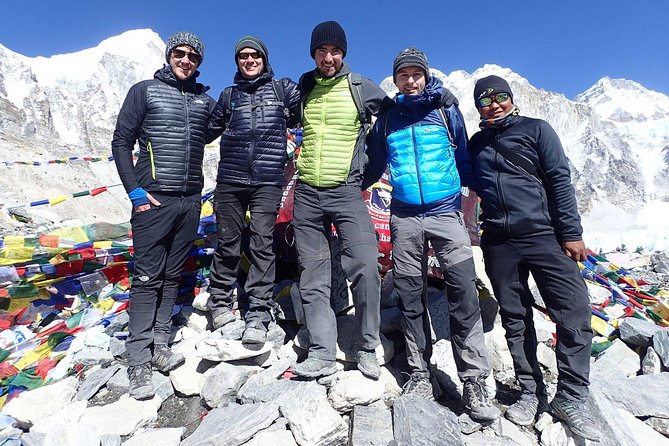
This trek includes the main headline: hike to Everest Base Camp and then Kala Patthar at 5,645 meters for superb views. Base Camp is where the mountain’s scale hits you. Kala Patthar is where you get that iconic, high-angle perspective that many people dream about.
The key here is that the itinerary treats the view days as part of a progression. You’re not flying in cold and jumping straight to the highest points. You’re building up through acclimatization in Namche and Dingboche and then using the later days for the big payoff.
If you’re wondering what to expect physically: even if the trek is described as not very difficult, you’re still operating at altitude. Expect shorter steps, more breaks, and a slower pace than you might use on lower trails.
Also, keep your expectations about weather realistic. The cancellation notes mention the trek requires good weather. Even on a good trip, mountain weather can shape timing, and flights may shift.
Lodges, Meals, and What You’ll Actually Pay During the Trek
The included portion covers quality lodge accommodation during the whole trek (twin sharing). What’s not included is the daily food during trekking beyond breakfast; the package states you won’t have lunch and dinner in Kathmandu (listed as $5–10 per meal), and on the trek water and deserts aren’t included.
That means you should budget for:
- Tea-house style drinks and snacks
- Lunch and dinner on trek (not listed as included)
- Water purchases or upgrades your guide recommends
In Kathmandu, breakfast is included, plus the welcome dinner. Meals in Kathmandu beyond that are on you, with the noted range of $5–10 per meal.
It’s a small thing, but it changes the feeling of cost. This trek’s price looks high on paper until you remember that altitude treks often turn into a mix of fixed costs (flights, permits, guide/porter teams) plus daily spending for food and beverages. Here, many of the big-ticket parts are handled up front.
Price and Logistics: Where the $2,170 Goes
At $2,170 per person for a roughly 17-day journey, the pricing makes sense if you care about avoiding administrative stress. Your money is funding the parts that tend to be hard to DIY safely:
- Internal flights to and from Lukla
- Hotel in Kathmandu with breakfast
- Lodge accommodation during the trek
- A government-certified local Sherpa guide
- Porters (organized as 1 porter for 2 people)
- TIMS card and Everest permit fees
- Guide and porter pay, meals, and insurance
- A trek map, duffel bag, and group medical kit
What’s not included is equally important:
- International flights and Nepal visa
- Travel & health insurance (highly recommended)
- Emergency helicopter rescue insurance
- Trek-time water and desserts
- Gratuities for guide and porter at the end
- Phone/internet/battery charges on trek
I’d treat this as value pricing if you want professional support and smooth movement. If you already know Nepal logistics well and prefer to run things independently, you might be paying for convenience you won’t use. But if altitude trekking is your priority, this setup is designed to reduce friction.
Who This Trek Fits Best (And Who Might Struggle)
This experience is private, so you and your group only participate. It’s best for people who want the Everest Base Camp route without negotiating the details themselves.
You’ll likely enjoy it if:
- You want a local Sherpa guide who can explain what’s happening on the trail and in Sherpa towns
- You prefer planning and pacing support, especially around acclimatization
- You’re okay with lodge life and shared rooms (twin sharing)
You might want to think twice if:
- You’re not comfortable with altitude and long hiking days
- You need full control of every timing detail (this package is guided)
- You’re hoping for all-inclusive meals and drinks without extra costs (water and some meals aren’t included)
And the simple truth: the trek requires good physical fitness level as stated. Training before you go is not optional.
A Practical Checklist Before You Go
Because the plan includes high points like Kala Patthar, prepare like the trek is about comfort and breathing as much as it is about effort. Pack to keep your layers working and your feet happy through lodge-to-lodge walking.
Also plan your budget for the items not included, especially:
- Food beyond what’s covered (trek meals, drinks)
- Water and snacks
- Any phone/internet/battery needs
- Guide and porter gratuities
Finally, keep one mindset: your schedule is at the mercy of mountain conditions. The trip notes say the experience requires good weather, and in poor weather you’ll be offered a different date or a full refund. That’s a reminder to book with flexibility.
Should You Book This Everest Base Camp Trek With a Local Sherpa Guide?
If you want the Everest Base Camp experience with less guesswork, I’d say yes. This trek is built around the big moving parts—Lukla flights, permits, a government-certified Sherpa guide, and acclimatization days in Namche Bazaar and Dingboche—and it keeps the high points focused on reaching Everest Base Camp and pushing for Kala Patthar’s views.
Book it if you value a guided pace, porter support (1 porter for 2 people), and lodge accommodation without having to juggle logistics. Skip it only if you’re looking for full independence or you’re not ready for altitude hiking where weather and timing can’t be controlled.
If you’re the type who wants to get to the trail quickly and then trust the people who do this route every season, this one is a solid match.
FAQ
Where is the meeting point and what time does the tour start?
You meet at Tribhuvan Airport in Kathmandu, Nepal at 7:45 pm.
How long is the Everest Base Camp trek?
The duration is listed as 17 days approximately.
What is included in the trek price?
The package includes a 3-star hotel in Kathmandu with breakfast, lodge accommodation during the trek (twin sharing), round-trip internal flights Kathmandu–Lukla–Kathmandu, a local Sherpa guide, porters (1 porter for 2 people), permits and TIMS card, a group medical kit, and Kathmandu sightseeing plus a welcome dinner and healthy breakfast.
Does this trek include flights to Lukla?
Yes. Internal flight fare Kathmandu–Lukla–Kathmandu with taxes is included.
What accommodation will I have during the trek?
You’ll stay in quality lodge accommodation during the trek, with twin sharing.
Does the trek include acclimatization days?
Yes. There are excursion and acclimatization days in Namche Bazaar and Dingboche.
What high points does the itinerary include?
The trek includes hiking to Everest Base Camp and Kala Patthar, listed at 5,645 meters for superb views.
What permits are handled for the trek?
The TIMS card and the Everest trekking permit fee are included.
What’s not included in the price?
Not included items are international airfare and Nepal visa, travel and health insurance, emergency helicopter rescue insurance, lunches and dinners in Kathmandu ($5–10 per meal), alcohol, and water and deserts during the trek, plus gratuities for the guide and porter.
Is this a private tour?
Yes. It is private, and only your group participates.