REVIEW · KATHMANDU
Everest Base Camp Trek with Helicopter Return – 10 Days
Book on Viator →Operated by Breakfree Adventures Pvt. Ltd. · Bookable on Viator
Helicopter back changes everything. This 10-day Everest Base Camp trek is built around the big payoff: you reach the base camp area, hike on to Kalapathar, then return to Kathmandu by helicopter instead of walking the same route back. I like how much of the trip is handled end-to-end—tea house stays, Lukla flights, permits, guide, porters, and trek meals—and I also appreciate the small-group setup with a maximum of 15 people.
One thing to factor in: the trek and especially the helicopter segment depend on weather, and the operator notes that poor conditions can force a different date or a full refund.
In This Review
- Key things that make this trek different
- Why the Kalapathar helicopter beats a walk-back
- Price and logistics: what $3,400 is really buying
- Kathmandu: arrival day gives you a breather
- Kathmandu to Lukla to Phakding: the start of real altitude rhythm
- Namche Bazaar: Sherpa capital, plus an acclimatization plan
- Tengboche to Dingboche: monasteries and the climb into the high villages
- Chola Lake and Lobuche: the long-day feel before Everest Base Camp
- Everest Base Camp day: glacier views, then back to Gorakshep
- Kalapathar: the panoramic moment before the heli lifts you away
- Who this trek fits best (and who should think twice)
- Guides and real-feeling support that you actually notice
- Day-by-day flow: how the route builds toward Everest
- Should you book this Everest Base Camp with helicopter return?
- FAQ
- How long is the Everest Base Camp trek with helicopter return?
- Where does the trek start and end?
- Are flights included?
- What kind of lodging do you get during the trek?
- What meals are included?
- Does the price include a guide and porters?
- What permits and cards are included?
- What’s not included, and is tipping required?
Key things that make this trek different
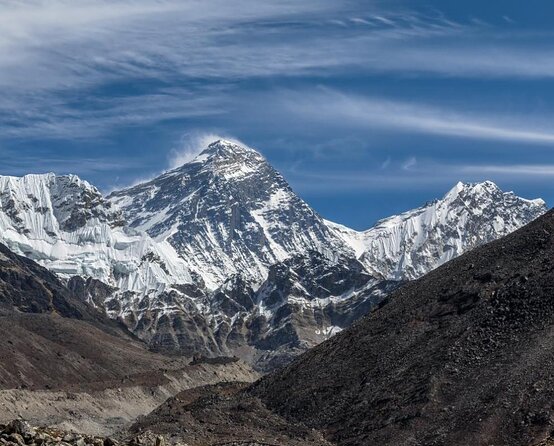
- Helicopter return after Kalapathar: you get the classic high-view moment, then save your legs on the ride back to Kathmandu.
- Lukla + Gorekshep flying legs are included: you’re not piecing together flight timing on your own.
- Sherpa-led support (guide + porters): porters are included at 1 porter for 2 trekkers, plus an experienced English-speaking trekking guide.
- Tea house accommodation and full meal plan during the trek: breakfast, lunch, and dinner are covered once you start hiking.
- Big gear box is included: duffle bag, down jacket, sleeping bag, and walking pole are part of the package.
- Permits and park access are included: Everest Trek permit and TIMS card are covered, plus necessary fees.
Why the Kalapathar helicopter beats a walk-back
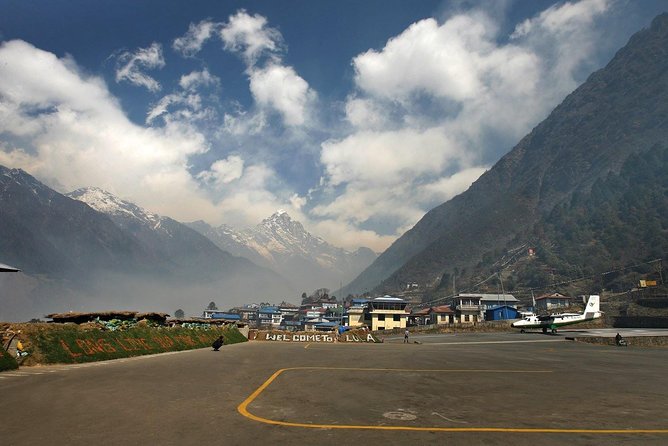
Most Everest Base Camp routes make you earn the return by retracing your steps. Here, the structure is different. You work up through the Khumbu region like normal—tea houses, crossings, acclimatization hikes—but the finish is designed to reduce the grind.
After you reach Everest Base Camp area, you continue to Kalapathar for panoramic views (the itinerary calls out a 360-degree view concept). Then you fly back to Kathmandu by group sharing helicopter. That means you get the iconic high-altitude viewpoint moment and then skip the long, repetitive descent and re-crossing of the same villages and ridgelines.
The value in that choice isn’t just comfort. It also means you avoid the tired leg effect that often stacks up when people get to the finish line. You still hike—just with less “one more day of walking” at the end.
You can also read our reviews of more tours and experiences in Kathmandu.
Price and logistics: what $3,400 is really buying
At $3,400 per person for about 10 days, this is not a bargain-basement trek. But it’s also not “paying extra for the view” without substance. The cost is heavily supported by included transport and required access.
Here’s what’s actually inside the price:
- Flights: Kathmandu to Lukla and helicopter return to Kathmandu after the trek (listed as Gorekshep to Kathmandu by heli in group sharing basis).
- All tea house accommodation during the trek (guest houses/lodges).
- Meals on trek days: breakfast, lunch, and dinner are included.
- Trekking staff: an experienced English-speaking trekking guide plus porters (including food, accommodation, salary, equipment, and insurance). The porter ratio is 1 porter for 2 trekkers.
- Permits and fees: Everest Trek permit + TIMS card, plus landing and facility fees.
- Gear included: duffle bag, down jacket, sleeping bag, walking pole.
- Kathmandu support: airport pick up/drop off by private vehicle, and Kathmandu accommodation with breakfast.
What’s not included is also clear: lunch and dinner in Kathmandu, Nepal entry visa fee, drinks and personal expenses, and tips for guide/porters (expected but not mandatory).
So when you look at the price through the lens of what’s included, you’re paying for three expensive parts of Everest travel: the Lukla flight, the helicopter return, and the guided logistics that take pressure off your planning.
Kathmandu: arrival day gives you a breather
Day 1 is straightforward: you arrive in Kathmandu, meet at the airport, and transfer to your hotel. The rest of the day is free to explore or rest.
That matters more than it sounds. Kathmandu isn’t just a starting point. It’s where your body and schedule adjust to Nepal time, and it’s also where you’ll handle last-minute basics like getting your bearings and buying any personal items you didn’t pack.
If you like to walk off jet lag with an easy stroll, this is the day to do it. If you’d rather keep it calm, you’ve got permission to do that too.
Kathmandu to Lukla to Phakding: the start of real altitude rhythm
On Day 2, you drive to the domestic airport and fly to Lukla, meet the trekking crew, then begin hiking toward Phakding.
The trek starts with green, mountain-framed walking, with scenery around Kusum Kangaru mentioned. The route follows the Dudh Koshi River and includes crossings like the Hillary suspension bridge later on, which is one of those classic moments you remember because it looks dramatic even when you’re not trying to look dramatic.
Phakding is your early “settling-in” day. You’re not at Everest yet, but you’re already learning the pace: steady steps, frequent breaks, and a trail that feels like it keeps changing texture under your boots.
Namche Bazaar: Sherpa capital, plus an acclimatization plan
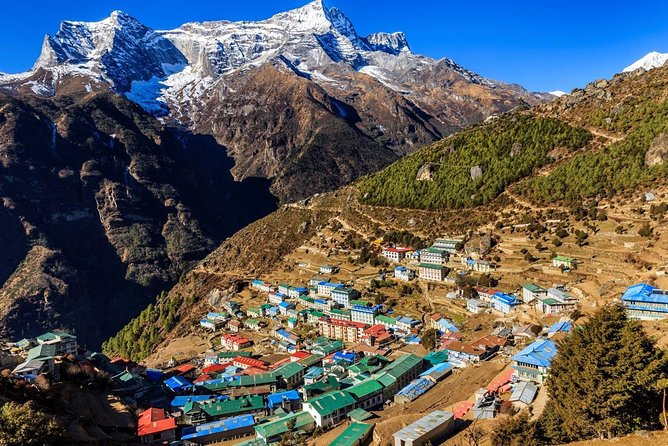
Day 3 pushes toward Namche Bazaar, described as the Sherpa capital and the gateway to the Everest region. You’ll walk through pine forest along the Dudh Koshi River, cross the Hillary suspension bridge, and pass through entry check points related to the Sagarmatha National Park area (also tied to UNESCO).
Namche itself is a hub. It’s where the trek turns from “walking through villages” into “living in the Everest bubble” for a bit. You also get time set for the Sherpa Museum in Namche, which is a nice cultural pause that helps you understand the people you’re trekking alongside.
Then Day 4 is built for acclimatization. You hike up to Everest View Hotel for strong viewpoints over Mount Everest and the surrounding high country. This is a “high enough to matter, not too high to break you” day. It’s also where you learn what pace feels like when altitude starts making simple tasks feel a bit more effort.
Tengboche to Dingboche: monasteries and the climb into the high villages
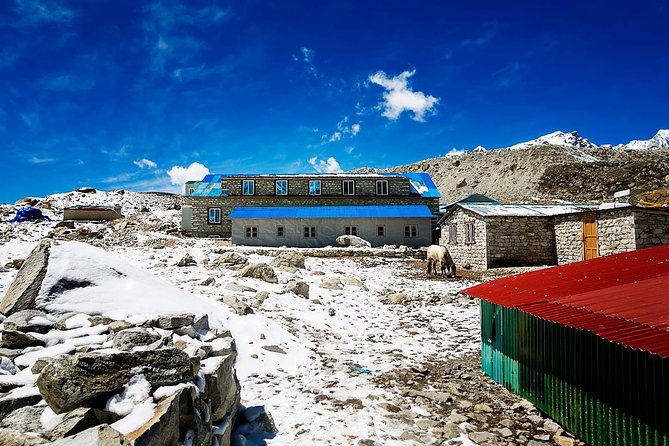
Day 5 heads toward Tengboche, known for its monastery and described as the largest monastery in the Khumbu region. This is the day when the trek often starts to feel emotionally bigger. The mountains seem closer; the air feels sharper; and the trail feels like it’s aiming at the high amphitheater ahead.
On Day 6 you go higher toward Dingboche (listed at 3,900m). The route is described with traditional trail details—chortens, mani walls, and small villages. You cross Imja Khola, pass Pangboche, and then settle into a higher-elevation village.
Why Dingboche matters: it functions as another acclimatization stop. It’s not about conquering distance; it’s about giving your body time to adjust while you keep moving forward.
Chola Lake and Lobuche: the long-day feel before Everest Base Camp
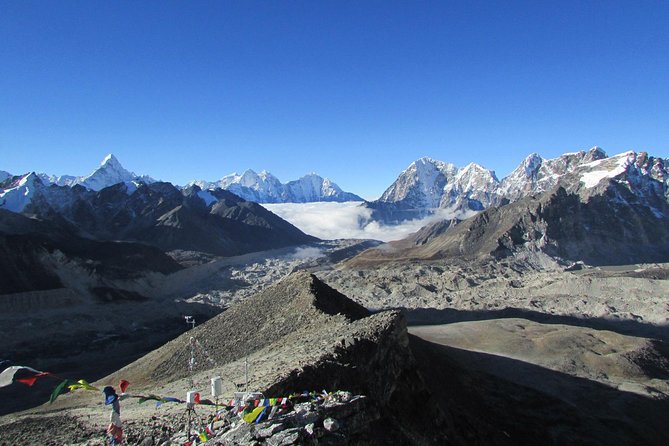
Day 7 climbs through Khumbu Khola Valley and moves toward Duglha before reaching Chola Lake, with route details including places like Dusa and Phulung Karpo. The itinerary notes ups and downs and a continued climb until reaching Duglha and then onward toward the next high area.
You then end at Lobuche. The plan calls out Lobuche peak as close to the Khumbu Glacier, which is a hint about what you’ll see soon: the glacier becomes part of the scenery instead of just background shapes.
This is one of those days where the hours in your legs matter more than any single view. If you’re someone who wants a “schedule you can manage,” this is where you’ll be glad you went slow and steady earlier.
Everest Base Camp day: glacier views, then back to Gorakshep
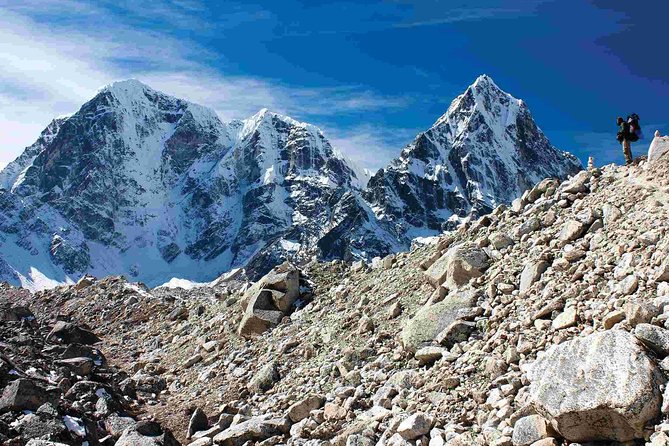
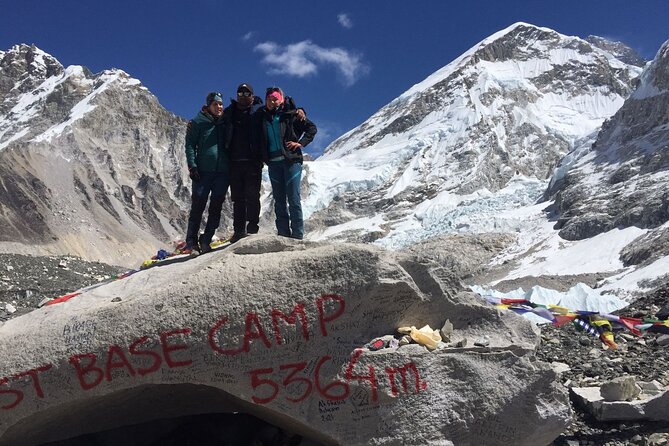
Day 8 is the big push. The itinerary describes a route with many ups and downs at altitude, then about 3 hours to reach Everest Base Camp. From there, you’ll witness the Khumbu Glacier and icefall area.
After the EBC time, you return to Gorakshep. That back-and-forth is part of what makes Everest Base Camp special: you can stand at the destination, feel the weight of it, and then keep your day structured instead of blowing all your energy right at the top.
One practical note: with a day like this, your best strategy is simple. Keep your pace calm early, save your energy for the moments you actually want to stand and look around.
Kalapathar: the panoramic moment before the heli lifts you away
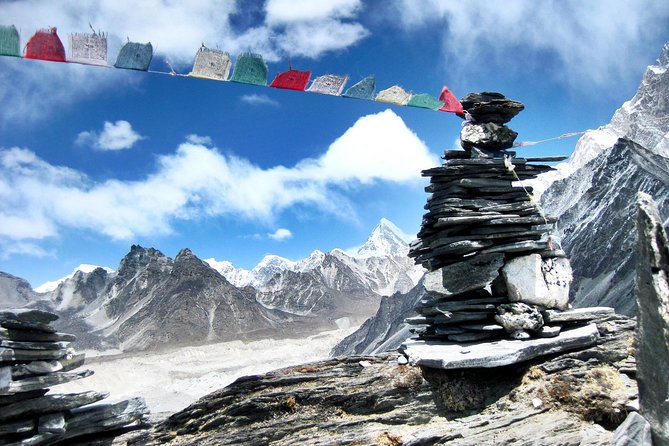
Day 9 starts with your final hike to Kala Patthar / Kalapathar, called out for 360-degree panoramic views of the Khumbu mountains, including Everest. This is the viewpoint many people chase because it changes the way the region looks—more angles, more scale, and a better sense of how the valleys and ridges fit together.
After Kalapathar, you fly back to Kathmandu by group sharing helicopter. The included transportation segment is a major reason this trip feels “compressed in the right way.” You get the view, then you get out of the walking loop.
And again, the helicopter part is weather sensitive. The operator explicitly notes that good weather is required for the activity, and if it can’t run due to conditions, you’ll be offered a different date or a full refund.
Who this trek fits best (and who should think twice)
This Everest Base Camp with helicopter return is best for you if:
- You want a true Everest-region trek with real high-hike days, but you don’t want to punish yourself with a full backtrack.
- You prefer a structured plan where flights, guides, permits, and tea house logistics are handled.
- You like the idea of a small group (maximum 15) so the trek feels communal, not chaotic.
- You’d rather not shop for core winter trekking gear, since the package includes a down jacket, sleeping bag, and walking pole.
It might not be the best fit if:
- You’re extremely risk-averse about weather. The package is dependent on a good weather window, and that affects the helicopter return.
- You want the cheapest possible way to reach Everest Base Camp. At this price, you’re paying for included flights and helicopter return.
Guides and real-feeling support that you actually notice
A pattern shows up in the trip’s positive feedback: the guide support seems to make a real difference when you’re tired, cold, or unsure of the next step. Names tied to the experience include Dipak (local guide), Ram (guide/porter mentioned), and Rabi (assistant), plus Binayak in Kathmandu communications and Ramesh Sapkota as another guide.
Even if you never meet every person involved in someone else’s trip, it tells you how this operator runs: communication before the trek is a priority, and on-trail guidance is part of the product—not an optional extra.
Day-by-day flow: how the route builds toward Everest
Here’s the basic logic of how your days fit together:
- Start easy, then climb into Namche (Lukla to Phakding, then Namche via river and forest sections).
- Acclimatize before you go higher (Namche day plus the Everest View Hotel hike).
- Move through key high villages and monastery country (Tengboche and onward).
- Gain altitude in steps (Pangboche/Dingboche, then Lobuche).
- Go for the two big icons (Everest Base Camp day at EBC area; Kalapathar the next morning).
- Exit fast and human (helicopter back to Kathmandu instead of another long trek down).
That structure is what makes this feel “10 days long” rather than “an endurance test that never ends.”
Should you book this Everest Base Camp with helicopter return?
If your main goal is Everest Base Camp plus the best possible finish, I’d lean yes. The value math gets clearer when you remember what’s included: Lukla flights, porter support, meals, tea houses, permits, trekking gear, and the helicopter return. The itinerary also includes acclimatization days (Namche and Dingboche), which helps you avoid rushing.
Book it if you’re okay with the trade-off: weather rules the helicopter. If you can be flexible on timing and you accept that high-altitude plans sometimes shift, this is a smart, efficient way to experience Everest’s core sights without walking yourself into the ground on the last day.
FAQ
How long is the Everest Base Camp trek with helicopter return?
It’s listed as approximately 10 days.
Where does the trek start and end?
You start in Kathmandu and return to Kathmandu after the trek.
Are flights included?
Yes. The trip includes flights from Kathmandu to Lukla and a helicopter transfer back to Kathmandu after the trek.
What kind of lodging do you get during the trek?
You stay in tea house accommodations (guest houses/lodges) during the trek. Kathmandu lodging is also included with breakfast.
What meals are included?
Breakfast, lunch, and dinner are included during the trek.
Does the price include a guide and porters?
Yes. An experienced English-speaking trekking guide is included, along with necessary porters with a ratio of 1 porter for 2 trekkers.
What permits and cards are included?
The package includes an Everest Trek permit and a TIMS card.
What’s not included, and is tipping required?
Not included are lunch and dinner in Kathmandu, the Nepal entry visa fee, drinks, and personal expenses. Tips for the guide and porters are expected but not mandatory.