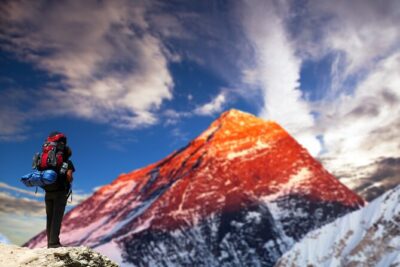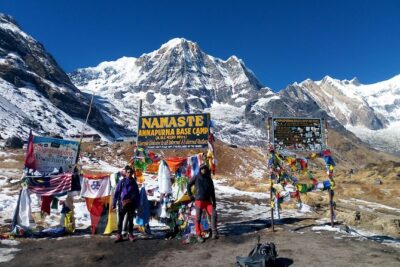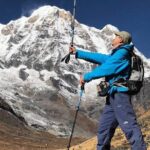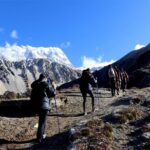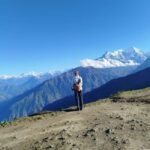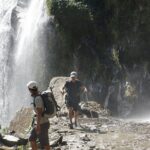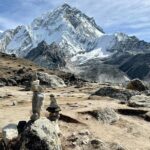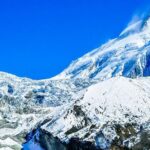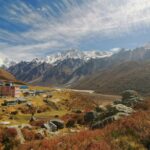
Fourteen days, one big payoff: Annapurna views. This trek is a classic route through Nepal’s protected Annapurna Conservation Area, with Gurung village life along the way and big mountain drama from the Annapurna range to Machhapuchhre (fish-tail). I especially liked the Poon Hill sunrise add-on and the way Damu keeps the whole plan calm, clear, and doable even when conditions shift.
Two things I love most are how practical the pacing feels for a first big trek, and how the team manages the day-to-day details so you can focus on walking. One possible drawback: you’ll still face long trekking days and cold, high-altitude weather, and the package doesn’t include lunch, dinner, snacks, or bottled water—so you’ll want to budget for those.
The private-group setup also matters. You’re not being shuffled around with strangers, and you get a guide who can answer questions, adjust when needed, and keep your itinerary running on time. In one review I read, the team even handled an unexpected disruption when a helicopter got cancelled due to bad weather—proof that having an experienced guide is worth paying for.
In This Review
- Key highlights worth your attention
- Why Annapurna Base Camp feels different than other treks
- Getting oriented in Kathmandu (and why the rest day matters)
- AC ride to Pokhara and the start at Nayapul
- Ghorepani and Poon Hill: your first real taste of big mountains
- Building acclimatization: Sinuwa, Deurali, and the long push
- Annapurna Base Camp day at 4,130m: what it actually feels like
- Descent to Bamboo, Jhinu-Danda via Chomrong, and the long travel day home
- Price and logistics: where the value really is (and where it isn’t)
- Gear, pace, and weather: practical ways to stay comfortable
- Who should book this Annapurna Base Camp trek
- Should you book this Annapurna Base Camp trek?
- FAQ
- What is the duration of the Annapurna Base Camp Trek?
- Where does the trek start and end?
- How much does the trek cost?
- What is included in the price?
- What is not included?
- Is this tour private?
- What fitness level do I need?
- Are service animals allowed?
- Can I cancel for a full refund?
Key highlights worth your attention
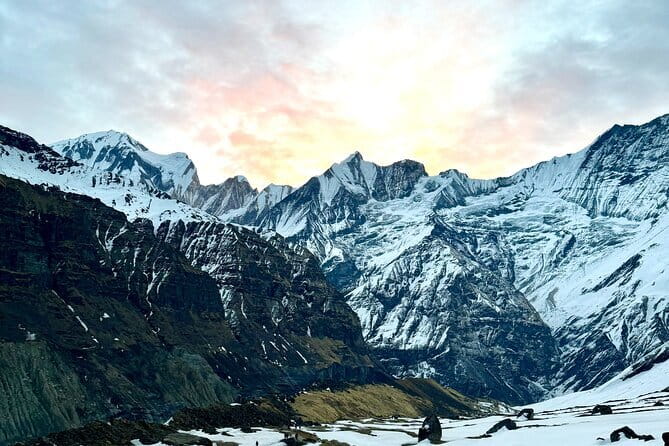
- Poon Hill sunrise early push that gives you a wow moment before you settle into the trek rhythm
- Damu’s trip management, praised for organization, clear communication, and a supportive style
- Altitude build-up to 4,130m at Annapurna Base Camp, with gradual steps rather than a sudden jump
- Private tour feel since it’s only your group, not a mixed-crowd trek
- AC vehicle transfers on the Kathmandu–Pokhara legs, so you start the trek with less hassle
- Helpful porters noted as part of a smooth, caring team
Why Annapurna Base Camp feels different than other treks
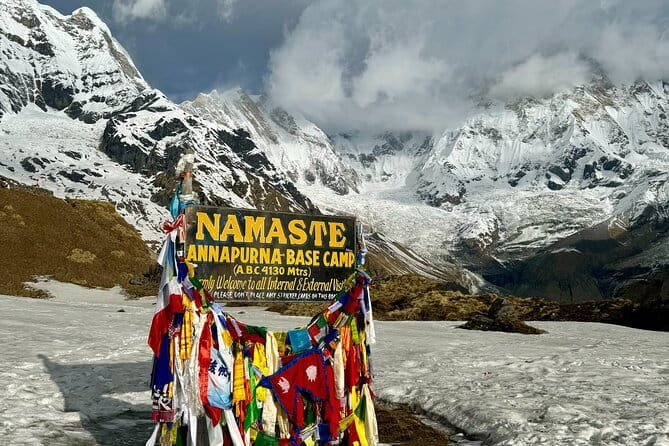
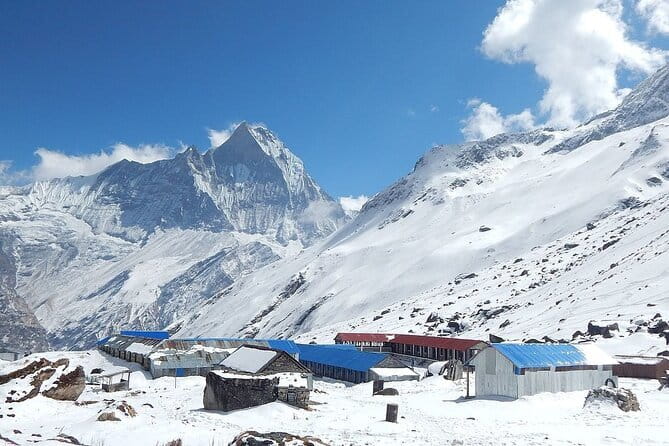
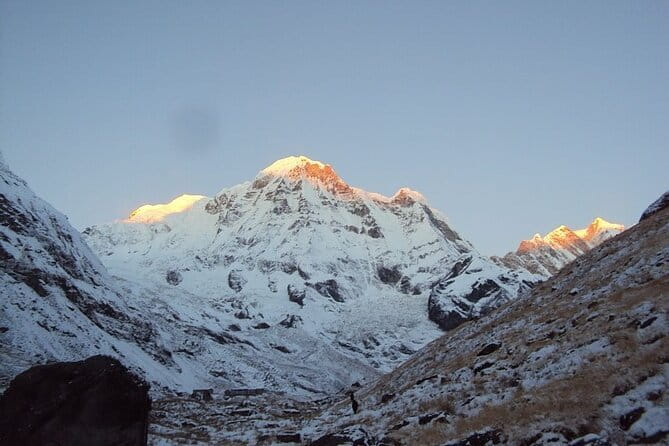
Annapurna Base Camp is famous for a reason: you walk through real villages and then climb into a mountain amphitheater where the views do not play around. The trail runs inside the Annapurna Conservation Area, so it’s not just about the summit day. You’ll move through a lived-in region with Gurung culture, especially around villages in the Ghorepani and Ghandruk-style valleys people talk about when they describe this area.
What makes this trek stand out is the mix of “human scale” and “Himalaya scale.” One day you’re on foot between farming settlements; the next you’re staring at huge peaks with breath that feels thinner. If you’ve ever worried that a trek will feel like a cold, repetitive slog, this route has enough variation to keep it interesting.
The other thing that stood out to me is that the plan is built around a steady climb and a sensible rhythm. You’re not jumping from near-sea-level to base camp without warning. The itinerary steps you up, gives you days with different hiking durations, and includes a rest day back in Kathmandu afterward.
You can also read our reviews of more tours and experiences in Kathmandu.
Getting oriented in Kathmandu (and why the rest day matters)
You start in Kathmandu at about 1,350m (Day 1). That matters because it gives you a buffer. Even if you’re not climbing immediately, you’re already in the altitude zone of Nepal’s capital.
You also get a rest day in Kathmandu (Day 13). That’s not just a free afternoon for shopping. After trekking at high altitude, it’s smart to have a day to recover, shower properly, and eat something more familiar before you fly home. If you’re the type who gets cranky when your sleep schedule breaks, this rest day can save your trip.
In the reviews, the guide team shows up again and again as a main reason people feel confident during the trek. One name you’ll keep seeing is Damu (Damodar), described as responsive during planning and organized in the field. If you’re the kind of traveler who likes to ask questions—about route choices, timing, or what to expect at higher elevations—you’ll probably appreciate that energy.
AC ride to Pokhara and the start at Nayapul
On Day 2 you travel from Kathmandu to Pokhara by air-conditioned vehicle—about 220 km and roughly 6 hours. This is a big deal for comfort. The trek later is all about boots, cold mornings, and slow breathing. Starting with a less-painful car ride means you arrive to Pokhara with energy.
Then on Day 3, you drive to Nayapul and begin trekking to Hille village (1,496m). It’s listed as about 4 hours. This is a good “warm start” day. It’s far enough that you feel like you’ve begun the trek, but not so extreme that you’re wiped out.
One practical point: you’ll want to treat your first hiking day as technique practice. Even if you’ve hiked before, walking at altitude changes how quickly you tire. Use the early days to find your pace and your rhythm. A guide like Damu can usually help you calibrate that without making it feel bossy.
Ghorepani and Poon Hill: your first real taste of big mountains
Day 4 takes you to Ghorepani (2,840m) and is listed at about 7 hours. That’s a longer day than you might expect when you look only at the trek length. It’s also a good “work day,” because Ghorepani sets you up for the most famous early morning viewpoint in the region.
Day 5 starts with a morning hike to Poon Hill, then you continue to Tadapani (2,520m) in about 5 hours. Poon Hill is the kind of place where you get the classic Himalayan panorama at sunrise or early light—flat-out scenic and often a morale booster before you settle into later climbs.
Here’s why I like this structure for first-timers: you earn your big view early, so later days feel less like “waiting for the reward.” Even when the trail gets tougher, you already have that emotional anchor in your memory.
Also, if weather turns grey, having that early start can help. The itinerary is set up so the most time-sensitive viewpoint happens before your day gets too far along.
Building acclimatization: Sinuwa, Deurali, and the long push
From Day 5 onward, the trekking days step you through several elevation zones:
- Day 6: Trek to Sinuwa (2,340m) for about 5 hours
- Day 7: Trek to Deurali (3,230m) for about 7 hours
This is where you can feel the pace change. Deurali at 3,230m is high enough that even a steady hike starts to demand focus. The good news is the itinerary isn’t trying to rush you from one extreme to another. You get a day that helps you keep walking without constantly maxing out your effort.
In the reviews, people consistently praise the guide for being attentive and organized. That’s exactly what you want in the acclimatization phase. If the weather is cold or your energy dips, the difference between a stressful trek and a manageable one is often in pacing, timing, and communication. Damu is repeatedly described as punctual, humorous, and focused on keeping the program on track.
One more helpful detail: the team structure includes a guide plus porters (for example, one review mentions Mr Bahta as a porter). Even if you personally plan to carry everything, having trained support tends to reduce small problems that can snowball—especially on days when you’re tired and just want smooth logistics.
Annapurna Base Camp day at 4,130m: what it actually feels like
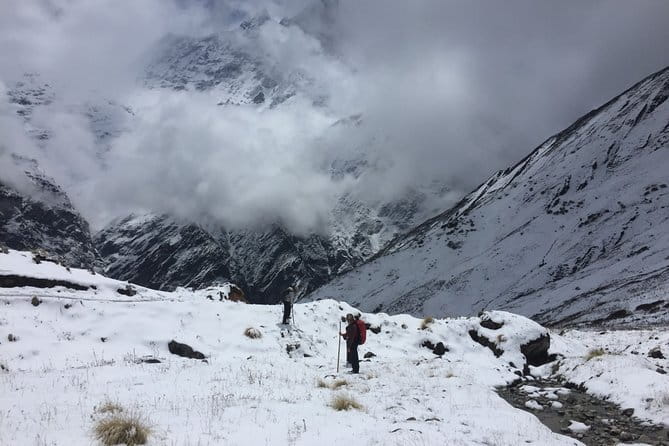
Day 8 is the big one: trekking to Annapurna Base Camp (4,130m), listed at about 4 hours. That may sound short compared to earlier days, and the number is what it is. But altitude changes everything. The air is thinner, your body works harder, and the “effort per meter” can feel intense even when the clock says you should finish quickly.
What I’d watch for on this day is expectation management. If you go in thinking base camp will feel like a walk in the park, you’ll be surprised. If you go in expecting a steady climb and a breath-by-breath effort, you’ll feel more in control.
Day 8 is also where good guiding pays off. When you’re high and cold, it matters that someone knows timing, route flow, and when to press forward versus when to let you recover your breath. That’s not about being strict; it’s about keeping the day enjoyable rather than frantic.
Then Day 9 drops you down to Bamboo (2,050m) in about 6 hours. This descent is important. It gives your body a break and helps make the overall trip feel less punishing.
Descent to Bamboo, Jhinu-Danda via Chomrong, and the long travel day home
Day 10 takes you to Jhinu-Danda (1,700m) via Chomrong, about 6 hours. Chomrong is one of the classic touchpoints on Annapurna routes, and it’s often where the trail feels like it becomes “real trekland”—steep sections, lots of stairs, and a strong sense of moving through the mountain walls rather than just walking between them.
By Day 10 you’re also starting to feel the trek’s shape. The route is no longer about building toward base camp. It’s about returning safely and enjoying the fact that you’re going lower.
Day 11 is a two-part day: trek to Nayapul, then drive to Pokhara (listed at about 8 hours). This is one of those long days you should plan for mentally. You’ve already been hiking; now you’re shifting back into travel time. If you know you get stiff after long seated rides, take a moment to move around and stretch before you settle for the drive.
Day 12 brings you back to Kathmandu (drive). You then get Day 13 rest, and Day 14 is final departure.
Price and logistics: where the value really is (and where it isn’t)
The price is $769.24 per person for an approximately 14-day trek. When I evaluate a trek price, I look at what’s covered, what’s not, and how “low-friction” the experience feels.
Here’s what’s included:
- Breakfast
- Air-conditioned vehicle for the transport legs that are listed
- All fees and taxes
Here’s what is not included:
- Lunch
- Dinner
- Snacks
- Bottled water
- Coffee/tea
- Alcohol
This matters more than people think. On a trek, it’s easy to spend money without noticing it: bottled water adds up, and hot drinks can become your coping tool when temperatures drop. Since the package includes breakfast but not the rest, you’ll want to budget for daily meals and hydration.
On the other hand, the “all fees and taxes” and the AC transfer legs are genuine value. You’re paying for less guesswork. The fact that it’s a private tour/activity (only your group participates) also pushes this toward better value if you’re traveling with friends or family and want to keep the trek experience focused.
You’ll also see that the tour uses a mobile ticket. That’s not about comfort on the trail, but it usually cuts down the hassle around paperwork.
Gear, pace, and weather: practical ways to stay comfortable
The itinerary includes steep, high, and cold segments. Even when a day’s trek time is “only” 4 hours, altitude can make it feel like a much bigger effort.
Based on the route profile you’ll face:
- Higher elevations early morning can be cold enough that you’ll want real layers.
- Expect slower hiking at 2,800m+ and especially near 3,200m and above.
- Plan for weather changes. One of the reviews highlights that unexpected bad weather can disrupt even more advanced plans, like when a helicopter got cancelled.
The other comfort factor is how your guide runs the day. In reviews, Damu is described as organized and responsive in planning, and the team is praised for taking care of needs. That kind of support is what helps you keep going when conditions turn.
Also, since lunch and dinner aren’t included, you should be ready to make choices on the go. If you’re prone to decision fatigue, tell your guide your preference early (for example, whether you want simpler options or you prefer to stick to warm drinks and easy meals). That’s one of those small things that keeps the trip from turning into a daily negotiation with yourself.
Who should book this Annapurna Base Camp trek
This trek is a good match if:
- You have moderate physical fitness and you’re willing to commit to daily walking.
- You want a route with both viewpoints (Poon Hill) and a high-elevation goal (Base Camp).
- You prefer a private-group experience over sharing with a mixed crowd.
- You’d like a guide who is known for organization and communication, including Damu and porter support like Bahta.
It might not be for you if:
- You dislike long hiking days (there are days around 7 hours on the itinerary).
- You don’t want to manage extra costs for meals, water, and warm drinks.
- You’re looking for a purely “guided hotel tour” feel; this is still a real trek.
Should you book this Annapurna Base Camp trek?
If your goal is a well-managed Annapurna Base Camp journey with a strong guide focus, I think it’s a solid choice. The best sign is consistency: multiple reviews credit Damu and the team for planning, punctuality, and making the experience feel meaningful even when surprises pop up. Add in the AC transfer legs and the fact that breakfast and fees are covered, and you’re paying for fewer headaches.
Book it if you can handle cold mornings, long days, and the extra meal/water budget. If you want a trek that’s run with structure and you like asking questions along the way, this one fits.
If you’re on the fence, choose based on your own priorities: do you want Annapurna Base Camp enough to accept the altitude work and the extra daily expenses for lunch and dinner? If yes, you’ll likely end the trip with the exact kind of milestone feeling this region is famous for.
FAQ
What is the duration of the Annapurna Base Camp Trek?
The tour duration is listed as 14 days (approx.).
Where does the trek start and end?
The start is Kathmandu 44600, Nepal, and the activity ends back at the meeting point.
How much does the trek cost?
The price is $769.24 per person.
What is included in the price?
Included items are breakfast, air-conditioned vehicle, and all fees and taxes.
What is not included?
Not included are lunch, dinner, snacks, bottled water, coffee and/or tea, and alcoholic beverages.
Is this tour private?
Yes. It’s listed as a private tour/activity, and only your group participates.
What fitness level do I need?
Travelers should have moderate physical fitness.
Are service animals allowed?
Yes, service animals are allowed.
Can I cancel for a full refund?
Yes. You can cancel up to 24 hours in advance for a full refund. If you cancel less than 24 hours before the start time, the amount paid will not be refunded.