REVIEW · SA PA
Sapa: Ta Phin Village Trek & Red Dao Herbal Bath
Book on GetYourGuide →Operated by ASu Sa Pa Trekking Tour · Bookable on GetYourGuide
A hot herbal bath ends a cool trek. This Sapa day trip pairs village walking with Red Dao herbal bathing, so you get both hands-on culture time and a real wind-down at the finish. I like that the day stays small and personal, and the guide work tends to be practical, in-your-face answers about daily life.
One thing I especially love is the mix of places: Suoi Ho, Ma Tra, and Ta Phin give you a changing view of local routines, not just one stop photo-op. You’ll see how people farm, make things, and carry traditions forward.
The main consideration: you’ll still cover about 12–14 km on an easy-to-moderate hike. If you’re dealing with mobility limits, it may feel like too much, and it’s not suitable for children under 6.
In This Review
- Quick hits worth knowing
- Why this Ta Phin trek plus herbal bath feels like more than a tour
- Start at Nhà Thờ Đá Sapa: what the day’s timing really means
- Suoi Ho Village: Black H’mong life you can actually picture
- Ma Tra: school visits and craft talk (short, but it lands)
- Lunch in Ta Phin: eating where the day’s happening
- Ta Phin Village and the Red Dao angle: embroidery and herbal medicine
- The Red Dao herbal bath: wooden tub warmth with medicinal herbs
- Pace, distance, and what to bring for comfort
- Transportation and group size: why max 10 matters in Sapa
- Price and value: about $26 for a full day with guide, lunch, and bath
- Who should book this trek (and who should skip it)
- Should you book the Sapa Ta Phin Village trek with Red Dao herbal bath?
- FAQ
- How long is the Sapa Ta Phin Village Trek & Red Dao Herbal Bath?
- How far do I walk during the trek?
- What’s included in the price?
- Is the tour suitable for kids?
- What is the Red Dao herbal bath like?
- What language will my guide speak?
- What should I bring for the hike?
Quick hits worth knowing
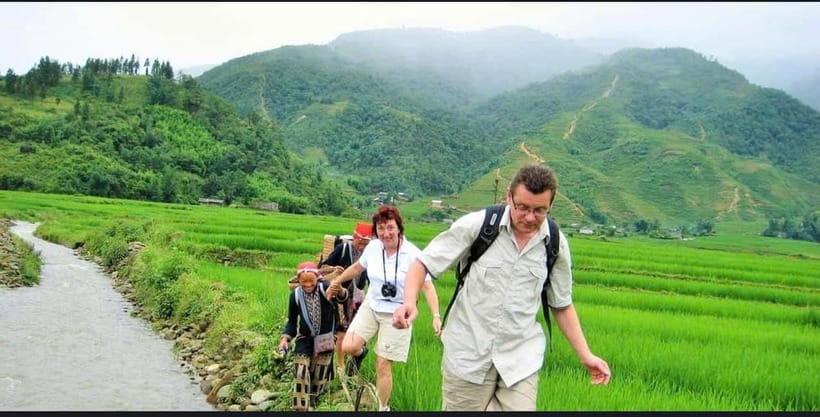
- Small group (max 10): easier to ask questions and keep the pace comfortable.
- Black H’mong villages (Suoi Ho): daily life through farming and animal husbandry, not just scenery.
- Ma Tra cultural stop: chances to visit a school or chat with locals about customs and crafts.
- Ta Phin Red Dao immersion: embroidery and herbal-medicine traditions are part of the day.
- Wooden-tub herbal bath: warm soak with aromatic medicinal herbs at the end.
- 12–14 km total: manageable for most people, but plan for real walking time.
Why this Ta Phin trek plus herbal bath feels like more than a tour
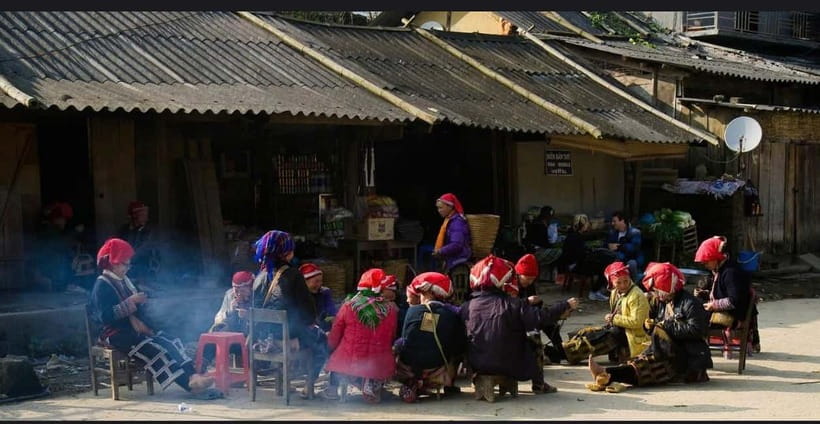
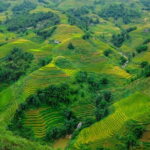
This is one of those Sapa experiences that makes the region feel human. You’re not only looking at mountain views. You’re moving through working villages where people grow food, teach kids, and pass knowledge hand to hand.
The big reason it works is that the day has two halves that balance each other. The morning is all walking and conversation. The afternoon shifts to rest, with the traditional Red Dao herbal bath in a wooden tub. By the time you soak, your legs are tired in the good way, and the timing feels right.
I also like the practical tone you get from good guides in this region. In past days, guides such as Su and Gao (names that have led this style of tour) are known for explaining what you’re seeing in clear English, including small details you’d miss if you were just guessing. That’s worth something, even if you’re not the type who asks lots of questions.
You can also read our reviews of more tours and experiences in Sa Pa.


Start at Nhà Thờ Đá Sapa: what the day’s timing really means
Your day typically begins around 9:00 at Nhà Thờ Đá Sapa (Sapa Main Church). That start time matters. You beat the late-morning crowd energy, and you get into the villages before the day feels too hot and rushed.
The tour is designed as a full day, but the hiking is not a grind. You’re looking at about 6 hours total from pickup to the return to Sapa, with enough time to stop, walk, eat, and soak.
Since the group is small, your guide can keep an eye on pace. If you’re newer to trekking, that helps. If you’re an experienced walker, you’ll still get time to linger, ask questions, and take photos without feeling dragged along.
Suoi Ho Village: Black H’mong life you can actually picture
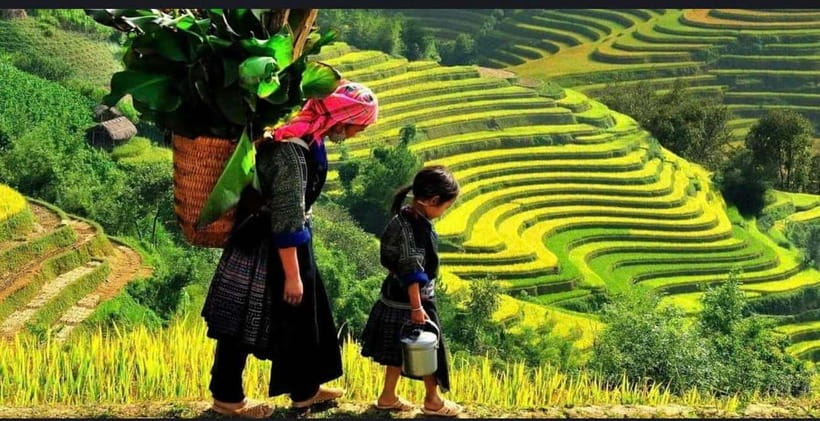
Suoi Ho is usually your first village stop. Expect a peaceful start, with the kind of calm you don’t get when routes are crammed with busloads.
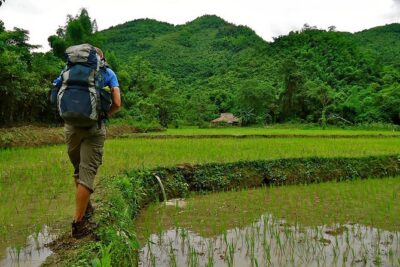
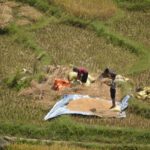
Here, you learn about Black H’mong daily life. The focus is practical: how people farm, how animal husbandry fits into village routines, and how the rhythms of the day shape everything else. Instead of being shown a curated performance, you’re basically being guided through how a community makes a living.
Why this stop is so valuable: it gives context. After Suoi Ho, the other villages make more sense because you already understand the baseline way people manage land, food, and household work. It turns the hike into a story, not a sequence of checkpoints.
A note for your planning: village paths can be uneven. You’re not doing technical climbing, but comfortable shoes are non-negotiable. Go with something you can walk all day in.
Ma Tra: school visits and craft talk (short, but it lands)
After Suoi Ho, you head toward Ma Tra. This is where the tour adds a different angle: education and local crafts.
Depending on the day, you might visit a local school or spend time chatting with villagers. The goal is to understand customs and crafts, not just take a few pictures and move on. These conversations can be surprisingly grounding, especially when you realize how much children learn at the center of village life.
What I’d watch for in this part: be ready for curiosity questions. A good guide will connect what you’re seeing to the larger picture of culture, including how people dress, work, and organize daily responsibilities.
The other practical benefit: Ma Tra breaks up the walking time. The hike doesn’t stay the same intensity the whole day, and these midpoints keep the pace human.
Lunch in Ta Phin: eating where the day’s happening
Lunch is either a picnic or a meal at a local homestay. That choice usually depends on how the day flows and where your group is at that moment.
Either way, you’re aiming for food that feels tied to the area. The day is built around village life, so the meal isn’t treated like an afterthought. Reviews of this style of tour also highlight that the lunch can come with a view and feels like a genuine pause rather than a rushed stop.
What to keep in mind: your meal time might not be “restaurant-fast.” Part of the charm here is that you’re eating in a real setting. If you’re the type who panics about timing, remind yourself that this is a slow-food pace day.
If you want the best experience, go in hungry and relaxed. Ask a question or two about what you’re eating. When your guide explains ingredients or traditions, that lunch becomes part of the cultural learning rather than just fuel.
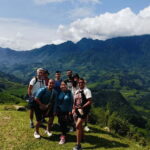


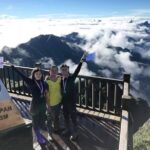
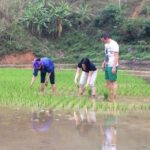
Ta Phin Village and the Red Dao angle: embroidery and herbal medicine
Ta Phin is where the Red Dao culture takes center stage. This is a big deal in terms of “why this tour exists.” The day isn’t only about walking. It’s also about understanding a particular community and what they preserve.
Here, you’ll see vibrant embroidery techniques and hear about herbal medicine traditions. Those topics matter because they connect art to survival. Embroidery isn’t just decoration; it’s part of identity. Herbal medicine isn’t just folklore; it’s knowledge people use in daily life and health routines.
When guides are doing this well, they help you notice details. You’ll start thinking like a visitor who pays attention: patterns, materials, how herbs are talked about, and how village life connects to those practices.
Practical note: as you get deeper into Ta Phin, you may find the paths and village spaces tighter than the early sections. Take it at a pace you’re comfortable with. Small group size helps here again, because the guide can steer you away from bottlenecks.
The Red Dao herbal bath: wooden tub warmth with medicinal herbs
The traditional Red Dao herbal bath is the finish that makes this tour memorable. It’s a soak in a wooden tub filled with aromatic medicinal herbs.
The belief behind it is straightforward: it can relieve muscle pain and improve circulation. I’d treat that as traditional practice, not a guarantee. But as an end-of-trek routine, it makes sense. After 12–14 km of walking, you want warmth, and the aromatic soak adds a calming reset for your senses.
What you can expect in the moment:
- You get the chance to rest while still feeling connected to the culture.
- The herbs bring a strong smell, so don’t be surprised if the scent sticks around in your memory more than your photos do.
- It’s likely to feel like a reward that’s timed for tired legs, not a random add-on.
If you’re sensitive to strong aromas, consider that before booking. And if you’re prone to feeling overheated, plan on slowing down the rest of the day after the bath. Your body will feel good, but it might also feel relaxed in a way that can affect balance for a short time.
Pace, distance, and what to bring for comfort
This trek is listed as easy to moderate, normal for most fitness levels, but still real walking. The total is about 12–14 km. That’s roughly a full day’s effort, especially if you’re not used to uneven ground.
To make it feel easy rather than just “possible,” pack like a walker:
- Comfortable shoes with grip
- Water
- Insect repellent
- Weather-appropriate clothing
- A small daypack
One more thing: Sapa weather can change fast. Even if the hike feels mild, dress in layers so you can adjust while you’re climbing and then cooling off in shaded village areas.
Also, if you’re tempted to wear new shoes, don’t. You’ll regret it on a day like this.
Transportation and group size: why max 10 matters in Sapa
You’ll have transportation back to Sapa at the end, and that’s important. It means the hike doesn’t turn into an all-day logistical puzzle.
The small-group cap of 10 participants is also a quality marker. In a place like Sapa, crowding can turn a cultural visit into a rushed routine. Here, smaller numbers usually mean:
- More time for questions
- Fewer bottlenecks at village stops
- Easier pace control from your guide
If you like your tours to feel calm instead of chaotic, this format usually fits well.
Price and value: about $26 for a full day with guide, lunch, and bath
At around $26 per person for about 6 hours, the value comes from what’s included. You’re not only paying for a walking route.
Included highlights:
- Local guide
- Picnic lunch or meal at a local homestay
- Traditional Red Dao herbal bath
- Transportation back to Sapa
That combination is the real bargain. A guide is what turns villages from “places you pass” into “places that mean something.” The lunch is part of that, and the herbal bath is the rare finish you can’t replicate on your own without coordination.
If you were to price those things separately, the total cost would usually climb quickly. So in value terms, this trip earns its price by bundling culture, food, and that unique bath into one day.
The tradeoff is that the day is guided and structured. If you want total freedom to roam at your own pace, a guided trek may feel a little scheduled.
Who should book this trek (and who should skip it)
This tour is a strong choice if you want:
- A cultural day outside the main Sapa center
- A walk that most people can handle
- A finish that feels purposeful, not just a bus ride back
It also suits you if you’re happy asking questions. The guides who lead this format, including names like Su and Gao, are praised for explaining village culture clearly and answering questions about food, family life, and local knowledge.
You should skip or rethink it if:
- You need mobility-friendly routes (it’s not suitable for people with mobility impairments)
- You’re traveling with young kids (not suitable for children under 6)
If you’re traveling as a couple or a small group, the small-group format can make it feel relaxed. Solo travelers also tend to like this kind of day because the guide’s explanations keep you from drifting into “just walking” mode.
Should you book the Sapa Ta Phin Village trek with Red Dao herbal bath?
Yes, if your ideal Sapa day includes real conversation, village stops, and a warm, traditional finish. This works best when you want more meaning than photos.
I’d particularly recommend it if you value:
- Small-group guiding
- Clear English or Vietnamese explanations
- A schedule that includes food and rest, not only walking
Book it only if you’re comfortable with the walking distance and you’re okay with an easy-moderate trek that covers about 12–14 km. If you’re looking for a mostly flat, short stroll, this isn’t that day.
If you want one day in Sapa that feels like you left the main road and returned with stories, this is a solid bet.
FAQ
How long is the Sapa Ta Phin Village Trek & Red Dao Herbal Bath?
The tour lasts a full day and typically runs for about 6 hours, with pickup around 9:00 and return to Sapa by about 3:30.
How far do I walk during the trek?
You’ll trek roughly 12–14 km total. The difficulty is listed as easy to moderate.
What’s included in the price?
The tour includes a local guide, transportation back to Sapa, a picnic lunch or a meal at a local homestay, and the traditional Red Dao herbal bath.
Is the tour suitable for kids?
No. It’s not suitable for children under 6 years old.
What is the Red Dao herbal bath like?
You relax in a wooden tub filled with aromatic medicinal herbs. It’s believed to help relieve muscle pain and improve circulation.
What language will my guide speak?
The live tour guide speaks English and Vietnamese.
What should I bring for the hike?
Bring comfortable shoes, water, insect repellent, weather-appropriate clothing, and a daypack.