REVIEW · KATHMANDU
Annapurna Base Camp Trek
Book on Viator →Operated by Touch The Himalaya Treks & Expedition · Bookable on Viator
Annapurna Base Camp is easier to enjoy with good support. I love the local Annapurna guidance you get from Touch The Himalaya Treks & Expedition, and I love how responsive the team is—Mr. Madan Neupane is named as always available in solo bookings. The one thing to plan for: your price includes a lot, but it does not include tips or the extra meals you may buy in tea houses.
What makes this route compelling is that it mixes classic scenery with real rhythm. You start from Kathmandu, settle into Pokhara, trek through Ulleri and Ghorepani, catch sunrise from Poon Hill, and then keep climbing to Annapurna Base Camp. On the way back, you get a chance to unwind at Jhinu’s hot springs before returning to Pokhara and then Kathmandu.
If you’re choosing this for comfort and speed, temper expectations. This is a moderate-to-challenging trek, and the itinerary assumes you can handle long walking days and altitude acclimatization.
In This Review
- Key highlights worth your attention
- Starting in Thamel at 6:15 am, then dropping into trek mode
- Kathmandu to Pokhara: a long but scenic reset day
- Pokhara to Ulleri via Nayapul: village trekking with the Modi Khola route
- Ulleri to Ghorepani: forests, ascents, and the Annapurna payoff
- Poon Hill sunrise and Tadapani: the classic morning sprint, then calmer hiking
- Tadapani to Sinuwa: descent through forests and small villages
- Sinuwa to Deurali: the step-up day where air feels thinner
- Deurali to Annapurna Base Camp (via Machapuchare Base Camp): the big finish
- ABC to Sinuwa and then Jhinu hot springs: reward, but keep it real
- Pokhara to Kathmandu: choose the drive or the flight
- Price and value: what $700 really covers (and what it doesn’t)
- Safety, comfort, and the human factor (Madan, Rishi, Roshan, and porters)
- What your daily trekking life will feel like
- Packing tips that match this exact itinerary
- Who should choose this Annapurna Base Camp trek?
- Should you book Touch The Himalaya for ABC?
- FAQ
- Where is the Annapurna Base Camp trek based?
- When does the trek start?
- How long is the trek?
- How much does the tour cost?
- Does the package include airport pickup and drop?
- What meals are included during the trek?
- What kind of guide support is included?
- Is this a private trek?
- What fitness level do I need?
- How much time do I need to cancel for a full refund?
Key highlights worth your attention
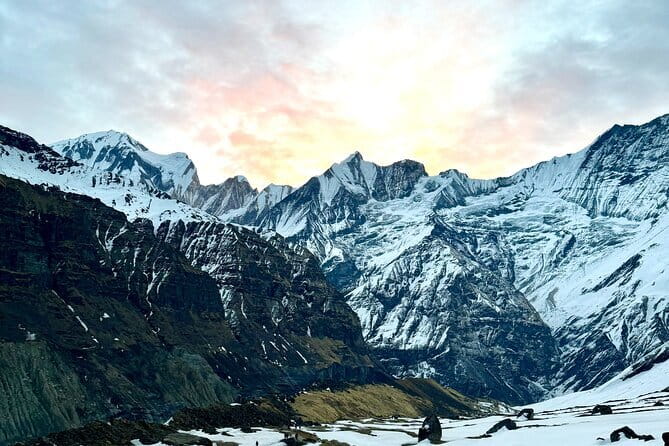
- Poon Hill sunrise: early hike for Annapurna and Dhaulagiri views, then you’re back down for breakfast.
- Local guides with first-aid training: English, Hindi, and Chinese government-licensed support is part of the package.
- Camp-to-camp logistics: in past trips, porters (including Arjun and Ganesh) helped with transferring baggage between camps.
- An organized “get there, then trek” plan: Kathmandu pickup/drop and two nights accommodation before and after the trek.
- Dhufel bag support: you get a duffel bag in the process, and it’s returned after completion.
- A private experience: it’s listed as private, so you’re not sharing with random strangers.
Starting in Thamel at 6:15 am, then dropping into trek mode
Your day begins in Kathmandu at the Thamel meeting point at 6:15 am. That early start matters in Nepal trekking because it helps you beat the slow chaos of mornings and get your transfer underway. From there, you’ll be doing the classic Kathmandu-to-Pokhara move first, then you switch fully into trekking days.
Touch The Himalaya also builds in airport pickup and drop, plus two nights of accommodation in Kathmandu before and after the trek. If you’ve ever landed in a new country and immediately faced paperwork, gear chaos, or late transfers, you’ll appreciate having that handled.
A small but useful detail: the package mentions a mobile ticket and confirmation at booking time. It won’t replace patience, but it tends to make your check-in smoother and your first days less stressful.
You can also read our reviews of more tours and experiences in Kathmandu.
Kathmandu to Pokhara: a long but scenic reset day
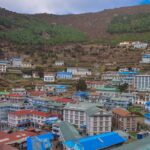
Day 1 is travel to Pokhara (about 200 km west of Kathmandu). The itinerary allows a tourist bus, car, or flight, with the drive taking roughly 7 hours. You follow the Trishuli River side for part of the route, which is a nice change of pace after Kathmandu’s busy energy.
Why this day is valuable: Pokhara is where most ABC treks “turn real.” It’s easier to adjust to the walking schedule and get your head into the mountains. Also, having a full night in Pokhara before the trek gives you time to sort your kit and snacks without feeling rushed.
Potential drawback: a 7-hour ride is still a 7-hour ride. If your back is sensitive, plan to bring something for comfort, and keep your expectations light for the evening.
Pokhara to Ulleri via Nayapul: village trekking with the Modi Khola route
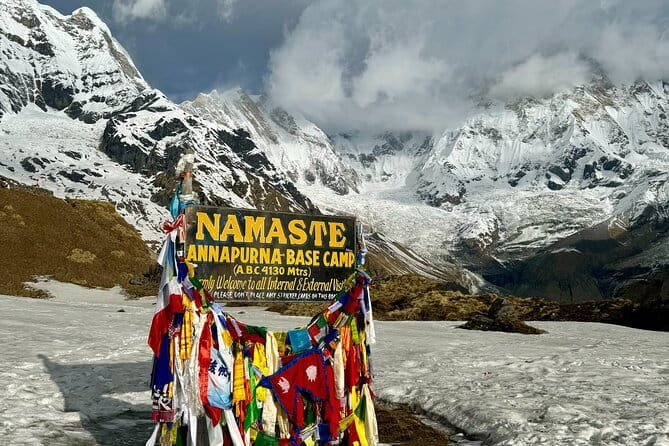
On Day 2, you drive to Nayapul (around an hour), then begin trekking to Ulleri. The trail follows the Modi Khola River, passing charming villages where you can experience local culture along the way.
This is one of the best days to get your footing and learn your walking pace. Early trekking days are also where you discover what your body actually tolerates—your stride length, your pack weight, and how often you need breaks.
Time on the trail is listed as about 5 hours. That’s not “easy,” but it’s a smart start. You’re building momentum without exhausting yourself before the bigger uphill work begins.
Ulleri to Ghorepani: forests, ascents, and the Annapurna payoff
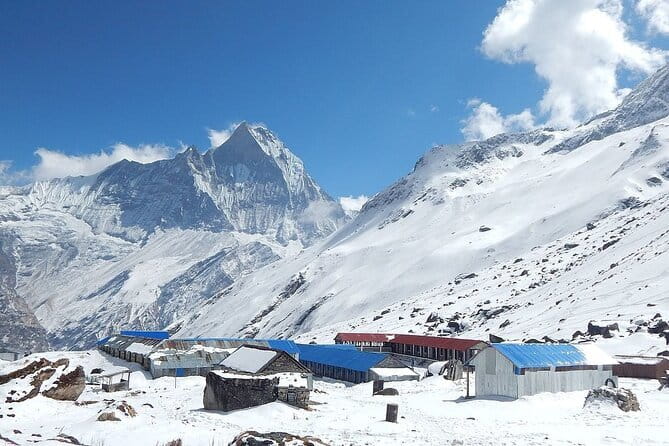
Day 3 takes you from Ulleri to Ghorepani in roughly 6–7 hours. The route goes through lush forest and scenic terrain, and as you ascend, you start getting Annapurna range views.
Ghorepani is often a key staging point because it sets you up for Poon Hill. It’s also a place where you’ll likely notice the air getting cooler as elevation rises. That’s normal. Just don’t assume you’ll “feel fine” at a higher altitude if you’re cold and out of breath—adjust your pace, sip water, and keep moving steadily.
If you’re prone to rushing early, Day 3 is where you should practice restraint. It’s better to arrive slightly slower than to burn energy you’ll need later.
Poon Hill sunrise and Tadapani: the classic morning sprint, then calmer hiking
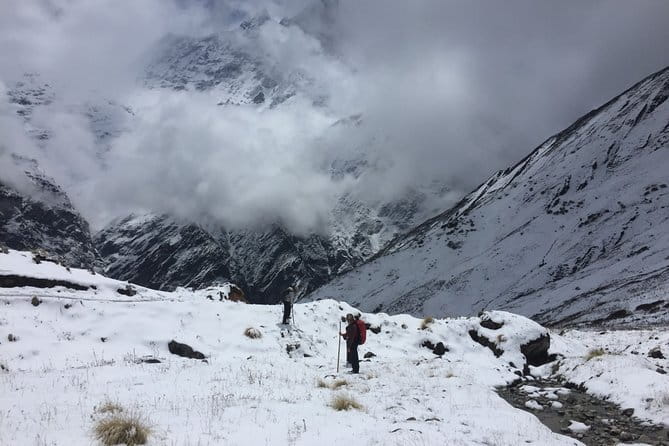
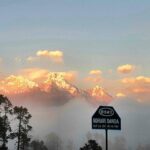
Day 4 starts with an early hike from Ghorepani to Poon Hill to watch sunrise over Annapurna and Dhaulagiri. After enjoying the views, you return to Ghorepani for breakfast, then continue trekking toward Tadapani.
This day is a two-part experience: sunrise effort first, then a more relaxed rhythm. Sunrise mornings in the Himalaya can feel bitter cold, even when the day later warms up. Pack for early chill and bring layers you can actually manage while walking.
The itinerary lists about 4 hours for the day’s trekking. That can be a relief after longer days. Tadapani is where the trek begins to feel more focused on mountain terrain and fewer “village-only” moments.
Tadapani to Sinuwa: descent through forests and small villages
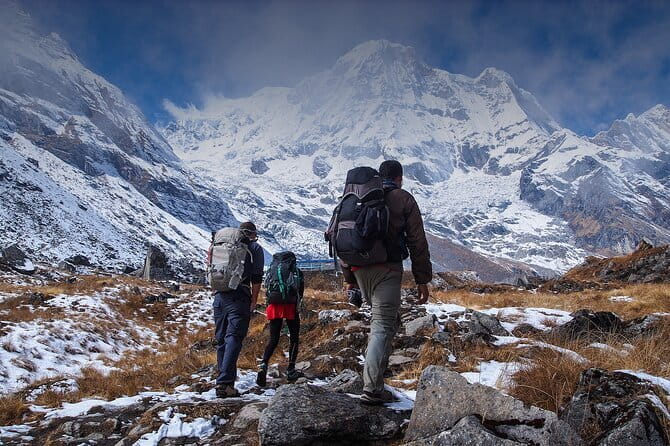
Day 5 covers Tadapani to Sinuwa, around 6–7 hours. The route descends through lush forest and crosses several small villages. You’ll continue seeing Annapurna views through the trees when conditions are clear.
Why this part of the itinerary helps: Sinuwa is a realistic place to settle in because you’re not always climbing at full speed. You’re still trekking hard, but you get a chance to manage fatigue in a slightly different way.
Practical note: descents can be tough on knees and shins. Trekking poles can help if you use them, and it’s smart to watch your step even when the path looks obvious.
Sinuwa to Deurali: the step-up day where air feels thinner
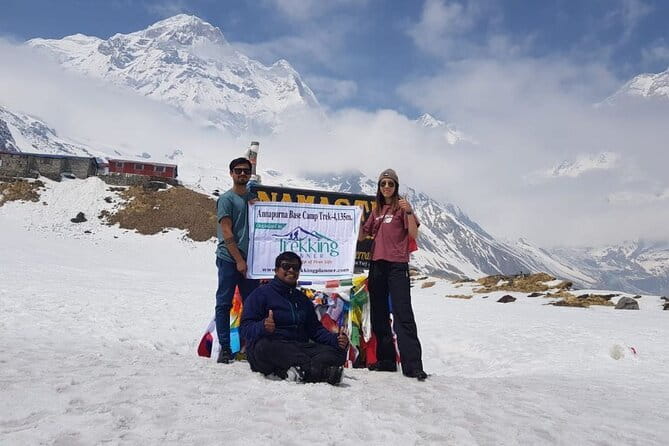
Day 6 goes from Sinuwa to Deurali in about 5–6 hours. The trail ascends steadily through forests and includes a crossing of the Khumbu Glacier as you approach Deurali. The landscape becomes more rugged as elevation increases.
That glacier mention is a reminder that ABC isn’t just a gentle stroll with views. You’re moving into the part of the trek where conditions can feel more exposed. If you’re the sort of person who only thinks about cardio, this is where you’ll also need to respect breathing and pacing.
The itinerary’s emphasis on acclimatization and high-altitude management in the tour overview matters here. A good guide will slow you down, encourage proper acclimatization, and keep you from turning Day 6 into a “race.”
Deurali to Annapurna Base Camp (via Machapuchare Base Camp): the big finish
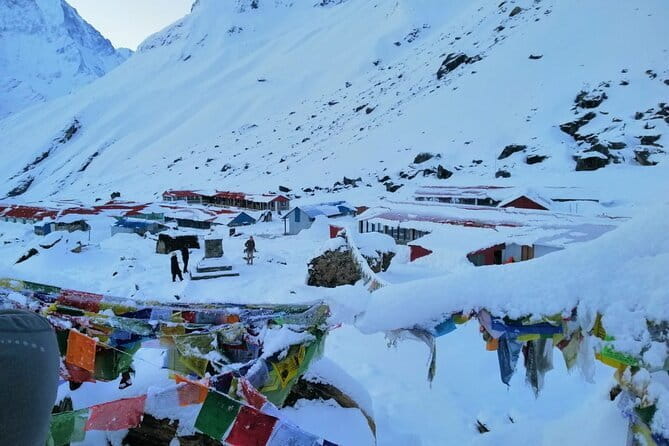
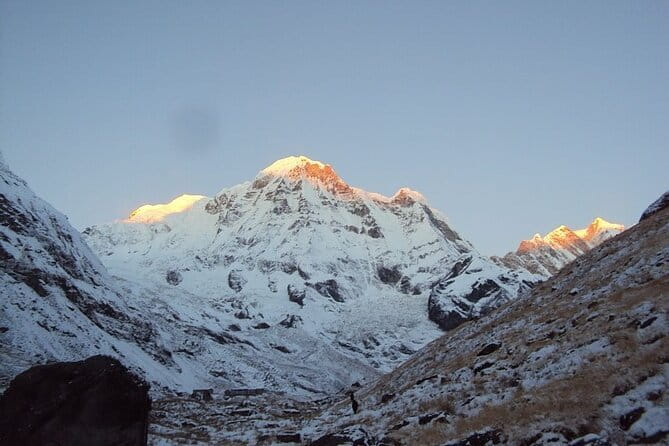
Day 7 is the main event: trekking from Deurali to Annapurna Base Camp, taking about 6–7 hours. The route passes Machapuchare Base Camp along the way.
This is where you’ll feel the altitude most. Even if you’re fit, the air can slow you down. The best approach is simple: don’t over-plan, don’t sprint, and focus on steady steps. The tour’s local guides and safety-first mindset are exactly what you want here.
What makes this day special is the combination of “build up” and “arrival.” Machapuchare Base Camp is part of the lead-up, so your final push to ABC doesn’t feel like one sudden vertical cliff—it feels like a sequence.
If your body is cranky or you’re starting to get headachey, take it seriously. The tour includes first-aid trained guidance, and you should use your guide’s expertise rather than trying to prove something to yourself.
ABC to Sinuwa and then Jhinu hot springs: reward, but keep it real
Day 8 is a descent from Annapurna Base Camp back to Sinuwa, listed at about 6–7 hours. This is often when people feel emotional because the hardest altitude work is behind them. You’re walking familiar terrain again, which can feel like a relief.
But don’t treat the descent like a victory lap. Long downhill stretches can still be rough, and tired legs can make you sloppy. Your guide’s pacing advice still matters.
Day 9 changes the mood. You trek from Sinuwa to Jhinu in about 5–6 hours, and after reaching Jhinu you can relax in nearby natural hot springs. In the afternoon, you drive back to Pokhara (about 1–2 hours).
This is one of the best “mental resets” built into the itinerary. You’ve done big days for nearly a week, and hot springs are a nice way to let your body unclench.
Pokhara to Kathmandu: choose the drive or the flight
On Day 10, you return to Kathmandu. You can take a scenic drive (around 7–8 hours) or a short flight. Then you get free time for shopping or exploring before your departure.
Why the choice is smart: after a trek, some people want the comfort of sitting, while others prefer the slow travel and scenery. If you’re tired, flight is usually the less painful option.
Either way, you’ll likely feel more “back to normal” in Kathmandu. It’s a good chance to refuel, eat something you’ve missed, and sleep in a real bed after tea-house routines.
Price and value: what $700 really covers (and what it doesn’t)
At $700 for an approximately 10-day plan, the pricing looks competitive on paper because it includes several things that normally cost extra:
- Airport pickup and drop, plus two nights accommodation in Kathmandu before and after.
- Breakfast, lunch, and dinner during the trek.
- All necessary trekking permit and fees.
- A licensed guide (English, Hindi, Chinese) with first-aid training.
- Guide and porter costs: salary, insurance, equipment, transport, food, and accommodation.
- Duffel bag support and complementary trekking maps.
- A basic first-aid kit carried by the guide.
This is where value shows up. A big part of trek cost is logistics—permits, trained staff, and food on the trail. Getting those included means you can focus on trekking rather than assembling a puzzle.
What costs you need to plan for:
- Tips for guide and porter are not included.
- Meals during the trek may involve additional tea-house purchases, since you can buy meals there.
- You’ll still need your own personal gear, snacks, water bottles, sunglasses, and chargers.
My advice for spending control: budget for small daily treats like tea-house snacks and hot drinks, and bring a stash of energy foods. The tour info even recommends light snacks and chocolate for long days.
Safety, comfort, and the human factor (Madan, Rishi, Roshan, and porters)
The tour overview makes a big point about safety and acclimatization, and the guide names in past experiences back that up. Mr. Madan Neupane is specifically mentioned as always available for questions, including in a solo-woman booking where the trekkers said it helped them feel safe.
Guide support is a real difference on ABC. One solo booking credited guide Rishi for taking good care, and another completed trek credited Roshan Pandey as key to finishing in 10 days. In the group setting, porters Arjun and Ganesh are named for assisting with transferring baggage from camp to camp.
This matters because ABC success is rarely about one single “wow” moment. It’s about consistency: whether your guide notices you lagging, whether your pace matches altitude needs, and whether your gear moves smoothly so you aren’t fiddling all day.
Even with permits and meals included, you still want a team that communicates clearly. The pattern in the named guide support is that people felt looked after—exactly what you want when the mountain starts calling the shots.
What your daily trekking life will feel like
You can expect a steady pattern: walk 5–7 hours on most trekking days, then reach a village lodge/tea-house for meals and sleep. The included plan gives you breakfast, lunch, and dinner during the trek, which reduces decision fatigue. You’ll still have the option to buy extra items in tea houses, so you don’t feel locked into one menu.
Most days center on ascent and descent with short village stops along the way. The itinerary includes Ulleri, Ghorepani, Tadapani, Sinuwa, Deurali, and ABC itself, plus Jhinu hot springs at the end. That’s a lot of variety, which helps you stay engaged even when your legs feel like they’re speaking a different language.
Packing tips that match this exact itinerary
The tour info is pretty practical, and I agree with it:
- Carry water bottles and a charger (you’ll want power for photos and keeping devices alive).
- Bring sunglasses and sun protection. Higher altitude glare is real.
- Bring lite snacks and chocolate for energy on long days.
- Use the included duffel bag process where it makes sense for you, then keep essentials in your day pack.
One more practical move: dress in layers. Sunrise mornings at Poon Hill can be colder than you expect, and later days can warm up while you keep climbing.
Who should choose this Annapurna Base Camp trek?
This trek fits best if you want:
- A structured route with permits and most food handled.
- Local guide support and first-aid training.
- A classic ABC itinerary that includes Poon Hill and ends at Jhinu hot springs.
- A private setup, so you’re not squeezed into a mixed group.
It may not fit if you want a lightweight, ultra-flexible itinerary with no guidance. This plan is organized, which is good, but it’s still a trekking schedule with long days.
It’s also best for people with moderate physical fitness, since the itinerary assumes you can walk for hours and handle acclimatization.
Should you book Touch The Himalaya for ABC?
I’d book this ABC trek if you value organized logistics and a guide who’s present and responsive. The named support—Mr. Madan Neupane being available, plus guides like Rishi and Roshan Pandey—hits the key thing you need on ABC: confidence that someone is watching your safety and pacing.
I’d think twice if you’re counting pennies and want zero extra spending beyond $700. Tips and optional tea-house food can add up, and the trek still requires energy snacks, sun protection, and basic personal gear.
If you want a classic Annapurna Base Camp route done with local staff, permits handled, and sunrise plus hot springs included, this is a strong match.
FAQ
Where is the Annapurna Base Camp trek based?
It starts in Kathmandu, Nepal, with the meeting point in Thamel (44600). The activity ends back at the same meeting point.
When does the trek start?
The start time is listed as 6:15 am.
How long is the trek?
The duration is approximately 10 days.
How much does the tour cost?
The price is listed as $700.
Does the package include airport pickup and drop?
Yes. It includes airport pickup and drop, along with two nights accommodation in Kathmandu before and after the trek.
What meals are included during the trek?
Breakfast, lunch, and dinner during the trek are included. You can also buy meals in the tea houses during the trek.
What kind of guide support is included?
The tour includes an English, Hindi, and Chinese government-licensed guide who is first aid trained.
Is this a private trek?
Yes. It’s listed as a private tour/activity, and only your group will participate.
What fitness level do I need?
You should have moderate physical fitness.
How much time do I need to cancel for a full refund?
You can cancel up to 3 days in advance for a full refund. If you cancel less than 3 full days before the experience start time, it won’t be refunded.