REVIEW · KATHMANDU
Annapurna Base Camp Short trek
Book on Viator →Operated by Himalayan Partner Treks and Expedition · Bookable on Viator
Stairs lead to one of Nepal’s best sunrises. This short Annapurna Base Camp trek is built around sunrise at 4,130m and a route that takes you through real village life and varied forest scenery on the way to the Annapurna foothills. What I also like is the human setup: you travel with a professional guide and porters who stay close and keep the day-by-day plan moving, with support that people consistently describe as attentive and reassuring. One note to consider: it is a serious trekking itinerary with long walk days and lots of stairs, plus a long drive into Pokhara on the front end.
In This Review
- Annapurna Base Camp Short Trek: The best bits and the one tradeoff
- Key highlights before you go
- The route makes this trek feel like more than a hike
- Getting from Kathmandu to Pokhara: the ride day that sets the tone
- Day 2 into Ghandruk: views from the start, then a real climb
- Forest stairs and river bridges: the long day to Deurali
- Machhapuchhre Base Camp to Annapurna Base Camp: the payoff hike
- Sunrise at ABC: the moment you’ll remember for years
- The return isn’t just downhill: Chhomrong, stairs, then Jhinu Danda hot springs
- Back to Pokhara and into real life: farmland walking and Modi Khola drive
- Driving back to Kathmandu and a Thamel night
- Why the price can feel fair (and where you still need to budget)
- The guide and porter team: the biggest trust factor
- Who should book this short Annapurna Base Camp trek
- Should you book this Annapurna Base Camp short trek?
- FAQ
- How high do we reach on this Annapurna Base Camp short trek?
- Where does the trip start?
- What permits are included?
- What meals are included during the trek?
- Are Pokhara hotels included?
- Is this a private tour?
- Is medical insurance included in the price?
- What’s the cancellation window?
Annapurna Base Camp Short Trek: The best bits and the one tradeoff
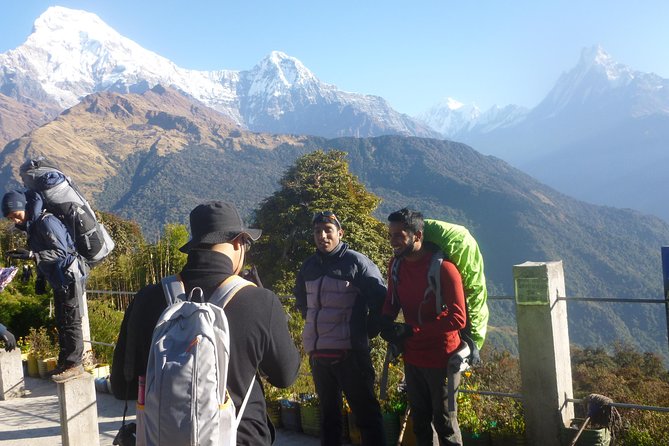
If you care about the classic wow-moment, the sunrise at Annapurna Base Camp is the big reason to pick this trek. You reach the base area on the Annapurna massif, then wake up early to see the light reflect on the Annapurna range before heading back down. The other big win is the team quality: reviews name guides like Jog Bahadur Gurung and Ganesh, and porters such as Osman and Hori, with praise for being present, helpful, and good at answering questions while you’re on the move.
The tradeoff is logistics and effort. Even though it’s called a short trek, you still get several long hiking days (often 6–8 hours) and downhill stretches packed with stone steps and suspension bridges. You’ll also have one Pokhara day where meals aren’t included, and that’s something to plan for.
Key highlights before you go
- Sunrise morning at Annapurna Base Camp with an early, quiet start and a strong payoff
- A guided, full-board trek experience with meals and lodge/hotel overnights on the trail
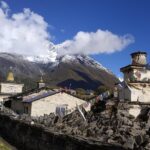
- Culture stops in villages like Ghandruk and Chhomrong along the Annapurna foothills
- Forest-to-grassland hiking through rhododendron, oak, bamboo, and open meadow areas
- Machhapuchhre Base Camp timing that lets you see the fishtail from close-up before the final push
- Jhinudanda hot springs as your reward after the steep stair route on the way out
You can also read our reviews of more tours and experiences in Kathmandu.
The route makes this trek feel like more than a hike
Annapurna Base Camp is one of those Nepal treks that feels like a tradition, not a checklist. The trail runs through the Annapurna Conservation area, and that matters because it shapes the hike: you get a mix of big mountain views, forest shade, river valleys, and villages that still live at human scale.
This short version keeps you moving through dramatic altitude changes without turning into a multi-week expedition. You climb up toward the Annapurna massif foothills, reach base camp at 4,130m, and then work the return with a downhill-heavy itinerary. That means you still work hard, but you’re not stuck in a long, slow grind for weeks.
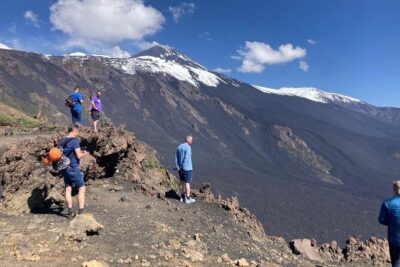
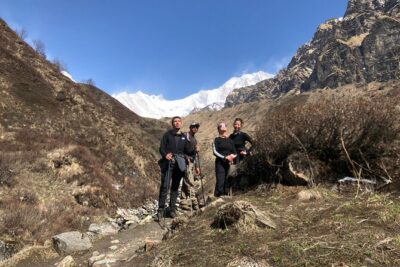
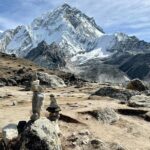
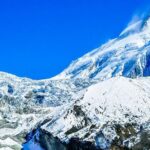
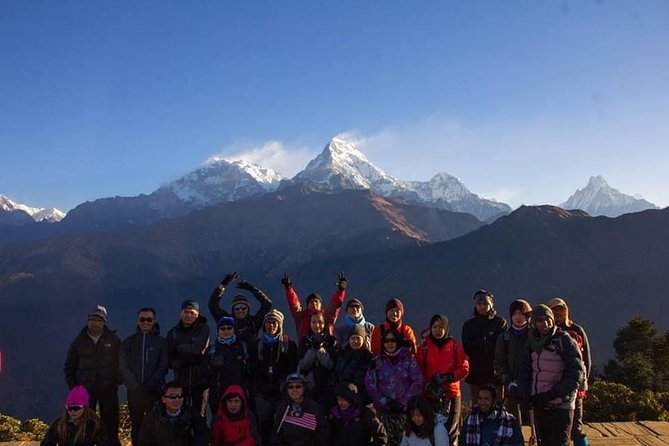
And the views are the kind that make you stop without thinking. From camp and multiple points on the trek, you’ll see peaks tied to the Annapurna massif area, including the Annapurna range, Machhapuchhre (6,993m), and Dhaulagiri (8,167m). You also get the “wide view” feeling from grassland and open areas, when the mountains look highlighted in the distance and the whole valley looks stitched together by rivers.
Getting from Kathmandu to Pokhara: the ride day that sets the tone
Your trip begins at Tribhuvan Airport in Kathmandu. From there, you drive to Pokhara via the Prithvi highway. The drive is long, but it’s not silent boredom. The route passes terraced farmland, multiple cities, and the Trishuli river, so you’re looking out the window from start to finish.
When you arrive in Pokhara, you keep going right away: you set your luggage at your hotel and get time to enjoy the lakes city. Boating and cycling are mentioned as options. One practical detail: there are no meals included on this Pokhara arrival day, so don’t rely on the trek package for food right away. Budget for a simple early dinner and an easy breakfast next morning.
Pokhara also gives you something you’ll appreciate later: a chance to organize yourself before the mountains. If you need to buy blister care, warm layers, or a small supply top-up, this is usually your best moment to do it without rushing.
Day 2 into Ghandruk: views from the start, then a real climb
After settling in Pokhara (you have two nights with breakfast), the next big move is driving toward the trekking trailhead at Gurung village of Ghandruk. The drive is longer than it sounds on paper, and the payoff is that you start hiking with the Annapurna range already in view.
Ghandruk is described as having a strong sightline to the Annapurna range and Machhapuchhre. If you’re visiting around cherry blossom season, the area is also known for that extra splash of color. Then you descend through forest toward the Kimrong river, switch into a climb, and reach Kimrong village.
What matters for you here is pacing and transitions. You’re not jumping from zero to 2,000m of altitude change in one leap; you’re doing it in stages: drive, then walk, then more walking. The day includes breakfast/lunch/dinner (on-trail meals are included) and an overnight stay in hotel/lodge along the route.
This is also a good day to mentally commit to trekking rhythm: slow steps, steady breathing, and frequent short stops. Even on a short trek, that’s the difference between feeling okay at the end of the day and feeling annoyed.
Forest stairs and river bridges: the long day to Deurali
From Kimrong, the hike continues toward Chhomrong (2,310m), with a mix of descent, a suspension bridge, and a long uphill effort that brings you into bamboo and hillside hiking.
A key detail: you’ll cross the valley via a suspension bridge after a long descent through stone stair steps. Then comes the classic Annapurna switchback style: more climbing, more steps, and an extended trek through forest and bamboo country.
The day ends around Sinuwa and Deurali, depending on the route segment timing, with a 6-hour walk described for that leg. You’ll have breakfast/lunch/dinner and lodging included on the trail.
Why this day is worth your attention: the trail changes character often. Bamboo forests give you a different feel underfoot than oak/rhododendron pockets. Open areas let you look up and plan your next section, while the river-side walking gives your legs a little psychological relief because you’re not staring at constant stair ascent.
If you’re prone to getting cold on descents, this is a day to watch your layers. Shade comes and goes, and the bamboo segments can feel cooler than the open meadow stretches.
Machhapuchhre Base Camp to Annapurna Base Camp: the payoff hike
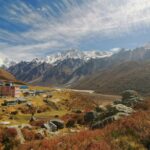
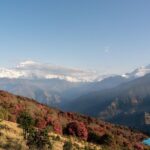
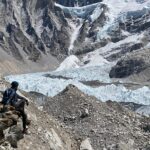
This is one of the trek’s most important days. You start early and work through rocky trails and then into wide grassy land that stretches out in a way that makes the Annapurna massif feel very close. The mountains look shiny and highlighted from a distance, and the hike is described as peaceful until you’re walking alongside the river.
Then you hit the big stair segment: a long staircase leads to Machhapuchhre Base Camp. This is where you get to see the fishtail mountain (Machhapuchhre, 6,993m) in a way that feels more immediate than the “from far away” view.
After resting at Machhapuchhre Base Camp, you continue slowly toward Annapurna Base Camp, with 8 hours of walking for this section.
Two things to keep in mind:
- You’re not just walking for distance; you’re walking for positioning. The way the trail approaches base camp makes the final approach feel like it changes gear.
- Pack smart for the last day. You’ll be high, often cooler, and you’ll want to move comfortably without wasting energy on extra bulk.
When you arrive at base camp area, this is when the whole trek’s theme—mountain scale, forest-to-grassland contrast, and village-to-valley walking—locks into place.
Sunrise at ABC: the moment you’ll remember for years
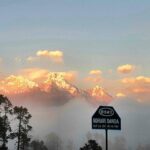
Early morning is built around the view. You wake up for the sunrise reflecting on the Annapurna ranges, then eat breakfast before you start the descent.
From Annapurna Base Camp, you walk back the way you came, with 7 hours of walking described, reaching Sinuwa by dawn on the return leg. This is downhill-heavy, which sounds like relief, but remember: downhill can still be hard when it’s long, step-heavy, and icy-wet in colder conditions.
This is where the guide team really matters. Reviews for this operator highlight that guides such as Jog Bahadur Gurung and Ganesh are attentive and helpful, and porters like Osman and Hori are praised for being there with support. On a sunrise day, that kind of coordination helps because you’re managing early hours, cold air, and the moment when everyone wants to take photos without slowing the group too much.
Practical tip: if you’re bringing a camera, decide where you’ll stand and what you’ll shoot before sunrise. Once the light starts, you’ll lose time fiddling.
The return isn’t just downhill: Chhomrong, stairs, then Jhinu Danda hot springs
On the next day, you start at Sinuwa and drop down through long, arduous stairs to cross a suspension bridge again. Then you climb to Chhomrong, and from there you take a different path home.
The day’s “fun stop” arrives at Jhinu Danda, where you reach the famous natural hot spring. This is not a tiny comfort. It’s the kind of dip that makes you feel like you earned it. The itinerary has 6 hours of walking and an overnight inn.
What makes this segment valuable is that it changes the emotional tone. Up to this point, you’ve been focused on altitude and distance. The hot springs bring your body back into “I can handle tomorrow” mode, and your brain shifts from survival pace to post-trek recovery.
If you’re worried about soreness, plan your hot spring time carefully. Don’t rush, but also don’t stay so long that you get chilled after.
Back to Pokhara and into real life: farmland walking and Modi Khola drive
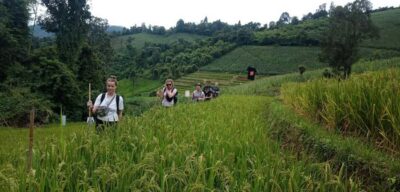
The next morning you trek through farmland. The description says it’s pleasant with no climbs, which is exactly what you want after days of stair work. You reach Nayapul in about 2 hours of walking.
Then you drive back to Pokhara along winding roads with views of Modi Khola. The drive is about 3 hours, and this is another “rest and recover” day for your legs. You’ll also rest your luggage at the hotel, with plenty of time to enjoy Pokhara, plus breakfast included for the day.
This is your practical catch-up window: wash up properly, check gear for tears, and decide what to do with the remaining evening. If you’re the souvenir type, this is also where you can breathe and browse without worrying about packing for the mountain.
Driving back to Kathmandu and a Thamel night
Your final day is the drive back to Kathmandu. The scenery is described as huge hills, white rivers, and terraced farmland from your window. There’s a stop for lunch and toilet break on the highway.
Once you reach Kathmandu, you can freshen up and stroll around Thamel, known for its tourist energy and nightlife. If you want to buy souvenirs, this is a good time. If you want quiet time, take it. After a trek like this, you’re allowed to choose low-key.
Why the price can feel fair (and where you still need to budget)
The tour price is $897.44 per person for an approx 8-day itinerary. What makes it feel like value is that your money covers the core “mountain logistics,” not just a guide.
Included:
- Two nights hotel in Pokhara with breakfast
- TIMS permits
- A professional trekking guide (with insurance, meals, and allowances)
- 3 meals per day plus overnight accommodation along the trail (hotel/lodge)
Not included:
- Travel/medical insurance and emergency evacuation cost
- Personal expenses like phone calls, alcoholic beverages, donations
- Tips for guides and porters (it is expected)
So what are you really paying for? It’s mostly paying for your time and stress reduction. You get someone to handle route timing, permits, meals, and lodging selection along the way, so you don’t have to micromanage the mountain supply chain.
If you already have hiking experience, you’ll notice you’re paying more for the “system” and less for the “staying out of trouble.” If you’re newer to trekking, the guide and porter support becomes even more valuable.
One caution for budgeting: while Pokhara has breakfast included on the hotel days, the arrival day in Pokhara says no meals are included. Plan for at least one full meal outside the package at the start.
The guide and porter team: the biggest trust factor
This trek’s reputation is tied to its people. In the feedback, guides like Jog Gurung and Ganesh come up often, and porters such as Osman and Hori are praised for being attentive and helpful. Another name you see in the mix is Calvin, with support described as warm and above-and-beyond.
You should expect practical help more than speeches. That means the group keeps moving, breaks happen at sensible times, and you get answers to questions while you still have energy to ask them.
Also, you’ll like the feel of a private tour. That matters for pace and comfort. You’re not stuck merging into a large crowd with different walking speeds and different expectations. You can focus on your own rhythm, ask questions, and manage your time without feeling like you’re one of fifty.
Who should book this short Annapurna Base Camp trek
This trip fits best if you:
- want a classic Annapurna experience but don’t want the long haul of multi-week trekking
- can handle daily hiking around 6–8 hours, including stair sections and a few long bridge crossings
- like having built-in support for permits, meals, and lodging
It’s also a good choice if you enjoy culture stops in places like Ghandruk and Chhomrong, not just the mountain photos.
If you’re dealing with mobility limitations, severe time constraints, or you hate stairs, you’ll want to think hard. This route includes stone steps and long stair descents and ascents. That’s baked in.
Should you book this Annapurna Base Camp short trek?
If your dream is sunrise over the Annapurna range and a trek that mixes villages, forests, rivers, and base camp drama, I’d say yes—with smart preparation. The combination of included meals, a team that people describe as professional and warm, and a route that actually delivers at base camp makes this a strong value compared with DIY trekking.
Just go in knowing the one tradeoff: your legs will notice the stairs. If you train a bit before you go, pack for cold mornings, and don’t underestimate the walk hours, you’ll get a very full Nepal experience for the time you’re spending.
FAQ
How high do we reach on this Annapurna Base Camp short trek?
The highest point is Annapurna Base Camp at 4,130m.
Where does the trip start?
The experience starts at Tribhuvan Airport, Kathmandu, Nepal.
What permits are included?
The trek includes TIMS permits (Trekker’s Information Management System).
What meals are included during the trek?
The package includes 3 meals per day during the trekking days, plus overnight accommodation in hotel/lodge along the trail.
Are Pokhara hotels included?
Yes. You get two nights in Pokhara with breakfast.
Is this a private tour?
Yes, it’s a private tour/activity, and only your group participates.
Is medical insurance included in the price?
No. Travel/medical insurance and emergency evacuation costs are not included.
What’s the cancellation window?
You can cancel up to 24 hours in advance for a full refund. If you cancel less than 24 hours before, the amount paid is not refunded.