REVIEW · KATHMANDU
10 Days Private Annapurna Base Camp Trek
Book on Viator →Operated by View Nepal Treks and Expedition · Bookable on Viator
A trek like this turns a map into memories fast. You’ll walk the Modi River corridor, sleep in mountain lodges, and hit the big payoff at Annapurna Base Camp with glacier-and-peak views. My only caution: the days add up (think 5–7 hours of hiking in a row), and the trip depends on good weather.
What makes it especially appealing is the mix of easy village walking, proper forest trail days, and one standout “wow” day in the sanctuary. The private setup also matters: you’re not stuck marching at someone else’s pace, and reviews highlight guides like Kumar, Sukman, Koumar, and Pande for adapting to your walking level and keeping things organized. One possible drawback to keep in mind: for less-experienced walkers, it can feel demanding even with a good guide.
In This Review
- Key things that make this trek worth your time
- From Thamel to Pokhara: the easy start that sets the pace
- Ghandruk and Chomrong: Gurung villages and the Modi River corridor
- Himalaya Hotel, bamboo forests, and why these lodge days matter
- Annapurna Sanctuary and Base Camp: glacier views you came for
- Coming down smart: Deurali, bamboo again, and preparing your legs
- Jhinu Danda hot springs: the recovery reward
- Landruk, Tolka, and the long return rhythm to Pokhara
- Getting back to Kathmandu: scenic flight or a bus ride
- Price and value: what $1,100 covers (and what it doesn’t)
- Guide and porter setup: private means you set the pace
- Weather reality and planning for a trek that needs clear skies
- Who should choose this 10-day private Annapurna Base Camp trek
- Should you book this Annapurna Base Camp trek?
- FAQ
- FAQ
- Where does the trek start and end?
- Is this a private trek?
- Is pickup included?
- What transportation is included between Kathmandu and Pokhara?
- What’s included in the price?
- What meals are included during the trek?
- What is not included?
- How long is the trek?
- What fitness level do I need?
- What happens if weather is bad?
Key things that make this trek worth your time
- Following the Modi River: you’ll get constant river gorges, forest edges, and views that shift every day
- Gurung culture stops: villages like Ghandruk bring local museums and community life into the trek
- Forest-to-sanctuary transitions: mornings start greener and end with higher, harsher alpine scenery
- Annapurna Base Camp as a goal: you’re not just hiking for scenery, you’re walking into the heart of the range
- Jhinu Danda hot springs: a practical recovery moment on the return leg
- Dhampus panorama before Pokhara: you end with big views and an easier finish
From Thamel to Pokhara: the easy start that sets the pace
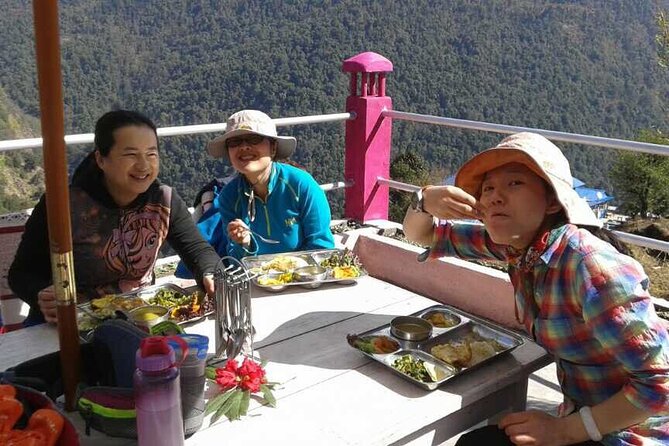
Most people underestimate how much the first day shapes your whole trek. Here, you drive from Kathmandu to Pokhara (about 6 hours) along the way with local villages, plus mountain views and river valleys like the Trisuli and Marsyangdi. It’s a long-ish transfer day, but it helps you reach the trail with less stress than trying to squeeze travel around early mornings.
Pokhara also plays a smart role as a buffer night. You get a proper overnight stop, then the next morning you’re ready to start trekking without feeling like you’re immediately being dropped into altitude life.
You can also read our reviews of more tours and experiences in Kathmandu.
Ghandruk and Chomrong: Gurung villages and the Modi River corridor
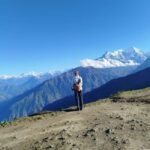
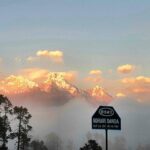
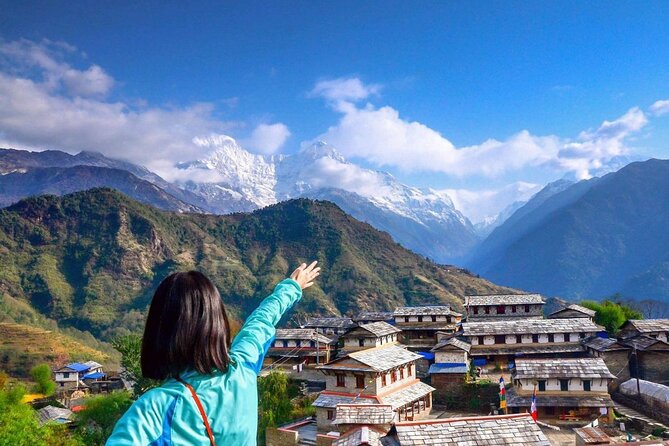
The trek really gets going beyond Pokhara, and one of the best parts is how quickly you start seeing how local life connects to the mountains. On day two, you drive to a starting village area (Bhirethati) and begin with a flatter walk alongside the Modi River. After that you climb stone-paved steps toward Kimche and then continue uphill to Ghandruk, a Gurung village with strong views of Annapurna South, Hiunchuli, and Fishtail (Machhapuchare).
A cool detail here: Ghandruk isn’t just scenery. You can visit the Gurung Local Museum, the ACAP headquarters, and meet local people in a community that’s used to trekking traffic. That cultural layer makes the walking feel grounded, not like you’re only passing through.
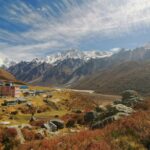
Then comes Chhomrong, your next major marker. Day three has a mix of short ups and downs: walk up toward Kyomrong and Chomro, descend toward the river area, and work your way back up to Chomrong village. It’s described as the last permanent Gurung village and a gateway toward the sanctuary, which matches the way it feels: more trekkers, more trail focus, and the landscape starting to turn wilder.
Himalaya Hotel, bamboo forests, and why these lodge days matter
On day four, the trail shifts into something most hikers remember more than they expect: dense forest, river gorge energy, and bamboo-and-rhododendron scenery. You’ll start with a short downhill through terraced farm fields, cross a bridge, and climb up toward small lodge areas like Sinuwa-Danda. From there, the route threads into forest until you reach Bamboo, a lodge-heavy stop sitting by the Modi River in a gorge.
Even though this is a longer day (around 7 hours), it doesn’t feel like a pure grind. A big reason: you’re walking through a changing mix of trees and trail tones, and you keep getting these glimpses down the river corridor.
The overnight at The Himalayan Hotel is another plus. It’s set in the middle of forest along the Modi River gorge, so when the day ends, you get a more mountain-feeling setting than you would at a road-adjacent town.
Annapurna Sanctuary and Base Camp: glacier views you came for
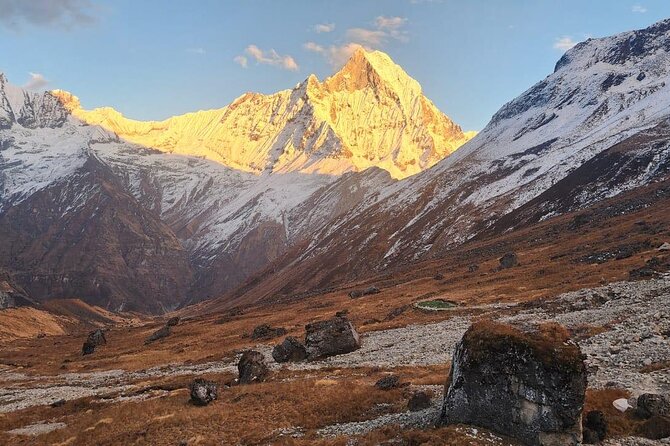
Day five is the headline. You leave the lower forest feel and start moving into higher, more sparse vegetation where alpine bushes and shrubs take over. The route follows the Modi River upstream, which gives your hiking a clear rhythm: go where the river goes, and you keep feeling that you’re traveling deeper into the range.
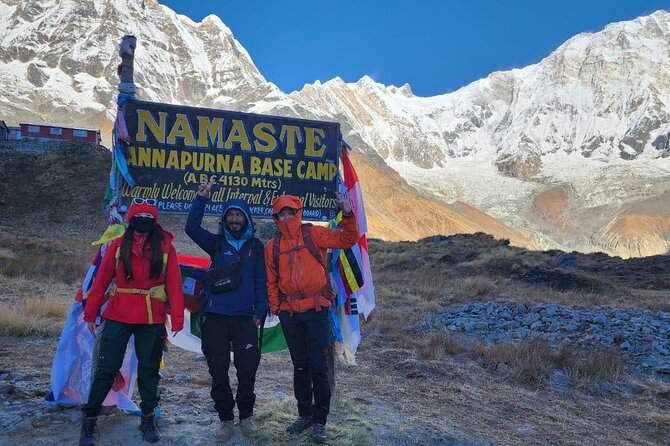
As you approach the sanctuary, the trail becomes more dramatic, with steep sections including the last climb toward Machhapuchare Base Camp. Then there’s a short walk to the main destination at Annapurna Base Camp.
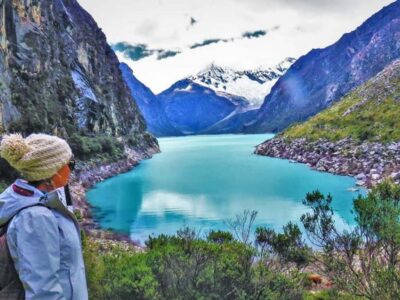
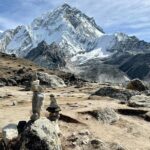
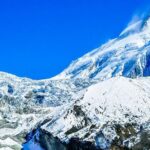
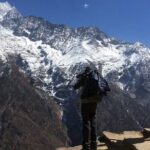
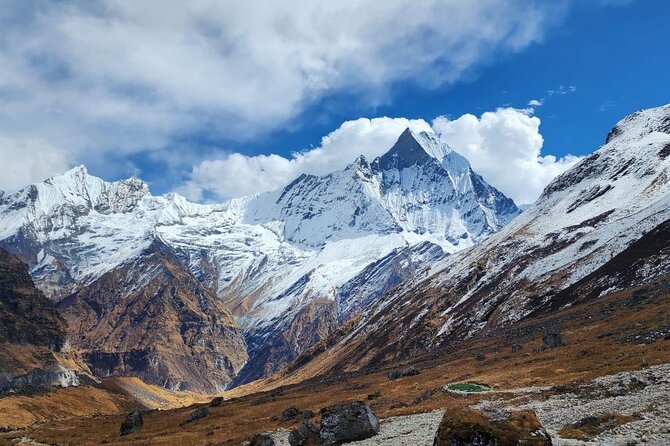
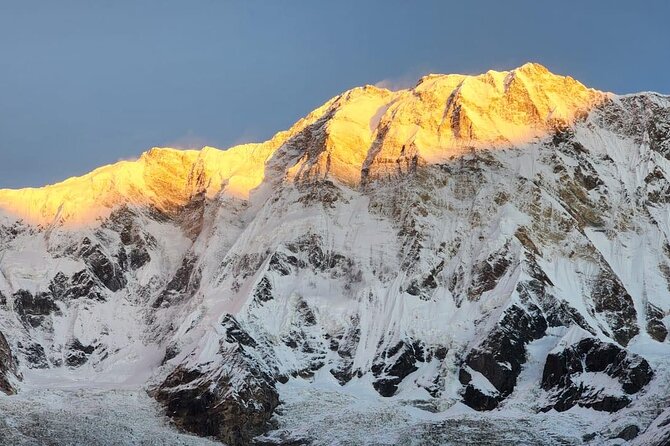
This is where your mental checklist gets checked. Expect giant views of the Annapurna massif and the dramatic glacier setting, with surrounding peaks and a huge sense of scale when you’re standing at base camp. One practical tip: plan to spend time slowly, not just take a quick photo and rush. The light and cloud cover can shift, and the walls of snow and ice can look completely different within an hour.
Coming down smart: Deurali, bamboo again, and preparing your legs
Day six is a long downhill day, returning toward lower areas such as Deurali and passing Machhapuchare Base Camp again. The trail includes short ups and downs and a gradual winding path back into greener forest. You end up back at Bamboo for the night.
Why this matters: it’s not just a “shorter day” vibe. Downhill can be harder on knees than uphill is on lungs. So treat day six like a training day for control—small steps, steady pacing, and staying hydrated.
Jhinu Danda hot springs: the recovery reward
By day seven, you’re bouncing between ridges and river crossings. You climb from Bamboo up to Khuldi Ghar, then take winding paths down through dense forest. After returning toward Sinuwa-Danda, you descend further to Chomrong Khola, cross a bridge, and climb back toward Chomrong village for a short rest or lunch.
Then you go up to the top of the Chomrong ridge and keep descending to Jhinu Danda for the overnight stop. The big payoff here is the hot springs: they’re about a 20-minute walk downhill near the Modi River.
This is one of those moments that feels practical, not just fun. After several hiking days, soaking helps your legs reset. Even if you don’t stay long, the warm-water break can make the next day feel easier.
Landruk, Tolka, and the long return rhythm to Pokhara
Day eight continues the recovery theme with another long downhill. You start from Jhinu Danda with a long descent to the Modi River, cross a suspension bridge, and walk past farm fields. Then there’s a short climb to Landruk, followed by gentle winding walking to Tolka.
This day is about rhythm rather than intensity. You’ll still get hours of hiking, but the trail is less “fight for every step” and more “keep moving, enjoy the views.”
Day nine builds on that. You start at Tolka and move along gradual paths with a few short ups and downs, passing places like Bheda Kharka. Then you climb into cooler forest to Deurali, with strong views including Dhaulagiri, Annapurna South, Hiunchuli, and Machhapuchare, plus views back toward Ghandruk.
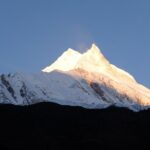
After Deurali, the trail becomes downhill again through forest to Pothana, then continues to Dhampus for a final panorama. Dhampus is where you’ll see a wider sweep including Annapurna–Manaslu–Lamjung with Machhapuchare in the mix. Then it’s the last downhill into Phedi and a short drive back to Pokhara.
That sequence is smart. It gives you one last high-view moment without ending your trek on a brutal climbing day.
Getting back to Kathmandu: scenic flight or a bus ride
Day ten finishes the trek with a return to Kathmandu (either a scenic flight in the morning or a tourist bus). The plan is to arrive Kathmandu in the afternoon, then you’ll have time for shopping and relaxing in the evening.
This is worth caring about. A lot of trekkers feel mentally done before they’re physically done. Having that final travel day with breathing room helps you avoid the trip ending in total exhaustion.
Price and value: what $1,100 covers (and what it doesn’t)
The listed price is $1,100 per person for this 10-day private trek, and the value is fairly clear when you look at what’s included.
Included highlights:
- Guide and porter (setup is two clients per one porter)
- Meals during the trek: breakfast, lunch, dinner (breakfast is listed for 8 mornings, lunch 8 times, dinner 7 times)
- Trekking permit and TIMS card
- Transport elements around the trek, including the private transport hotel nights
- Trekking accommodations (plus private transport for the Pokhara and Phedi-Pokhara segments)
- Insurance for the trekking service components
Not included:
- Drinks and grocery items
- Tips for guide and porter
- Kathmandu accommodation if you need an extra night (listed as $40 USD per night)
So is $1,100 a good deal? For a private Annapurna Base Camp trek with permits, insurance, meals, and a guide/porter team, it can be solid value—especially compared to DIY trekking where you still end up paying for permits, guides (if you choose one), and logistics.
Just don’t forget the real-world extras: you’ll want budget room for drinks and a fair tip, because those aren’t optional if you care about good service.
Guide and porter setup: private means you set the pace
Because this is a private tour, the guide isn’t trying to keep multiple people together. That matters on a trek where you might have an off day, a good day, or simply need more time at viewpoints.
The reviews strongly emphasize guide quality. Names that come up include Kumar, who gets praise for being funny and knowledgeable, and Sukman, described as warm, helpful, and responsible. Koumar and Pande are also mentioned positively, with comments about organization and adapting to your level.
One useful takeaway for you: if you’re newer to trekking, ask your guide to set a pace that matches your ability rather than your enthusiasm. There’s at least one note that the ABC trek can feel difficult for amateur walkers, but the guide can make it enjoyable by adjusting how you hike.
Weather reality and planning for a trek that needs clear skies
This experience requires good weather. That isn’t a throwaway line; it’s the difference between seeing sharp mountain detail and staring at clouds.
You’ll notice the itinerary has big-view moments like Annapurna Base Camp and Dhampus. If conditions are poor, you might get limited visibility. The upside: the operator also offers options like rescheduling or a full refund if the trek is canceled due to poor weather, and that’s comforting.
Who should choose this 10-day private Annapurna Base Camp trek
This trek is best for you if you want:
- A true Annapurna Base Camp goal, not just scenic hikes
- Village culture time in places like Ghandruk
- A private guide/porter setup where pacing is flexible
- Forest walking days plus a clear “wow” day at base camp
You should be comfortable with moderate physical fitness. The schedule includes several long hike days (around 5–7 hours) and multiple climbs and descents. If you hate downhill, you’ll need to prepare your legs and your technique.
It also fits well for couples or small groups who want their own rhythm rather than being one of many bodies in a larger group.
Should you book this Annapurna Base Camp trek?
If you want a well-structured private ABC trek with meals, permits, and a guide/porter team, this one is a strong match. The itinerary has built-in variety: river walks, forest days, a major sanctuary push, hot springs recovery, and a panoramic finish around Dhampus.
I’d book it if you’re realistic about fitness and weather, and if you’re the kind of traveler who likes small-town life as much as mountain views. If you’re brand-new and worried about endurance, ask for a slower pace and use the guide’s support early rather than trying to power through and hope for the best.
FAQ
FAQ
Where does the trek start and end?
The start meeting point is View Nepal Treks & Expedition P. Ltd. at Thamel Marg 24, Kathmandu 44600, Nepal. The activity ends back at the same meeting point.
Is this a private trek?
Yes. It is a private tour/activity, and only your group participates.
Is pickup included?
Pickup is offered.
What transportation is included between Kathmandu and Pokhara?
You drive from Kathmandu to Pokhara on Day 1. On Day 9 there is a short drive from Phedi back to Pokhara. On Day 10 you return to Kathmandu either by scenic flight or tourist bus.
What’s included in the price?
The price includes a licensed guide holder guide and porter (2 clients: 1 porter), trek food (breakfast, lunch, dinner), room nights in Pokhara and during the Pokhara/Phedi transport area, accommodation during the trek, guides and porter support (including food, salary, insurance), and trekking permits including TIMS.
What meals are included during the trek?
Breakfast is listed for 8 mornings, lunch for 8 times, and dinner for 7 times. Meals are included throughout the trekking portion.
What is not included?
Drinks, grocery items, and tips for the guide and porter are not included. Also, Kathmandu accommodation is not included if you need an extra night (listed as $40 USD per night).
How long is the trek?
It’s approximately 10 days.
What fitness level do I need?
The description says travelers should have a moderate physical fitness level.
What happens if weather is bad?
The experience requires good weather. If it’s canceled due to poor weather, you’ll be offered a different date or a full refund. Free cancellation is allowed up to 24 hours in advance for a full refund.