REVIEW · KATHMANDU
Pikey Peak Trekking
Book on Viator →Operated by Sherpa Expedition & Trekking · Bookable on Viator
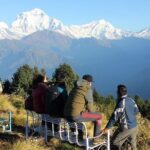
Pikey Peak is the mountain-view shortcut you’ll remember. From 4,067m, you get sweeping sights across major eastern and central Himalaya ranges, with sunrise and sunset turning the sky into a show. The route moves through working settlements in the Solu Khumbu region, so you’re not only walking between peaks—you’re walking through lives.
I especially like two things about this trek. First, the payoff is huge for the time you have: a single high viewpoint can put multiple 8,000m-class giants in one sightline. Second, the experience feels human-scale on the trail—one guide-led trek description I saw highlighted how quiet the path can be, even when you’re out near popular viewpoints. One consideration: the start is early (6:15am from Tribhuvan International Airport) and you should plan for cold mornings and a steady walking pace at altitude, even though this is considered a lower-alpine option compared with the highest Himalayan routes.
Below is what I think matters most: the route flow, the view strategy, and how the included meals and private setup affect your day-to-day comfort.
In This Review
- Key highlights to know before you go
- Why Pikey Peak is a smart Everest-view choice at 4,067m
- Route overview: Phaplu, Kerung, Pattale, Jhapre, Pikey Peak, Lamajura, Junbesi
- Phaplu: your trek base and reset point
- Kerung and Pattale: early rhythm and Himalayan framing
- Jhapre: a quieter stretch that helps you settle in
- Pikey Peak (4,067m): the main event
- Lamajura and Junbesi: finishing with culture in motion
- Sunrise and sunset views: the strategy that makes the trek worth it
- Village life on the trail: culture without the circus
- Food, comfort, and what the full-board setup really means
- Price and logistics: what $1,435.90 per person gets you
- Physical readiness and how hard this trek feels
- Should you book Pikey Peak Trekking?
- FAQ
- How long is the Pikey Peak Trekking experience?
- Where do you start and end?
- What time does the trek start from the meeting point?
- What’s included in the meals?
- Are drinks included?
- Can I cancel and get a full refund?
Key highlights to know before you go
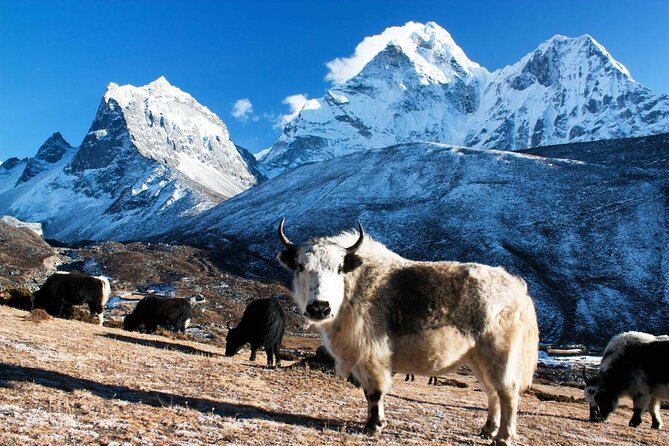
- Everest-range sunrise potential from Pikey Peak, with sunset too when weather cooperates
- A long list of visible giants from one viewpoint: Everest, Makalu, Kanchenjunga, Lhotse, Nuptse, Annapurna, and more
- Village-to-village trekking through places like Kerung, Pattale, Jhapre, Lamajura, and Junbesi
- Often uncrowded feel on sections of the trail, so the mountains feel close
- Full-board meals during the trek help you keep energy up without fuss
- Private group format means the schedule and pace are more adjustable for your crew
Why Pikey Peak is a smart Everest-view choice at 4,067m
If your bucket list includes the Everest region but your time (or legs) are limited, Pikey Peak is one of the best “view-first” solutions in Nepal. At 4,067m, you’re high enough to feel like you’re in the Himalayan world, but you’re not aiming for the highest, most technical altitudes. That makes the trek a strong option if you’re uncertain about going higher.
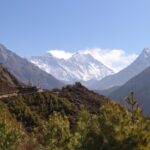
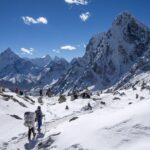
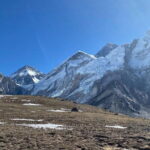
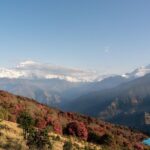
The views are the main reason people plan this trek. The peak is positioned so you can take in an impressive spread of ranges from the eastern and central Himalayas. The listed favorites include Everest, Makalu, Kanchenjunga, Annapurna, Gaurishankar, Lhotse, Nuptse, Numbur, Sishapangma, Thamserku, and even Mera Peak. In plain terms: you’ll get a sky full of names, not just one dramatic ridge.
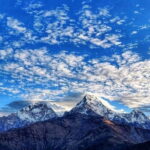
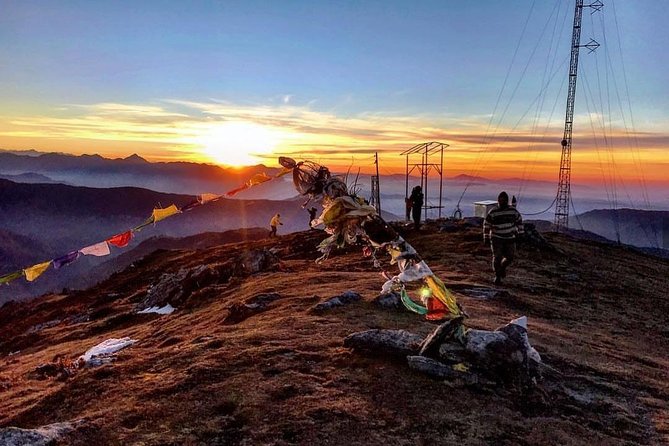
The other big reason I’d put this on your shortlist is timing. Sunrise and sunset here are a genuine attraction, not a marketing line. That means you’ll shape your day around light—when visibility improves, when the ridges light up, and when the valley goes quiet.
You can also read our reviews of more tours and experiences in Kathmandu.
Route overview: Phaplu, Kerung, Pattale, Jhapre, Pikey Peak, Lamajura, Junbesi
This trek is a loop-style experience that begins and ends in Phaplu. Along the way you pass through Kerung, Pattale, Jhapre, Pikey Peak, Lamajura, and Junbesi. Even without needing fancy itinerary detail, this sequence is useful because it tells you what kind of trek you’re doing: it’s not an “out-and-back to one view and done” plan. You’ll move through multiple communities and valleys, then return.
Phaplu: your trek base and reset point
Phaplu is where the trek starts and where you come back to. Think of it as your logistic anchor. Starting and finishing in the same place usually makes the final day less stressful than treks that dump you in a different town with unclear transport.
Kerung and Pattale: early rhythm and Himalayan framing
Kerung and Pattale are part of the early trek days. This is where you typically feel the change from daily-city pace to trail pace. It’s also where the mountain scenery begins to build—small by small—so when you finally reach the big viewpoint, it doesn’t feel like it came out of nowhere.
Jhapre: a quieter stretch that helps you settle in
Jhapre comes after Pattale. One thing I like about treks that include multiple villages is the rhythm it creates: walk, stop, eat, watch the sky. The route descriptions tied to this trek also emphasize quiet stretches where you may find yourself alone on the trail more often than you expect, which helps the whole experience feel calm instead of rushed.
Pikey Peak (4,067m): the main event
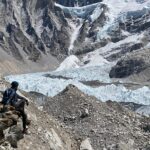
This is the reason you’re here. On a clear day, you’re collecting big-range views—sunrise if you wake up for it, and sunset if you time your descent right. The peak elevation is high enough that weather changes can happen fast, so your guide’s judgment on when to head up (and when to wait) matters. A good guide isn’t just carrying you to a spot; they’re helping you read conditions.
In feedback, guides like Dawa Sherpa have been highlighted as especially strong for helping trekkers make the most of the day on and around the viewpoint.
Lamajura and Junbesi: finishing with culture in motion
After the main viewpoint, you’ll continue through Lamajura and Junbesi, returning back toward Phaplu. This is where the trek shifts from “get to the view” to “enjoy the journey home.” It’s also where the cultural side can feel more relaxed—since you’ve already earned the big skyline, you can take your time with the villages and the trail details.
Sunrise and sunset views: the strategy that makes the trek worth it
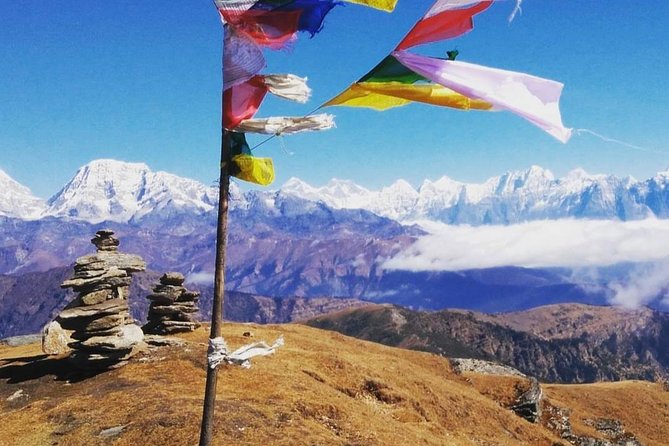
Sunrise and sunset are specifically called out attractions for Pikey Peak, and that matches what you should expect from a trekking route built around a single signature viewpoint. Here’s the practical truth: the mountain doesn’t care about your schedule, but your schedule is what decides whether you catch the good light.
Plan to treat sunrise as a small mission. You’ll likely start very early on your viewpoint day, and that can be hard if you’re not used to altitude cold and early wake-ups. The good news is this trek’s whole framing supports it: you’re on a route where the big payoff is designed around seeing the ridgelines as the light changes.
Sunset is your second chance, and it can be gorgeous. If weather turns or visibility drops for sunrise, sunset can sometimes reward you—but don’t assume. Nepal mountain weather has a mind of its own, and guides will do what they can with conditions.
One trekking description I saw mentioned seeing the Everest range at sunrise as extraordinary and breathtaking, and that lines up with why so many people choose Pikey when they want Himalaya drama without committing to higher-altitude climbs.
Village life on the trail: culture without the circus
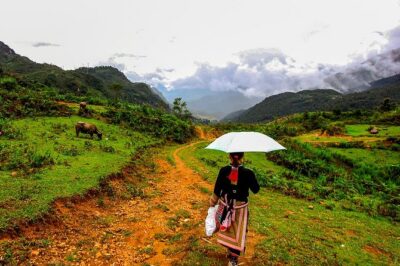
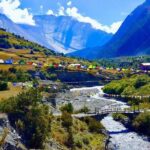
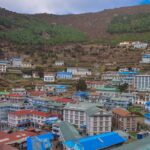
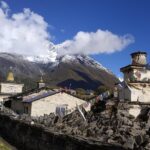
This trek goes through communities like Kerung, Pattale, Jhapre, Lamajura, and Junbesi, and that’s where Pikey feels more “real Nepal” than a checklist hike. You’re not only walking through scenery; you’re walking past daily life. That tends to make the whole trek smoother mentally because the journey has texture.
I also like that this is framed as a lower-alpine and cultural experience. One comment tied to the trek specifically called it a great cultural experience in the lower Himalayas, especially for people who feel unsure about higher-altitude trekking. That’s a useful signal for you: if you want mountain views, but you also want the trip to feel accessible in pace and altitude, Pikey is designed for that balance.
Another detail that stood out in feedback: trekking routes that stay quieter can help you connect. One description mentioned that the trail was often totally to themselves, and that kind of quiet changes the whole experience. When you’re not filtering around crowds, the mountains feel bigger because your attention is on fewer things.
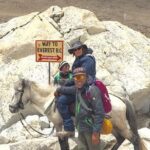
Finally, guides show up as a big part of the cultural experience. Names mentioned include Nee-ma Sherpa and C-erpa Pasang (with Sherpa Trekking and Expedition), plus Jay Bir and Hiese Lama, and Dawa Sherpa. Even if you get a different team, the pattern is clear: a good guide improves both safety and your ability to read what’s happening around you.
Food, comfort, and what the full-board setup really means
Food can make or break a multi-day trek, and here the important part is simple: breakfast and full board meals during the trek are included.
That helps you in two ways:
- You don’t need to spend mental energy figuring out every meal stop.
- You can keep your energy consistent, which matters when you’re walking at altitude.
What’s not included is also clearly stated: hard and soft drinks are not part of the package. That’s worth planning for. If you know you like bottled drinks, soda, or tea habits that add up, you’ll want to budget for that on your own. On a trek, small expenses can sneak up fast.
Comfort-wise, remember this is a trekking route, not a hotel circuit. The value here is that your meals are handled so you can focus on walking and acclimating steadily rather than managing logistics every day.
Price and logistics: what $1,435.90 per person gets you
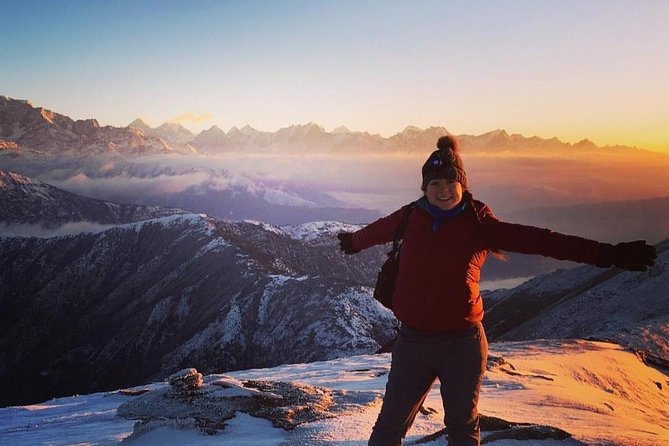
The price is $1,435.90 per person. For many trekkers, the real question isn’t just the number—it’s what you’re buying with it. Here’s the value logic based on what’s included and how the experience is run.
You’re getting:
- A private tour/activity, meaning it’s only your group
- Full-board meals plus breakfast during the trek
- A mobile ticket
- A start anchored at Tribhuvan International Airport, with a listed start time of 6:15am
You’re also getting a structure designed for people who have moderate fitness but want a guided experience. This kind of arrangement can be worth the money because it reduces uncertainty: you’re not piecing together multiple operators, and your trek plan is already built.
Also, the private format matters more than you might think. When you’re at altitude and conditions change, having flexibility can be the difference between a pleasant day and a stressed one. Even though exact adjustments aren’t promised in the details you provided, private treks generally allow your guide to manage pace and timing around the group.
One more practical point: confirmation is received at booking time. That helps if you’re trying to keep Nepal travel organized without constant rechecking.
Physical readiness and how hard this trek feels
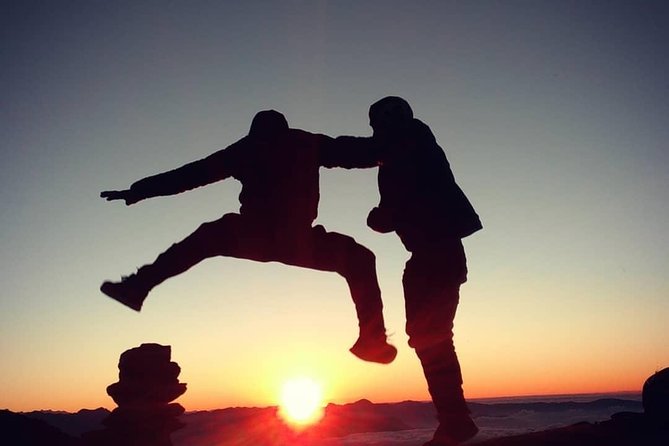
You don’t have to be an ultra-runner, but you should be ready to walk. The details say you should have a moderate physical fitness level, and the route includes trekking at elevations that will make your lungs work harder.
Here’s how I’d think about it before you commit:
- You’re going to be walking for multiple days.
- You’ll likely deal with cold early mornings if you’re aiming for sunrise.
- Altitude makes pace feel slower even when you’re doing the same effort you do at home.
The best preparation is simple: build a consistent walking routine before you go. If you can handle long hikes on varied terrain, you’ll be in a good place.
Your guide will also matter. Feedback includes guide names like Nee-ma Sherpa, C-erpa Pasang, Jay Bir, Hiese Lama, and Dawa Sherpa, and the consistent message from a good guide is that you reach the viewpoint with energy left in your body, not just in your head.
Should you book Pikey Peak Trekking?
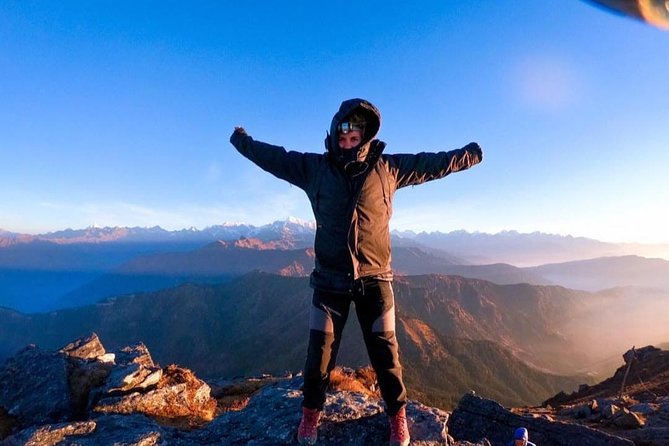
Book this trek if you want the Himalayan skyline payoff without committing to the highest, toughest altitude objectives. It’s a strong pick if you care about sunrise/sunset views, enjoy village-scale trekking through places like Kerung, Pattale, Jhapre, Lamajura, and Junbesi, and want a guided plan that’s set up with full-board meals.
Skip or rethink it if early starts and sustained walking at elevation don’t match your current fitness. Also, if you’re particular about drinks, remember that hard and soft drinks aren’t included, so you’ll need to plan for that add-on.
My final advice: if you’re choosing between a “see one peak” plan and a “get the most views per day” plan, Pikey is compelling. With the right conditions, it can turn one mountain morning into a whole shelf of Himalayan names.
FAQ
How long is the Pikey Peak Trekking experience?
It’s listed as an 8-day trek (approx.).
Where do you start and end?
The trek begins and ends at Phaplu. The experience also lists a meeting point at Tribhuvan International Airport, Ring Rd, काठमाडौँ 44600, Nepal.
What time does the trek start from the meeting point?
The start time is listed as 6:15am.
What’s included in the meals?
Breakfast is included, and full board meals are included during the trek.
Are drinks included?
Hard and soft drinks are not included.
Can I cancel and get a full refund?
Yes. Free cancellation is available, and you can cancel up to 24 hours in advance of the experience for a full refund.