REVIEW · KATHMANDU
Millennium Homestay Trek
Book on Viator →Operated by Swotah Travel and Adventure Pvt. Ltd. · Bookable on Viator
A trek through Nepal nobody rushes. This off-the-beaten-route journey mixes 30+ villages with real homestay nights and a big centerpiece: Millennium Cave. You’ll also weave in Kathmandu heritage and end with Pokhara views before heading back.
What I really like is the direct village contact—you’re not just watching from the sidelines, you’re eating, walking, and spending time with the homestay families. I also appreciate how guides can make the culture practical; names like Rajkumar and Kumar come up repeatedly in people’s experiences, and the trip is organized to keep things moving smoothly.
The main drawback to consider is the physical pace. Some trekking days run 5 to 10 hours and there are steep parts, plus this itinerary is weather-dependent, so you’ll need a little flexibility.
In This Review
- Quick highlights before you go
- Why this trek feels different from the usual Nepal plan
- Price and Logistics: what $1,500 is actually buying
- Day 1 Kathmandu: Durbar Square orientation and a proper start
- The Kathmandu UNESCO day at Swayambhu Mahachaitya
- Pokhara lakeside setup: the drive that buys you good sleep
- Khairenitar to Bankewa: your first homestay night
- The Magar Samaj Hall day: walking, holy rivers, and shaman night
- Gurunghe Hill: Lamagaon climbs and Gharedi village life
- Millennium Cave and Kolma: waterfalls plus the payoff viewpoint
- Rangrung Newari nights: ThuloHattiya and local food
- Tibetan camp after Seti gorge: community life, not a quick photo stop
- Pokhara Museum and the return to Kathmandu
- Who this trek suits best (and who should rethink)
- So, should you book the Millennium Homestay Trek?
Quick highlights before you go
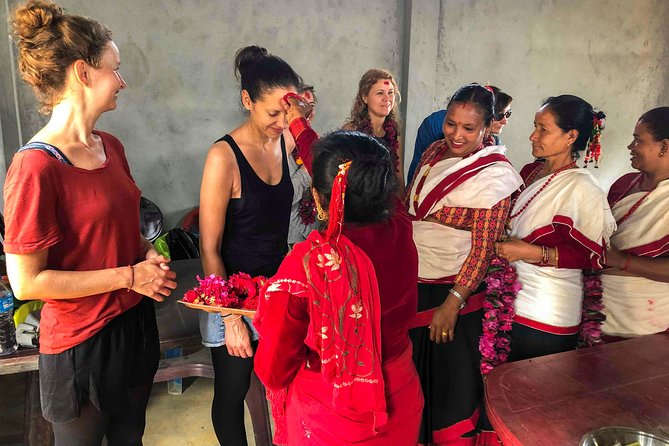
- 30+ village stops and homestay living with Nepali local cuisines and family-host interaction
- Millennium Cave with waterfalls and a real sense of place
- PyuriDobhan holy-area visit, plus a shaman show and evening prayers
- A Tibetan refugee camp visit and a look at community life after the Chinese invasion of Tibet
- Small group size (max 10) with pickup and hotel/airport transfers included
- Pokhara finish with sightseeing and a museum stop before driving back to Kathmandu
Why this trek feels different from the usual Nepal plan
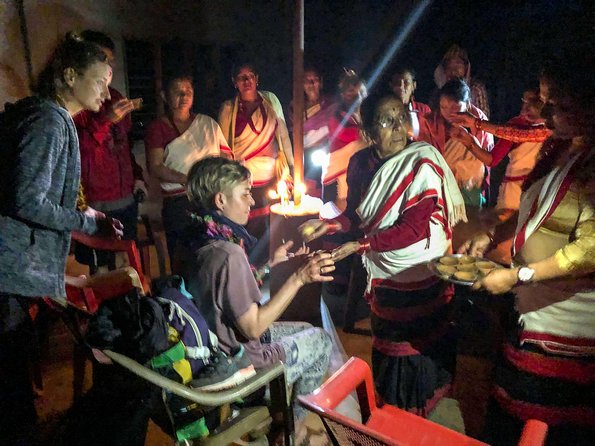
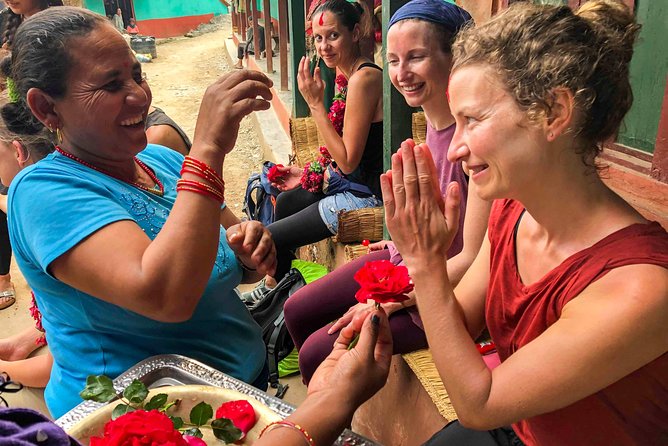
This is the kind of Nepal trip that trades famous landmarks for everyday life. Instead of doing the standard queue-and-camera rhythm, you walk through a corridor where you meet villagers often and sleep in their homes. The promise here is authenticity: local food, local routines, and plenty of conversation—exactly the stuff that’s hard to manufacture from a bus window.
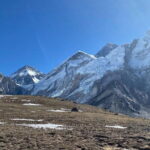
It also helps that the trekking stays at a lower altitude than the big base-camp routes. One traveler noted the trek wasn’t going higher than about 6,500 ft. You still get uphill days and you still need to be prepared, but the breathing challenges tend to be less intense than on the highest Himalayan routes.
And the small-group size matters. When you’re capped at 10 people, your guide can manage the rhythm: regrouping for muddy sections, taking breaks before people burn out, and handling the little travel hiccups that always show up in rural areas.
You can also read our reviews of more tours and experiences in Kathmandu.
Price and Logistics: what $1,500 is actually buying
At $1,500 per person, this isn’t a budget grab. It’s priced like a guided, relationship-driven experience—meaning you’re paying for transport, organization, and the work of coordinating multiple homestay hosts along the trail.
Here’s what you’re getting based on the itinerary design:
- Pickup and transfers around Kathmandu and Pokhara, including airport drop at the end
- Transport between Kathmandu and Pokhara by highway route (car/bus and later a deluxe coach/jeep)
- Admission tickets included for the sightseeing stops listed in the plan (like Kathmandu Durbar Square and Swayambhu Mahachaitya)
- Homestays with family hosts on the trekking side
- A mobile ticket option, plus confirmation at booking
- A cap of max 10 travelers, which often keeps the experience calmer and more personal
So is it good value? If you want a “see Nepal” holiday, you might feel it’s pricey. If you want “live Nepal for a couple of weeks,” it starts making sense—because the biggest cost driver isn’t the scenery. It’s the coordination of people, meals, guides, and overnight placements far from tourist infrastructure.
Day 1 Kathmandu: Durbar Square orientation and a proper start
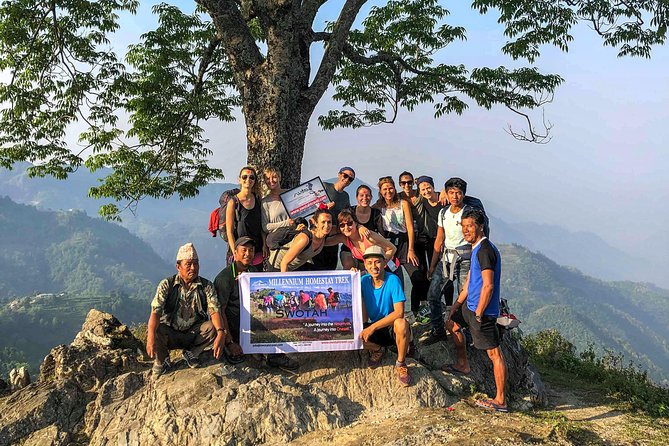
Your first morning starts at 6:15 am at Tribhuvan Airport in Kathmandu. You’ll be met and transferred to your hotel, then in the evening you’ll discuss the itinerary over a traditional dinner. That dinner chat isn’t just ceremonial. It helps you get on the same page early—walking time, what to pack for each day, and what to expect from homestays.
Kathmandu Durbar Square is stop one with an admission ticket included. It’s the kind of place where you can’t fully understand what you’re seeing without time to look, so it’s a good first anchor before the trek pulls you away from city pace.
My practical tip: keep your evening low-key. You’ll want energy for the next full day of heritage walking.
The Kathmandu UNESCO day at Swayambhu Mahachaitya
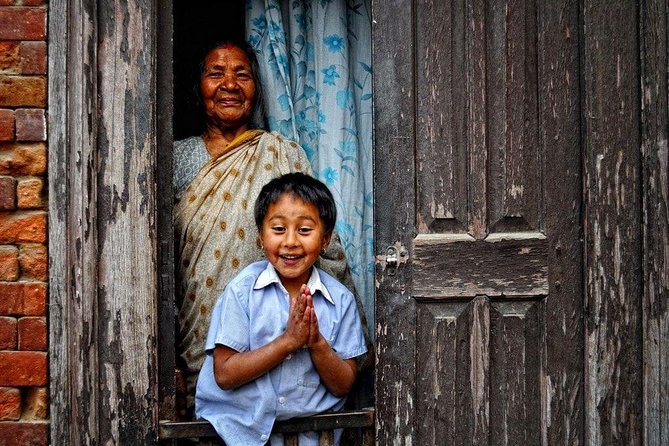
Next up is Swoyambhu Mahachaitya, a full 8-hour block that’s focused on Kathmandu’s heritage. The day is set up to help you observe key UNESCO World Heritage sites in the Kathmandu Valley area.
This stop matters because it sets the cultural frame for the trek. When you later attend evening prayers, meet multiple ethnic communities along the trail, and visit sacred river confluences, you’ll recognize themes more easily: how religion, daily life, and community spaces blend together.
It’s also useful as a buffer. Long trekking starts after this, so having a slow, organized heritage day helps you transition from arrival mode into hiking mode.
Pokhara lakeside setup: the drive that buys you good sleep
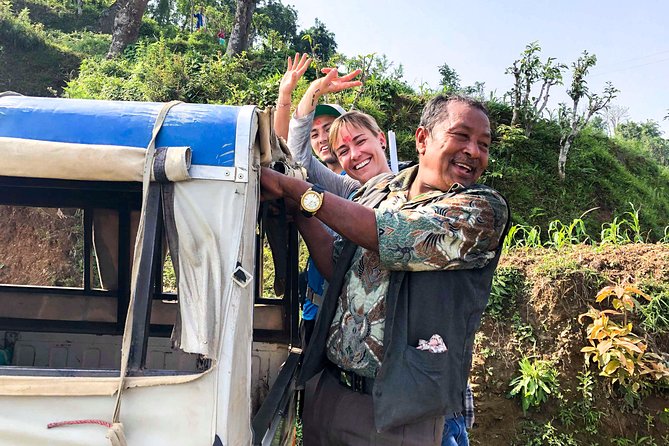
After breakfast, you travel from Kathmandu to Pokhara Lakeside on a 6–7 hour highway ride with views of villages and the Trishuli River. You arrive, then spend the evening strolling near the lake and preparing for the trek.
This part is more than downtime. Pokhara is where you reset your body and your gear habits. If you’ve been stressed from flights and city traffic, this lake evening is where you’ll start feeling like the trip is real.
You also sleep in a hotel that night, which is a nice change of rhythm compared with the homestays that come later.
Khairenitar to Bankewa: your first homestay night
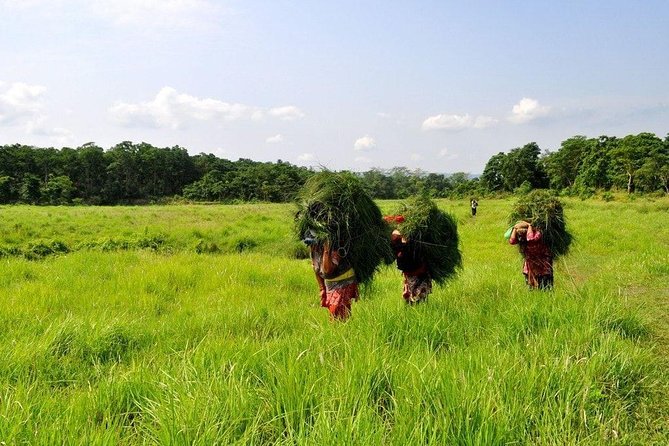
The trek begins after reaching Khairenitar (28 km) by bus or car, depending on group size. From there, you start walking toward Bankewa, with the first night spent in a home with the hosts. A welcome program is arranged by the village community, which is a big clue about the tone of the trip: you’re not dropping in like a guest at a museum, you’re expected to participate in the shared moment.
This first trekking day is important for two reasons:
- It gives you the “rules of the trail” early—pace, rest breaks, and how to handle uneven walking surfaces.
- It helps you adjust mentally to homestay life. When you know what a typical evening looks like on Night 1, later nights feel less surprising.
The Magar Samaj Hall day: walking, holy rivers, and shaman night
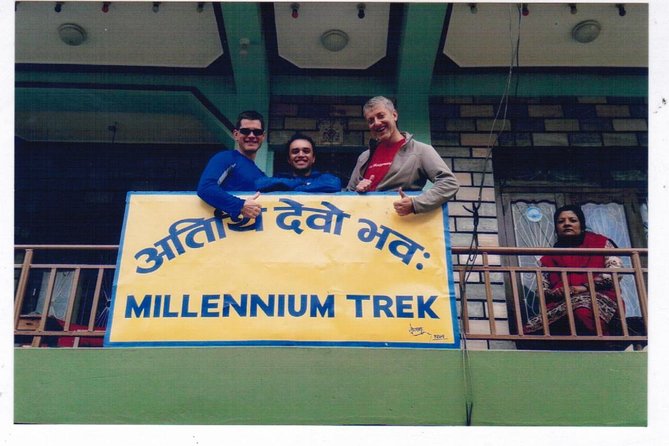
One of the most memorable itinerary elements is the day centered on Khairenitar Magar Samaj Hall. The walking includes a lot of down-or-flat sections, plus views of mountain ranges and village areas. You’ll pass stone ways, cross bridges, and do an easy walk along the Surdaudi River.
The cultural stop is at PyuriDobhan, described as holy because three sacred rivers meet there. Later, you’ll attend a shaman show and evening prayers. This is the part of the trek that turns it from “nice hiking” into something culturally active.
A note to keep expectations grounded: a shaman show and prayers are religious/cultural events. You’ll likely be asked to observe respectfully and follow your host or guide’s guidance on how to participate—or when to just watch.
Gurunghe Hill: Lamagaon climbs and Gharedi village life
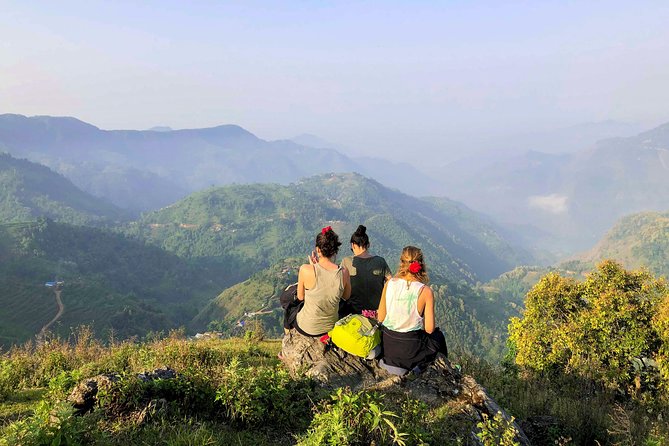
From the day that starts around Gurunghe Hill, you’ll get more climbing. You begin with a local breakfast, then head up through a steep mountain route, passing smaller villages.
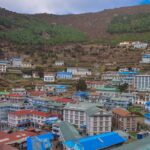
You’ll meet the Gurung village of Lamagaon, then after lunch you’ll head down toward Gharedi, described as one of the larger villages in the trekking region. This is another day where the itinerary isn’t only about scenery. It’s about learning how different ethnic groups live—through everyday routines, not just performances.
This is also a good day to keep your “comfort gear” simple and effective: water, a sun layer, and shoes that handle slippery stones. The route may not be at extreme altitude, but your feet will do plenty of work.
Millennium Cave and Kolma: waterfalls plus the payoff viewpoint
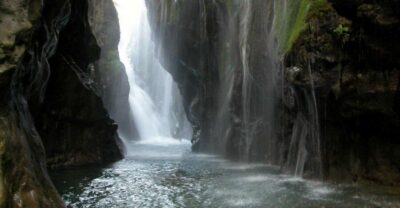
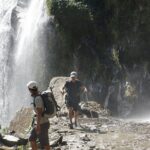
This is the centerpiece walking day. You start by walking down toward Millennium Cave, described as a cave with waterfalls. You’ll spend time there, then continue walking up toward Kalkhu village, and finally reach Kolma village for the night.
The itinerary flags this as a hard day walking up. That’s usually your sign the payoff is real. As soon as you reach the viewpoint, the effort is supposed to feel worth it, and the village setting at that height gives you the kind of horizon that makes you stop talking for a minute.
If you’re the type who plans photos like a checklist, try something different here: take fewer pictures, spend more time listening. In rural cave-and-hill terrain, the quiet is part of the experience.
Rangrung Newari nights: ThuloHattiya and local food
After breakfast, you head toward Rangrung, passing many small villages and scenic views along the way. After a couple of hours from Pyarsing, you reach Rangrung and observe ThuloHattiya.
You spend a night in the center of a Newari village with locals, and the itinerary specifically calls out Newari traditional cuisines. That’s a great example of how this tour earns its authenticity. You’re not only hearing about food. You’re eating it in the setting where it’s made and served.
The plan repeats Rangrung again the following day. In practice, that usually means more time walking between nearby village spots, more conversation with hosts, and another night among the same community—ideal if you like slower cultural rhythm more than constant transit.
Practical note: some travelers love the consistency of homestay meals; others find repetition. If you’re picky, bring a few simple snacks you can tolerate daily (something you can handle even on days when the menu feels similar).
Tibetan camp after Seti gorge: community life, not a quick photo stop
Next, you walk down to the Kyangdi River, cross it, then reach Lalim village before slowly entering the Tibetan camp. This is one of the five Tibetan camps in Nepal. The itinerary mentions that Tibetans settled there as refugees after the Chinese invasion of Tibet.
You’ll observe their lifestyle and community. That matters because it frames the visit as people’s lives, not an attraction. You’re there to watch, learn, and understand how community systems rebuild after displacement.
After crossing the Seti gorge, you’ll also observe the popular rock garden. Then you head back toward Pokhara by bus/jeep depending on group size. The nice part of this day is that you don’t have more walking after that sequence—your body finally gets a full break.
Pokhara Museum and the return to Kathmandu
Pokhara wraps with sightseeing and a Pokhara Museum stop (admission included in the itinerary). You’ll have time to take in the classic lake city vibe, plus mountain panoramas and caves. The plan also leaves room for the relaxed rhythm that Pokhara is known for.
Then you drive back to Kathmandu by deluxe coach or jeep, taking about 7–8 hours, with stops along the way for scenery. You’ll arrive back in Kathmandu Valley and be transferred to your hotel.
On the final day, a representative meets you at your hotel and escorts you to the airport based on your flight schedule. You’re aiming for airport check-in 3 hours before departure, with a farewell lunch or quick coffee and some souvenir shopping.
Who this trek suits best (and who should rethink)
This trek fits you if you want a cultural trail where your daily route includes real conversations and homestay life. You’ll likely enjoy it most if you’re okay with simple accommodations, local cooking, and a schedule that moves at community pace, not big-hotel convenience.
The trip is also flexible in the sense that guides have been known to adjust travel to individual needs. One review snippet mentions adapting the itinerary for a traveler with a hip injury. So while it’s not a stroll, the operation doesn’t feel robotic.
It may be less suitable if you:
- need very predictable meal variety every day
- want a pure nature trek with minimal cultural events
- dislike long travel days that include major road time between Kathmandu and Pokhara
So, should you book the Millennium Homestay Trek?
If your dream Nepal trip is real village contact plus a guided plan that handles the details, I’d say book it. Millennium Cave, PyuriDobhan’s sacred rivers, and the Tibetan camp visit give the itinerary depth beyond a simple hiking route.
Do it with eyes open: it’s walking-heavy, it depends on weather, and homestay life means you should be flexible about meals and daily routines. If that sounds like your kind of adventure, this one is worth the money.