REVIEW · BRUNATE
Lake Como: Easy Mountain Trek with Funicular & Boat Ride
Book on GetYourGuide →Operated by Slow Lake Como · Bookable on GetYourGuide
A boulder in the clouds? That’s just Day One—this small-group trek mixes a funicular climb, village walks, and a payoff boat ride over Lake Como. I love the guide-led stories and the lunch at a hillside baita; the views feel like you’re inside the map. The catch: the downhill is steep and mostly steps, so bring good shoes and don’t plan this as an easy stroll.
Meet your guide outside the Como–Brunate funicular, about a 5-minute walk from Como Lago station, and you’ll start moving quickly. The route drops about 400 meters on the way down, but it’s paced with stops for landmarks like Santa Elisabetta and Pietra Pendula. Guides such as Mikael and Fiamo tend to talk with real passion, which makes the hike feel more connected than a list of viewpoints.
In This Review
- Key highlights at a glance
- Funicular-to-Boat: the smart way to see Lake Como from above
- Como meeting point and the climb to Brunate (about 7 minutes of payoff)
- The mountain walk: woods, villages, and a Roman-trail feel
- What makes the walking portion worth it
- The real consideration: downhill effort
- Santa Elisabetta viewpoints and Pietra Pendula: the best “wow” stops
- Monte Piatto and Santa Elisabetta
- Pietra Pendula: the suspended boulder stop
- A note on pacing at these stops
- Piazzaga lunch at a baita, plus Massi Avelli and the descent toward Torno
- Why I think this lunch is good value
- The route details you’ll actually notice
- Torno: the final big view before the boat
- Torno boat cruise back to Como: why the water finish matters
- Price and included value: what you’re really paying for
- Who this 6-hour trek fits best (and when to skip it)
- It’s a good fit if:
- Be careful if:
- Book it or skip it: my practical call
- FAQ
- How long is the Lake Como funicular, trek, and boat ride?
- Where do I meet the guide in Como?
- What transportation is included during the day?
- What’s included in the lunch at the baita?
- What should I wear or bring for this hike?
- Is this trek really easy?
- How many people are in the group, and what languages are offered?
Key highlights at a glance
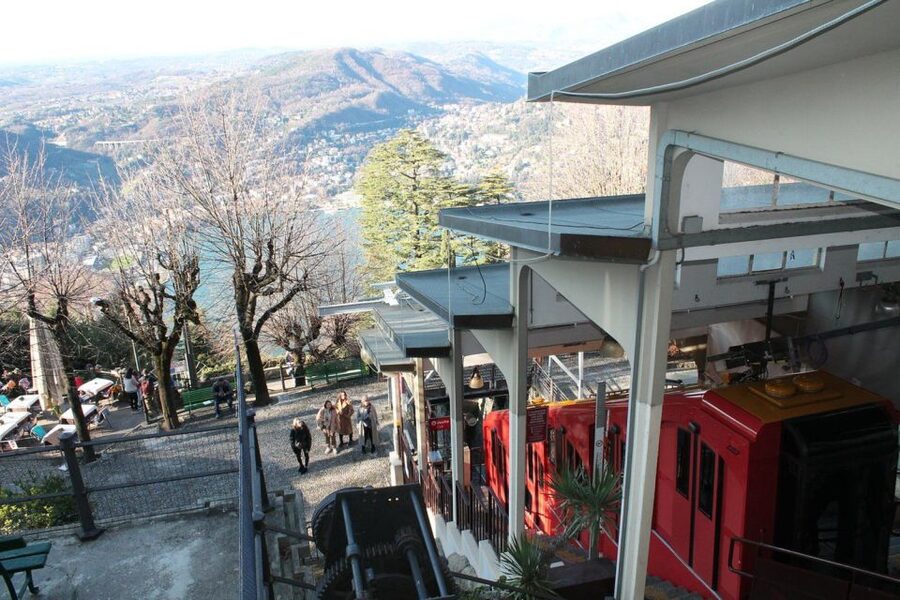
- Funicular to Brunate: a quick cable ride that sets you up for big views fast
- Village-to-village mountain walking: Blevio, plus areas like Sorto and Cazzannoro
- Ancient Roman trail: part of the route runs through woodland on historic paths
- Pietra Pendula stop: see the suspended boulder firsthand and get context from your guide
- Lunch in a baita at Piazzaga: warm food with local ingredients before the final descent
Funicular-to-Boat: the smart way to see Lake Como from above
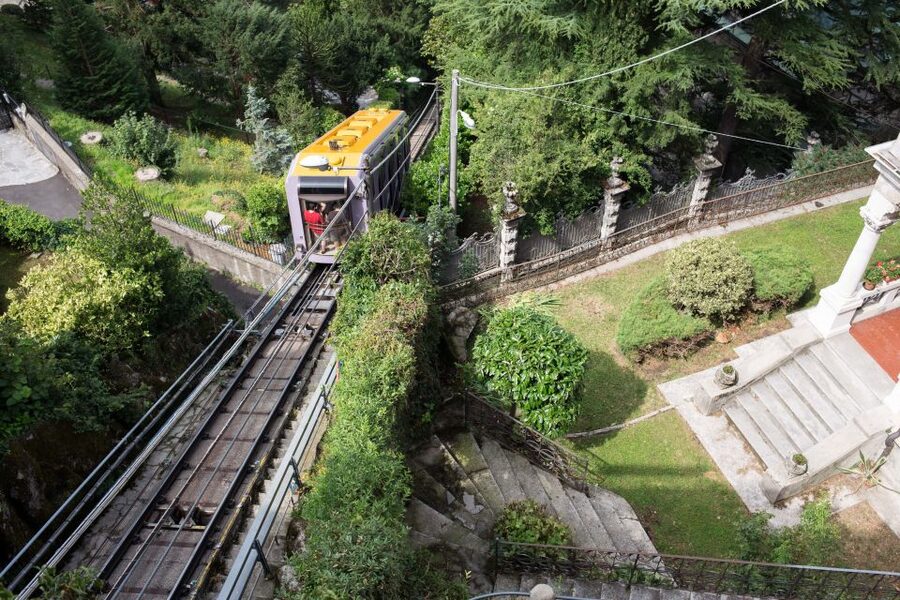
Lake Como can be a little tricky to “do right.” If you only bounce between towns by ferry, you miss the hillside bones of the place. If you only hike, you miss the classic lake finish. This tour solves both problems by stacking the day in three modes: cable train up, a guided mountain walk through villages, then a boat ride back down over the water.
You also get a more local rhythm. Instead of starting in traffic-heavy lakeside spots for hours, you climb out of town early and spend your best daylight hours on foot. The boat at the end is not just a reward; it’s how you reset your eyes. After hours of stone steps and woodland shade, the wide lake views land differently.
One more reason I like this format: the route naturally mixes “photo stops” with actual time walking. You’re not just hopping from one viewpoint to another. You’re moving through real places, with pauses to catch your breath and hear what you’re looking at.
Como meeting point and the climb to Brunate (about 7 minutes of payoff)
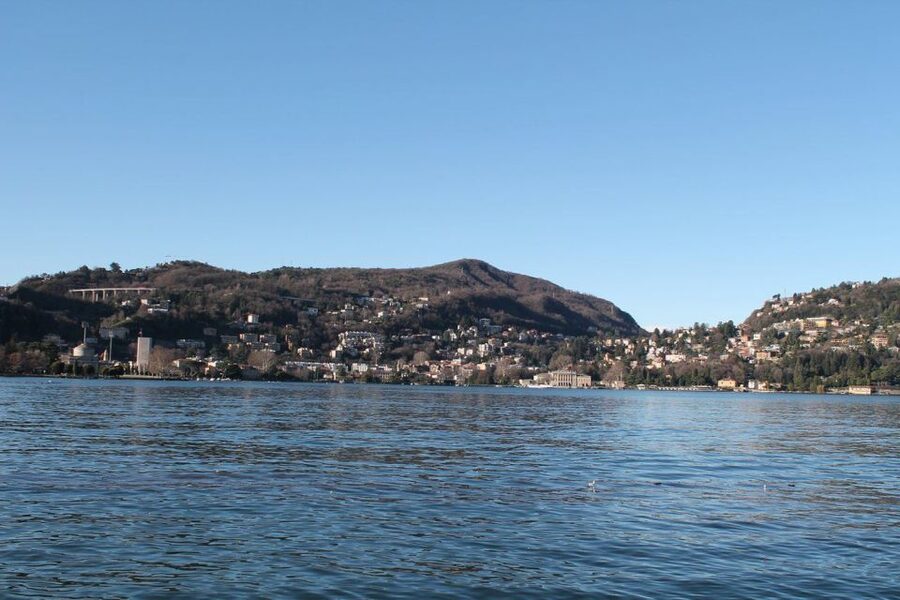
You start at the funicular station in downtown Como, meeting your guide right in front of it. It’s a short walk—about 5 minutes—from Como Lago train station, which matters because this is a day that runs on schedule. You’ll want a comfortable buffer for getting there, grabbing water, and putting on your jacket before the climb.
Then comes the funicular ride up to Brunate—about 7 minutes. That short ride is one of the clever parts of the tour. It gets you above lake level quickly without burning the day on steep climbing at the start. Brunate is where the lake views start to feel “layered”: towns, coves, and ridgelines all show up at once.
After you arrive, you spend about 30 minutes on the way and in the opening stretch of viewpoints. This is a good time to slow down and get your bearings. You’ll hear the guide connect what you see—lake shapes, hillside settlements, and why these heights mattered historically and practically in this region.
Practical tip: If weather is even slightly changeable, keep your jacket handy. The lake can look sunny while the hillside feels cooler and windier as you climb.
The mountain walk: woods, villages, and a Roman-trail feel
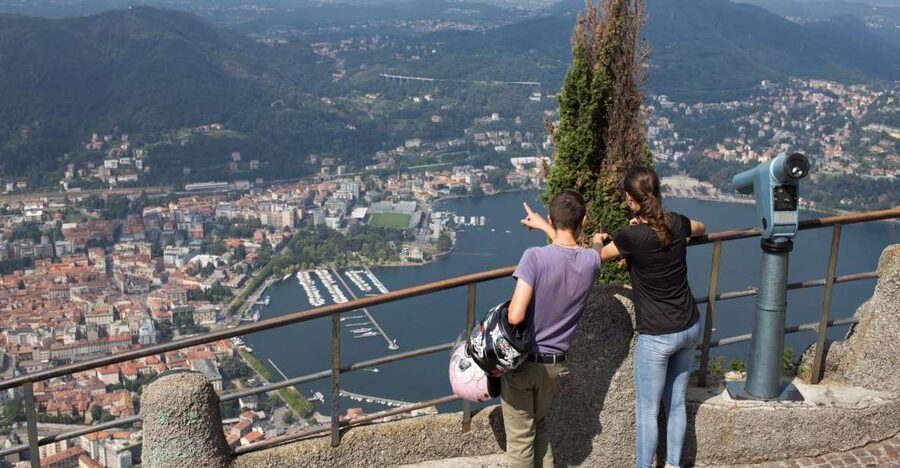
Once you’re up on the hillside, the tour shifts into walking. The longest continuous stretch is the part through Blevio, with about 2 hours of walking. You’ll move along scenic paths that cross mountain areas including Blevio, Sorto, and Cazzannoro.
This is also where you get that ancient Roman trail vibe—part of the route runs along historic paths through the woods. Even if you’re not a “history person,” you’ll feel the difference in the path. It’s not just a modern sidewalk trail. It has that older, carved-in feel where the route follows terrain that people have used for a long time.
What makes the walking portion worth it
- You’re not walking in a single straight line. The path threads between small communities and views.
- Your guide fills in what the landscape means: how different hamlets sit along the slopes and how the lake reads from above.
- Woodland sections offer a natural break from sun and give your legs a quieter rhythm.
The real consideration: downhill effort
The tour is described as suitable even for untrained walkers, but that description comes with a big “but.” The steep downhill grade is about 400 meters, and a review noted that much of it is steps. That means your calves and knees will feel it even if your heart rate is manageable.
If you know you’ll struggle on stairs or long descents, this is the moment to be honest with yourself. You’ll want hiking shoes with grip and a way to manage step fatigue. Take shorter steps, hold the trail rail if there is one, and don’t race the group.
Santa Elisabetta viewpoints and Pietra Pendula: the best “wow” stops
The route includes several landmark moments that break up the hike and give you clear reasons to look up and around.
Monte Piatto and Santa Elisabetta
As you continue toward the hamlet of Monte Piatto, you’ll reach a panoramic viewpoint from the church Santa Elisabetta. This is one of those stops where your eyes do the work. From here, Lake Como stops being a single destination and becomes a whole system—shorelines, curves, and hillside towns all layered against the water.
You don’t need fancy photography skills. Even with a phone on low power, you can get a keeper shot if you wait for the wind to calm and take in the wider view for a few seconds.
Pietra Pendula: the suspended boulder stop
Next is Pietra Pendula, described as a gigantic boulder suspended on the apex of limestone rock. The stop includes a brief visit and walk—about 10 minutes.
This is where your guide’s role really matters. A boulder hanging like that can feel like a made-for-postcard trick. A good guide explains how it fits into the area’s geology and why this looks the way it does in the moment you’re standing there.
A note on pacing at these stops
These landmarks are short. Don’t treat them like long break times. Use them to catch your breath, drink water, and re-set your stride for the next walking segment. That’s how the hike stays enjoyable instead of turning into survival mode.
Piazzaga lunch at a baita, plus Massi Avelli and the descent toward Torno
Eventually you reach Piazzaga for lunch. This part of the day is one of the big reasons the tour feels complete rather than “just a hike.”
Lunch runs about 1 hour at a typical baita, with local freshly prepared food. The included meal is structured (1 entrée, 1 main à la carte), plus water, house wine, and coffee. Even if you only finish part of the entrée course, you’ll still leave satisfied because the lunch is built for people walking all morning.
Why I think this lunch is good value
A funicular ticket plus a boat ticket already costs real money. Then you add a guided hike and a proper sit-down meal with drinks included. For many day trips around Lake Como, the hidden cost is food—either you pay a premium on the waterfront, or you settle for snack-bar leftovers. Here, lunch is part of the experience and part of the timing.
The route details you’ll actually notice
Between the viewpoint stops and lunch, you’ll pass through a small village area and continue onward through the route toward Torno. Along the way, you’ll see Massi Avelli, which the tour calls out as a fascinating stop.
And during the hike, you’ll also cross the mountainside path winding through characteristic villages. This is the difference between “a hike with views” and “a route that feels like a real day in the region.”
Torno: the final big view before the boat
After lunch, you keep walking—about 45 minutes to Torno. This is your last descent into a pretty town where you can take one last breathtaking view over the lake.
This is a key moment. You’ll be tired, your legs will feel the earlier step-downs, and the last viewpoint helps your brain connect the full loop of the day. When you finally see Torno from the right angle, the earlier climb makes sense.
Torno boat cruise back to Como: why the water finish matters
The day ends with a boat cruise of about 30 minutes from Torno, bringing you back toward the funicular area in Como.
That half-hour on the water does two things well:
- It changes how you feel physically, because your legs stop working while you’re still moving through the scenery.
- It changes how you see the lake, because you now view it from a shoreline town you just walked into.
After hours above the water, the boat makes the lake feel like one connected space again. You’ll notice details you couldn’t see from the hillside—how the towns sit along the curves and how the ridgelines frame the water.
If the funicular is closed (see FAQ), the boat can be replaced by a bus ride. That still gives you a return option, but the sensory payoff won’t be the same. The boat is part of why the day feels like a loop rather than a one-way trek.
Price and included value: what you’re really paying for
The price is $203.91 per person, and the honest way to judge value here is to look at what’s included.
You’re not just buying an entrance ticket. Your day includes:
- A live guide
- The funicular ticket up to Brunate
- The boat ticket back
- Lunch at a baita with a full meal structure, plus water, house wine, and coffee
That bundle matters because it cuts down “decision friction.” You don’t have to navigate public transport on a tight schedule, and you don’t have to hunt for food in the middle of a hike.
Also, the tour is small—limited to 10 participants. On a route with steep descent and multiple stops, a small group usually means fewer bottlenecks on stairs and better pacing when you reach landmarks.
Finally, you’re paying for the guide’s job: explaining the area as you walk through it. The reviews you provided highlight that guides like Mikael and Fiamo bring the experience to life with information and passion. That’s not a “nice-to-have” on this kind of day; it changes your connection to what you’re seeing.
Who this 6-hour trek fits best (and when to skip it)
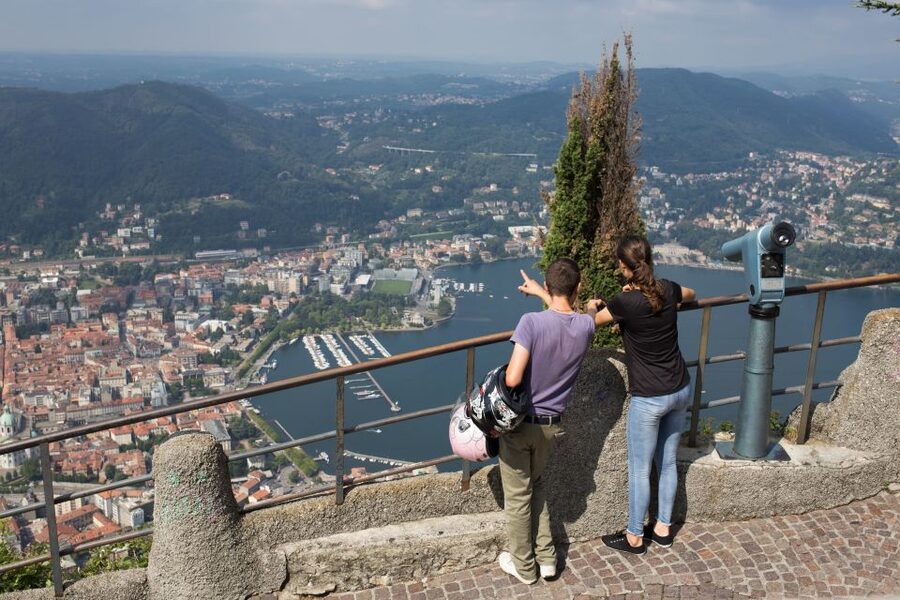
This tour is built for people who can handle hours on foot and don’t mind a hilly day with steps.
It’s a good fit if:
- You’re comfortable walking for several hours with a mix of woodland paths and village sections
- You want a combination of views + local rhythm, not just ferry hopping
- You like guided storytelling that helps you understand the lake’s layout from above
Be careful if:
- You don’t do well on steep downhill sections. The tour includes a vertical downhill gradient of 400 meters.
- You have back problems, mobility impairments, or need wheelchair-friendly routes (this one is not suitable for those needs).
If you’re a solid hiker but not a stair lover, you can still enjoy this by planning your pace. Go slow on descents. Keep your hands ready for balance. Use breaks to reset your legs before the next segment.
And pack the essentials: hiking shoes, water, and a jacket. The jacket part is not a fashion choice here. The hillside can feel cooler than downtown, especially as you move above the lake breeze.
Book it or skip it: my practical call
I’d book this if you want one organized day that covers the funicular climb, a mountain walk through historic-feeling paths, lunch at a baita, and then a boat cruise finish. The structure is tight, the payoff is visual, and the lunch makes the day feel like a real outing instead of a “quick snack stop.”
I’d skip it if your knees or back don’t handle steep stairs and descents well, or if you’re hoping for a mostly level, casual stroll. Even though it’s marketed as suitable for untrained walkers, the downhill is a real feature of the route, not a minor detail.
If you’re the type who enjoys getting out of your comfort zone for a few hours—while still getting a guided plan—this is a strong Lake Como choice.
FAQ
How long is the Lake Como funicular, trek, and boat ride?
The total duration is 6 hours. It includes time on the funicular, several walking segments, a lunch stop, and a boat cruise.
Where do I meet the guide in Como?
Meet your guide in front of the funicular station in Downtown Como. The meeting point is about a 5-minute walk from Como Lago train station.
What transportation is included during the day?
You ride the cable funicular from Como to Brunate, and you return by boat from Torno. If the funicular is closed for maintenance in late March or early April 2025, the boat ride is replaced by a bus ride.
What’s included in the lunch at the baita?
Lunch is included with 1 entrée, 1 main course à la carte, plus water, house wine, and coffee.
What should I wear or bring for this hike?
Bring hiking shoes, water, and a jacket. The route includes steep descents and long time walking in the woods.
Is this trek really easy?
It’s suitable for walkers and even untrained walkers, but it includes steep descents. The vertical downhill gradient is 400 meters, and you’ll be walking on paths with steps.
How many people are in the group, and what languages are offered?
The group is limited to 10 participants. The live guide offers English and Italian.