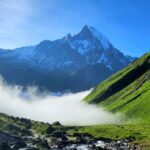
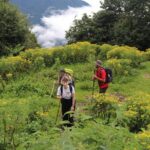
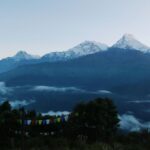
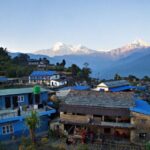
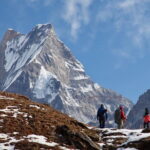
Snow-capped views without the crowds. That is the appeal of the Mardi Himal Trek: a shorter run through Nepal’s Annapurna region with big mountain moments, including Machapuchare, plus forests, rivers, and streams that feel remote. I also like that you get a practical, guided setup with tea house accommodation and meals taken care of along the way, so you can focus on the trail and the views. One thing to keep in mind is the pacing: even though it is described as suitable for average fitness, you still climb up to around 3300m, so plan for a steady, no-rushing kind of effort.
What makes this trek special is that it is not one of the busiest “name-brand” routes, yet it still delivers those classic high-Himalaya rewards. I like the way the guide-and-porter team is described as responsible and supportive, with names like Shuhil Gurung and Phul Gurung showing up repeatedly in accounts of great guidance. The possible drawback is simple: since hotels in Kathmandu and Pokhara are not included, you’ll want to budget extra nights and transport outside the trek itself.
In This Review
- Key things you will care about most
- Why Mardi Himal in five days feels different from the big Annapurna routes
- Getting to Kande and out from Siddhing: the Pokhara logistics that matter
- What $500 includes (and why it is usually good value here)
- Day-by-day rhythm: forests, rivers, and the climb toward 3300m
- Day 1: start from Kande and ease into the Annapurna region
- Middle days: rhododendron, forest time, and rising mountain views
- Approaching the main altitude: around 3300m
- Final day: back down and out via Siddhing
- Machapuchare and snow-capped views: how to time your best moments
- Tea houses and meals: the daily comfort you will actually remember
- Your guide and porter team: the human factor that makes this trek feel safe
- Pacing and fitness: what average fitness really means on this route
- Who should book this trek, and who might want another option
- Should you book the Mardi Himal Trek 5 Days?
- FAQ
- How long is the Mardi Himal Trek in this package?
- What is included in the trek price?
- Are porters included?
- Which permits are covered?
- Where is the trek start and what time does it begin?
- Can I cancel and still get a full refund?
Key things you will care about most
- Route that climbs toward ~3300m with forests, streams, and mountain viewpoints
- Machapuchare views as a main highlight in a fast, 5-day format
- Tea house lodging + 3 meals a day (breakfast, lunch, dinner) with tea or coffee
- Permits handled for you: ACAP and TIMS
- Porter support with a 1 porter for 2 people setup (no porter for solo trekkers)
- Guides praised by name in multiple experiences, including Shuhil Gurung and Phul Gurung
Why Mardi Himal in five days feels different from the big Annapurna routes
Mardi Himal is one of those treks people recommend when they want the Himalaya feeling without the constant shuffle of the most famous trails. In a short timeframe, you still get the key ingredients: a climb, changing scenery, quiet forest time, and then the payoff of big snowy peaks in the distance.
The reason this trek lands well for many visitors is timing. Not everyone wants a long multi-week trek, but you still want real altitude scenery, not a quick photo stop. This route is built around that middle ground—a compact trek with a serious view payoff.
You can also read our reviews of more tours and experiences in Pokhara.
Getting to Kande and out from Siddhing: the Pokhara logistics that matter
This trek is organized around Pokhara, and you do not have to figure out all the back-and-forth travel on your own. The included transport covers Pokhara to Kande at the start and Siddhing back to Pokhara at the end.
One practical note: the listed meeting start time is 8:15 pm. That can throw people off if they expect an early-morning departure. Plan to stay flexible and ask your operator for the exact pickup plan after confirmation, especially since the trip offers pickup and is described as private.
Also, the tour is marked as near public transportation. That helps if you are the kind of person who likes a backup option, or if you arrive in Pokhara on your own schedule.
What $500 includes (and why it is usually good value here)
At $500 per person, the price looks straightforward, but what makes it worth analyzing is what is bundled into that number. Here is what you are covered for:
- Local transport: Pokhara to Kande, and Siddhing to Pokhara
- Meals: breakfast, lunch, dinner each trek day, plus tea or coffee
- Permits: ACAP and TIMS
- Tea house accommodation for the trek
- Porters: 1 porter for 2 people
- Government taxes
That combo matters because many treks nickle-and-dime you on the basics. Here, the critical items—food, lodging style, and permits—are taken care of. In other words, you can pack and hike without worrying about where permits come from or whether your meals will be inconsistent.
What is not included is also important:
- Hotels in Kathmandu and Pokhara
- Transportation between Kathmandu and Pokhara (and any domestic flights)
- Personal expenses
- Tips for guide, porters, and driver
So the real value question is this: if you already planned Kathmandu or extra nights in Pokhara, you’ll still pay those separately, but you are not paying twice for the core trek services. If your plan is mostly focused on getting onto the trail fast and hiking with support, this package tends to make sense.
Day-by-day rhythm: forests, rivers, and the climb toward 3300m
The trek runs about 5 days. The structure is built around gradual climbing, overnight tea house stops, and a steady push up until you reach the high point area around 3300m.
Day 1: start from Kande and ease into the Annapurna region
You begin with included transport from Pokhara to Kande, then you hit the trail in the Annapurna region. The early hiking time is where the “feel” of the trek kicks in: small paths, forest sections, and the sense that you are moving away from the town rhythm.
A big part of the appeal here is the ancient rhododendron forest. You also pass rivers and streams, so you get more than just uphill views—you get that steady soundtrack of water and a cooler, shaded hike when the sun is strong.
Middle days: rhododendron, forest time, and rising mountain views
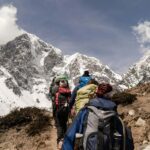
As you go higher, the vegetation and the mood change. The trek overview points to forest and alpine terrain as the route climbs. One thing you can count on is variety: you will spend time in tree cover and then gradually shift into open high-mountain scenery.
In experiences shared by trekkers, there is also a repeated mention of moss forests and alpine trees, which fits the way this region looks as it transitions upward. If you like walking where the trail is not just dirt and rocks—where you can actually notice plant life and texture—this is a good fit.
Approaching the main altitude: around 3300m
The route climbs out to around 3300m. That means your days can feel more effort-heavy than you might expect from a “5 days” label. The climb is part of why the views land so well later.
Expect a mix of concentration and patience here. This is not a sprint trek. You will want a pace that lets you breathe steadily and save energy for the viewpoints and the next day.
Final day: back down and out via Siddhing
The end is built around transport from Siddhing back to Pokhara, so you will finish with a downhill rhythm compared to the middle of the trek. You still spend the day on foot, but the big mental shift is knowing that tea house nights are ending and Pokhara comfort is ahead.
Machapuchare and snow-capped views: how to time your best moments
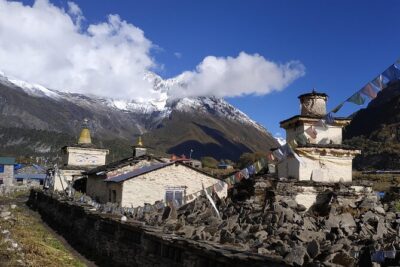
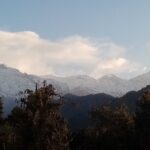
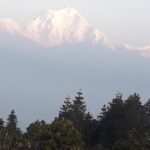
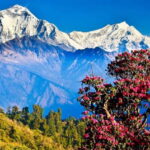
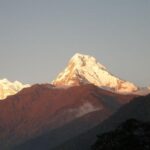
The highlight is the mountain scenery, especially Machapuchare, which is mentioned as part of the trek experience. You are also climbing into a zone where the air tends to feel sharper, and the views can look dramatic when clouds cooperate.
A practical way to handle this: pay attention to your mornings and keep your schedule flexible for short view breaks. On treks like this, the best window often depends on weather, so you cannot plan it like a museum visit. You can, however, plan your energy so you can spend a few extra minutes at viewpoints without getting wiped out.
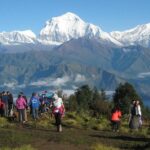
Also, since this is becoming more popular in a short time, you might see more people than you expected on some days. That does not mean it is crowded all the time, but it is wise not to assume you will have every viewpoint alone.
Tea houses and meals: the daily comfort you will actually remember
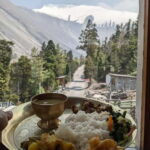
This trek is built around tea house accommodation. That usually means basic rooms, shared dining spaces, and simple meals that keep you moving. The good news here is that meals are included—breakfast, lunch, and dinner—with tea or coffee, so you are not constantly making decisions on what to eat.
One reason trekkers sound happy about this kind of setup is consistency. When your food timing is stable, you can focus on walking, hydration, and rest. And when the group has a guide who understands the rhythm of the route, you spend less time negotiating logistics and more time hiking.
Your guide and porter team: the human factor that makes this trek feel safe
This is where the trek shines. Multiple experiences describe guides as professional, responsible, and genuinely helpful, with support that goes beyond just reading a map.
Names that come up in accounts include:
- Shuhil Gurung and Phul Gurung as strong guide leadership
- Sobit and Robin in solo or small-group experiences
- Sandesh in another group setup
One particularly telling detail: one trek experience highlights a guide going beyond duties to forage seasonal vegetables and mushrooms. You are not guaranteed that on every trip, but it signals something important—this team understands local food sources and tries to make the trek tastier and more varied.
On porters: you get 1 porter for 2 people, which is a big deal if you pack heavier than you planned. You carry yourself, but you do not carry everything. For solo trekkers, the listing states there is no porter, so you will want to pack with extra discipline.
Pacing and fitness: what average fitness really means on this route
The trek is described as suitable for most people with moderate physical fitness. Translation: this is doable, but it will not feel “easy.” You are hiking for multiple days, and you climb up toward 3300m.
Your best strategy is plain:
- Keep a steady pace
- Expect some uphill fatigue
- Drink water even when you do not feel thirsty
- Build in short breaks, not long ones
If you have health concerns, ask your operator before booking. The listing does not promise medical support, and this is still a mountain trek. Bring layers too—temperatures can change fast once you are higher.
Who should book this trek, and who might want another option
This trek makes sense if you:
- Want a short Himalayan trek with major scenery
- Prefer a route that is usually less packed than the most famous options
- Like forests and streams, not just viewpoints
- Value included basics like permits, meals, and tea house lodging
It may be less ideal if you:
- Want full-service comfort start to finish, since Kathmandu and Pokhara hotels are not included
- Are a heavy packer and rely on a porter; solo trekkers do not get one in this plan
- Expect a relaxed stroll with minimal altitude work; climbing to around 3300m is still a commitment
Should you book the Mardi Himal Trek 5 Days?
If you want the Annapurna feel in a time-efficient package, I think you should strongly consider booking. The included structure—permits (ACAP and TIMS), meals, tea house stays, and transport—takes a lot of stress out of the trek. Add in the repeated praise for guides like Shuhil Gurung and Phul Gurung, and you get a trip that is not only scenic, but also run with care.
Only you can decide if 5 days fits your body and schedule. But if you are comfortable hiking steadily and you can handle a climb to around 3300m, this is a very solid choice.
FAQ
How long is the Mardi Himal Trek in this package?
The trek lasts about 5 days.
What is included in the trek price?
Included items are Pokhara to Kande and Siddhing to Pokhara transport, three meals a day (breakfast, lunch, dinner) with tea or coffee, ACAP and TIMS permits, tea house accommodation, and porter support (1 porter for 2 people) plus government taxes.
Are porters included?
Yes for shared groups: the plan is 1 porter for 2 people. For solo trekkers, no porter is included.
Which permits are covered?
The package includes ACAP and TIMS permits.
Where is the trek start and what time does it begin?
The trek is based in Pokhara and includes transport to Kande. The listed start time is 8:15 pm, and pickup is offered.
Can I cancel and still get a full refund?
Yes. You can cancel up to 24 hours in advance of the experience start time for a full refund. If you cancel less than 24 hours before, the payment is not refunded.