REVIEW · KATHMANDU
Ghorepani Poon Hill Trek
Book on Viator →Operated by Everest Glacier Trek Pvt Ltd · Bookable on Viator
Poon Hill sunrise is the payoff. This 6-day Ghorepani Poon Hill trek strings together Kathmandu-to-Pokhara road time, easy-to-moderate hiking days, and those famous mountain-color mornings, all run with an English-speaking guide and guided pace. I also like how the route balances forest walking with village stops, so you see more than just viewpoints, and you end each day with somewhere real to sit, eat, and recover.
What I really like most is the way the trek is structured for beginners and first-timers without feeling babysat: you work through Ulleri, Ghorepani, Poon Hill, and Ghandruk with a clear rhythm, and the support keeps you moving at your own speed. Another big win is the logistics: transfers are handled with tourist/local buses, plus trekking permits and taxes are included, so you’re not juggling paperwork mid-trip.
One consideration: the package doesn’t include a porter service, so you’ll carry your own day pack. If you’re not used to hiking with a load, plan smart and keep your essentials light.
In This Review
- Key highlights to look for
- Why the Ghorepani Poon Hill Trek Works So Well for First-Time Trekkers
- Kathmandu to Pokhara: The Tourist Bus Start That Sets Your Pace
- Day 2: Ulleri and the Ullied (But Beautiful) Stone-Step Climb
- Day 3: Rhododendron Forest to Ghorepani, Plus That Sunset Moment
- Day 4: Poon Hill Before Dawn, Then Breakfast and More Walking
- Day 5: Ghandruk and the Gurung Village Feeling (With a Proper Lunch)
- Day 6: Back to Kathmandu and the Post-Trek Mental Reset
- Price and Value: Is $650 Worth It for a 6-Day Poon Hill Trek?
- Your Guide Matters: How Support Shows Up on the Trail
- What You’ll Really Do Each Day (So You Can Plan Realistic Energy)
- Logistics That Save You Time: Permits, Meals, and Transfers
- Should You Book This Ghorepani Poon Hill Trek?
- FAQ
- How long is the Ghorepani Poon Hill Trek?
- What time does the trek start each day?
- Is pickup included?
- What transfers are included during the trek?
- Are permits and taxes included?
- What meals are included?
- What is the cancellation policy if plans change?
Key highlights to look for
- Poon Hill sunrise timing that puts you on the trail before dawn
- Rhododendron forest hiking as you climb toward Ghorepani
- Gurung village culture in Ghandruk with a calmer, authentic feel
- Transfers handled by bus so you spend less time figuring out routes
- Meals and guiding included (with multiple breakfasts, lunches, and dinners)
- Guides like Hari and Hari Bhatta often get singled out for attentiveness and safety
Why the Ghorepani Poon Hill Trek Works So Well for First-Time Trekkers
The Annapurna foothills can be a perfect training ground. The Ghorepani Poon Hill trek hits that sweet spot where you get high-mountain drama without committing to weeks on the trail. The hiking days are long enough to feel like a real trek, but they’re broken up with villages, guest-house nights, and a steady climb that doesn’t jump straight to the hardest sections.
I also like that the experience is built around two kinds of reward. First, you get the obvious one: the sunrise view from Poon Hill. Second, you get smaller but just as meaningful moments: stone steps through village edges, forest paths with changing light, and time to talk with people in the places you pass through.
And the group setup matters. This is run as a private activity for your group, so you’re not stuck in a mixed-speed free-for-all. Start time is set for 7:00 am, which helps everything stay predictable.
You can also read our reviews of more tours and experiences in Kathmandu.
Kathmandu to Pokhara: The Tourist Bus Start That Sets Your Pace
Your trek begins with a road transfer from Kathmandu to Pokhara by tourist bus. This isn’t just about getting there. It’s a useful on-ramp. You’ll get several hours to watch the changing scenery and settle your mind into travel mode rather than forcing immediate hiking right after arrival.
Pokhara is a great place to reset. You’ll check into your hotel, then you have time to unwind near Phewa Lake, which is a nice contrast to the trail days ahead. If you’re coming in from Kathmandu tired (common), the hotel downtime is not wasted time.
A small practical detail: the schedule assumes you can handle long-ish travel windows plus trekking later in the week. If you arrive in Kathmandu with minimal rest, I’d build in at least one comfortable night before day one if you can.
Day 2: Ulleri and the Ullied (But Beautiful) Stone-Step Climb
After the transfer to Nayapul, the walking starts in the Annapurna region. From there, you follow the Modi Khola River route through villages and forested sections. Then come the stone steps that rise toward Ulleri.
Ulleri is a classic trekking village stop. It’s the kind of place where your day feels like it has a point: you’re climbing, but you’re also moving through lived-in areas rather than only wilderness. The views keep you motivated, and the effort feels earned when you arrive at night.
One thing I’d watch for is pacing. Days like this can feel manageable at first, and then the steps quietly add up. The best advice is to hike steady, not fast. If you tend to rush, you’ll pay for it later when the group slows down or the air gets cooler.
Day 3: Rhododendron Forest to Ghorepani, Plus That Sunset Moment
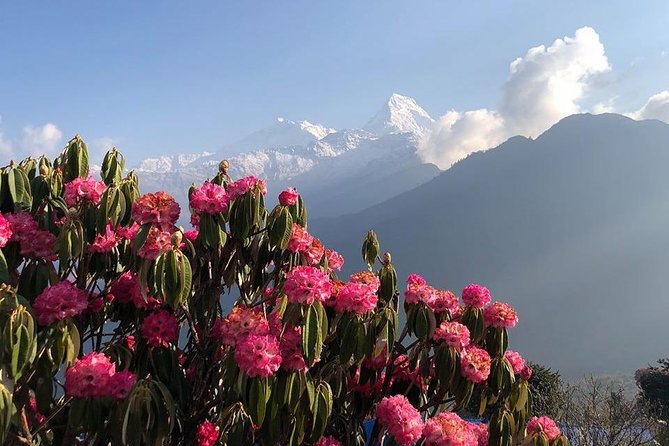
Day three is about ascent through forest and then arriving at Ghorepani, a mountain village where the atmosphere changes from daytime trekking energy to evening mountain-watching.
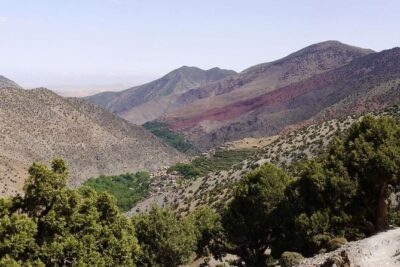
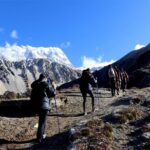
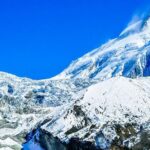
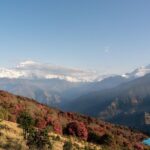
The big feature here is the rhododendron forests. When conditions line up, you can get color along the trail, and even when blooms aren’t at peak, rhododendron-covered slopes still bring a lush, sheltered feel. You’ll climb and pick up broader views of the Annapurna and Dhaulagiri ranges.
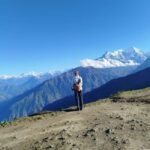
You also get something important that many short treks skip: a chance to arrive with enough daylight to enjoy evening scenery. The route sets you up to see a sunset over snow-capped peaks from the Ghorepani area.
This is also where altitude awareness matters, even though this is a shorter trek. If you feel even slightly “off” (headache, unusual fatigue, nausea), slow down. Drink water consistently. Your guide can help you decide when to push and when to rest.
Day 4: Poon Hill Before Dawn, Then Breakfast and More Walking
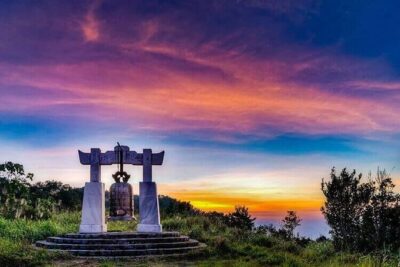
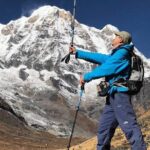
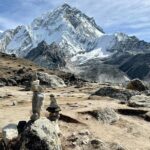
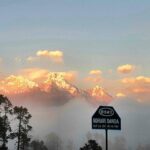
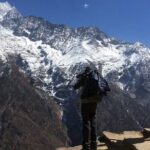
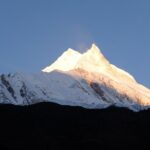
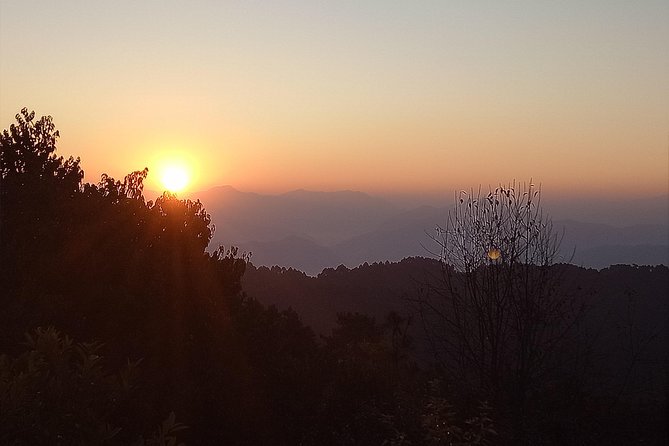
This is the day everyone talks about, and for good reason. You’ll rise before dawn and hike up to Poon Hill for sunrise views. The payoff is the moment the first light hits the peaks. The sky shifts colors, the mountains sharpen, and the whole area feels like it’s waking up at once.
After the sunrise, you hike back to Ghorepani for breakfast. That part is more valuable than it sounds. It gives you calories right when your body needs them, before you keep walking.
Then the day continues toward Tadapani. This section matters because it turns the trek from a single big viewpoint mission into an actual journey through multiple valley and hillside scenes. You still get the big image from Poon Hill, but you’re also building real trekking time.
One drawback to consider here: early mornings can be rough. If you’re not a morning person, you’ll want to prepare for it mentally the night before. Getting warm fast matters too, because it’s typically chilly before sunrise.
Day 5: Ghandruk and the Gurung Village Feeling (With a Proper Lunch)
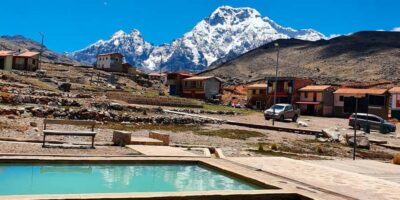
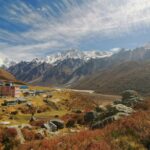
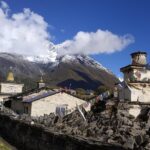
Your final trekking day includes a descent to Ghandruk, a village known for its Gurung culture and mountain views. Ghandruk tends to feel more settled and community-centered compared to the smaller trail clusters.
You’ll have time to explore the village and soak up the slower rhythm. Then you get a hearty lunch, which is exactly what you want on a day that starts with walking and ends with a travel transfer back to Pokhara.
After lunch, you’ll travel back to Pokhara by public bus. That’s another useful element for value: you finish the trek and then switch gears without having to plan transportation from scratch.
My practical tip: plan for the after-walk stiffness. Even on “short” treks, day five can leave your legs feeling it. Bring a little patience for the bus ride and give yourself time to stretch when you arrive.
Day 6: Back to Kathmandu and the Post-Trek Mental Reset
The final day is a scenic road drive back to Kathmandu. You’ll pass through villages and changing terrain, then reach the capital and reflect on the adventure you just completed.
This return day is not just a cooldown. It’s part of the trek’s emotional arc. You’ll likely notice how the trip telescopes in your mind: sunrise first, then rhododendron climbs, then village evenings.
If you have flexibility after arriving in Kathmandu, I’d schedule one light day rather than stacking big plans immediately. Your body will thank you, and your brain needs time to process what you did.
Price and Value: Is $650 Worth It for a 6-Day Poon Hill Trek?
At $650 per person, this Ghorepani Poon Hill trek sits in the mid-range for organized Nepal short treks. The value question comes down to what’s included and what you avoid dealing with yourself.
Here’s what you’re getting that reduces friction:
- Transport transfers by tourist bus (Kathmandu to Pokhara and back), plus local bus legs (Pokhara to Nayapul and Ghandruk to Pokhara)
- Trekking permits and government/local taxes
- An English-speaking professional guide
- Meals included: multiple breakfasts, lunches (4), and dinners (3)
- Private format for your group
- Confirmation at booking and free cancellation up to 24 hours before start time (and weather-related rerouting or refund if canceled)
What you’re not getting:
- Porter service is not included, so you handle your own pack weight
In other words, the price feels most justified if you want a smooth plan, a guide who handles route and timing, and meals already built in. If you’re confident doing logistics on your own and you don’t need guided pacing, you might find cheaper routes. But if you want fewer moving parts, $650 can be a reasonable trade for the convenience.
Also consider group discounts. If you’re traveling with friends, it can become even better value.
Your Guide Matters: How Support Shows Up on the Trail
This trek lives or dies on guide quality. The strongest theme tied to this route is how guides handle pace, safety, and small comfort details.
Guides such as Hari and Hari Bhatta are repeatedly described as attentive and caring. People highlight practical habits like making sure everyone is okay, checking on slower members of the group, and keeping the day comfortable with frequent breaks and help with needs on the trail. There’s also mention of guides taking plenty of photos, which is handy if you want sunrise shots without playing photographer roulette.
Safety shows up in the way a good guide manages energy. Early starts, long walk days, and descents can wear you down fast. When your guide keeps you moving steadily and responds quickly if something feels wrong, the trek feels calmer and more doable.
One note for expectations: you’re still responsible for your pace and your own fitness. A guide helps you succeed, but you’ll get the best experience if you hike at a sustainable rate and communicate how you feel.
What You’ll Really Do Each Day (So You Can Plan Realistic Energy)
Let’s translate the schedule into real-life effort so you can pack the right expectations:
- Day 1: Travel and settle in Pokhara, with time around Phewa Lake
- Day 2: Nayapul gateway walk, riverside valley route, then Ulleri stone steps
- Day 3: Rhododendron climbing to Ghorepani, with sunset mountain views
- Day 4: Pre-dawn push to Poon Hill, breakfast in Ghorepani, then onward walking toward Tadapani
- Day 5: Descent to Ghandruk, village time and lunch, then bus back to Pokhara
- Day 6: Return drive to Kathmandu and decompression time
If you’re coming in with only moderate hiking ability, you’ll likely do best if you treat every day as “long but manageable,” not “race to the end.” The trek is designed for moderate physical fitness, but you still need stamina for 6-ish hours some days and a longer early day around the sunrise.
Logistics That Save You Time: Permits, Meals, and Transfers
This is one of the quiet strengths of the package. Permits and taxes are included, which avoids the common headache of scrambling for paperwork. You also get a guide who can handle route decisions and timing so you don’t waste energy on navigation.
Meals are built into the schedule. You’ll have breakfast (listed as 5), lunches (listed as 4), and dinners (listed as 3). That matters because trekking hunger can make decisions feel worse than they are. When food is planned, you spend less time negotiating menus and more time hiking smart.
Transfers are handled for the big legs:
- Tourist bus between Kathmandu and Pokhara
- Local bus legs for the trekking start and finish
Because porter service isn’t included, the one thing you should plan yourself is pack weight. Keep essentials accessible and don’t bring your whole suitcase. You’ll feel the difference on step-heavy days.
Should You Book This Ghorepani Poon Hill Trek?
Book this trek if:
- You want a classic Annapurna short trek with the famous Poon Hill sunrise payoff
- You’re okay with early starts and daily walking, and you fit the “moderate fitness” target
- You want less planning stress thanks to permits, guide support, and included meals
- You’d rather spend your attention on views and culture than on transport logistics
Skip or rethink if:
- You strongly dislike early mornings and pre-dawn hikes
- You need porter help for comfort (since porter service isn’t included)
- You’re not comfortable carrying your own day pack on hiking days
If you’re traveling as a group and can use the group discount, the value can be even better. With the guide support and route structure, this trek tends to be a smooth way to get your first real Himalayan sunrise experience.
FAQ
How long is the Ghorepani Poon Hill Trek?
The trek runs about 6 days.
What time does the trek start each day?
The experience notes a start time of 7:00 am.
Is pickup included?
Pickup is listed as offered, and the itinerary includes transfers by bus between Kathmandu and Pokhara.
What transfers are included during the trek?
Kathmandu to Pokhara and back are by tourist bus, and the legs from Pokhara to Nayapul and Ghandruk to Pokhara are by local bus.
Are permits and taxes included?
Yes. Permits for the treks and government and local taxes are included.
What meals are included?
The package includes breakfast (5), lunch (4), and dinner (3).
What is the cancellation policy if plans change?
You can cancel for a full refund up to 24 hours in advance. The experience also notes it requires good weather, and if it’s canceled due to poor weather, you’ll be offered a different date or a full refund.
If you tell me your hiking experience level and travel month, I can help you decide whether this schedule feels like a good fit and how to pace your days around the sunrise.