REVIEW · KATHMANDU
Everest Base Camp Trekking-14 nights/15 Days
Book on Viator →Operated by Himalayan Trekking Path (P). Ltd. · Bookable on Viator
The Everest Base Camp trek is the dream for a reason. This 15-day, 14-night walk takes you toward the roof of the world, with a guided setup that starts the moment you land in Kathmandu. You’ll also include domestic flying between Kathmandu and Lukla, then return to finish in Nepal with the logistics handled.
What I like most is the organized start and help with the first big hurdle: arriving in Kathmandu. You meet at Tribhuvan International Airport (start time 5:45 am), then get transfer to the hotel—so you can sleep, eat, and prep without scrambling.
Second, I like that the price covers the expensive “paperwork stuff.” National park fees, environmental management charge (the Reef Tax), local taxes, and handling charges are in the mix, plus hotel accommodation and the guiding team. One consideration: meals and drinks aren’t included, so you’ll still budget day-to-day food while you’re trekking.
In This Review
- Key things that make this Everest Base Camp plan work
- Kathmandu kickoff at 5:45 am: less stress, better pacing
- Flights to Lukla and back: where value shows up
- The guided walk toward Base Camp at 5,364 m
- Altitude reality: what good support looks like
- What’s included in the $1,600: value math that actually helps
- What you are paying for (and why it matters)
- What you still need to budget for
- The “group discounts” detail
- Equipment, weather, and the part you control
- Who this Everest Base Camp trek suits best
- Should you book Himalayan Trekking Path for Everest Base Camp?
- FAQ
- What time and where do we meet in Kathmandu?
- Are domestic flights to Lukla included?
- What’s included in the trek price besides guiding?
- Are meals and drinks included?
- Is my visa or international airfare included?
- Do I need travel insurance?
- What documents do I need at booking and on travel day?
Key things that make this Everest Base Camp plan work
- Airport-to-hotel support with an early 5:45 am meet keeps your trek from starting in chaos
- Kathmandu–Lukla–Kathmandu flights are included, which matters for time and energy
- Park and environmental fees are covered, so fewer surprises when you reach the checkpoints
- Professional guidance with real-world support is a recurring theme in guide feedback (Chandra, Ram, Sreekrishna)
- Baggage carried service helps you keep your pack lighter than a solo trek
- Private tour setup means your group stays the unit that gets the attention
Kathmandu kickoff at 5:45 am: less stress, better pacing
Most trek mistakes start before the hiking begins: late arrivals, lost time, and that awkward moment of figuring out where to go next. This itinerary takes a more practical route. You’re scheduled to meet at Tribhuvan International Airport (Ring Rd, Kathmandu) with a 5:45 am start time, and you get pickup and transfer to the hotel.
That early timing is a quiet advantage. By the time you hit the trekking days, you’re not burning energy on city logistics or wasting daylight trying to sort out gear. It also helps if you have a short stay in Kathmandu before you head out—because the plan isn’t vague. It gives you a real appointment and a real location.
One more detail I appreciate: the experience asks for passport information at booking (name, number, expiry, country). That’s not glamorous, but it prevents last-minute friction with travel documents. And yes, you’ll still need a current valid passport on travel day.
If you’re the type who likes to get your bearings fast, this kind of start helps a lot.
You can also read our reviews of more tours and experiences in Kathmandu.
Flights to Lukla and back: where value shows up
The included transportation is straightforward and important. You get KTM–LUK–KTM by domestic airlines included in the package. In plain terms: you’re paying for the big transport piece upfront instead of shopping it separately, and you’re avoiding the “who’s arranging what” problem that can pop up when flights are DIY.
Why does that matter? Two reasons:
1) It can protect your trekking schedule. Base Camp trekkers live and die by timing, because missed connections can knock the whole plan off.
2) It saves you from stacking more travel days on top of trekking days. Your body already has work to do at altitude.
Also, included staff and support details matter here too. The package includes staff food, accommodation, and salary, which generally means you’re not piecing together extra payments just to keep the team functioning. You’re not paying for a guide’s time only when you feel like it—the trip is staffed start-to-finish.
The catch is the one you’d expect in Nepal: flight planning is weather-sensitive. The experience notes it requires good weather, and it also says it operates in all weather conditions with appropriate dress. Translation: you should plan for changing conditions, and you should pack smart.
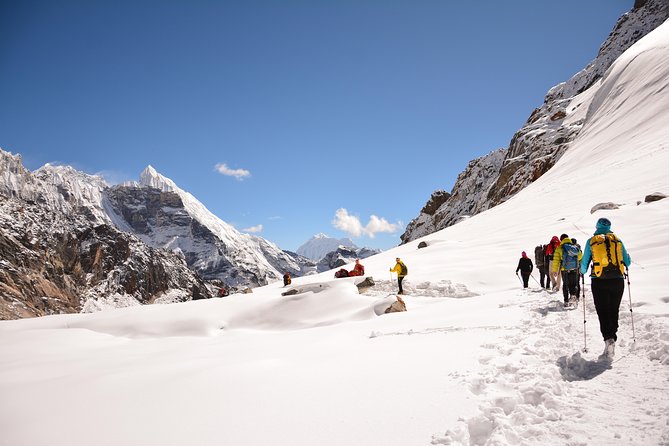
The guided walk toward Base Camp at 5,364 m
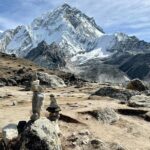
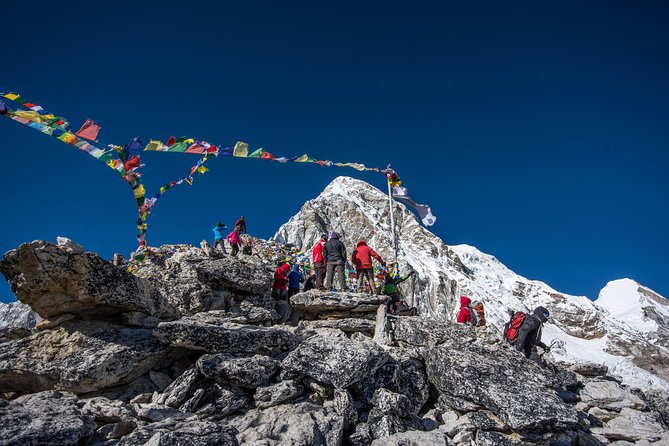
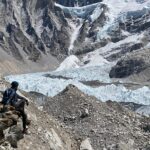
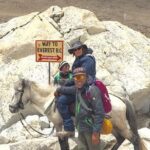
The headline goal is Everest Base Camp at 5,364 m. That number isn’t just trivia—it’s the reason this trek hits different. Even if you never feel “high altitude” on day one, your body will gradually notice the thinner air.
This is also where having the right kind of guidance counts. Feedback patterns from past trekkers repeatedly highlight strong support from named guides, including Chandra, Ram, and Sreekrishna. One solo trekker specifically called out help through altitude sickness, which is exactly the kind of real-world concern you want your guide to handle.
A guided EBC trek isn’t only about a map. It’s about:
- keeping you moving at a pace that doesn’t force panic decisions,
- helping you make sense of symptoms at altitude,
- and managing the daily rhythm of trekking and resting so you can actually get to the goal.
You should also know what this plan promises on the “comfort logistics” side. It includes accommodation per the itinerary and a baggage carried service. That usually means your heavy pack isn’t glued to your back all day. You still carry your day items, but it can make a huge difference when your legs are getting tired and your breathing is slower.
And since it’s a private tour/activity, you and your group are the unit being planned for, not one of many mixed groups passing through the same beds and meals.
Altitude reality: what good support looks like
Altitude on the Everest route is not optional math. Your brain wants to push. Your body often says, not today. The experience addresses this in a practical way through its staffing—professional guides and tour escorts/hosts are included.
You’ll see that reflected in guide-specific feedback:
- Chandra is described as supportive and knowledgeable, with attention to traveler comfort and confidence.
- Ram is mentioned as friendly and accommodating, the kind of guide who helps you feel welcome as the pressure builds.
- Sreekrishna comes up with support that helped a solo trekker through altitude sickness.
That isn’t just nice-to-have. It’s a safety and enjoyment factor. When you’re tired, cold, and breathing harder than normal, the difference between a good day and a bad day often comes down to how quickly you can respond to your body’s warning signs.
Here’s how to use this advantage well:
- Tell your guide early if you feel off (headache, nausea, unusual fatigue).
- Don’t treat slow pacing as failure. In high-altitude treks, it’s often the reason you make it.
- Use the included human support. Guides can’t fix the altitude, but they can help you manage how you meet it.
This is also why the experience asks for moderate physical fitness. You don’t need to be an athlete, but you do need a body that can handle multi-day walking and the slow climb toward 5,364 m.
What’s included in the $1,600: value math that actually helps
The price is listed at $1,600 per person for 14 nights/15 days. Whether that’s a good deal depends on what’s built in—and what isn’t.
What you are paying for (and why it matters)
Included items cover the core moving parts:
- Accommodation per itinerary
- Professional guide plus tour escort/host
- National Park fees and the environmental management charge (Reef Tax)
- Local taxes and handling charges
- Kathmandu–Luk–Kathmandu flights by domestic airlines
- Baggage carried service
- Hotel pickup and drop-off
On an EBC trek, park fees and taxes can feel like a black box if you’re booking everything separately. Having them in the package reduces that uncertainty. Add the included domestic flights, and the value becomes easier to see: you’re not paying twice for the biggest transport component.
What you still need to budget for
Not included:
- International airfare
- Visa fees
- Foods and drinks (plus drinks/snacks/dessert as extra costs)
- Travel insurance of guest
- Tips of staff
- Extra activities
This part is important because food is a daily expense in the trekking zone. If you budget tightly and then discover most meals cost extra, you’ll feel it. On the plus side, since meals aren’t included, you can choose how you eat day to day rather than being locked into a fixed menu.
The “group discounts” detail
The tour info notes group discounts. If you can travel with friends or family, it can improve value. Even with a private setup, discount logic can still matter depending on the operator’s structure.
Equipment, weather, and the part you control
The experience says it operates in all weather conditions, and it also notes the trek requires good weather. That can sound contradictory until you translate it like this: you should expect weather changes, but the operator won’t force you forward when conditions make it unsafe.
So, you’ll want to focus on what you control:
- Dress appropriately for cold and changing conditions (the itinerary explicitly asks you to do this).
- Bring layers that work when you stop moving.
- Plan your day around energy, not pride.
Also, the start time is fixed and early. That means your clothing and gear prep in Kathmandu matters. If you’re still packing at night, you’re more likely to forget gloves, warm layers, or a rain shell. And then you’ll buy them at a premium.
Who this Everest Base Camp trek suits best
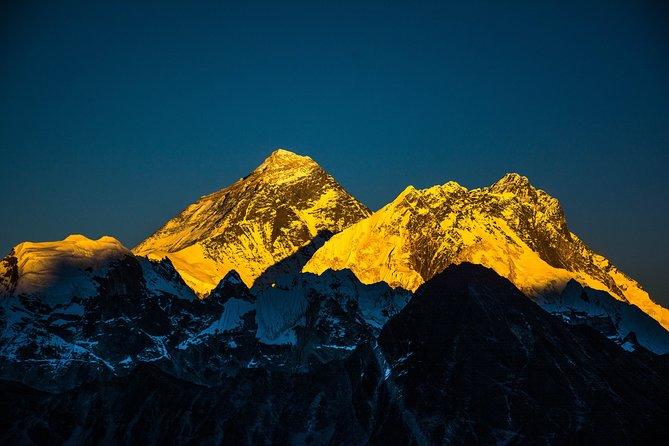
This plan is built for travelers who want:
- a guided trek with clear staffing,
- private tour attention for their group,
- help with transport inside Nepal (domestic flights),
- and a lighter day through baggage carried service.
It’s also a good match if you care about getting the “non-trekking” hassles handled. Meeting time, transfers, taxes, and park fees are already included, which means you can focus on your body and your day-by-day hiking.
Where you need to be honest with yourself:
- If you don’t want to manage meals and drinks yourself, you’ll have extra decisions and extra costs. Food isn’t included.
- If you’re not comfortable with travel-day logistics starting at 5:45 am, you might find the early wake-up tough.
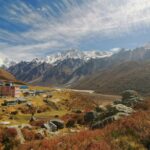
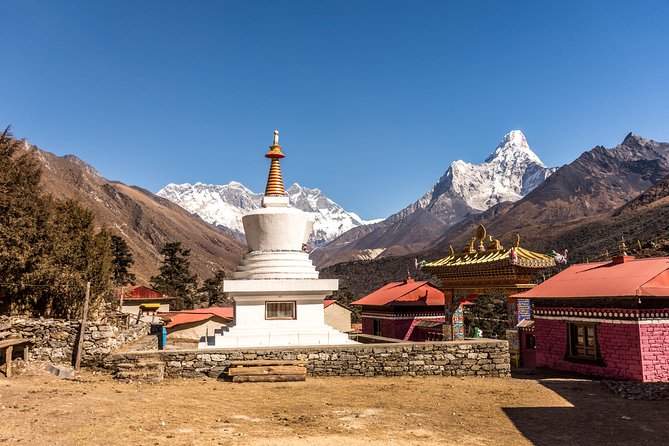
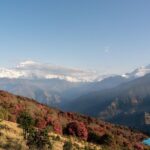
But if you’re ready for a classic Everest journey toward the world’s highest peak—surrounded by the bigger cast of summits in the region—this kind of guided, organized package is exactly what you want.
Should you book Himalayan Trekking Path for Everest Base Camp?
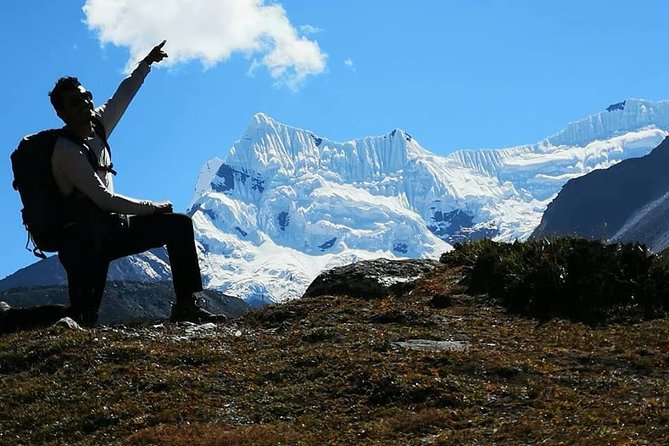
Based on what’s included and the consistent feedback themes tied to named guides, I’d treat this as a solid value option if you want a well-run operator that handles the heavy logistics. The strongest signals are:
- early Kathmandu support,
- included domestic flights (KTM–LUK–KTM),
- park and environmental charges handled in the price,
- and guide support that shows up repeatedly for comfort and even altitude illness help.
Before you book, do two practical checks:
- Confirm your budget for foods and drinks, since they’re not included.
- Decide whether a private group trek and early start time fit your style.
If you want a guided Everest Base Camp trek with the annoying logistics taken care of, this is the kind of plan that makes the dream easier to reach.
FAQ
What time and where do we meet in Kathmandu?
You meet at Tribhuvan International Airport (Ring Rd, Kathmandu) at 5:45 am.
Are domestic flights to Lukla included?
Yes. KTM–LUK–KTM flights by domestic airlines are included.
What’s included in the trek price besides guiding?
The price includes accommodation per the itinerary, park fees, local taxes, environmental management charge (Reef Tax), hotel pickup/drop-off, and baggage carried service.
Are meals and drinks included?
No. Foods and drinks are not included, and extra snacks or desserts are also not listed as included.
Is my visa or international airfare included?
No. International airfare and visa fees are not included.
Do I need travel insurance?
The tour info says travel insurance of guest is not included.
What documents do I need at booking and on travel day?
A current valid passport is required on the day of travel, and your passport details (name, number, expiry, country) are required at booking for all participants.