REVIEW · KATHMANDU
Dancing in the Manaslu Circuit Trek
Book on Viator →Operated by Master Himalaya Treks and Expedition · Bookable on Viator
A quiet Himalayan circuit feels rare. This trek around Mount Manaslu brings you through restricted-access villages and high passes like Larkya La (5,100 m), with culture turning up in the details. I like that the route is built for gradual change: you go from river valleys to thin-air crossings without rushing the rhythm.
What I’d also really like for your planning is the support level baked into the package. You get three full-board meals, a government-certified English-speaking guide, twin-sharing private rooms, and a first aid kit. One drawback to think about early: a porter is required, but it’s not included in the price, so you’ll want to budget for it and arrange it in time.
In This Review
- Key things to know before you lace up
- Why this Manaslu Circuit trek feels different from the usual routes
- The $1,390 price: what you’re paying for (and what you still must budget)
- Day-by-day: what each stage of the circuit really gives you
- Day 1: Kathmandu to the river valleys (Phedi Khola to Maccha Khola area)
- Day 2: Budhi Gandaki River walking, plus Tatopani’s hot-spring stop (Maccha Khola to Jagat)
- Day 3: Stone villages and steady valley trekking (Jagat to Deng/Salleri area)
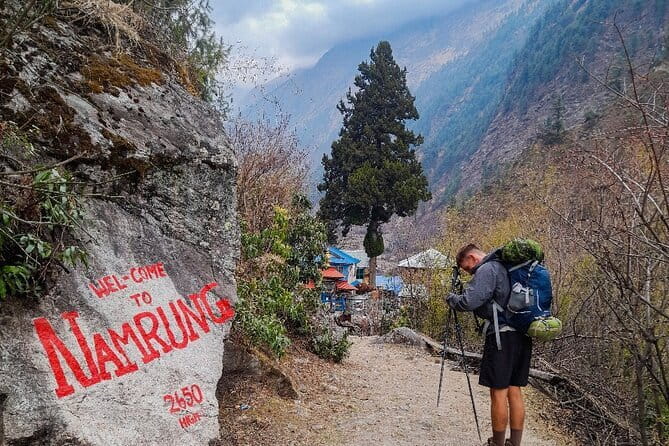
- Day 4: Prok village, mani walls, and forest walking (to Namrung)
- Day 5: Shyala village day, with the trail tightening (Namrung to Shyala)
- Day 6: Samagaun and the Pungeyn Gumpa hike (Shyala to Samagaun)
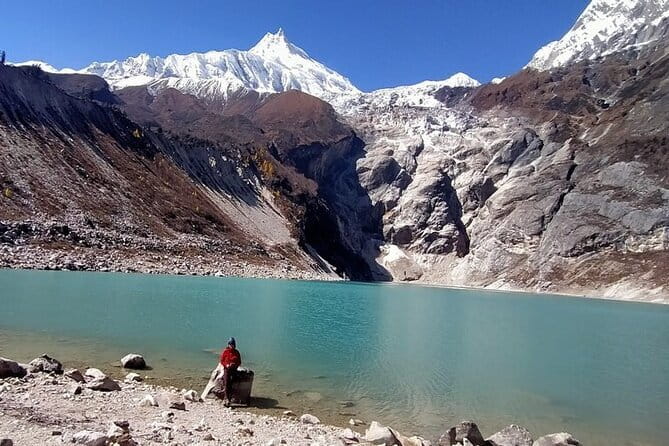
- Day 7: A true acclimatization day at Samagaun (Manaslu Base Camp / Birendra Lake option)
- Day 8: Toward Larkya La—Budhi Gandaki, a wooden crossing, and Larkya glacier views
- Day 9: Icy streams, Larke Bazaar, and the move toward Dharmasala
- Day 10: The challenging terrain day to Larkya La Pass—Cho Danda, Larkya Peak, four frozen lakes
- Day 11: Forest descent to Dharapani, crossing Dudh Khola, passing Karche Village
- Day 12: Jeep to Besisahar, then back to Kathmandu
- What support feels like: guide, rooms, meals, and porter planning
- Physical fitness and pacing: the part you should not wing
- Who should book this trek (and who might feel a mismatch)
- Should you book Dancing in the Manaslu Circuit?
- FAQ
- How long is the Manaslu Circuit trek?
- Where does the tour start and end?
- Are meals included during the trek?
- What transportation is included?
- Are permits and government taxes included?
- Do I need a porter?
- Is there pickup from Kathmandu?
Key things to know before you lace up
- Restricted access keeps it more personal: smaller numbers mean you’re less likely to feel like you’re hiking through a crowd.
- Acclimatization is built in: you get a dedicated day at Samagaun to adjust before higher passes.
- Local culture is not an afterthought: Tibetan-influenced villages, prayer flags, monastery moments, and even local music and dance show up along the way.
- A real high pass day is part of the plan: Larkya La sits at about 5,100 m, so your preparation matters.
- Meals and permits are handled: the trek includes required permits/taxes and full-board dining while you’re on the trail.
- Porter costs come separately: the trek requires a porter, and you can hire one from Kathmandu or Sotikhola.
Why this Manaslu Circuit trek feels different from the usual routes
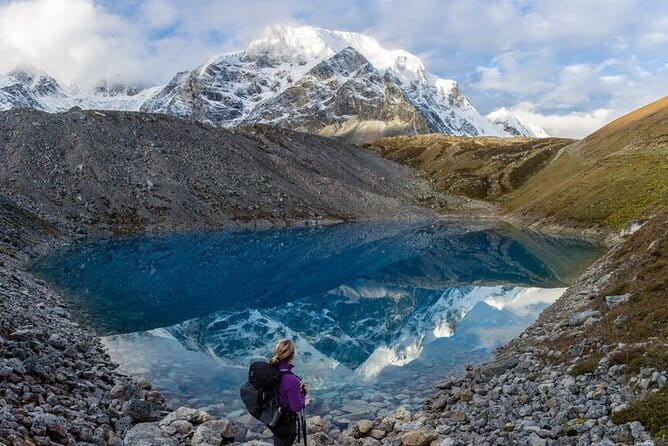
Most Nepal trekking itineraries get crowded for good reasons: big views, reliable tea houses, and a well-known route. The Manaslu Circuit works differently. Access is restricted, so the vibe tends to stay human-sized—less noisy, more village-to-village, and easier to notice how people actually live here.
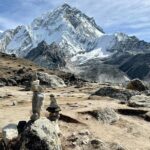
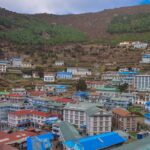
The cultural side is also a major reason to choose this trek. You’ll walk through Tibetan-influenced settlements with mani walls (those stacked prayer stones) and prayer flags you’ll recognize the way you recognize repeated symbols in a familiar place. Monasteries and quiet rituals add texture, and the trip is designed to include moments of local music and dance rather than treating culture as a quick photo stop.
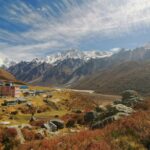
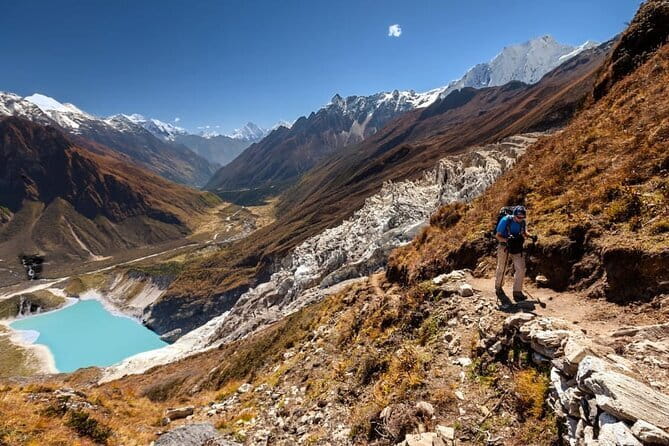
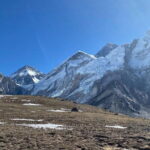
And then there’s the scenery shift, the kind you feel in your legs. You start in subtropical river valleys, move into deeper gorges and forested sections, and then face the stark high-altitude world around Larkya La. That change is part of the value: it makes the trek feel like a journey, not just a long line of uphill days.
You can also read our reviews of more tours and experiences in Kathmandu.
The $1,390 price: what you’re paying for (and what you still must budget)
At $1,390 per person, this isn’t a bargain-basement trek. But when you break it down, a lot of the expensive friction is handled for you.
Included value you can count on:
- Three full-board meals (breakfast, lunch, dinner) during the trekking days
- Required permits and government taxes
- Deluxe bus transfers from Kathmandu to Sotikhola and from Besisahar to Kathmandu
- Shared jeep from Dharapani to Besisahar
- A government-certified, fluently English-speaking guide
- Twin sharing private rooms
- A first aid kit
- A farewell dinner for the end of the trek
What you’ll still pay separately:
- Travel insurance
- Personal expenses (phone charges, laundry, hot water/mineral water if you want it)
- Tips
- A porter is required, but you must hire one (from Kathmandu or at Sotikhola)
So the real cost question for you is not just the $1,390. It’s whether you want to spend energy handling permits, meals, and logistics, or whether you want it built for you. If you prefer a guided, meal-covered plan with private rooms, this price starts to look fair fast.
Day-by-day: what each stage of the circuit really gives you
Day 1: Kathmandu to the river valleys (Phedi Khola to Maccha Khola area)
You drive from Kathmandu toward the trekking start, passing through rural villages and green hillsides. The plan includes the chance of changing vehicles along the way so you can continue onward toward Maccha Khola. This is one of those days where the main job is to get your head set: later, your legs will remember the first long sit in a vehicle.
What’s useful for you: a long travel day like this is a good time to test your boots, check blister spots, and plan your packing so you’re not hunting for things once trekking starts.
Possible drawback: you’ll be on the move for about 12 hours, so if you dislike long road days, factor that fatigue into your expectations for the first night.
Day 2: Budhi Gandaki River walking, plus Tatopani’s hot-spring stop (Maccha Khola to Jagat)
After breakfast at Maccha Khola, the trail follows the Budhi Gandaki River. You pass the natural hot spring at Tatopani, then trek into the restricted region and reach Jagat, known for stone houses and a rural feel.
This day matters because it sets the tone: you’re not just walking toward high points—you’re learning the rhythm of valley trekking. Rivers mean steady terrain and repeated views of how the valley is shaped.
What to watch: hot-spring stops can be tempting for soaking, but keep your gear dry and don’t let wet socks turn into a long-term problem.
Day 3: Stone villages and steady valley trekking (Jagat to Deng/Salleri area)
You trek onward toward Salleri and end at the Deng area. The day is long at about 12 hours, which tells you this itinerary leans into trekking time rather than short scenic strolls.
If you like the “walk, eat, repeat” pattern and you don’t mind days that feel continuous, you’ll feel at home here. If you prefer shorter days with extra rest, you might feel it by day 3 or 4.
Day 4: Prok village, mani walls, and forest walking (to Namrung)
You arrive at Namrung, with time to enjoy Prok village and mani walls, plus forest sections. This is the kind of day where culture and nature both show up. You get proof that this route isn’t only about altitude—it’s also about place.
For planning, this is a good day to bring out your curiosity. Watch how prayer symbols are placed and how villagers live near the trail. It makes the trek feel like you’re moving through communities, not only climbing mountains.
Day 5: Shyala village day, with the trail tightening (Namrung to Shyala)
Today you trek from Namrung to Shyala. The trek keeps stretching time on your feet, and the air usually feels different as you move higher.
Shyala is where you’ll likely notice that the trek starts to feel more remote. Guest houses and tea stops become more important for warm meals and keeping your routine steady.
Practical tip: plan to keep layers organized so you can adjust as the temperature drops in the afternoon.
Day 6: Samagaun and the Pungeyn Gumpa hike (Shyala to Samagaun)
You trek to Samagaun, plus hike to Pungeyn Gumpa. This is a strong combination day: village life plus a religious destination. It gives meaning to your climbs, because you’re not just gaining elevation for its own sake.
Days like this are also where your guide matters. Having an English-speaking guide who can explain what you’re seeing helps turn “I walked there” into “I understood what I passed.”
Day 7: A true acclimatization day at Samagaun (Manaslu Base Camp / Birendra Lake option)
This is your breathing room day. You take an acclimatization day, with an optional hike to Manaslu Base Camp and Birendra Lake. For high-altitude treks, this day is one of the biggest reasons to choose this itinerary. It’s not just theory—it’s practical scheduling.
If you go for the optional hike, keep it as a climb-with-control. The goal is altitude adaptation, not chasing a personal speed record.
Day 8: Toward Larkya La—Budhi Gandaki, a wooden crossing, and Larkya glacier views
You descend to the Budhi Gandaki River, cross a wooden bridge, and witness the Larkya glacier. This day is about transitions: from more sheltered trekking toward colder, higher terrain.
A wooden bridge day sounds small, but it’s exactly the kind of moment that sticks. It’s also when footing and wind start to feel more serious.
Day 9: Icy streams, Larke Bazaar, and the move toward Dharmasala
You trek through icy streams, pass Larke Bazaar, and ascend toward Dharmasala. Along the way, you go by monasteries and mani walls and enjoy views of the Larkya glacier.
Dharmasala is where you start thinking about the pass day ahead. The more carefully you protect your energy here, the better you’ll handle the final push.
Day 10: The challenging terrain day to Larkya La Pass—Cho Danda, Larkya Peak, four frozen lakes
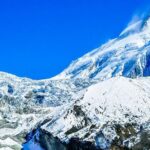
This is the big pass day. You move through challenging terrain to Larkya La Pass, with views of Cho Danda, Larkya Peak, and the four frozen lakes.
This is where you’ll feel every gear decision from earlier days: layers that keep you warm without overheating, gloves you can use on windy moments, and shoes/traction that don’t fight you. If you’ve done long high-altitude walks before, you’ll recognize the logic. If you haven’t, take it seriously and follow your guide’s pacing.
Day 11: Forest descent to Dharapani, crossing Dudh Khola, passing Karche Village
You descend through lush green forests, cross Dudh Khola, pass through Karche Village, and reach Dharapani. This day can feel like relief and also like a reminder that going down still works your knees.
Dharapani is a “you made it to the next level” stop. You’re dropping in altitude and returning closer to the valley feel.
Day 12: Jeep to Besisahar, then back to Kathmandu
You take a jeep drive from Dharapani to Besisahar, then a 5-hour drive to Kathmandu. It’s not a slow glide—it’s a return run that helps you close the trip cleanly.
What support feels like: guide, rooms, meals, and porter planning
The practical strength here is that the operation covers the big daily needs. You’re not solving the day’s questions while tired. You get breakfast/lunch/dinner included during the trek, twin sharing private rooms, and a first aid kit.
The guide component seems especially well-regarded. English-speaking, government-certified leadership helps when you’re trying to understand what you’re seeing—things like mani walls, monastery sites, and the cultural rhythm of the villages. In the real world, groups have been led by guides such as Bijaya, Tenji, and Lakpa, and that kind of consistent guidance can make the trek feel smoother and more meaningful.
One note you must act on: you require a porter, and the trek price doesn’t include that cost. You can hire a porter from Kathmandu or at Sotikhola, so plan ahead and don’t assume you’ll handle it last-minute.
My advice is simple: decide early how much you’ll carry. Even if you’re strong, a porter helps you keep your energy for the higher days. And yes, your body will thank you on day 10.
Physical fitness and pacing: the part you should not wing
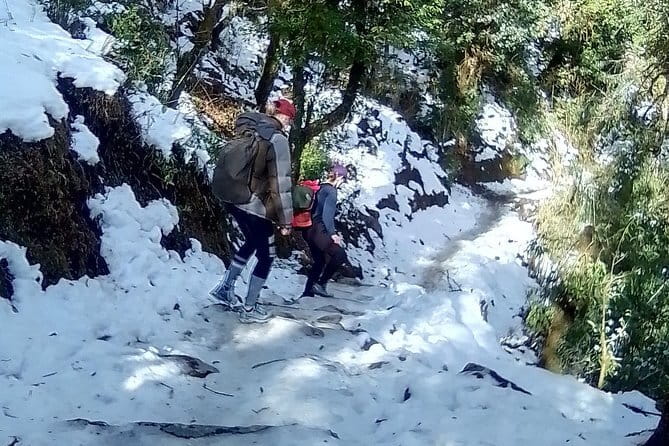
This is for people with moderate physical fitness. The days are long (often around 12 hours), and you’ll be walking in changing temperatures and air density as you gain altitude.
The acclimatization day at Samagaun is a smart element, but it’s still on you to walk steadily and not treat altitude like a video game. Drink water consistently, keep your layers manageable, and pace uphill like you’re saving energy for the next hour, not just the next viewpoint.
Also, Larkya La at about 5,100 m means weather can matter. The experience requires good weather, so your trek day flow can shift if conditions are poor.
Who should book this trek (and who might feel a mismatch)
This trek fits you if:
- You want the Manaslu Circuit with less crowding due to restricted access
- You care about Tibetan-influenced culture, monasteries, prayer flags, and music/dance moments
- You’re okay with long trekking days and a serious pass day at Larkya La
- You like having meals and logistics organized, with a private guide group setup
It might feel like a mismatch if:
- You dislike long vehicle days at the start/end
- You’re not ready for a demanding high-pass day
- You want a trek where all costs are included; here, porter cost is separate and required
Should you book Dancing in the Manaslu Circuit?
If you want a Manaslu trek that feels personal—more village-focused, with real cultural moments and a built-in acclimatization day—this is a strong choice. The included meals, permits, guide, and private rooms remove daily stress, which helps you concentrate on walking well and enjoying the route.
Before you book, do two things: budget for the porter, and be honest about whether you can handle long days plus one high pass at 5,100 m. If those boxes are checked, you’re set up for a trip that feels like a genuine Himalayan circuit, not a checkbox tour.
FAQ
How long is the Manaslu Circuit trek?
It’s listed as 12 days approximately, starting in Kathmandu and ending back at the Kathmandu meeting point.
Where does the tour start and end?
The start is at P897+443, Kathmandu 44600, Nepal. The activity ends back at the same meeting point in Kathmandu.
Are meals included during the trek?
Yes. The trek includes three full-board meals each day during the trek: breakfast, lunch, and dinner.
What transportation is included?
You get deluxe bus transfers from Kathmandu to Sotikhola and from Besisahar to Kathmandu. You also have shared jeep transportation from Dharapani to Besisahar.
Are permits and government taxes included?
Yes. Required permits and government taxes are included as part of the tour.
Do I need a porter?
Yes, a porter is required for the trek. You can hire one from Kathmandu or at Sotikhola, since porter costs are not included.
Is there pickup from Kathmandu?
Pickup is offered, and the meeting point is near public transportation.