REVIEW · KATHMANDU
Annapurna Circuit Trek with Tilicho Lake (16 Days)
Book on Viator →Operated by Sole Encounters Adventures · Bookable on Viator
One big goal: reach Tilicho Lake by foot. This 16-day Annapurna Circuit with Tilicho Lake and Thorong La Pass mixes high-altitude drama with real village days, plus a road-and-teahouse rhythm that keeps the trek from feeling like a survival contest. I like how the trip is paced with planned acclimatization, and I also like that the company runs tight logistics around transport, permits, and support staff.
I’m also impressed by the human side of the operation. In past trips, trekkers have highlighted clear pre-arrival communication from team members such as Prashant, and strong on-the-ground guidance from people like Prem, plus guide/support staff named Raj Rai and Suman. With a maximum group size of 14, and porter help set at a 2 trekkers to 1 porter ratio (plus an assistant guide per 5 trekkers), you should feel looked after without feeling herded.
One possible drawback: you’re still going to earn your altitude the hard way. The itinerary includes a high pre-dawn climb to Thorong La Pass (5,416m), and there’s no guarantee you’ll have big comfort extras like included drinking water or hot showers. Plan for basic teahouse conditions and bring your own strategy for staying warm and hydrated.
In This Review
- Key highlights worth your attention
- Kathmandu to Dharapani: settling in before the climb starts
- Manang Valley days: forests, villages, and an acclimatization plan that makes sense
- Siri Kharka to Tilicho Base Camp: where the trek turns intense
- Thorong La Pass (5,416m): the pre-dawn grind and the payoff
- Kagbeni and Lower Mustang: the Kali Gandaki corridor after the pass
- Pokhara finish: lakeside recovery and how to use it well
- Price and value: what $1,800 really buys on this trek
- Logistics that affect your comfort: group size, support ratio, and teahouse reality
- Should you book this Annapurna Circuit with Tilicho Lake trek?
- FAQ
- FAQ
- What are the starting and ending points for the trek?
- How long is the trek and what’s the route like?
- What are the highest points on the itinerary?
- What’s included in the price?
- What’s not included?
- Do I have a porter and assistant guide support?
- Where do you stay during the trek?
- What’s the maximum group size?
Key highlights worth your attention
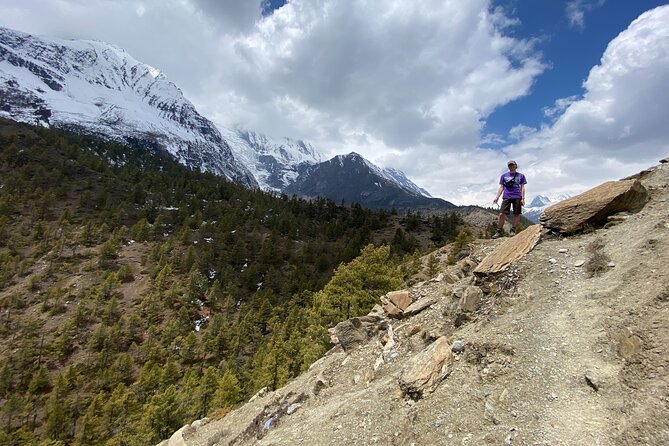
- Tilicho Lake at 4,919m: a high alpine detour that feels special because it’s not just “another pass day.”
- Acclimatization built into the route: a Manang day with optional hikes helps you get ready before the real altitude shows up.
- Thorong La Pass (5,416m) as a milestone: long, early push—then big relief as you descend toward Muktinath.
- Lower Mustang flavor after the pass: Kagbeni and the Kali Gandaki corridor bring a drier, more dramatic vibe.
- Teahouse + lodge mix, not hotel-heavy hiking: you’ll sleep in standard teahouses on trek, then get proper breaks in Kathmandu and Pokhara.
Kathmandu to Dharapani: settling in before the climb starts
Day 1 is all about landing and getting your bearings in Kathmandu. You’ll arrive at Tribhuvan International Airport, get a Namaste greeting from the local office reps, and transfer to a 3-star hotel in Thamel area for an included breakfast (and an easy start the next day). Thamel matters because it’s practical: you can handle last-minute gear needs, eat normally, and keep your day one stress low.
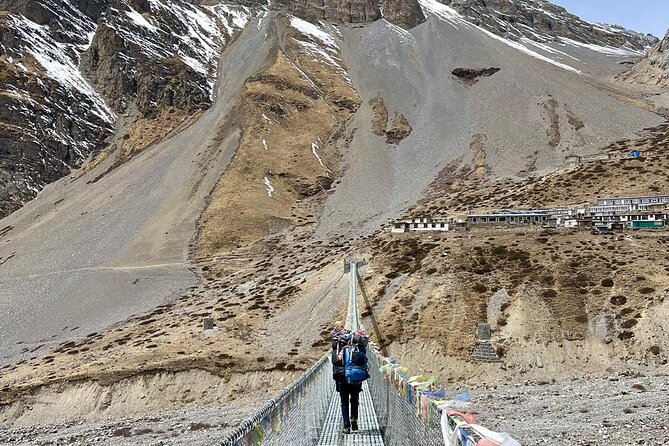
Day 2 turns Kathmandu logistics into trekking momentum. You’ll ride out toward the Annapurna region with stops that help you understand the setting fast: Trishuli River views, the junction town energy of Mugling, and then Besisahar (the launch area for the Annapurna Circuit). The final stop is Dharapani (1,960m), your first real trekking village.
What I like about this start is that it helps you respect the trek instead of rushing it. You go from city pace to mountain road, then to the first high village night. A small note: the driving day can be long. If you’re the type who gets sore in a seat, consider doing light stretching on the breaks so you don’t pay for it on day three.
You can also read our reviews of more tours and experiences in Kathmandu.
Manang Valley days: forests, villages, and an acclimatization plan that makes sense
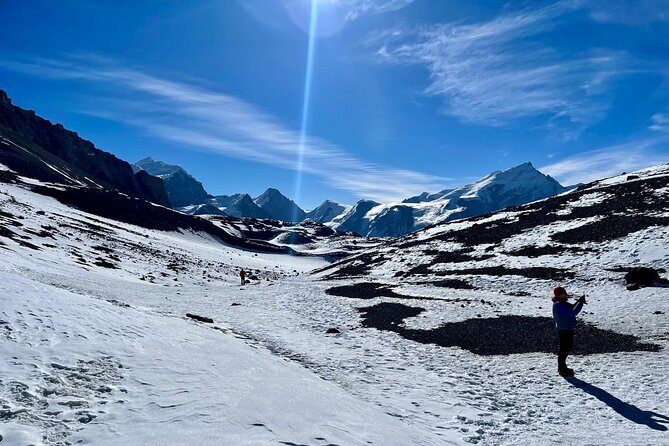
Days 3 through 6 build the trekking experience in layers. You’ll pass through Chame (2,670m) and Bhratang (2,850m), then reach the Manang hub (3,540m). This matters because Manang isn’t just a stop. It’s where culture and trail life mix: Tibetan-influenced architecture shows up, and the village becomes a base for the higher sections to come.
The itinerary also includes an acclimatization day in Manang (Day 6) with optional hikes you’ll choose with your guide. The route includes options such as a shorter climb to Gangapurna/nearby viewpoints and other adjustments designed to help your body adapt. That one day is one of the smartest parts of the whole plan, because it’s not “rest day” in name only—it’s controlled altitude management.
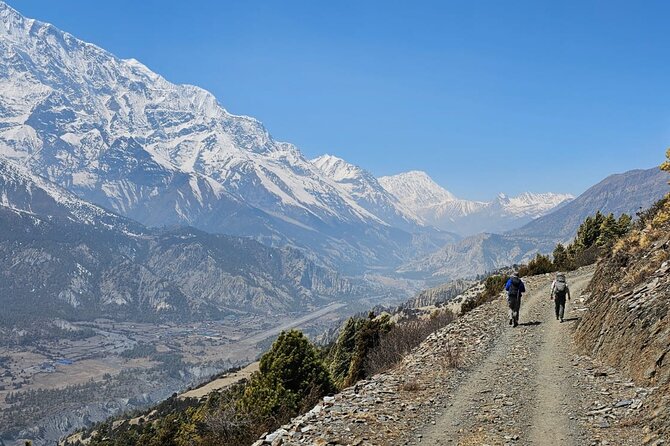
On Day 4 you’ll also get Upper Pisang (3,300m) and sweeping views of Annapurna II and Pisang Peak. Upper Pisang is visually rewarding, but it also signals what kind of trail you’re heading into: higher, more exposed sections where weather can shift and pack-weight becomes a bigger deal. If you tend to carry more than you need, this is the time to tighten your load.
One more practical thought: teahouses are included for overnight stays during the trek, but meals during the trek are not included (other than limited breakfasts and a couple of dinners). So plan to budget for your lunches and dinners at the lodges, and keep your appetite steady so you don’t start skipping food as altitude rises.
Siri Kharka to Tilicho Base Camp: where the trek turns intense
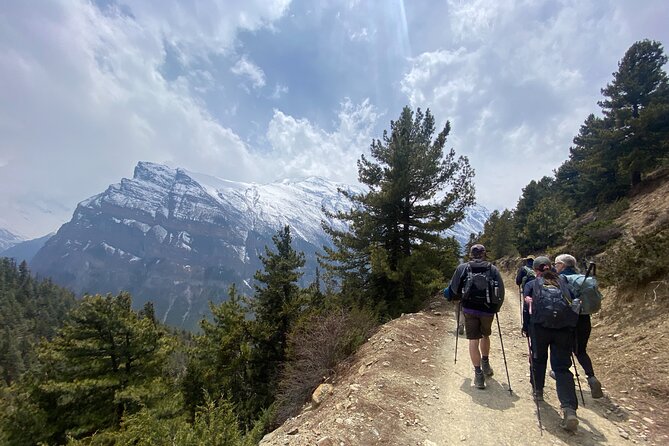
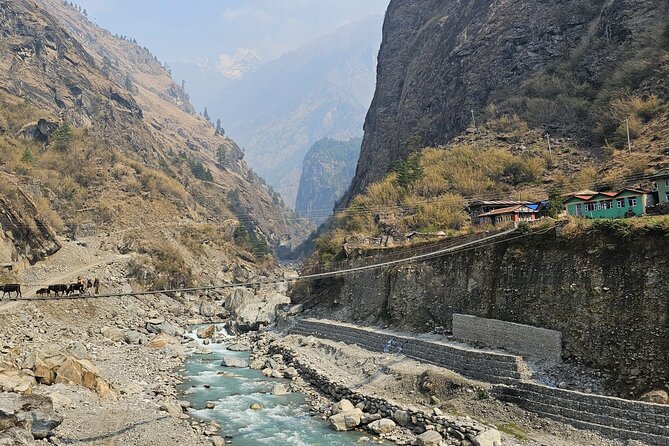
Once you leave Manang, you’re moving into a more remote, high-altitude feel. Day 7 takes you to Siri Kharka (4,060m), with steady climbing through juniper shrublands and broad, open views toward the Gangapurna/Chulu area. The big change here isn’t just altitude—it’s how the trail environment feels: less village density, more sky, and a different kind of quiet.
Day 8 jumps to Tilicho Base Camp (4,150m). The trek is described as short but intense, and that fits how these sections usually feel: you don’t have many “easy miles” to reset your breathing. The route includes narrow passages along landslide-affected areas, so take it slow and stay focused.
Then Day 9 is your Tilicho Lake day at 4,919m. Tilicho Lake is revered in Hindu and Buddhist traditions, and the altitude alone makes it memorable. The highlight isn’t only the elevation—it’s what you experience as you get close: glacial terrain, big walls of rock, and a sense of being at the edge of normal walking life.
Here’s the consideration I’d flag for you: the lake day is brief in the schedule (you’re given a short duration), but “short” doesn’t mean “easy” at nearly 5,000m. If you’re prone to rushing, fight that urge. You’ll enjoy the day far more if you treat it like a careful altitude hike, not a race.
Thorong La Pass (5,416m): the pre-dawn grind and the payoff
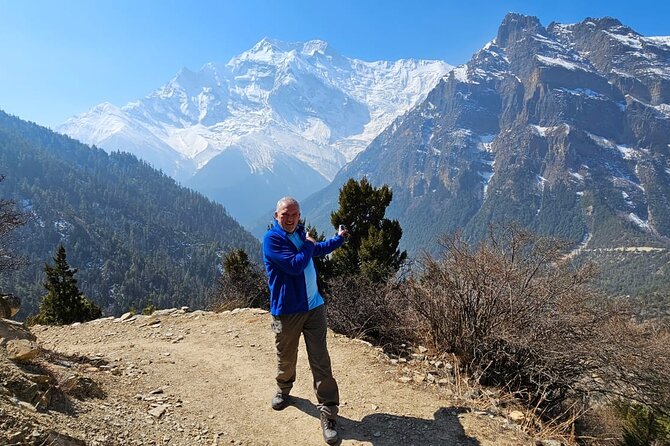
Day 10 shifts to Yak Kharka (4,050m). It’s a staging and acclimatization point, plus a practical night before the pass. If you want an easy-going morning and want to protect your energy, this is the day that sets you up.
Day 11 brings Thorong Phedi (4,540m), described as the base for the pass. Expect barren, dusty ridgelines and a gentle uphill start as you move toward your overnight position. The purpose is simple: you need to sleep close enough to the pass that your crossing day begins at the right moment.
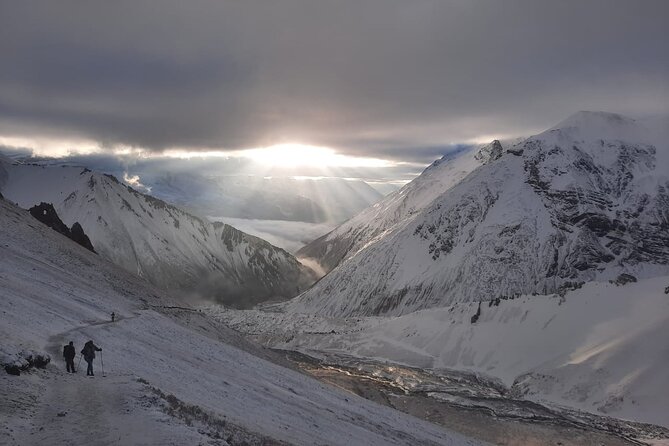
Day 12 is the main event: Thorong La Pass (5,416m). The plan calls for a strenuous pre-dawn climb of over 900 meters from Thorong Phedi. That single line tells you almost everything you need to know. This is not a “stroll with views” pass day. It’s early, steep, and about steady breathing.
What I love about how this trek is structured is that it doesn’t pretend the pass is casual. You build to it through a Manang acclimatization day and a Yak Kharka staging night. That doesn’t remove the challenge, but it reduces the odds you’ll feel unprepared.
After the pass, you descend dramatically—about 1,600 meters around rocky terrain and desert-like valleys—into Muktinath (3,760m). Muktinath is one of Nepal’s revered pilgrimage destinations. So after all that climbing, you get a spiritual rhythm shift: fewer “slog for meters” vibes, more “look at what humans built along this route” energy.
Kagbeni and Lower Mustang: the Kali Gandaki corridor after the pass
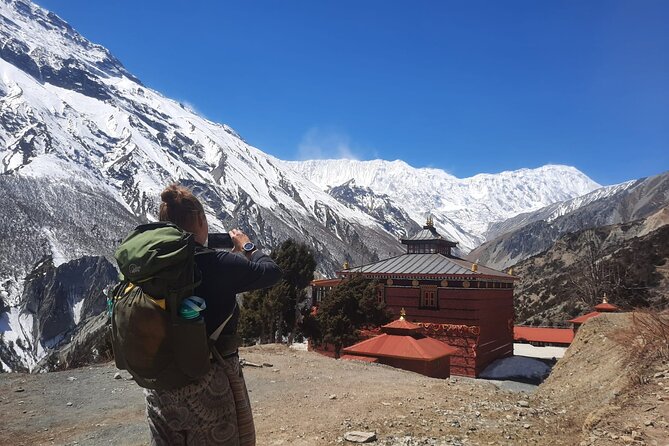
Days 13 and 14 take you into the Mustang-flavored portion of the circuit. Day 13 includes Kagbeni (2,810m) and Jomsom (2,720m). Kagbeni is centuries-old, positioned at the confluence of the Kali Gandaki and Jhong rivers, and it’s known as a gateway to Upper Mustang. Expect ancient red-walled monastery settings and narrow stone lanes.
Then Day 13/14 slides you into the Kali Gandaki River trail corridor as you descend through windswept terrain. Jomsom is the administrative center of Mustang and a major stop on the lower circuit. You’ll feel the wind more here, and you’ll notice how this section reads visually as drier and more rugged.
Day 14 continues the lower circuit vibe with Kalopani (2,530m), described as greener than the desert-like scenes above, followed by a bus descent that takes you through Beni (850m) and then on to Pokhara Lakeside (822m). This is a smart endgame: you get a final contrast day, then you transition into rest.
If you love the wilderness feeling but also want a reward that isn’t just “one more night in a lodge,” this is where you get it. Pokhara is an actual recovery city, not just a transit point.
Pokhara finish: lakeside recovery and how to use it well
Day 14 is the first Pokhara night at Lakeside, in a 3-star hotel with breakfast included. Day 15 is another full day in Pokhara (and then a return to Kathmandu after). Pokhara sits with views of Machapuchare and the broader Annapurna range, and it’s built for decompression.
Here’s how I’d use this time if you’re booking the trek: do the easy walks, drink something warm, and keep your feet moving gently. You’ve just crossed a high pass and walked big days. The best recovery habit is light movement, not total collapse.
On Day 15 you also travel back to Kathmandu via a tourist bus ride (about 200 km along the Prithvi Highway). The schedule includes a final hotel-to-airport transition depending on flight time on Day 16, with time to explore Thamel if you have a late departure.
One practical tip: if you want to avoid feeling rushed on arrival days, don’t pack your “shop day” and “laundry day” into the same afternoon. Spread it out so you can enjoy Pokhara without sprinting.
Price and value: what $1,800 really buys on this trek
At $1,800 per person for a 16-day Annapurna Circuit with Tilicho Lake trek, the value depends on how well you match your needs to the included package.
What’s clearly included:
- Private transportation for key legs like Kathmandu to Besisahar, airport pickup/drop-off, and Pokhara bus park–hotel drop (and the return from Pokhara to Kathmandu).
- Public transport components for some stretches (shared jeep from Besisahar to Dharapani; public bus from Jomsom to Pokhara; tourist bus from Pokhara to Kathmandu).
- 3-star hotel stays in Kathmandu (Thamel) and Pokhara Lakeside.
- Standard teahouses for the trek nights.
- A government-licensed trek guide plus an assistant guide per 5 trekkers and porters with a 2 trekkers to 1 porter ratio.
- Permits: Annapurna Conservation Area (ACAP) and TIMS are included, plus government fees.
- Insurance coverage for the trekking crew.
- A personalized achievement certificate.
What’s not included:
- International airfare.
- Government fees listed as $50 per person (so double-check how that applies to your final total).
- Travel insurance for you (important, especially for emergency evacuation).
- Meals during the trek (you get limited breakfasts and two dinners included, plus welcome/farewell dinners).
- Hot showers, battery charging, and Wi-Fi (usually extra at teahouses).
- Drinking water (recommend a filter bottle or purification tablets).
So is $1,800 a good deal? For many hikers, yes, because the cost isn’t only “guide time.” You’re paying for permits, lodging coordination, porter logistics, and the fact that someone handles transport transitions across roads and remote trails. Where the budget can creep up is meals on trek and the things you’ll likely want on your own (water treatment, snacks, warm layers, and travel insurance).
In short: this price looks fair for an organized high-altitude trek, but it’s not a full-board all-inclusive package. If you prefer predictable daily costs with fewer add-ons, plan your budget accordingly.
Logistics that affect your comfort: group size, support ratio, and teahouse reality
This trip runs with a maximum of 14 travelers, which is small enough to feel personal but big enough to keep logistics moving. The support structure is also spelled out: one assistant guide per 5 trekkers, and porters for your overnight bag with a 2 trekkers to 1 porter ratio.
That porter ratio is a big deal on a trek like this, because your body gets stressed by altitude and daily effort. Carrying a smaller overnight pack helps you keep breathing easier and reduces the nagging fatigue that can turn the last days into a grind.
Now, teahouse reality: you’re staying in standard teahouses during the trek. That usually means simple rooms and shared dining areas, with options like battery charging or hot showers for extra fees. The trek works best if you treat teahouse lodging as a base, not a spa.
Also, bring a plan for water. Drinking water isn’t included, and charging or Wi-Fi isn’t included. A filter bottle or purification tablets are recommended. I like having a habit here: fill early, treat consistently, and don’t wait until you feel thirsty in high altitude conditions.
Should you book this Annapurna Circuit with Tilicho Lake trek?
Book it if:
- You want a classic Annapurna Circuit route with the extra punch of Tilicho Lake.
- You want structured acclimatization instead of guessing your altitude strategy.
- You like having support staff and a small-ish group size (max 14) so you can focus on walking, not logistics.
Skip (or choose a different style) if:
- You’re looking for a completely comfortable, all-inclusive, “hot showers every day” trek. That isn’t what this package promises.
- You get stressed by early mornings and a serious pass day to 5,416m. Thorong La is a true target here.
- You don’t want to manage water treatment and on-trek meal costs.
If your goal is an authentic Himalayan itinerary with real culture stops (Manang, Muktinath, Kagbeni) plus major altitude highlights, this one looks like a strong match.
FAQ
FAQ
What are the starting and ending points for the trek?
The tour starts in Thamel, Kathmandu 44600, Nepal, and it ends back at the same meeting point.
How long is the trek and what’s the route like?
It runs about 16 days. The route includes travel from Kathmandu to Besisahar and Dharapani, trekking through the Manang area, Tilicho Lake, Thorong La Pass, Muktinath, Lower Mustang stops like Kagbeni and Jomsom, and then a return to Pokhara before going back to Kathmandu.
What are the highest points on the itinerary?
Tilicho Lake is at 4,919m and Thorong La Pass is at 5,416m.
What’s included in the price?
Included are private transportation for several transfers, shared jeep and bus legs for part of the route, hotel stays in Kathmandu and Pokhara (3-star with breakfast), teahouse accommodation during the trek, guide and assistant guide support, porters for overnight bags, ACAP and TIMS permits, government fees, and limited meals (hotel breakfasts plus welcome/farewell dinners).
What’s not included?
Not included are international airfare, additional government fees listed as $50 per person, travel insurance, extra nights in Kathmandu or Pokhara, personal trekking gear, tips, and trek meals beyond what’s listed as included. Hot showers, charging, and Wi-Fi are also not included, and drinking water is not included.
Do I have a porter and assistant guide support?
Yes. You’ll have porters to carry your overnight bag at a 2 trekkers to 1 porter ratio, and there’s an assistant guide per 5 trekkers.
Where do you stay during the trek?
You stay in standard teahouses during the trek, and you stay in 3-star hotels in Kathmandu (Thamel) and Pokhara Lakeside.
What’s the maximum group size?
The maximum group size is 14 travelers.