REVIEW · KATHMANDU
15 Days Round Annapurna Trek with Poon Hill from Pokhara
Book on Viator →Operated by CAN Travels · Bookable on Viator
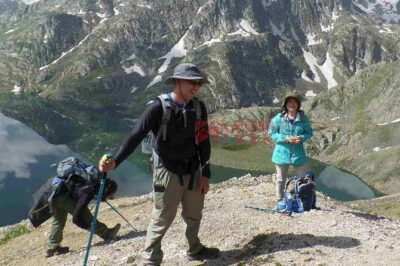
Big Himalayan mornings start with Poon Hill. This 15-day Round Annapurna trek plus Poon Hill bonus mixes village life, big passes, and a sunrise that sells itself, with government-licensed English guides and Poon Hill as the standout moments. One caution: you’ll spend long stretches on jeeps and buses, and there’s a very early, cold start around the high pass.
I like that the trip is built to handle the heavy lifting for you: permits, official documents, transfers, and lodging. You sleep in Kathmandu and Pokhara in simple 2-star hotels with breakfast, then shift into guest-house life on the trail. If your idea of a great trek includes steady organization and clear pacing, this one fits well.
In This Review
- Key highlights worth planning for
- First nights in Kathmandu: Thamel, hotel check-in, and a briefing that matters
- Road to Syange: Besisahar by road, then a jeep climb to 3,609 ft
- Above-the-gorge driving to Dharapani: waterfalls, vegetation, and first peak glimpses
- Chame and Bagarchhap: the forest shift and a Tibetan-styled village flavor
- Pisang to Bratang: along the Marsyangdi River, then a steep ascent
- Manang day: better views and a hill-top moment that resets your expectations
- Extra acclimatization in Manang: a smart day for your lungs and legs
- Yak Kharka: arid high-country terrain and big peaks in the frame
- Thorung Phedi: tiny settlement energy, high winds, and exposed walking
- The 3:30 a.m. pass day to Muktinath: cold, blustery, and why timing matters
- Tatopani by bus, with an ACAP checkpoint at Jomsom: the official side of the trek
- Ghorepani: suspension bridge crossing, uphill again, and terraced village walking
- Pokhara Lakeside and the Poon Hill sunrise trek: the color-change moment
- Back to Kathmandu: finishing with a 6–7 hour drive and one last change of pace
- Is $790 a good value here? Permits, guides, lodging, and the part you pay for yourself
- Who this trek suits best (and who should think twice)
- Should you book this Round Annapurna trek with Poon Hill?
- FAQ
- How long is the Round Annapurna Trek with Poon Hill?
- What is the tour price per person?
- Where does the tour start in Kathmandu?
- When do you start?
- Are pick-ups and drop-offs included?
- What kind of guide do you get?
- Where do you sleep during the trek?
- Is breakfast included?
- Is food included during the trek?
- Is a full refund possible if I cancel?
Key highlights worth planning for
- Poon Hill sunrise with that slow color change as dawn arrives
- Government-licensed English guide plus an emergency first-aid kit with the guide
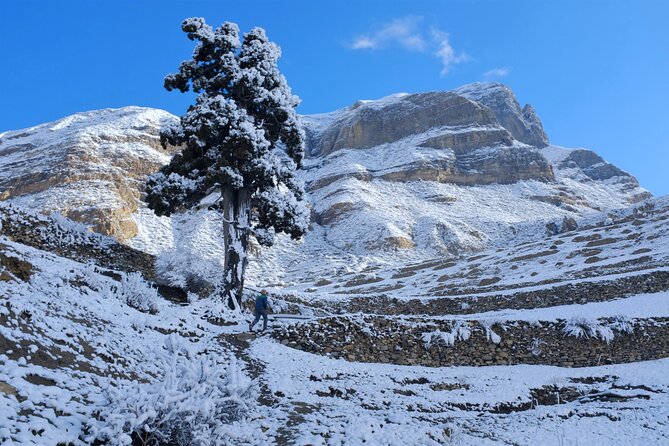
- Real trekking variety from pine forest to arid high country to terraced villages
- Acclimatization built in, including an extra day in Manang
- ACAP checkpoint at Jomsom as part of the official protected-area route
- Well-timed local support, with arrangements noted as on time in guide-focused feedback
First nights in Kathmandu: Thamel, hotel check-in, and a briefing that matters
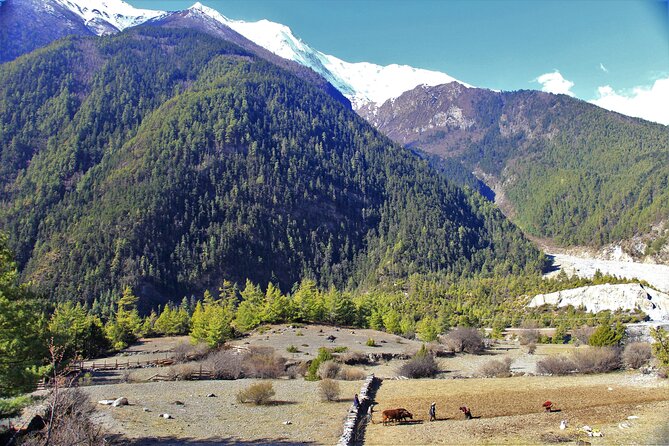
Day 1 begins in Thamel, Kathmandu. After you arrive at Tribhuvan International Airport, you’re met and transferred by private vehicle to your hotel, then you check in and get a briefing on what to expect next. This is not just paperwork. It helps you understand the rhythm of the trip so you’re not guessing on Day 2.
Thamel is convenient because it’s a familiar base area once you land. You also get two nights in Kathmandu overall, which gives you breathing room if travel day fatigue hits hard. The practical win here is that you’re not rushing straight onto a steep trail before your body resets.
You can also read our reviews of more tours and experiences in Kathmandu.
Road to Syange: Besisahar by road, then a jeep climb to 3,609 ft
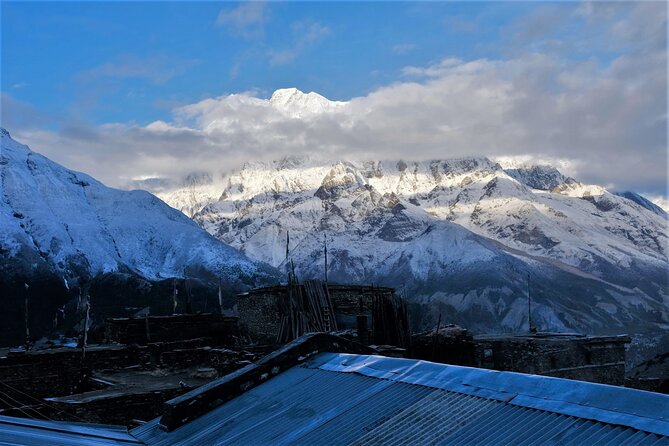
Day 2 is where you feel the change from city to foothills. First you take a 190-kilometer road trip for about 6.5 hours to Besisahar, then you switch to a jeep to reach Syange (3,609 ft). It’s a long travel day, but it’s a useful one: it sets you up at elevation without burning energy on extra walking.
The Syange start is also a nice way to begin easing into trekking. You’re not jumping to the highest zones on Day 2. You’ll likely feel the day mostly as a transport-and-orientation effort, which many people prefer at the beginning.
A potential drawback: after a flight, a long road day can feel like extra time sitting. If you’re the type who needs movement, plan to stretch at stops and bring layers so the jeep ride doesn’t freeze you.
Above-the-gorge driving to Dharapani: waterfalls, vegetation, and first peak glimpses
Day 3 heads along a road above the gorge. From the road, you get to peer down at vegetation and occasional waterfalls below, with views of snow-covered peaks in the distance. You’re still not fully “on the trail,” but the day is valuable because it gives you early Himalayan payoff without demanding a huge hiking push.
It’s also a good pattern-setter. You’ll see how frequently Nepal’s terrain forces you to combine trekking with driving segments. This route doesn’t pretend that everything is walking every day, and I think that honesty is a plus.
Chame and Bagarchhap: the forest shift and a Tibetan-styled village flavor
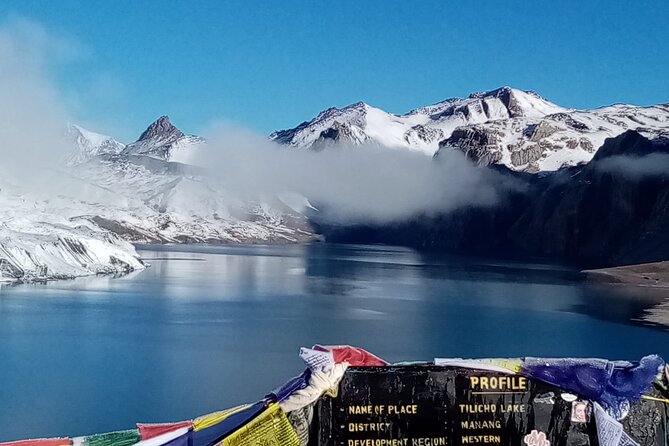
Day 4 brings a noticeable change in scenery and temperature. As you gain elevation, the landscape and vegetation change, and the trail follows through forested areas until you reach Bagarchhap, described as a typical Tibetan-style village al… (the details trail off, but the village character is the point). This is a day that’s about transition—less river gorge drama, more wooded climbing and cultural stopovers.
Chame is a common name in Annapurna routes for a reason: it’s a realistic staging village. You start to feel that you’re moving through real communities, not just scenic backdrops. The tradeoff is that forest trails can still be steady and tiring, so it’s smart to keep your effort controlled.
Pisang to Bratang: along the Marsyangdi River, then a steep ascent
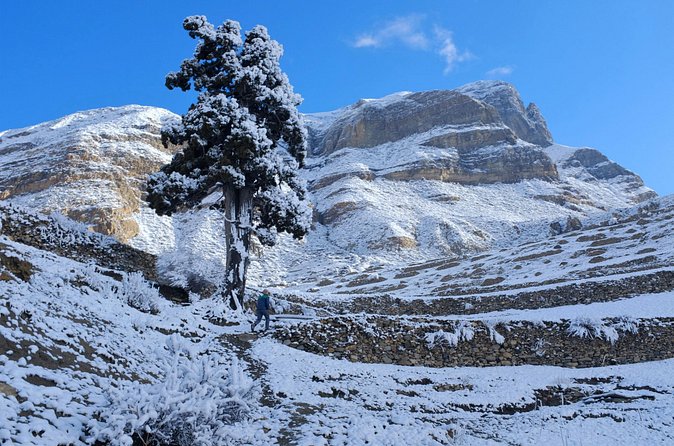
Day 5 follows the northern bank of the Marsyangdi River. You’ll pass pine forests and small villages on an undulating trail until you reach Bratang Village, then cross a bridge and face a steep ascent. This day has two different moods: a river-and-pines walking section, then a more demanding climb.
Why it’s worth it: the Marsyangdi corridor is one of the defining features of this region. Even when you’re not staring at the tallest peaks, you’re moving through Nepal’s everyday mountain geography—river, terraces, villages, and weather.
The possible drawback is the steepness late in the day. If you tend to go out too fast, steep ascents can punish you. A good guide helps you pace it, and this trip includes that kind of support with an English-speaking trekking guide.
Manang day: better views and a hill-top moment that resets your expectations
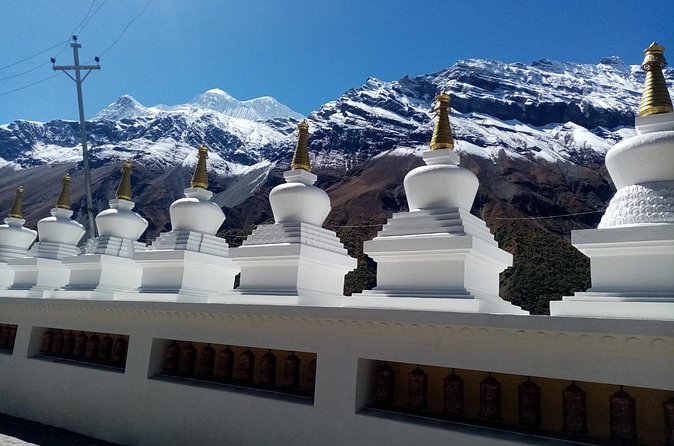
Day 6 is still trekking, but the feeling changes again. Views from the trail improve, and snow-covered peaks show up more often. After about 30 minutes you come out on top of a hill that provides fantastic views down… (the itinerary cuts off, but the intent is clear: you’re getting an elevated viewpoint).
Manang is often where trekking stops feeling like a hike and starts feeling like a mountain expedition. Even on days that aren’t the pass day, the air can feel sharper, and the views can make you forget about the effort for a minute.
Extra acclimatization in Manang: a smart day for your lungs and legs
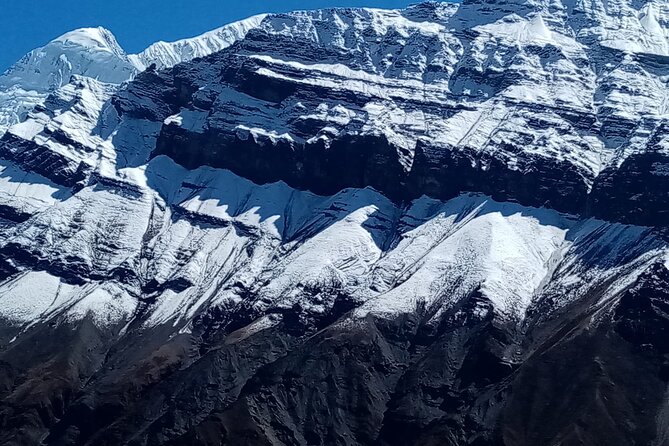
Day 7 is an acclimatization day in Manang. The trip explicitly recommends an active acclimatization period—meaning you stay moving rather than just resting flat. You might take a short trek or do acclimatization-related walking, as the plan suggests.
This day is one of the smartest parts of the whole schedule. It recognizes reality: your body needs time to adjust before higher exposure. If you’re the kind of trekker who wants to “make up time,” this is the day to resist that urge. Following the acclimatization plan is how you help avoid unnecessary suffering later.
Yak Kharka: arid high-country terrain and big peaks in the frame
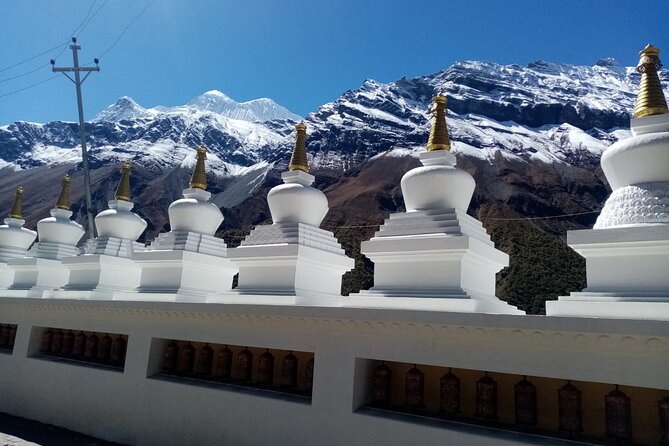
Day 8 heads toward Yak Kharka. You ascend for around one hour with more stunning views of Annapurna II, Gangapurna, and Chuli peaks. Then the terrain turns arid—less lush greenery, more open exposure.
This is a key day for understanding this trek’s rhythm. You’ll go from forested and river-adjacent scenery into high, dry zones where wind and cold can matter more. You also start to feel how distances and elevation can be “short” on paper but long in your legs.
Thorung Phedi: tiny settlement energy, high winds, and exposed walking
Day 9 brings a steady climb to Thorung Phedi, described as a tiny settlement. You’ll keep enjoying views of Annapurna II, Gangapurna, and Chuli peaks, but the itinerary also warns about bleaker terrain and high winds as you go higher.
This is the day before the big moment. Even without naming it, you can feel what’s coming: the pass day is near, and exposure is part of the story. If you know you get cold easily, manage it here. Wind-exposed trekking is not the time to experiment with thin layers.
The 3:30 a.m. pass day to Muktinath: cold, blustery, and why timing matters
Day 10 is the momentous day and it starts extremely early at around 3.30 a.m. The goal is to reach the pass before the wind picks up later. The plan makes a point of it being quite cold, blustery, and exposed.
That early start is not just dramatic. It’s practical. Wind tends to make everything harder: hiking feels heavier, temperature feels worse, and any delay can turn manageable discomfort into misery.
Then you move toward Muktinath as part of the day’s route. This portion of the trip is where the emotional payoff often shows up: the sense of accomplishment plus the mountain-scale views. Just remember: the day’s win is timing and steadiness, not speed.
Tatopani by bus, with an ACAP checkpoint at Jomsom: the official side of the trek
Day 11 pivots from trekking rhythm to transportation. You start with a bus ride to Tatopani that should take about 5–6 hours. At Jomsom there’s an Annapurna Conservation Area Project (ACAP) checkpoint, where the route is checked as part of the protected-area system.
This day works like a pressure release valve. After the intensity of the high pass day, a long vehicle segment can feel like a reset. The drawback is that you’re still traveling, and travel days can make you stiff. Build rest into your schedule whenever you stop.
Ghorepani: suspension bridge crossing, uphill again, and terraced village walking
Day 12 brings a mix of descending trail walking and then uphill recovery. You start along a descending trail to the suspension bridge at the bottom, cross it, then it’s uphill again through small villages and terraced cultivation toward Ghorepani.
I like this mix because it keeps your mind busy. You’re not stuck with one monotone effort type. Also, by the time you reach Ghorepani, you’re positioning yourself for the Poon Hill payoff the next morning.
The one thing to watch is that “uphill again” after a descent can feel sneaky. Keep your pace gentle and save your energy for sunrise day.
Pokhara Lakeside and the Poon Hill sunrise trek: the color-change moment
Day 13 is the big scenic headline: an early morning start and a trek up to Poon Hill to watch sunrise. The itinerary notes it as an eye-opening experience and describes the magical color change as dawn approaches.
This is the kind of moment that makes you understand why people plan Nepal trips around early starts. You’ll trade sleep for a view, and it’s one of the few times the sacrifice feels instantly worth it.
Then you end up at Pokhara Lakeside for your next sleep. Day 13 is also your shift back toward comfort: Pokhara as a base feels calmer than the higher villages and exposed passes.
Back to Kathmandu: finishing with a 6–7 hour drive and one last change of pace
Day 14 drives back to Kathmandu, about 6–7 hours with a few rest stops. This is a long day, but it’s also a clean wrap-up. You get time to settle in, shower, and regain normal routines before your final day.
Day 15 is airport transfer. You’ll be taken to the airport about 3 hours before your scheduled departure. The trip ends the way it started: with a representative and a plan, so you’re not navigating last-minute logistics alone.
Is $790 a good value here? Permits, guides, lodging, and the part you pay for yourself
This trip is priced at $790 per person for about 15 days. The value comes from what’s included, not just the days on a calendar.
Here’s what you generally get covered:
- Hotel pick up and drop off round trip
- A government-licensed English-speaking trekking guide
- Kathmandu 2 nights and Pokhara 1 night in 2-star hotels with breakfast
- Trekking permit and official documents
- Guest-house accommodation during the trek
- Round trip transfer by shared bus or jeep
- Emergency normal first aid kit with the guide
- The guide’s food, accommodation, and expenses
- Private tour structure so it’s only your group
What’s not included:
- Your food and drinks, which are available on purchase
- Gratuities (optional)
So the real budgeting question is meals. Since food isn’t included, your total cost will depend on how you eat day to day in guest houses and towns. Still, the big-ticket items like permits, guide, and lodging are handled, which is exactly what you want on a trek where delays can get expensive fast.
Also note the trip is described as having a mobile ticket and pickup. That kind of documentation helps when you’re moving through multiple towns and transport types.
Who this trek suits best (and who should think twice)
This trek is a strong match if you’re comfortable with:
- A schedule that mixes hiking with road and bus segments
- High exposure around the high pass period, including a very early 3.30 a.m. start
- Acclimatization time (the extra Manang day is built in)
- Guest-house lodging on the trail
It may feel like a lot if you dislike long travel days or if you’re very sensitive to cold and wind on exposed stretches. But even then, having a licensed guide and an emergency first aid kit helps you manage the risks better.
For best results, choose it if you want a guided, official-feeling trek that handles permits and logistics so you can focus on walking and views.
Should you book this Round Annapurna trek with Poon Hill?
Yes, I’d book it if you want a guided Annapurna Circuit-style route with a clear Poon Hill payoff, plus organization that covers permits, documents, and lodging. The standout strength is the combination of a sunrise-focused finish and the steady, realistic pacing that includes acclimatization.
I’d think twice if you’re expecting a fully trekking-only trip with no long vehicle days. This plan uses jeeps and buses on purpose, and it’s best when you’re okay with that rhythm.
If you’re ready to respect timing on the pass day and take acclimatization seriously, this is a solid value way to experience the Annapurna region’s range of scenery and local life.
FAQ
How long is the Round Annapurna Trek with Poon Hill?
It runs for about 15 days.
What is the tour price per person?
The price is $790.00 per person.
Where does the tour start in Kathmandu?
The meeting point is SPOT ON 376 Hotel HazelJadibutti, Kathmandu 44600 Nepal.
When do you start?
The listed start time is 9:45 pm.
Are pick-ups and drop-offs included?
Yes. The tour includes hotel pick up and drop off round trip.
What kind of guide do you get?
You get a government-licensed English speaking trekking guide.
Where do you sleep during the trek?
Accommodation is in guest houses during the trek.
Is breakfast included?
Yes. Kathmandu 2 nights and Pokhara 1 night are in 2-star hotels with breakfast.
Is food included during the trek?
No. Food and drinks are available for purchase.
Is a full refund possible if I cancel?
You can cancel up to 3 days in advance for a full refund.