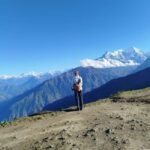
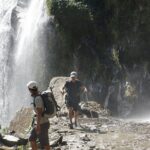
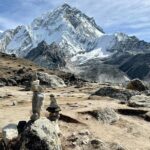
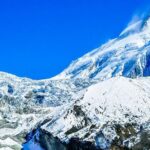
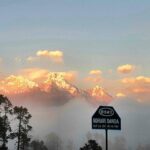
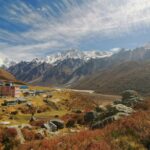
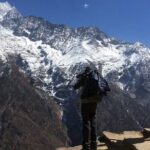
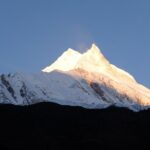
Eight minutes of dawn can change everything. This Poon Hill trek is built around the famous sunrise panorama over the Annapurna and Dhaulagiri regions, with big-name peaks in view, including Mt Dhulagiri (8167m) and Mt Annapurna (8091m). You’ll also walk through mountain village life along the way, including Gurung and Pun communities, and spend serious time in magnolia and rhododendron forests.
I love that the route is varied enough for a weeklong trip without feeling random: you get stairs, forests, valleys, and a sunrise viewpoint that’s the whole point. I also like the support style, with an English-speaking guide and a porter assigned per two guests, plus full-board meals during the trekking days. One consideration: the experience is weather-dependent, so cloudy conditions can change plans (and sometimes dates), even though sunrise is the main target.
In This Review
- Key highlights you’ll care about
- Poon Hill sunrise over the Annapurnas and Dhaulagiri
- Your week’s flow: Kathmandu to Pokhara, then onto the trail
- Pokhara to Hile: your first long day of stairs and countryside
- Ulleri stairs day: magnolia and rhododendron with steep payoffs
- Daybreak at Poon Hill: the sunrise scene you planned the trek for
- Tadapani to Ghandruk, then Pokhara drive: finish strong
- Food, guesthouses, permits, and what’s actually included in the $450
- Guide support: what English-speaking leadership gives you
- Guesthouse nights: simple comfort with limits
- Weather reality: a good day for sunrise beats a perfect plan
- Who should book this Poon Hill Trek (and who should reconsider)
- Should you book this Poon Hill Trek with Nepal Trek Hub?
- FAQ
- How long is the Poon Hill trek?
- Where do we meet, and what time does it start?
- Is this a private tour?
- What part of the trip is hardest?
- Are meals included?
- What kind of accommodation do we get on the trek?
- Is a guide and porter included?
- Are permits included?
- What about Nepal visa fees?
- What if the weather is bad for sunrise?
- Is there free cancellation?
Key highlights you’ll care about
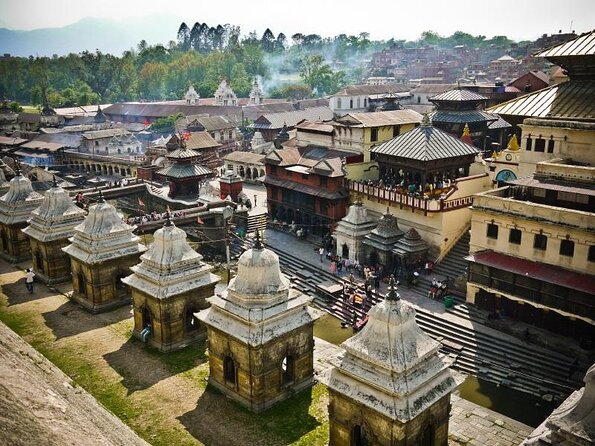
- A true sunrise mission at Poon Hill with sweeping views and big glows over multiple Himalayan peaks
- Ulleri stairs and rhododendron/magnolia forest walking that mix effort with scenery
- Real village trekking through countryside you’ll actually pass through, not just viewpoints
- Trail support built in: fluent English-speaking guide plus 1 porter for every 2 guests
- Logistics are handled with airport transfers, Kathmandu–Pokhara transport, and guesthouse trekking nights
Poon Hill sunrise over the Annapurnas and Dhaulagiri
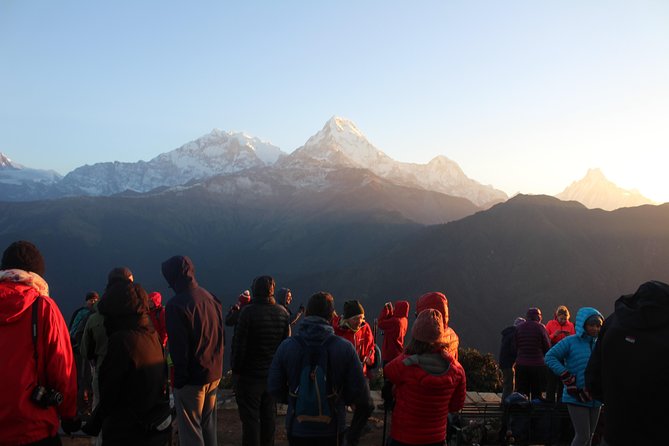
Poon Hill is one of those places where the scenery is the schedule. You’re not trekking just to say you walked in the Himalayas. You’re walking for a morning moment: a wide, dramatic view across multiple peaks, lit by sunrise rays.
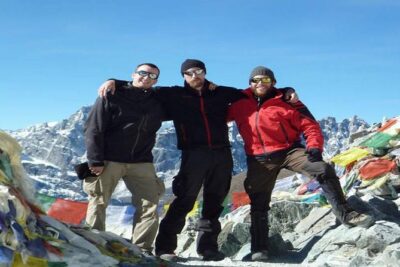
On clear days, you can see the “wow” peaks from the Annapurna and Dhaulagiri area, including Mt Dhulagiri (8167m) and Mt Annapurna (8091m), plus the famous three-peak panorama discussed for Poon Hill sunrise. The view is often described as a 360-degree kind of experience from the high viewpoint area, which matters because it makes the sunrise feel bigger than a single photo angle.
Then you get the extra geography lesson while you’re there: Kali Gandaki Gorge is part of the big-picture backdrop, and you’ll see the visual division of Nepal and Tibet created by the trans-Himalayan ranges. Even if you’re not a map nerd, it helps you understand why these ridgelines and valleys look the way they do.
You can also read our reviews of more tours and experiences in Kathmandu.
Your week’s flow: Kathmandu to Pokhara, then onto the trail
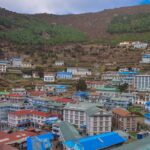
This trip is shaped as a full 7-day journey, but the trekking effort sits in the middle. You start in Kathmandu, then spend a long travel day getting to Pokhara, then you hit the stairs-and-views part of the program.
Day 1 is all about arriving and getting set: pickup from the airport, transfer to your hotel, and a trekking briefing. That briefing step sounds small, but it helps you avoid the classic mistake of arriving nervous and unprepared for how early trekking days start.
Day 2 is the big transfer day: a drive from Kathmandu to Pokhara that takes about 8–9 hours. You get mountain views along the way, and Pokhara also gives you that first taste of the Himalayan region before the walking starts.
Day 7 finishes the loop back to Kathmandu after the trek wraps and you drive from Pokhara.
If you like a trip where logistics don’t turn into a second job, this is a good fit. If you’re the type who loves total freedom and last-minute route changes, you’ll likely feel more limited because it’s planned and guided.
Pokhara to Hile: your first long day of stairs and countryside
The walking begins after you drive to Hile, which is the trekking starting point. That drive takes about 3–4 hours, then you stop for lunch and begin your first trekking day.
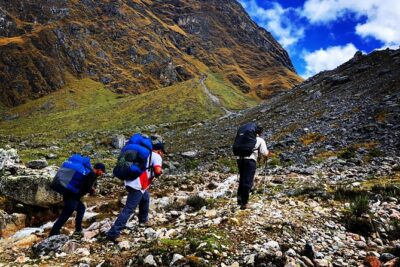
This is the day that’s described as heavy on stairs. That doesn’t mean it’s a technical climb. It means your legs start working right away, and you’ll likely feel it in your calves by the time the day ends. The tradeoff is that the route isn’t just stairs in a vacuum. It runs through countryside and you’ll pass through meadows, jungle sections, and local villages.
This part of the trek also matters culturally. The route is designed to put you near Gurung and Pun communities as you walk. Even short village moments feel more real when you’re moving through them rather than driving past them.
Practical note: starting with a leg-burn day works best if you pace yourself. Don’t try to “win” the first day. Think steady, breathe, and save energy for the longer view day later.
Ulleri stairs day: magnolia and rhododendron with steep payoffs
One of the most memorable walking days on this route is the classic Ulleri Stairs ascent. Today is described as steep climbing, with a scenic ascent path that winds through forests of magnolia and rhododendrons.
This is where the trek becomes more than effort. If you’re trekking in a season when rhododendrons are flowering, the colors and scent can add a noticeable layer to the hike. Even when flowers aren’t at peak, the forest canopy and shaded sections make the climb feel less exposed.
Wildlife can also show up. The trail description includes a mention of Nepal grey langur monkeys moving overhead. You’re not hiking for wildlife, but it’s a nice bonus when the forest is active.
The drawback here is straightforward: steep sections can feel like work, especially if your fitness is more “city walking” than “mountain steps.” If you’ve got knee issues, this is the day to be extra honest about your comfort level and to take breaks before discomfort becomes a problem.
Daybreak at Poon Hill: the sunrise scene you planned the trek for
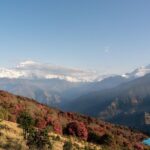
This is the core day. You start early for Poon Hill and go for the sunrise panorama—described as an incredibly wonderful view with Himalayan peaks glowing as the sun rises. Along with the well-known peaks associated with the sunrise area, you’ll also be looking toward Kali Gandaki Gorge and the broader Himalayan range lines that separate regions.
Then you don’t just sit there and watch forever. After the sunrise moment, you head back for a late breakfast at your lodge and then continue along the trail.
You’ll also walk from Ghorepani to Tadapani, and this segment is described as notoriously hilly, with plenty of up-and-down. That part is common in Nepal tea-house trekking routes, but it’s still worth saying clearly: your legs will work all day, not just in one steep burst.
The consolation is that the walking corridor is filled with dense flowering forests, so the hike keeps changing visually. It’s not one long sameness line.
If sunrise is the reason you booked, remember the weather reality: Poon Hill is a “good weather required” experience. If clouds roll in, the payoff can shrink. Still, having a guided, paced plan helps you avoid wasting the day wandering.
Tadapani to Ghandruk, then Pokhara drive: finish strong
After the Ghorepani-to-Tadapani day, the route continues down toward Ghandruk. The plan then shifts from walking to transfer.
You trek down to Ghandruk, then drive to Pokhara, and the walking part is over. That “over” moment matters because it lets your body recover in a real way. Instead of one last steep day with no downtime, you transition into the comfort of a drive.
From Pokhara, you then go back to Kathmandu on the final day.
If you like closure after effort, this is a good setup. It avoids the “one more day of walking just because” feeling.
Food, guesthouses, permits, and what’s actually included in the $450
At $450 per person, you’re paying for more than a view. You’re buying a package that handles the hard parts of a first-time trekking trip: transport, guides, porters, permits, and full-board meals during the trek.
Here’s what’s included that genuinely changes your experience:
- Private transportation for key legs, including airport pickup/transfer in Kathmandu
- Kathmandu international airport transfers by private vehicles
- Meals on full board during trekking days: breakfast, lunch, and dinner each trekking day
- Guesthouse basis accommodation while trekking
- Fully escorted trek with a fluent English-speaking license holder guide
- Each 2 guests 1 porter, so you’re not dragging your own load if you’re using the porter service
- Annapurna Conservation Area Project permits
- Pokhara to Kathmandu tourist bus transfer for guest and guide
Also helpful:
- Duffle bag if you need it
- First aid box
- Insurance for guide and porter
- Seasonal fruits if possible
What’s not included (and you should budget for):
- Nepal entry visa fee (listed as US$ 40)
- Lunch and dinner in Kathmandu and Pokhara city
- Battery charges, laundry, phone calls, and hot shower during trekking
- Your personal trekking equipment and clothing
- Drinks, snacks, and bar bills
- Tips for the crew (not compulsory, but highly expected)
Value-wise, the $450 makes the most sense if you want to avoid setup headaches. If you already know Nepal logistics well and have your own guide/porter plan, you might compare costs. But if this is your first time trekking, the bundle of transport + guide + permits + meals is where the value hides.
Guide support: what English-speaking leadership gives you
This trip is “fully escorted,” with a fluent English-speaking license holder guide. That matters because Nepal tea-house trekking is full of small decisions: pacing, timing, weather calls, and how to handle the unexpected (like trail conditions).
The provided reviews point to guides who stay attentive and adapt. Names that showed up include Shree Ram, Nabaraj, Sheeram, Ashish, Abishek, and Bimal, along with porters such as Ashuk, Ashok, and Kul. You shouldn’t treat that as a guaranteed assignment, but it does signal the operator’s focus on having named, accountable staff rather than rotating vague support.
One of the strongest reasons to care about this: you’re tackling stairs and steep sections. When someone can explain the route clearly and help you adjust based on weather and group needs, the trek feels less like a test and more like a guided experience.
If you prefer lots of independence, you might still get freedom on breaks, but the overall structure is supported. That’s the point.
Guesthouse nights: simple comfort with limits
During trekking days, you’ll stay on a guest house basis, and meals are included: breakfast, lunch, dinner. That’s important because it takes decision-making pressure off you. You don’t have to hunt for food after a long stair day.
At the same time, the trip is clear about limits: hot shower and battery charges are not included during trekking. That means you should plan your comfort and your power management. If you rely on charging devices for navigation or photos, you’ll need to consider how you handle that in the hills.
One small plus in the food department: the trip includes seasonal fruits if possible, which is a nice touch when included, and a reminder that tea-house trekking can still feel fresh rather than only “stews and carbs.”
Weather reality: a good day for sunrise beats a perfect plan
This experience requires good weather. The operator states that it’s designed with weather dependency in mind, and if it’s canceled due to poor weather, you’ll be offered a different date or a full refund.
So how should you think about it? Don’t treat sunrise as guaranteed. Treat it as the main mission that you’ll be ready for when conditions cooperate. The best strategy is mental: keep an open mind. If sunrise isn’t crisp, you still have a full trek day with villages, forests, and ridgeline views.
Also note that early starts are part of the experience. The Poon Hill day is specifically described as kicking off early. Early also means colder mornings are more likely than warm midday hikes, so dress in layers and don’t rely on a single jacket.
Who should book this Poon Hill Trek (and who should reconsider)
Book it if:
- You want the Poon Hill sunrise as a central goal, not a bonus
- You’re okay with stair-heavy and hilly hiking, especially Ulleri and the Ghorepani-to-Tadapani up-and-down
- You want a guided trek with full-board meals during trekking days
- You prefer having permits, transport, and key logistics handled
Consider another option if:
- You have limited tolerance for steep stairs or frequent elevation changes
- You want a fully independent trek with no fixed structure
- You’re traveling when weather reliability is questionable for your dates (since this is explicitly weather-dependent)
This route also tends to work well for family holiday travelers, since the description says it’s suitable for all types of trekkers and families. Still, with young kids, the stair days can be the sticking point, so pace and patience matter.
Should you book this Poon Hill Trek with Nepal Trek Hub?
If you want a guided, organized way to chase sunrise views over the Annapurnas and Dhaulagiri and you’d rather spend your energy on the walking than on logistics, I think this is a strong choice. The $450 includes the big-ticket “trip engine” parts: guide support, permits, full-board meals during trekking, guesthouse stays, and the main transfers between Kathmandu and Pokhara.
My main caution is not the route. It’s the weather dependency. If you’re flexible on dates and you understand that clouds can change the sunrise payoff, you’ll be in the right mindset.
If you can do early mornings, handle stairs, and you want the Himalayas through forests and villages (not just a quick viewpoint), then this Poon Hill Trek is the kind of trip that stays with you.
FAQ
How long is the Poon Hill trek?
The overall experience runs about 7 days, including time in Kathmandu and Pokhara plus your trekking days.
Where do we meet, and what time does it start?
The meeting point is Tribhuvan Airport in Kathmandu, Nepal, with a start time listed as 7:15 am.
Is this a private tour?
Yes. It’s described as private, so only your group participates.
What part of the trip is hardest?
The route includes lots of stairs on the early trekking day and a steep climbing day on the Ulleri Stairs. The Ghorepani to Tadapani section is also described as notably hilly with lots of up-and-down.
Are meals included?
During the trekking days, meals are included on a full-board basis: breakfast, lunch, and dinner each trekking day. Lunch and dinner in Kathmandu and Pokhara city are not included.
What kind of accommodation do we get on the trek?
You stay in guest houses during the trekking days (guest house basis accommodation).
Is a guide and porter included?
Yes. The trek is fully escorted by a fluent English-speaking license holder guide. There is also a porter arrangement: each 2 guests get 1 porter.
Are permits included?
Yes. Annapurna Conservation Area Project permits are included.
What about Nepal visa fees?
Nepal entry visa fee is not included and is listed as US$ 40.
What if the weather is bad for sunrise?
This experience requires good weather. If it’s canceled due to poor weather, you’ll be offered a different date or a full refund.
Is there free cancellation?
Cancellation is listed as free if you cancel up to 24 hours in advance for a full refund. If you cancel less than 24 hours before the start time, the amount paid is not refunded.