REVIEW · KATHMANDU
Annapurna Base Camp Trek 10 Days
Book on Viator →Operated by The Great Adventure Treks & Expedition - Private Day Tours · Bookable on Viator
A trek to Annapurna Base Camp still feels like magic. In this 10-day setup you get the classic route through Gurung villages and viewpoints, then a real payoff at Annapurna Base Camp (4,130 m) with sunrise views and plenty of peak-scanning time. I especially like how the trip is run with a professional licensed guide, plus the small team energy I saw reflected in how guides Sudam and Ganesh are described—attentive, practical, and even funny when the legs are done.
That said, this is still a mountain trek with steep ups and downs and high-altitude days, so you’ll want moderate physical fitness and a willingness to move slowly when your breathing tells you to. If you’re expecting an easy walk, this route will remind you you’re in real trekking country.
In This Review
- Key things that make this Annapurna Base Camp trip work
- Annapurna Base Camp in 10 days: the trade-off is the payoff
- Kathmandu to Pokhara: luxury bus comfort, real mountains ahead
- Ghandruk: the village day that sets your expectations
- Chhomrong and the big step-and-bridge rhythm
- The Himalayan Hotel area to Deurali: where your breathing gets honest
- Toward Annapurna Base Camp: forest fades, the peaks press closer
- Sunrise at ABC, then the return: how to enjoy the second half
- Jhinu Danda and Chhomrong Khola: the trail that changes your pace
- Naya Pul to Pokhara: you trade altitude for time
- Pokhara leisure day: what to do when your legs demand a break
- Back to Kathmandu: scenic flight chance, and why it helps
- Price and value: what $996 buys you (and why it’s not just “a trek”)
- Who should book this Annapurna Base Camp route?
- Should you book this Annapurna Base Camp trek?
- FAQ
- What is the price for this Annapurna Base Camp trek?
- How long is the trek?
- Where does the trip start and what time?
- Is pickup included?
- How do permits work for this trek?
- What gear is included?
- Do I need to carry my own luggage?
- What is the cancellation refund timeline?
Key things that make this Annapurna Base Camp trip work

- Two-way transport that actually reduces stress: tourist bus from Kathmandu to Pokhara, plus private transfers around Pokhara and Nayapul
- A guided trek with local know-how: a government-licensed trekking guide, plus a porter system (2 guests per porter)
- Permits handled for you: ACAP and TIMS included, so you’re not chasing paperwork mid-trip
- Comfort support you may not expect: sleeping bag and down jacket are included in the package
- Guide energy that shows up in real reviews: Sudam and Ganesh are repeatedly called out for care, professionalism, and helpful pacing
Annapurna Base Camp in 10 days: the trade-off is the payoff
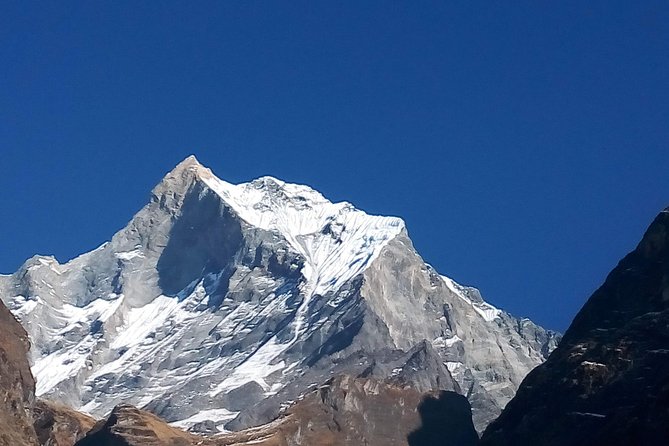
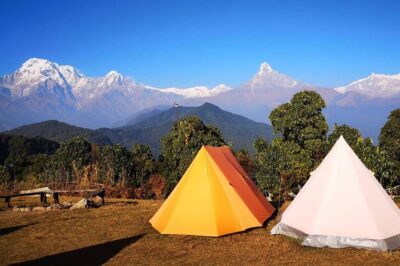
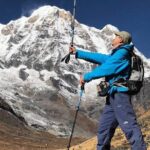
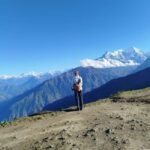
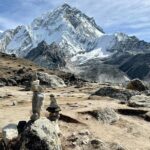
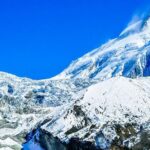
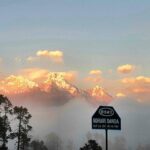
Annapurna Base Camp is popular for a reason. You’re walking into the heart of the Annapurna massif, with views that keep changing as the trail climbs through forests and then grows harsher toward the high country. Even when you’re tired, you get those moments where the peaks suddenly look closer—like you could reach up and touch the day’s big star (Annapurna I and nearby giants such as Machhapuchare/Fishtail).
The timing matters here. In 10 days you don’t just “arrive and snap photos.” You build into the route—starting lower around Ghandruk and Chhomrong, then stepping up toward Deurali and finally the base camp zone. That gradual structure helps you manage altitude better than jumpy itineraries.
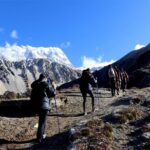
One practical note: this trek is scenic, but it’s also effort. Expect steep ascents, long stair sections, and days where you’ll feel altitude in your breathing even if you’re fit. If you pace well and keep your focus on the next turn of the trail, this “classic” trek becomes one of those trips you remember in scenes, not just selfies.
You can also read our reviews of more tours and experiences in Kathmandu.
Kathmandu to Pokhara: luxury bus comfort, real mountains ahead
You start in Kathmandu, with pickup from the airport and transfer to your hotel. Then it’s breakfast early and a 6–7 hour tourist bus ride to Pokhara. That drive is more than a commute—it’s your first taste of Nepal outside the city, and it helps you transition mentally from paperwork and schedules into trekking mode.
Pokhara is your staging area. You’ll get there with time to settle in before your first trekking day. And your itinerary includes Kathmandu sightseeing by private vehicle, which is useful if you’re short on days and want to see the highlights without stretching your trip.
The value of doing Pokhara first is simple: you start your trek already rested enough to enjoy Day 2. If you’re used to traveling on your own, this kind of organized move can feel almost boring. That’s the point. It saves your energy for the mountains.
Ghandruk: the village day that sets your expectations
Your trek kicks off from Pokhara with a drive to Ghandruk (around 1,940 m). This village is one of the big cultural anchors of the Annapurna region. You’ll see the traditional Gurung and Magar village feel in daily life—stone, terraces, and the rhythm of a community built around trekking and farming.
From there you’ll begin the walk toward the next viewpoints. The itinerary has you hiking uphill around an hour toward places like Kimrungdanda, and the reward is the kind of view that makes you understand why people keep coming back to this region. Along this stretch, you can catch glimpses of major names—Annapurna South, Hiunchuli, and Machhapuchare (Fishtail), with Gangapurna appearing depending on visibility.
How to think about this day: don’t rush. The early part of a trek like this is where you decide how you’ll pace. If you start fast, you pay later. If you start steady, you’ll feel stronger when the trail begins getting steeper.
Chhomrong and the big step-and-bridge rhythm
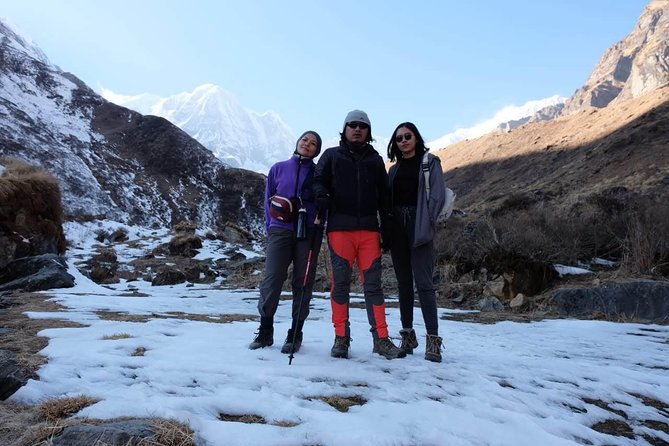
Day by day, the route introduces the signature ABC style: climb, descend, cross, climb again. After Ghandruk, the itinerary routes you toward Chhomrong, and along the way you’ll move through a mix of uphill and downhill sections.
What makes Chhomrong special is the way the trail feeds you views while also training your legs. You’ll deal with steps and gradients, plus a classic suspension bridge crossing that breaks up the monotony of just walking uphill. There’s also a sense of “staging” here: Chhomrong is positioned as a key stop before the trek shifts further into the higher elevations.
This is also where the scenery starts to look more Himalayan and less forest-heavy. The earlier days let you acclimate while staying in a more human-scale environment. By the time you’re approaching Chhomrong and Khuldighar territory, you can feel the altitude game becoming more real.
If there’s a drawback to this part of the route, it’s the stair load. Steps can be harder on your knees later, especially when you’re tired. Solution: take shorter steps on the descent and don’t lock your knees. Small changes keep you comfortable.
The Himalayan Hotel area to Deurali: where your breathing gets honest
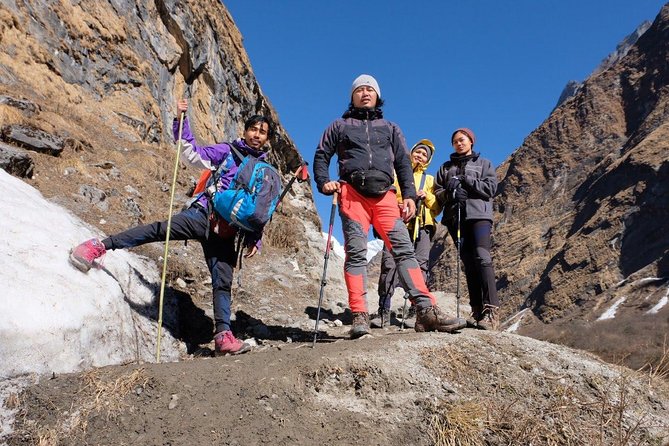
From Chhomrong, the itinerary first sends you down through lots of steps toward Chomrong Khola, then back up. You’ll cross a suspension bridge and keep going uphill to Khuldighar at 2,380 m, and the route continues toward Deurali.
This is one of those days where the time on your feet matters more than the distance on paper. The description points to a climb that becomes more sustained—up through river-bed terrain, then onto steeper paths. You might notice that the trail doesn’t just “go up,” it alternates effort: hard segments followed by brief stretches where you can reset your pace.
Deurali is a useful marker in the trek. It tells you you’re moving from mid-elevation walking into the zone where cold and thinner air become factors. Even if you’ve trekked before, this is where you’ll appreciate having the right gear. The package includes a down jacket and sleeping bag, which helps a lot when temperatures drop at night or when you’re waiting for light to change during a view stop.
Toward Annapurna Base Camp: forest fades, the peaks press closer
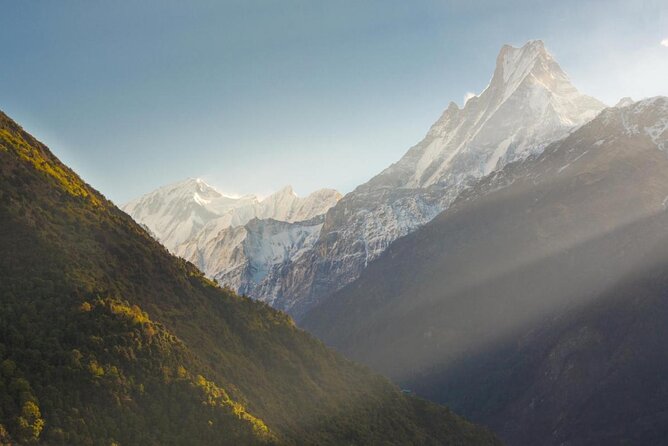
Eventually you reach An hour’s walk from the Himalaya area to Deurali, then you push onward to higher points and finally toward the base camp. One detail in the route description stands out: forested vegetation disappears on the way to Annapurna Base Camp from Machhapuchhre Base Camp. That shift matters. It usually means fewer sheltered moments and more direct exposure to the elements.
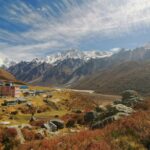
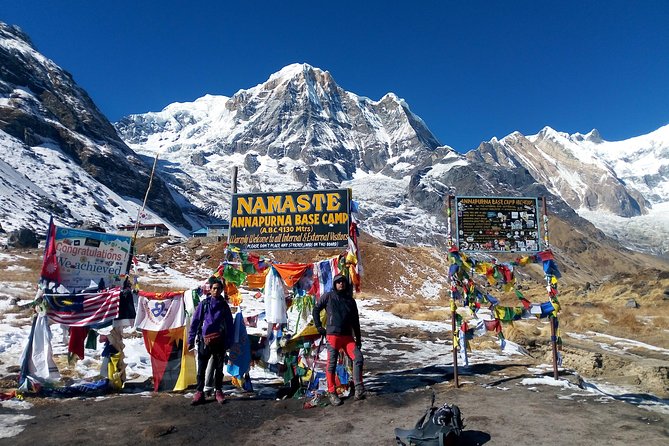
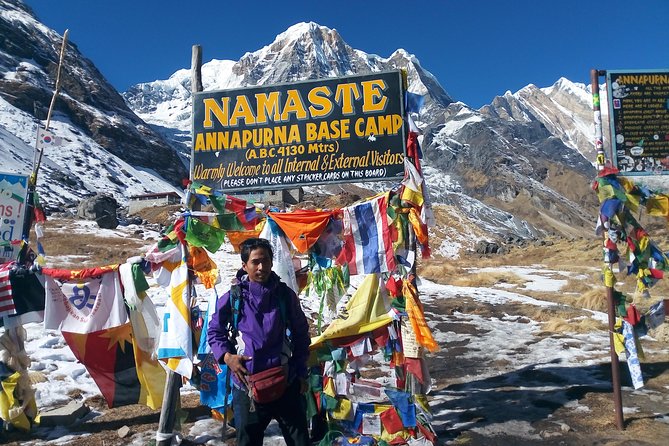
On the day you go from Machhapuchhre Base Camp toward Annapurna Base Camp (4,130 m), the trip becomes a “mountain theater.” Your surroundings start simplifying: fewer trees, more rock and snow-mood, and a clearer line of sight to peaks. The walking still takes time, but the reward is constant—Annapurna massifs, changing cloud layers, and that feeling that you’re finally near the action.
Here’s the practical part: when the forest fades, your body feels weather more. Bring layers you can vent and re-layer quickly. This is exactly why the included down jacket is valuable—you’re not guessing whether you packed the right warmth.
Sunrise at ABC, then the return: how to enjoy the second half
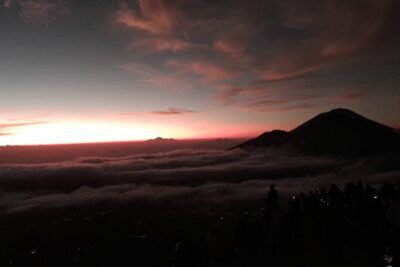
The itinerary includes a classic pattern: reach base camp, then enjoy early morning mountain views from around sunrise. You’ll then descend back on the same general trail. That “same trail both ways” setup is common on Annapurna Base Camp treks, and it’s a blessing for navigation. Less route uncertainty means less mental load when you’re tired.
But the second half is not the same kind of hard. Going up taxes your stamina. Coming down taxes your joints and patience. The days back often feel longer because you’re watching your footing more carefully.
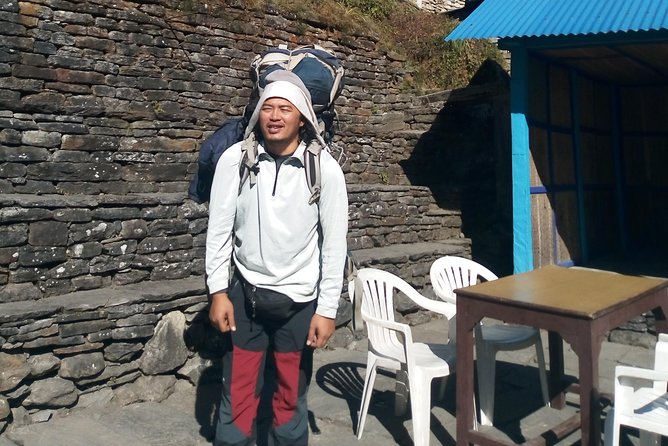
What helps is mindset. Instead of counting minutes to reach a view, focus on pacing down and keeping your steps smooth. If your guide team is strong—and in reviews Sudam and Ganesh are repeatedly praised for looking after the group—you’ll benefit from their guidance on pace, breaks, and staying safe.
Also, there’s a rhythm advantage here: after the high point, the trek eases into a series of descent-and-rebuild days, which makes the whole trip feel less like one long grind.
Jhinu Danda and Chhomrong Khola: the trail that changes your pace
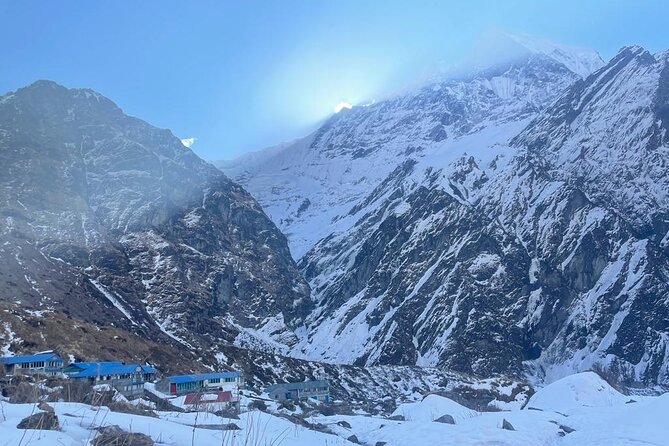
After descending from Annapurna Base Camp, the route continues through Jhinu Danda and the Chhomrong region again. The itinerary description highlights a pattern: trek uphill until reaching Kuldighar, then descend to Chhomrong Khola, then climb through stone steps for about an hour before reaching Chhomrong again.
This matters because you’ll likely experience “loop fatigue”—that feeling of doing similar terrain. The trick is to treat these days as functional training. You’re not just going back; you’re consolidating altitude adaptation and walking form.
Jhinu Danda is one of the names trekkers often recognize, and the itinerary frames this as part of the middle-to-late transition out of the higher elevations. If you’re feeling stiff, this section is where you’ll be grateful for a guide who manages timing. Reviews mention guide attention and support, and that’s often what turns a tough day into a manageable one.
Naya Pul to Pokhara: you trade altitude for time
On the way to Naya Pul, you’ll hike along the side of Modi Khola for around 4–5 hours, then reach Birethanti and continue by private vehicle back to Pokhara. This is a big psychological shift. You’re no longer constantly bracing for altitude strain. Instead, it’s about steady walking and enjoying the lowering terrain.
Pokhara overnight is included, and that gives you a buffer before your leisure day. If you’ve ever pushed too hard right before a rest day, you know the difference a single night’s recovery can make.
This segment is also valuable for logistics. You don’t finish the trek and immediately face complicated transport. You get the win of a smooth vehicle connection back to Pokhara.
Pokhara leisure day: what to do when your legs demand a break
Your itinerary includes a full leisure day in Pokhara with optional sightseeing on your own. Pokhara is known for its lakes, and the route specifically suggests Phewa Lake and Begnas Lake.
This is the day to catch up on sleep, hydrate well, and do light walking without stairs. I like this kind of structure because it keeps you from turning a trekking trip into a 10-day sprint. You’ll also get one more chance to soak up the Annapurna region views without the pressure of trekking.
If you want a simple plan: pick one lake area, walk slowly, and keep your phone charged for sunset clouds. You earned the downtime.
Back to Kathmandu: scenic flight chance, and why it helps
On your final day, you travel back to Kathmandu by scenic flight or bus from Pokhara in the afternoon. The itinerary notes that a flight is extremely scenic and gives you a last look at the Annapurna region mountains.
This is where the trek’s value becomes really clear: you experience the mountain world on foot, then see it again from above on the way out. It’s not just convenience. It’s also a memory-maker.
Once in Kathmandu, the trip returns you to the meeting point area (Chhusya Galli) so you can continue your own travel plans without last-day stress.
Price and value: what $996 buys you (and why it’s not just “a trek”)
At $996 per person for ~10 days, the value comes from what’s included and what that prevents you from having to figure out yourself.
Here’s what stands out as value:
- Permits included: ACAP and TIMS. These are essential for the trek region, and handling them upfront saves headaches.
- Transport coverage: pickup from the airport, Kathmandu sightseeing by private vehicle, tourist bus to Pokhara, private vehicles around Pokhara/Nayapul, and return travel to Kathmandu.
- Support team: a government-licensed guide and a porter system. The package states 2 guests per porter with a 25 kg max baggage limit for the porter.
- Gear included: a sleeping bag and down jacket. That can be a big cost saver if you’d otherwise rent or buy.
- Meals included: breakfast 8 times and lunch/dinner counts are listed as included through the program.
Also, the company limits the group to maximum 16 travelers, which tends to feel more manageable than huge trekking buses of people.
One practical consideration about value: you should still budget for what isn’t explicitly listed, like personal snacks, water needs, and any extra spending for comforts in towns. But compared to DIY trekking, you’re paying for a full system—routes, permits, transport, and a real human support team.
If you care about a guided experience with fewer logistical worries, this price structure makes sense.
Who should book this Annapurna Base Camp route?
This trek fits best if you:
- want a guided Annapurna Base Camp experience with permits handled
- prefer a structured itinerary with transport planned end-to-end
- are comfortable with a moderate fitness level and can handle uphill/downhill days
In the reviews, the strongest praise centers on guides Sudam and Ganesh for taking care of groups, being attentive, and keeping things professional. One review also notes Sudam can speak Chinese, which can be a comfort if that helps you communicate better.
If you’re the kind of traveler who likes to learn as you go—culture in Gurung/Magar villages, mountain names, and the “why” behind pacing—this setup gives you room for that. If you want total independence to choose your own trail pace, a fixed guided schedule might feel limiting, but it’s a trade for safety and smoother logistics.
Should you book this Annapurna Base Camp trek?
I’d book this if you want the Annapurna Base Camp experience without turning your trip into a logistics project. The included ACAP/TIMS permits, the guide-and-porter structure, and the included gear make it easier to travel lighter and focus on the walking. Add in the repeated praise for Sudam and Ganesh, and you’re likely to get more than just route-following—you get someone managing your pace and morale.
I’d rethink it if you know you struggle with altitude, steep stair descents, or long days on rough terrain. The description is clear that the trek has steep ascents and high altitude challenges. This is rewarding, but it’s not a casual hike.
FAQ
What is the price for this Annapurna Base Camp trek?
The price is $996.00 per person.
How long is the trek?
The duration is 10 days (approx.).
Where does the trip start and what time?
It starts at The Great Adventure Treks & Expedition Pvt. Ltd, Chhusya Galli, Kathmandu 44600, Nepal, with a start time of 8:15 am.
Is pickup included?
Pickup from the airport and transfer to your hotel is included, and pickup is offered.
How do permits work for this trek?
The package includes the Annapurna Conservation Area Project Permit (ACAP) and the TIMS (Trekkers Information Management system) card.
What gear is included?
The necessary equipment includes a sleeping bag and a down jacket.
Do I need to carry my own luggage?
A porter is included to carry baggage, with a stated limit of 25 kg max per porter, and the setup notes 2 guest 1 porter.
What is the cancellation refund timeline?
You can cancel up to 6 days in advance for a full refund; 2–6 days before gives a 50% refund; less than 2 days before is not refunded.