REVIEW · CUSCO
Salkantay Trek Standard 5D/4N
Book on Viator →Operated by Conde Travel · Bookable on Viator
Five days, one tough-and-beautiful Andes line. What makes the Salkantay Trek Standard 5D/4N interesting is how it stitches together big-mountain moments and jungle-feeling valleys in one go, while keeping it a small group (max 15). I also like that most logistics are handled for you, but one drawback to plan for is timing and gear: you start at 4:00 am, and key items like a sleeping bag and walking poles are not included.
What I like most is the built-in “comfort layer” for a trek like this: a roomy dining setup and kitchen, plus a cook and assistants who keep meals coming even when the day feels long. I also appreciate that entrance fees to Machu Picchu are included, and you’re guided through the sunrise visit with a private guide—so you’re not just showing up and hoping you know where to go.
In This Review
- Key Things to Know Before You Go
- From Cusco to the Trek Start: What the First Morning Really Means
- Day 1: Soraypampa to Humantay Lake and Camp at Salkantaypampa
- Day 2: Salkantay Pass (4,600m), Wayrac Machaq, and the High-Jungle Shift
- Day 3: Cloud Forest Hiking, Lucmabamba, Coffee Activities, and Optional Hot Springs
- Day 4: Llactapata Views, Hydroelectric Lunch, and the Push to Aguas Calientes
- Day 5: Sunrise at Machu Picchu with Your Private Guide
- What’s Included vs. What You’ll Need to Budget For
- Small-Group Trekging at 15: Where You Feel It
- Pacing, Altitude, and How to Prepare So You Don’t Fight the Trek
- Gear That You’ll Actually Notice During the Trek
- When Things Go Wrong: Refund Reality and Disruption Risk
- Should You Book the Salkantay Trek Standard 5D/4N?
- FAQ
- What time does the trek start?
- Where is the meeting point in Cusco?
- How long is the Salkantay Trek Standard 5D/4N?
- How many nights are spent camping?
- Is Machu Picchu entrance included?
- Does the tour include meals?
- Is the bus from Aguas Calientes to Machu Picchu included?
- Do I need to bring a sleeping bag?
- Are walking poles provided?
- Is ziplining included on Day 3?
Key Things to Know Before You Go
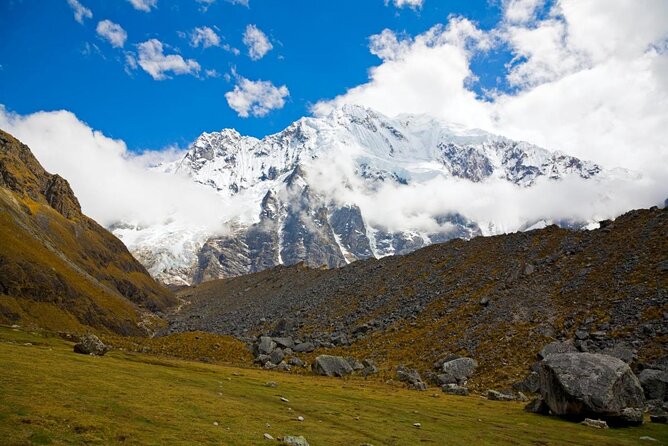
- Small-group cap of 15: you’ll hike with a tighter crew than the giant-bus style treks.
- Salkantay Pass at 4,600m: one high point, paced across a full day, with coca tea to start.
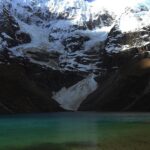
- Humantay Lake at 4,200m: a classic altitude intro on Day 1.
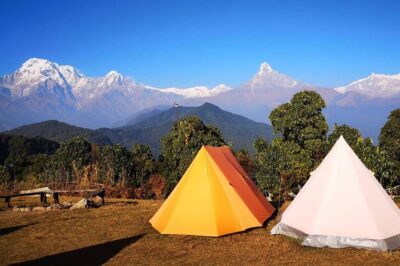
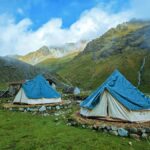
- Camp life is set up for you: tents, dining tables/chairs, and a kitchen are included for the 3 camping nights.
- Day 3 has optional extras: ziplining (only if booked in advance) and Cocalmayo hot springs (extra).
- Machu Picchu sunrise + private guide: you get the ruins with a guide right when visibility is best.
From Cusco to the Trek Start: What the First Morning Really Means
Your day begins fast. You meet at Portal de Comercio 145, Cusco at 4:00 am, then you’re transferred to Mollepata for breakfast before heading up to Soraypampa (3,900m). The point of the early start is simple: you’ll gain altitude and start hiking while it’s still cool enough to move comfortably.
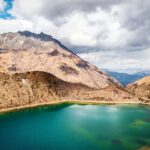
You’ll then walk from Soraypampa toward Humantay Lake (4,200m), and you’ll meet the horse team early. In practice, this matters because the camping equipment is carried by horses, so you’re not hauling the full setup on your back for the trekking nights.
One more detail you’ll feel right away: at this elevation, your body can be fine—or it can get cranky. The tour offers coca tea later in the itinerary, and even without magic, it’s a nice touch that fits the Andes rhythm.
You can also read our reviews of more tours and experiences in Cusco.
Day 1: Soraypampa to Humantay Lake and Camp at Salkantaypampa
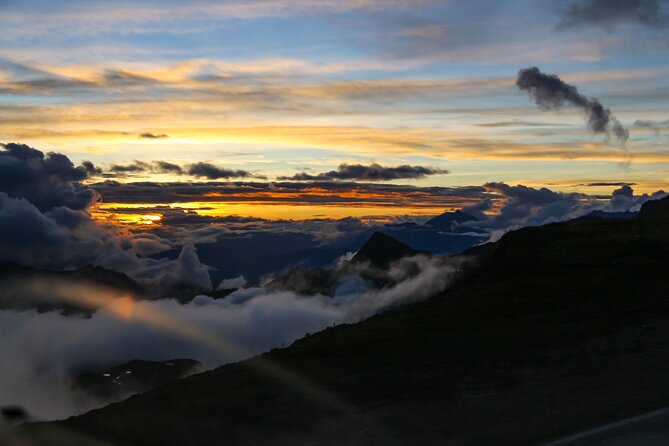
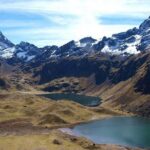
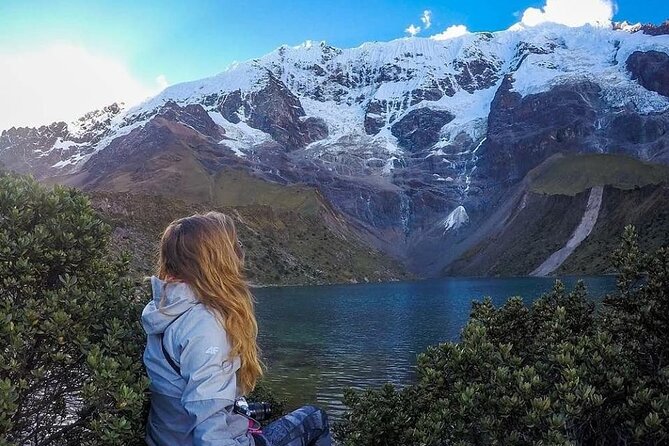
Day 1 is basically your “Andes intro” day, and it’s built to ease you in. After breakfast in Mollepata, you reach Soraypampa at 3,900m and start hiking to Humantay Lake (4,200m). Even though it’s not the highest day, this stretch is where you learn how your breathing changes with altitude.
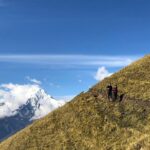
You’ll visit Humantay Lake, then return to Soraypampa. Lunch is handled back at the base point, with the cook waiting for you—so you’re not searching for food options after a half-day of hiking. From there, the plan moves on to Salkantaypampa (your basecamp) where you get views of the snowy peak of Salkantay.
After check-in, you’ll have afternoon tea and then dinner. That sounds simple, but on a trek, it’s a real morale booster. When you know you’ll eat soon and warm up after hiking, you can push the day without second-guessing.
What to consider: this is the first altitude jump and a long day from Cusco. If you’re the type who hates early mornings and strict schedules, this trek will feel “busy” from the first hour.
Day 2: Salkantay Pass (4,600m), Wayrac Machaq, and the High-Jungle Shift
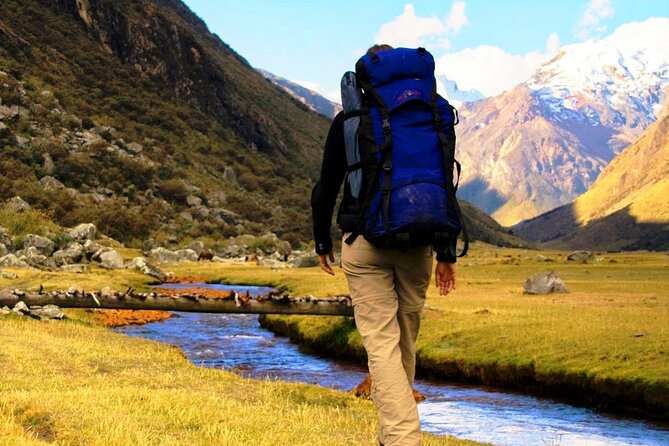
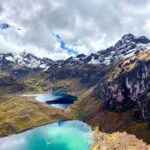
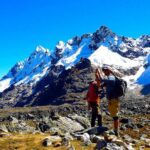
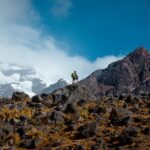
Day 2 is your big-mountain push. You wake up, drink coca tea, and have breakfast with mountain views. Then you hike to the Salkantay Pass (4,600m), described as about 3 hours to reach the highest point.
That altitude is serious. Even with a guided itinerary, the key is pacing: don’t sprint the pass. Think steady steps, short breaths, and slow confidence. When you hit the pass, you’ll feel that you’ve earned it—then the trek changes character.
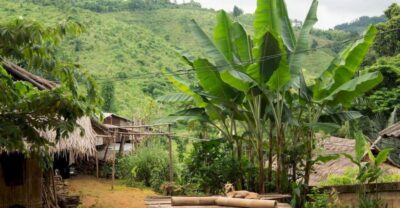
From the pass you head toward Wayrac Machaq for lunch. After lunch, you continue downhill into what the itinerary calls the high jungle, where you’ll notice trees with extended arms over streams, plus bromeliads and orchids. This is one of the neat tricks of the Salkantay route: you’re not just going “up and up.” You’re transitioning into a different ecosystem as you lose altitude.
The day continues until the 2nd campsite, for an estimated 8 hours of hiking. That’s a long day after Day 1, but the route is designed with lunch and a camp rhythm in mind.
Possible drawback: the “high jungle” section means you might feel damp or warmer than the higher ridges, and the terrain can get slippery. Bring layers and plan for changing conditions rather than one weather “guess.”
Day 3: Cloud Forest Hiking, Lucmabamba, Coffee Activities, and Optional Hot Springs
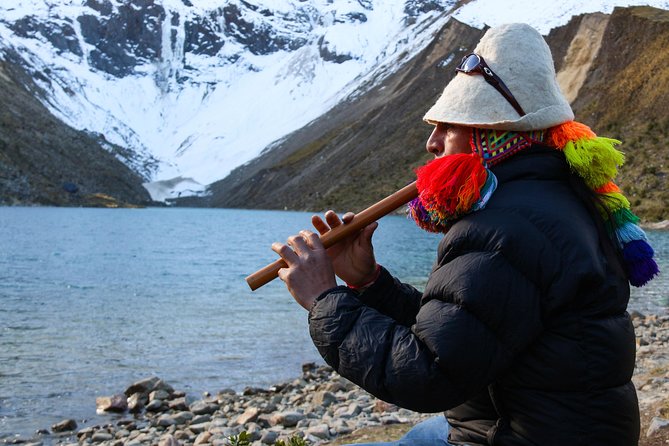
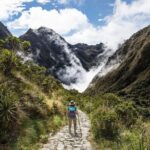
Day 3 starts early with breakfast, then you hike along the cloud forest for about 3 hours. This is where you’ll notice more constant green, plus rivers and waterfalls. The sound of water is a good sign on trek days: it often means steadier humidity, cooler air, and ground that can be tricky after rain.
After lunch, it’s another 3 hours to Lucmabamba campsite. Lucmabamba is also where the itinerary opens the door to optional fun. If you book in advance, you can do ziplining. That’s not part of your included package, but it’s there if you want something off the hiking routine.
Back at camp, there are also activities related to coffee plantations and processing. You’ll get a taste of how the region turns crop work into local life—an angle that’s easy to skip on purely sightseeing-focused days.
Then comes the optional “soak it off” idea: you can go to Cocalmayo hot springs, about 30 minutes from the campsite, but this is not included. The extra transportation and entrance fees aren’t covered, so treat it as a bonus, not a plan-you-must-do moment.
What to consider: this is your middle day on the trek with energy still needed for tomorrow. The best approach is choose one optional activity, not three. That keeps Day 4 from turning into a forced grind.
Day 4: Llactapata Views, Hydroelectric Lunch, and the Push to Aguas Calientes
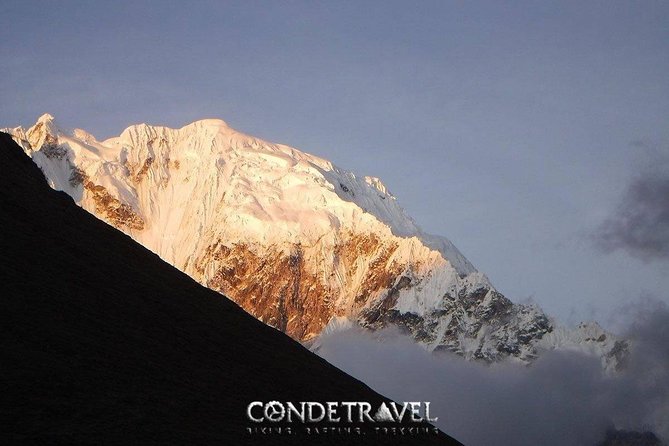
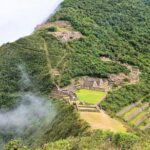
Day 4 is another turning point. You start with breakfast, hike to Llactapata, and get a view that includes Machu Picchu. Llactapata is famous for giving trekkers a sense of “we’re close,” and it works here because it happens before the final stair-step into the next town.
After that viewpoint moment, you walk downhill to Hydroelectric for lunch. Then you continue hiking for about 3 more hours to Aguas Calientes. This is the day where many people feel the difference between “cool mountain trekking” and “we’re almost done, keep moving.”
Instead of another night of camping, tonight you stay in a hotel in Aguas Calientes. (The included info calls it lodging in Aguas Calientes, listed as a hostel—either way, you should expect actual indoor beds rather than tents.)
This is also the night to plan your Machu Picchu morning. Pack for comfort: layers for early time, water, and whatever you prefer for sunrise photos.
Day 5: Sunrise at Machu Picchu with Your Private Guide
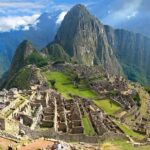
The final morning is early again. You take buses up to Machu Picchu for the sunrise, then explore the site with your private tour guide.
This is where the included Machu Picchu entrance fees matter. You don’t need to hunt tickets or wait around for transfers that can eat your best light. And because you have a guide, you’ll spend your time understanding what you’re seeing rather than wandering in circles.
After you finish at Machu Picchu, you return by train and bus back to Cusco. The included details cover the train from Aguas Calientes to Ollantaytambo and transportation from Ollantaytambo to Cusco.
One practical consideration: the itinerary notes buses up for sunrise, but the “Up or Down Bus from Aguas Calientes to Machu Picchu” is listed as not included. That means you should confirm what, if anything, you’re paying for on the bus side when you book—don’t assume the money is fully handled.
What’s Included vs. What You’ll Need to Budget For
This trek’s biggest value is what it bundles: transfers from Cusco to Mollepata, entrance fees to Machu Picchu, a professional bilingual guide, plus a cook and assistants. You also get a dining tent and kitchen with chairs and dining tables, plus a first aid kit.
For sleep and meals, it includes:
- 3 nights camping
- 1 night lodging in Aguas Calientes
- Breakfasts (4), lunches (4), dinners (4)
It also includes the rail/bus logistics on the back end: the train back to Ollantaytambo, then transfer to Cusco.
What’s not included is equally important:
- Sleeping bag
- Walking poles
- Up/Down bus between Aguas Calientes and Machu Picchu
- Optional ziplining
- Optional Cocalmayo hot springs (extra transport and entrances)
- Huayna Picchu or Machu Picchu Mountain entrances (these are not included)
So the “real budget” for this trek is not only the tour price. It’s also gear and the optional add-ons you choose.
Small-Group Trekging at 15: Where You Feel It
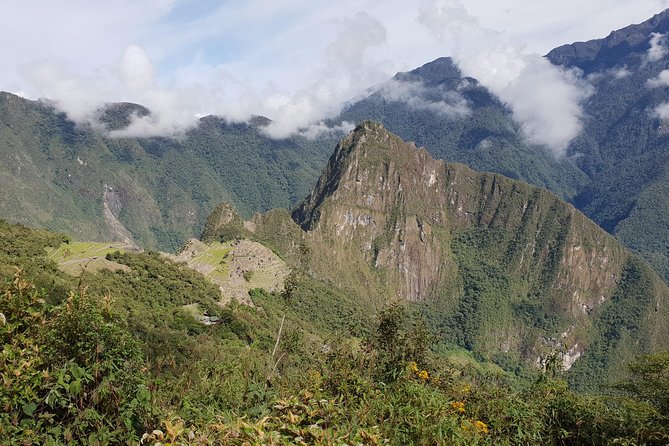
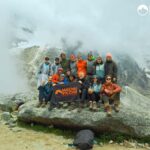
A group cap of 15 people sounds like a marketing number until you’re hiking in tight terrain. On Salkantay, where the pass and downhill segments can get crowded, a smaller group can mean less pushing, fewer bottlenecks, and a more human pace.
It also changes camp. When the operation is smaller, you tend to feel the difference in how the staff manages meals and timing. And because you have a cook and assistants, you’re less reliant on your own improvisation for dinner and breakfast.
That said, small groups still follow a schedule. If your ideal trekking style is totally unstructured, this one is guided and planned.
Pacing, Altitude, and How to Prepare So You Don’t Fight the Trek
This route climbs to 3,900m, visits 4,200m, and reaches a high point of 4,600m. That’s not just numbers on paper—it’s your breathing, sleep quality, and energy levels.
A simple approach that works well is:
- Walk slower than you think you need on the uphill segments.
- Keep water intake steady (you might not feel thirsty at altitude).
- Plan layers. Mornings can feel cool, afternoons can feel warmer as you change elevation.
One small cultural detail in the itinerary is coca tea, served as part of the trek rhythm. I’d treat it as a comfort item, not as a substitute for smart pacing.
Also, “most travelers can participate” is encouraging—but this is still a trekking circuit with full hiking days and early starts. If you have any heart or altitude concerns, check with a medical professional before signing up.
Gear That You’ll Actually Notice During the Trek
The tour does not include a sleeping bag or walking poles, so I’d plan for that before you arrive in Cusco. If you’re renting gear locally, try to do it early so you’re not stuck with an item that doesn’t fit or feels too thin.
For your own comfort (not provided by the tour), I’d also consider:
- A rain layer (conditions change fast)
- Warm layer for early and high passes
- Headlamp for early mornings
- Sturdy shoes you already trust on uneven ground
- A small daypack for water and layers
You don’t need to go fancy. You do need gear that works for hours of walking and a few nights in camp.
When Things Go Wrong: Refund Reality and Disruption Risk
The tour is listed as non-refundable and cannot be changed for any reason. That’s a harsh rule, and it’s worth taking seriously when you’re planning a trek with travel connections.
In one account tied to this kind of trip, the person described disruption from transport strikes and even reported a theft during the trip stress. I can’t control the world, but I can control how cautious you are: if there’s one thing I’d do, it’s buy travel insurance that covers trip interruption and keep your finances safer than you think you need.
Also, start-to-finish trekking tours rely on timing. So if your Machu Picchu plans depend on other bookings (train schedules, hotel check-in deadlines, or bus rides), build in flexibility where you can.
Should You Book the Salkantay Trek Standard 5D/4N?
Book this trek if you want:
- A single itinerary that covers Humantay Lake, Salkantay Pass, cloud forest hiking, and Machu Picchu sunrise.
- A guided, small-group experience where meals, camp setup, and key entrance fees are handled.
- The satisfaction of hiking hard days and still ending with guided access to Machu Picchu.
Consider skipping or choosing a different setup if:
- You don’t want early mornings (4:00 am start and sunrise buses).
- You’d rather not deal with not-included items like a sleeping bag, walking poles, and potential bus costs.
- You’re traveling in a period where transport disruptions are a real concern and you can’t accept the no-refund rule.
If you’re fit, flexible, and ready for altitude day after altitude day, this trek is a strong match. You’ll come away with more than one view. You’ll have the full route story in your legs, and you’ll reach Machu Picchu with a guide who helps you see it properly.
FAQ
What time does the trek start?
It starts at 4:00 am from the meeting point in Cusco.
Where is the meeting point in Cusco?
The meeting point is Portal de Comercio 145, Cusco 08002, Peru.
How long is the Salkantay Trek Standard 5D/4N?
The itinerary is about 5 days (5D/4N).
How many nights are spent camping?
You’ll spend 3 nights camping, plus 1 night lodging in Aguas Calientes.
Is Machu Picchu entrance included?
Yes, entrance fees to Machu Picchu are included.
Does the tour include meals?
Yes. Included meals are breakfast (4), lunch (4), and dinner (4).
Is the bus from Aguas Calientes to Machu Picchu included?
No. The Up or Down Bus from Aguas Calientes to Machu Picchu is listed as not included.
Do I need to bring a sleeping bag?
Yes. A sleeping bag is not included.
Are walking poles provided?
No. Walking poles are not included.
Is ziplining included on Day 3?
Ziplining is not included. It’s listed as an optional activity that you can do if you book in advance.