REVIEW · SA PA
Sa Pa: Fansipan Peak One Day Trek with Local Guide
Book on GetYourGuide →Operated by Motorbike Tour Sapa · Bookable on GetYourGuide
Fansipan rewards the climb. From Sapa, this one-day trek pairs an English-speaking guide like Binh with the push to the 3,143 m summit. The main drawback to plan for: fog or clouds can blank out the big views.
I also like the way the route builds steadily: a taxi ride up to Tram Ton Pass at 2,000 m, then a forest hike that eventually funnels you into clearer air. And your fuel stop is genuinely high—lunch at 2,800 m—which helps you keep energy for the top. One thing to respect: the trail can get very slippery, especially on wet days.
In This Review
- Key highlights worth caring about
- Fansipan Peak: what Roof of Indochina actually feels like
- Getting to Tram Ton Pass: the taxi start that sets the tone
- The forest hike: cardamom air, pine shadows, and the bamboo shift
- Lunch at 2,800 meters: the reset you’ll thank yourself for
- The summit push to 3,143 m: Roof of Indochina, weather permitting
- Coming back down: Tram Ton Pass and the slippery truth
- Price and value: what $64 covers (and what doesn’t)
- What to pack (and what can ruin your day)
- Who should do this trek, and who should skip it
- Should you book this one-day Fansipan trek?
- FAQ
- Where does the trek pickup happen in Sapa?
- How high is Tram Ton Pass, and what’s the summit height?
- What altitude is lunch, and what’s included?
- Is an English-speaking guide included?
- What kind of scenery and plants will I see?
- Is the cable car included to get down?
- What should I bring, and what am I not allowed to do?
Key highlights worth caring about
- English-speaking guiding that stays practical: You’ll hike with local direction and support through the tougher bits.
- Hoang Lien Son forest chemistry: Giant pine trees, yellow bamboo, and the cardamom scent show up as you climb.
- A real lunch at altitude (2,800 m): Not a quick snack stop—this is a proper pause to eat and reset.
- Summit payoff at 3,143 m: Fansipan, the Roof of Indochina, puts you high enough for big-sky feeling.
- Views depend on weather: Fog can reduce what you see, even when you earn the summit.
- Included essentials for the day: Transport, park fee, guide, lunch, water (1.5 liter), and a rain coat on rainy days.
Fansipan Peak: what Roof of Indochina actually feels like
Fansipan is often described like a landmark. On this trek, it’s more like a goal you can measure with every step. The summit sits at 3,143 meters, so even if the day isn’t perfect, you still get that sense of altitude and achievement.
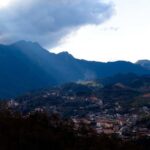
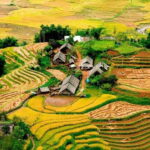
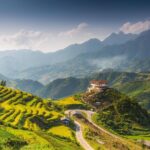
What makes it interesting is the mix of environments along the way. You’re not only walking up a path. You’re moving through Hoang Lien Son mountain terrain where the vegetation changes as you gain height. Reviews also point out specific plants you notice on the climb—giant pine trees, yellow bamboo, and cardamom plants—which turns the hike from just cardio into a walk with something to spot.
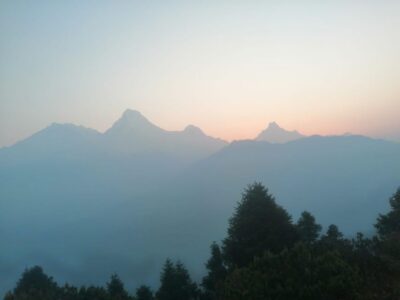
The other reality check: views can be hit-or-miss. One of the most common frustrations is fog and clouds covering the scenery. That doesn’t ruin the challenge, but it can dull the main reason people want the summit photos. Your best move is to treat the climb as the main event, and the views as the bonus.
You can also read our reviews of more tours and experiences in Sa Pa.
Getting to Tram Ton Pass: the taxi start that sets the tone
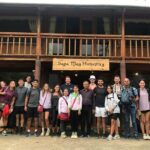
Your day starts with pickup in Sapa (either Sapa Church or another central location). Then you take a taxi up to Tram Ton Pass, which sits at 2,000 meters.
That matters more than it sounds. Starting at height means you begin closer to the hiking world you’re there for, so your body isn’t fighting a total lowland-to-summit jump all in one go. It also means you spend more of the day hiking than transferring.
The practical tip: bring a jacket even if Sapa feels mild when you start. At these altitudes, weather shifts fast. The tour includes a rain coat for rainy days, but layers still help you manage wind and mist without overheating.
The forest hike: cardamom air, pine shadows, and the bamboo shift
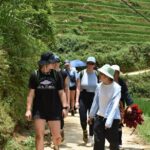
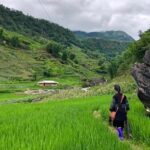
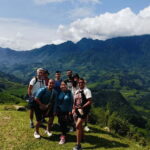
Once you reach Tram Ton, the climb begins. You’ll hike deep into the forest, surrounded by tall trees and that distinctive aroma from cardamom plants. This part of the trek is why people come: it feels like a living mountain walkway, not just a line on a map.
You’ll also pass through a section that signals you’re gaining altitude in a noticeable way. After about two hours, you reach the bamboo forest, where vegetation gets lower and the route starts to open up visually. That shift tends to make the hike feel more “in motion,” because you can see farther ahead when you crest into areas with less canopy.
Here’s what to watch: this segment can be tough and sometimes very slippery. On wet trails, footing becomes the challenge, not just stamina. Wear hiking shoes with real grip and keep your steps slow and deliberate. A quick pace feels good early, but on slippery mountain trail, steadiness beats speed every time.
Lunch at 2,800 meters: the reset you’ll thank yourself for
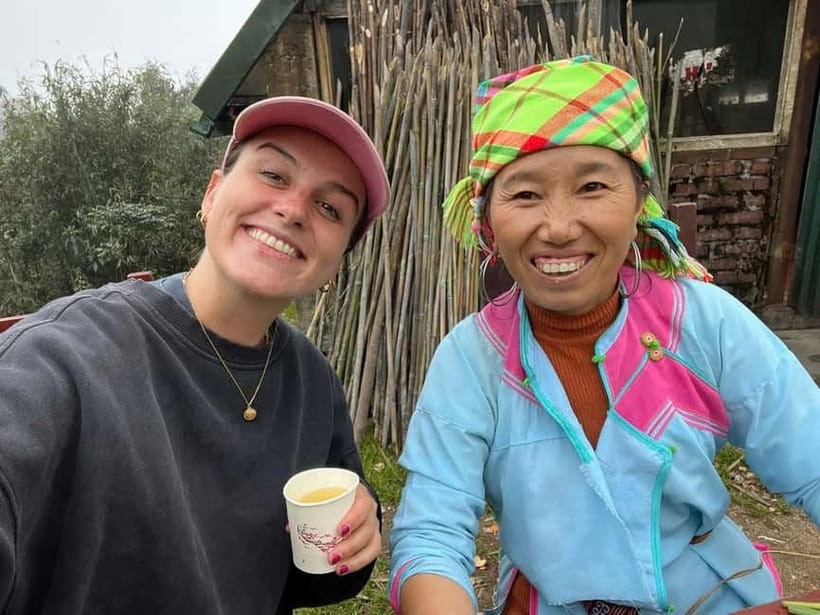
Your first major pause comes at around 2,800 meters. That lunch stop isn’t just a break—it’s strategic. Eating higher on the mountain helps you refuel before the summit push, and it also gives you a chance to warm up if the temperature drops.
What makes this stop stand out is that your guide handles it as part of the experience. Reviews highlight that the lunch made about halfway up can be truly enjoyable, not basic. One recurring detail: people describe the food as delicious, and that it hits the spot when the climb is already demanding.
Practically, you’ll want to treat this as a real meal:
- Eat enough to keep going, not just a few bites.
- Take a few minutes to rest your legs before you move again.
- Use the included 1.5 liter bottle of water wisely, especially if it’s a warm day.
If fog rolls in, this lunch break is also when you’ll notice your next phase feels different. The air can turn cooler and windier. Having food in you helps you stay steady when conditions change.
The summit push to 3,143 m: Roof of Indochina, weather permitting
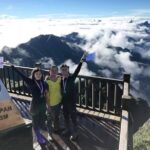
From the lunch stop, you continue upward until you arrive at Fansipan Peak at 3,143 meters. This is the moment the trek is built around. Even without perfect visibility, reaching the top is the big win.
If the sky clears, you’ll take in the views from the Roof of Indochina. And if the sky doesn’t clear, you’ll still get something valuable: perspective. One review notes the guide showed photos of what the view should look like when conditions cooperate, which is a smart way to help you feel the achievement even when fog limits visibility.
There’s also a nice finish reported by some groups: medals at the end. It’s a small ceremonial touch, but it does make the day feel like an accomplishment rather than just a hike with a bus ride afterward.
Two caution points for the summit day:
- Weather can include rain and strong winds, which makes the climb more complicated.
- Conditions change quickly, so don’t wait until you’re already cold or wet to adjust.

Coming back down: Tram Ton Pass and the slippery truth
After the summit, you’ll descend back to Tram Ton Pass, then take a taxi back to Sapa to end the tour.
Descent is often harder than people expect. Your legs can feel heavy, and your focus shifts from climbing rhythm to careful foot placement. If the trail is slippery, this part can be where you’ll feel it most in your knees and ankles.
The good news: you already know the route profile now. You’ve passed the bamboo forest section, you’ve done the altitude climb, and you have a clearer idea of where the steeper or more technical parts are. That mental map helps you stay patient.
Practical advice: keep your steps short on descent and avoid rushing just because you’re going down. The goal is to finish with legs intact, not to “win” the last minutes.
Price and value: what $64 covers (and what doesn’t)
At $64 per person, this trek can feel like a bargain—or like a fair price—depending on what you compare it to. The value is clear because several costly items are included.
Included highlights:
- English-speaking guide
- Lunch
- Hoang Lien National Park entrance fee
- Transport (Sapa ↔ Tram Ton)
- 1.5 liter bottle water
- Rain coat (on rainy days)
- Porter for 4 people or more
- Certification
- A big one: you’re not left to organize the whole day by yourself
What’s not included:
- Cable car down (if you reach the top and want to use the cable car instead of walking down)
One more key detail: after booking, you’ll be asked to send your passport for the climbing procedure. That’s not a cost in the usual sense, but it’s a real planning step. If you prefer not to share your passport, you’ll want to sort that requirement early.
My practical take: the price makes sense if you want a guided day with transport, park fees, and lunch handled for you. If you’re already planning to add the cable car down, you should factor that extra spend into your total budget from the start.
What to pack (and what can ruin your day)
You’ll want a simple, functional kit. The tour lists what you should bring:
- Hat
- Hiking shoes
- Sunscreen
- Jacket
- Comfortable clothes
- Daypack
Even with a rain coat included, I’d still pack smart for variable weather. A jacket and sunscreen are the two I’d never skip. Wind at height can be a surprise, and sun can still hit between cloud breaks.
Also note the trail rules:
- No littering
- No making fire
These rules aren’t just for show. On a mountain trek, they help protect the forest you’re walking through and keep the environment safe for everyone.
If you’re tempted to bring heavy extras, resist. You’ll already have enough to think about: footing, altitude pace, and staying warm if the weather turns.
Who should do this trek, and who should skip it
This climb is a challenge. The tour is not for everyone, and that’s important.
Not suitable for:
- People with heart problems
- Wheelchair users
- People with respiratory issues
- People with low level of fitness
In real terms, you should book only if you can handle sustained uphill hiking and careful footing at altitude. If you’re unsure, be honest about your fitness. This trek isn’t just a casual nature walk.
It’s a good fit for you if:
- You want a guided hike with an English-speaking local.
- You care about the experience of the Hoang Lien Son forest, not only the summit photo.
- You like structured breaks, especially lunch at 2,800 meters.
Should you book this one-day Fansipan trek?
Book it if you want a well-organized, guided shot at the Roof of Indochina where the logistics are handled: pickup in Sapa, taxi to Tram Ton, a guided hike through distinct mountain vegetation, and a proper lunch at altitude.
I’d hesitate if:
- You’re mainly chasing perfect summit views and can’t handle the possibility of fog or clouds.
- You’re sensitive to slippery conditions or you know your knees don’t like steep descents.
- You fall into the health categories listed as not suitable.
One smart move: ask how your guide plans to adapt if weather rolls in. The best version of this trek is when the guide helps you keep the experience rewarding even when the visibility isn’t there.
If you’re ready for a real mountain challenge with a guided pace, this one-day Fansipan trek is a strong value way to earn that 3,143-meter summit moment.
FAQ
Where does the trek pickup happen in Sapa?
Pickup is from Sapa Church or another central location in Sapa.
How high is Tram Ton Pass, and what’s the summit height?
The taxi ride goes to Tram Ton Pass at 2,000 meters. The summit is Fansipan Peak at 3,143 meters.
What altitude is lunch, and what’s included?
Lunch is served at about 2,800 meters, and it’s included in the tour price.
Is an English-speaking guide included?
Yes. The tour includes an English speaking guide.
What kind of scenery and plants will I see?
On the hike you’ll pass through Hoang Lien Son forests and may see giant pine trees, yellow bamboo, and cardamom plants, including a bamboo forest section after about two hours.
Is the cable car included to get down?
No. The cable car is not included. It’s only relevant if you want to take it down separately.
What should I bring, and what am I not allowed to do?
Bring a hat, hiking shoes, sunscreen, jacket, comfortable clothes, and a daypack. You’re not allowed to litter or make fire.