REVIEW · SA PA
From Sapa: Muong Hoa Valley View & Village Trek 1-Day
Book on GetYourGuide →Operated by Sapa Nomad · Bookable on GetYourGuide
A steep start in Sapa can turn into a big view. This one-day Muong Hoa Valley trek takes you through Black Hmong villages, up to a high viewpoint with sweeping scenery, and down past terraced hillsides. I especially like the English-speaking guide who keeps things clear and human, and the chance to walk among working rice terraces instead of just passing by. The main drawback to plan for is the steep, rough hiking—this is not a casual stroll.
You’ll get a well-paced day with a real local lunch at Hang Da Village, then more village time around the highest stop in Sapa, Tao Sha. It also helps that the tour runs as a private group, so you’re not tied to a crowd’s pace. Just know this isn’t suitable for everyone—pregnant women are listed as not recommended—and you’ll want solid mobility for the climbs and descents.
In This Review
- Quick take: what you’ll notice right away
- The big idea: why this trek feels more real than a drive-by
- How the day runs (8:30 pickup to ~16:00 return)
- Sa Seng Village and the first steep push
- Ham Rong mountain: the panoramic payoff
- Hang Da Village lunch: cliffside road and cloud-hunting time
- Tao Sha: the highest village stop in Sapa (Black Hmong country)
- Hau Thao rice terraces and bamboo forest walking
- Ancient stone Sapa: the 200-block finale
- Timing and fitness: what you should be ready for
- Guides matter: English help and low-pressure village interaction
- Price and value: is $36 reasonable for this itinerary?
- Optional herbal baths and foot care: a calm finish
- Should you book this Muong Hoa Valley 1-day trek?
- FAQ
- What time does the Muong Hoa Valley trek start?
- How long is the tour and how many hours are you hiking?
- Which villages and stops are included?
- Is lunch included, and where do you eat?
- What’s included in the price?
- Is the tour private, and what language do the guides speak?
- What fitness level do I need?
- Is the tour suitable for everyone?
- Is there an optional activity at the end of the trek?
- What if I need to cancel?
Quick take: what you’ll notice right away
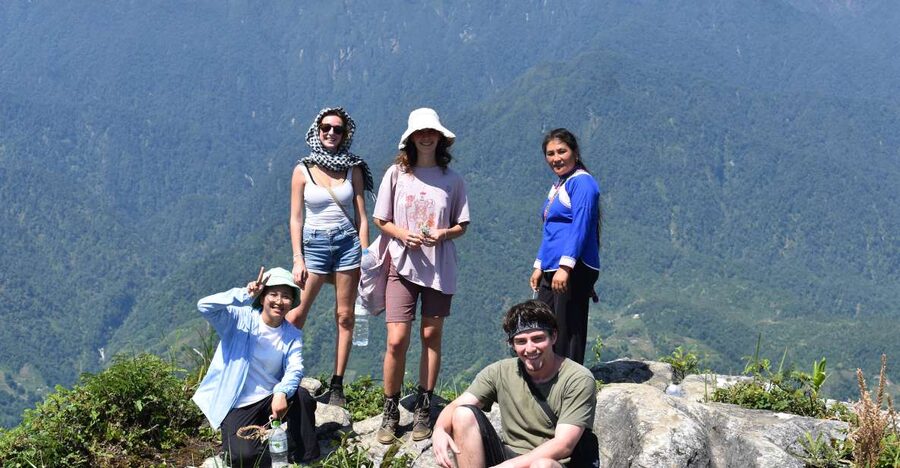
- Full Muong Hoa Valley viewpoints plus summit-level panoramas over Sapa and the Hoang Lien Son range
- Black Hmong village stops in Sa Seng and Tao Sha (Sapa’s highest village area)
- Hang Da Village lunch in a dramatic cliffside setting, with cloud-spotting time built in
- Rice terraces + bamboo forest walking around Hau Thao, where the white cloud layer can show up
- A unique finish at ancient stone Sapa with about 200 stone blocks and unusual shapes
- Low-pressure vibe on the trail, with plenty of friendliness and minimal hard selling
The big idea: why this trek feels more real than a drive-by
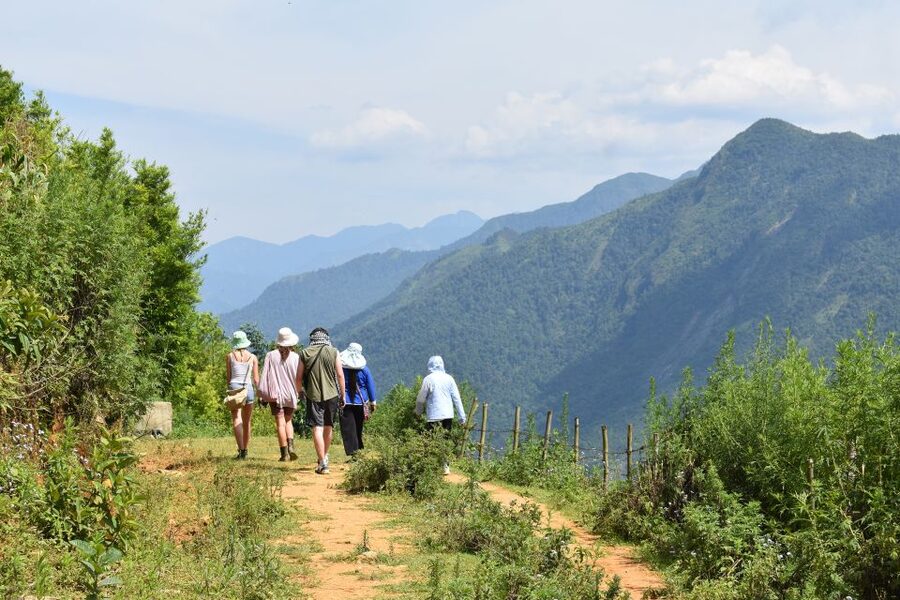
Most Sapa tours give you views from a bus window. This one asks you to earn them, one footstep at a time. You’re walking mountain paths, seeing the contours of terraced hillsides close up, and meeting people where daily life is happening, not behind a ticket line.
What makes it work is that the day balances effort and reward. You’ll climb early toward viewpoint time, eat somewhere genuinely scenic, then continue with multiple village-and-terrace moments before heading back to town. If you’re the kind of traveler who likes quiet days and doesn’t need shopping stops, this has that feeling.
The other reason it’s satisfying is how the scenery changes during the day. Early you’re chasing height and distance. Later you’re surrounded by fields, forest edges, and clouds that can roll low enough to make you feel like you’re inside the weather.
You can also read our reviews of more tours and experiences in Sa Pa.

How the day runs (8:30 pickup to ~16:00 return)
The standard plan starts at 8:30 with pickup from your hotel in Sapa. From there you head into the trekking route and begin the ascent toward Sa Seng Village.
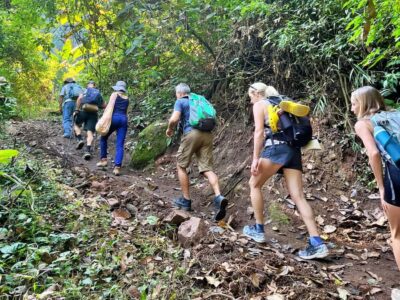
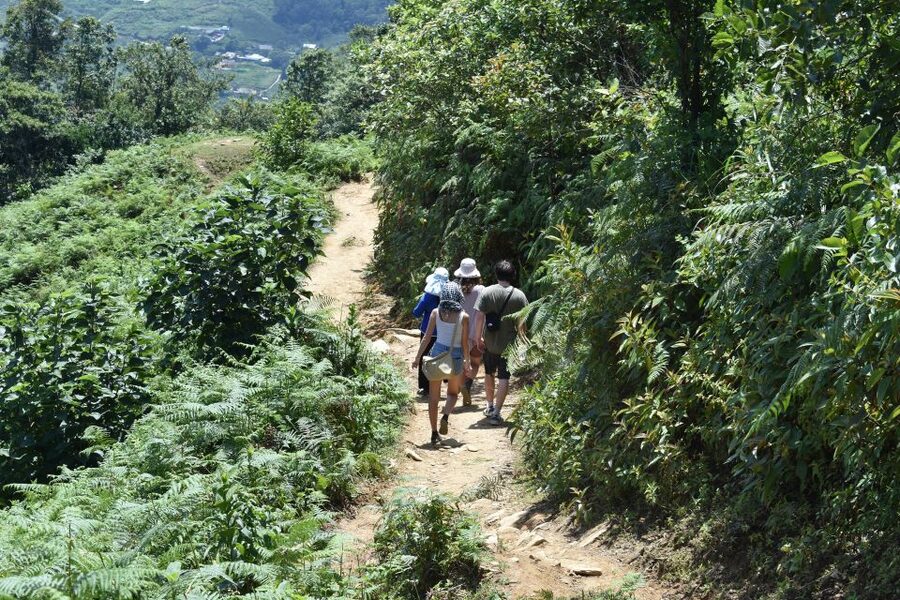
You’ll be walking on rough mountain roads and steep paths, sometimes with narrow sections that follow the hillside. The itinerary is designed so that the hardest climbing is front-loaded, and the later parts focus more on village exploring and scenic walking.
In total, plan on about 6–7 hours of hiking within a full day that runs until around 16:00 when you return by car. If you’re prone to rushing, slow down on purpose. The views are better when you give your breath time to catch up.
Sa Seng Village and the first steep push
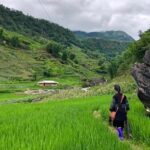
The early stretch runs along the mountains and leads you through Black Hmong villages—starting in Sa Seng. This is the part where your legs will remember you booked a trekking tour.
The trail can feel rough in the beginning, with steep sections that climb quickly. It’s not just about distance; it’s about footing and steadiness. One review-style detail worth noting: you might also see animals along the way, which adds to the lived-in, countryside feel.
I like this opening because it sets the tone. Instead of stepping straight into a postcard view, you spend time moving through the edge of village life first. You’re warming up your eyes and your mind for what’s coming—terraces, cloud layers, and higher villages.
Ham Rong mountain: the panoramic payoff
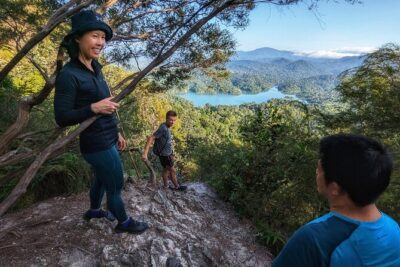
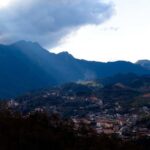
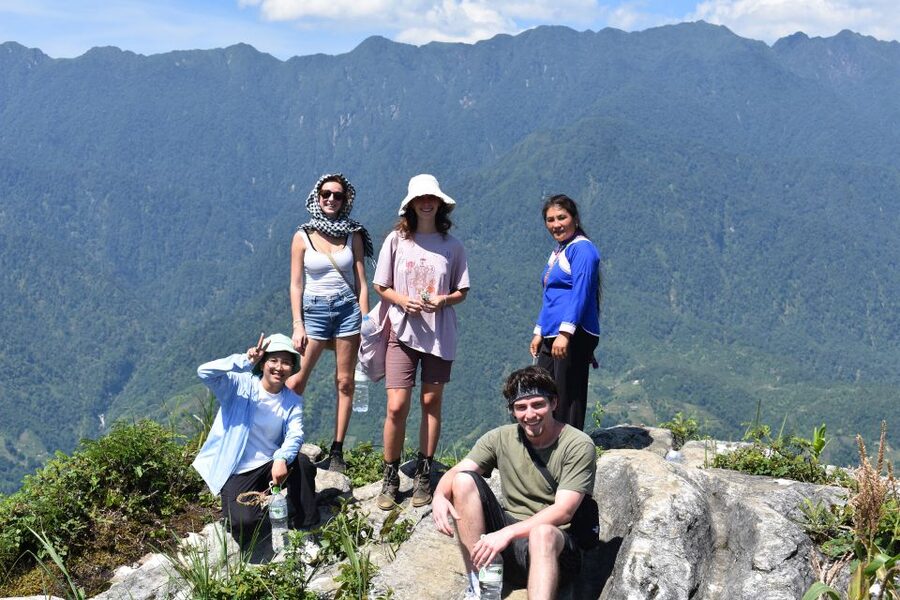
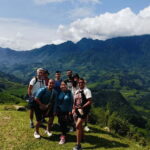
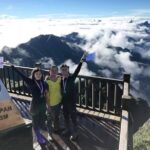
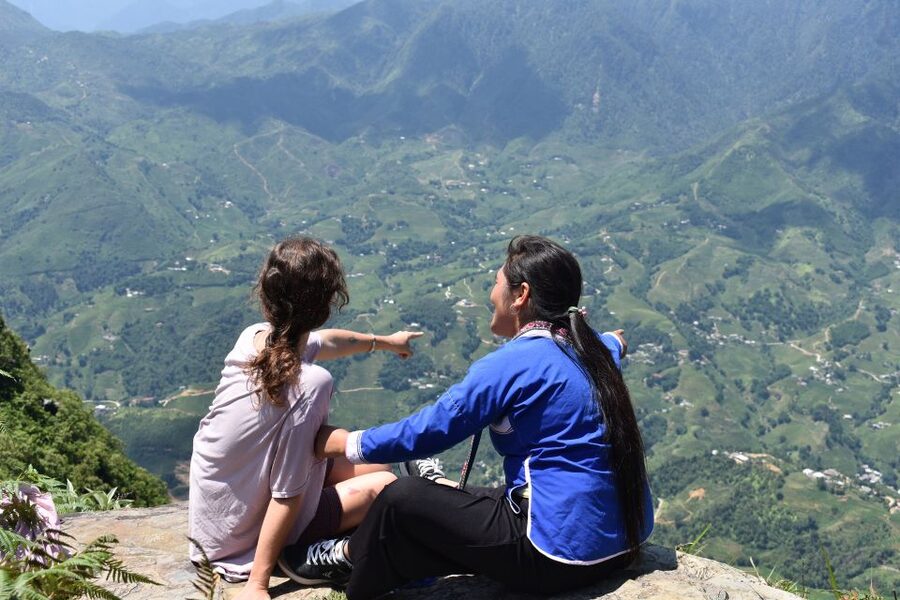
As the morning progresses, the trek passes through the top area of Ham Rong mountain. From here, you get a broad panorama over Sapa town and the Hoang Lien Son range.
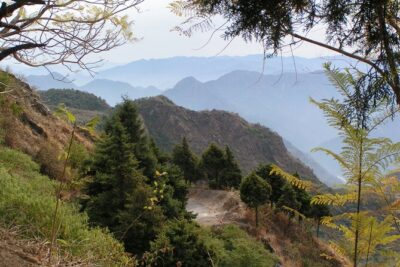
This is where the day earns its reputation. You’re high enough to see patterns—how ridgelines shape the fields, how villages sit in the folds of the hills, and how weather changes the color of everything. If you’re hoping for cloud drama, this is often the moment when it starts to feel close.
Practical note: if you get cold on viewpoints, bring whatever you normally use for mountain air. The itinerary itself doesn’t mention gear, but mountain weather doesn’t need permission.
Hang Da Village lunch: cliffside road and cloud-hunting time
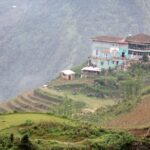
Around 11:30, you stop for lunch at Hang Da Village. The approach is memorable: the road to the village is described as running with one side near a cliff, and the other side opening out toward the Muong Hoa valley.
Lunch here matters because it’s not tucked into town. It’s part of the landscape experience—green forests, far mountains, and sweeping terraced scenes that you can look at while you eat and recover.
One of the most charming details is the idea of hunting clouds. Hang Da is described as a great spot for seeing clouds and sky rolling through the valley. It’s a simple activity—just pause, look, and let the mountain show you what it’s doing.


Tao Sha: the highest village stop in Sapa (Black Hmong country)
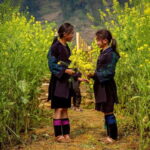
After lunch, you continue toward 13:15, when you’re given views over the Muong Hoa Valley and Hoang Lien Son again. Then you reach the highlight for many people: the chance to discover Tao Sha, described as the highest village in Sapa and home to the Black Hmong community.
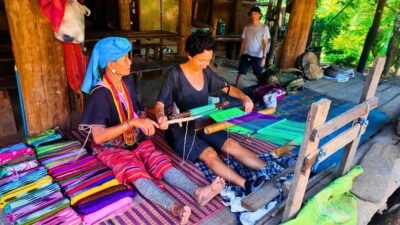
Arriving here includes a built-in break and village time. You’ll get a chance to rest and then visit local people’s houses, plus see multiple viewpoints of the valley and mountains.
This is also a good place to slow your pace and pay attention to how the village sits in the terrain. The “highest village” part doesn’t just mean elevation—it changes the feel of the day. You’re surrounded by air and distance, and the hills don’t look like background anymore. They look like the reason people built their lives here.
Hau Thao rice terraces and bamboo forest walking
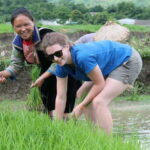
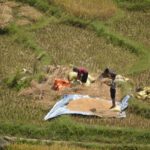
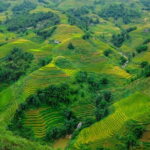
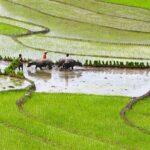
From the Tao Sha area, the trek moves on toward Hau Thao. Here, the scenery shifts into rice fields spreading along the mountainside, tucked close to forests and a bamboo forest area.
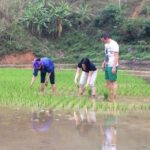
This part tends to be visually impressive because of the layering: bamboo, field lines, forest edges, and the slope itself all compete to catch your eye. And yes, the itinerary points to the possibility of encountering a sea of white clouds, which can make the terraced hills feel unreal.
I love stretches like this because you’re moving slowly enough to notice small things—how ridges funnel wind, how terraces follow the land’s logic, and how light changes from one bend to the next.
Ancient stone Sapa: the 200-block finale
Around 15:00, you start trekking down toward ancient stone Sapa. The site is described as having about 200 stone blocks with unique shapes—large and small—and it’s presented as evidence of people in ancient times.
This makes a good finale because it shifts you from living scenery (villages and fields) to a cultural artifact. It’s also a nice change of pace after hours of uphill and downhill legs.
Even if you’re not a stone-nerd, it’s an interesting walk. The blocks’ odd shapes are meant to prompt curiosity. Don’t rush it. Let your eyes adjust, then move on when you feel ready.
Timing and fitness: what you should be ready for
This trek is rated as requiring medium-level fitness at least, and the climbing and descent are described as steep in parts. Expect the beginning to feel rougher, and expect the return walk to require careful footing.
A helpful detail from real-world pacing: the hike can take roughly 6–7 hours on foot depending on how you move and where the guide pauses for viewpoints.
So who is it for? If you can handle steep stairs and uneven ground, you’ll probably be fine. If you’re more comfortable with flat city walking, you might find this exhausting.
One more thing: there’s an explicit note that it’s not suitable for pregnant women. If you fall into a different category of mobility needs, you’ll want to be honest with yourself about steep terrain.
Guides matter: English help and low-pressure village interaction
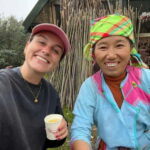
This experience is built around having an English-speaking guide who’s experienced and enthusiastic. Names mentioned include guides like Nhu and Nay, both praised for clear communication and lots of useful explanations.
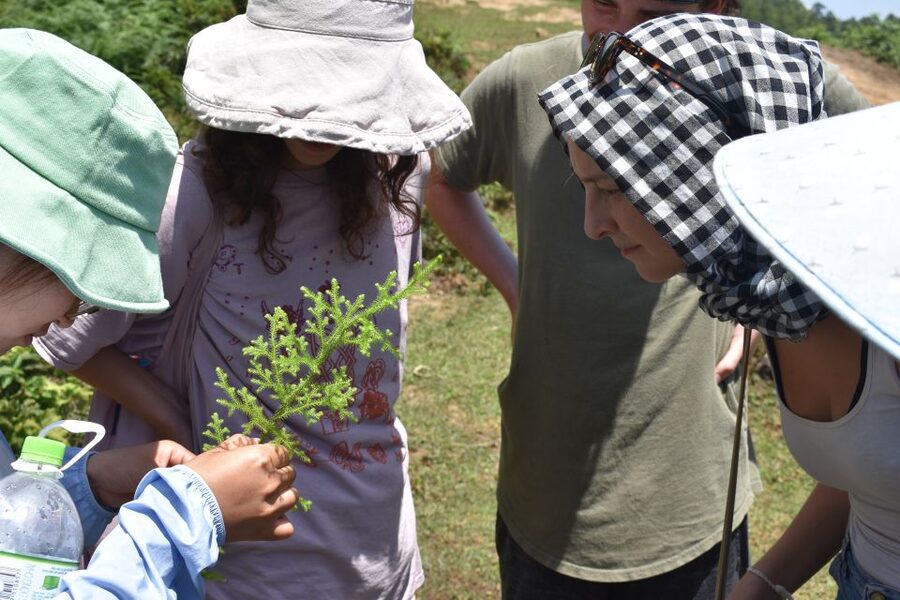
What I like about a strong guide on a route like this is simple: they help you understand what you’re seeing without turning it into a lecture. You learn about the local tribes, plants, and how food and culture fit into daily routines.
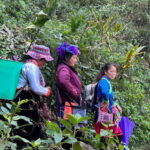
There’s also a strong vibe of respect on the trail. On at least one day, local women joined briefly, then left once it was clear the group wasn’t interested in buying products. The point isn’t that you should refuse everything. It’s that this trek doesn’t feel like a constant sales march.
Price and value: is $36 reasonable for this itinerary?
At $36 per person for a one-day trek, the value comes from what’s included and how much ground you cover.
You get:
- Hotel pickup and drop-off
- An English-speaking guide
- Lunch at a local restaurant
- 1.5 liters of water per person
- Entrance fees to villages
The big value angle is that you’re not just paying for views. You’re paying for transport into the trekking area, guide interpretation, and the time it takes to reach high and scenic stops like Ham Rong viewpoints and Tao Sha.
You also get a private group format, which can feel calmer and more adjustable. If you like having space to ask questions and take photos without a big crowd crowding your elbow, that matters.
Optional herbal baths and foot care: a calm finish
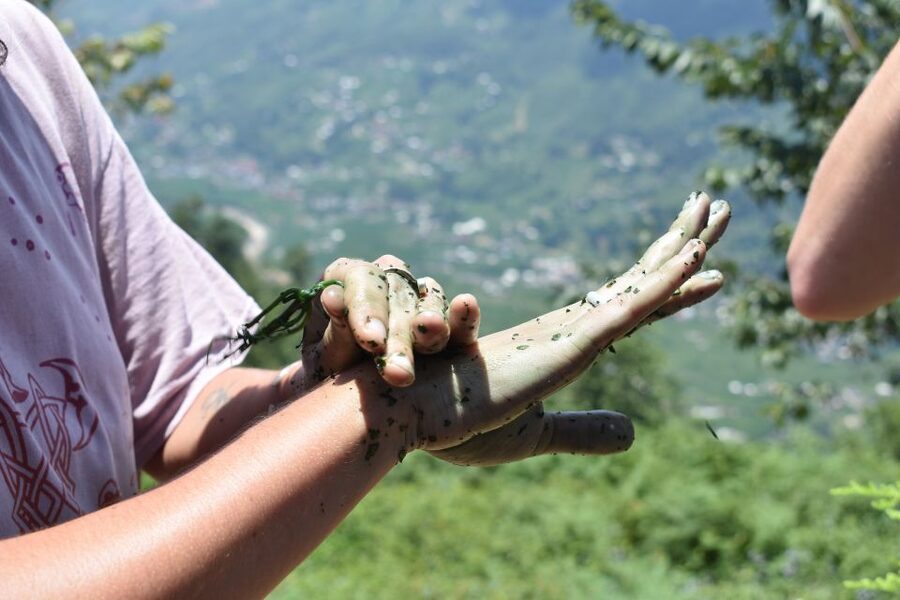
At the end of the adventure, the tour lists an optional add-on: indigenous herbal baths, foot baths, and massages.
I think this is a smart idea if your legs feel like they’ve been in a wrestling match. It’s the kind of reset that helps you enjoy the rest of your Sapa day instead of limping through dinner.
Just treat it as optional. If you want to stay fully focused on recovery, plan time so you’re not rushed after.
Should you book this Muong Hoa Valley 1-day trek?
Book it if you want:
- Real village walking and terraced scenery, not just quick photo stops
- A day with multiple viewpoints like Ham Rong and the valley lookouts
- An English-speaking guide who can explain culture and plants in plain language
- A route that feels quiet rather than shopping-heavy
Skip it or think twice if:
- You’re uncomfortable with steep, rough paths and uneven ground
- You have mobility limitations, balance concerns, or you fall under the listed category of people for whom it’s not suitable (pregnant women)
- You want a low-effort walk with minimal climbing
If you choose to go, aim to be honest with your fitness. The views are worth it, but only if you pace yourself and respect the downhill.
FAQ
What time does the Muong Hoa Valley trek start?
The itinerary starts with 8:30 pickup from your hotel, then the trek begins after pickup. Departure times can vary by availability, so it’s smart to confirm your scheduled start.
How long is the tour and how many hours are you hiking?
The full day runs from 8:30 until about 16:00. The hiking portion is described as taking about 6–7 hours.
Which villages and stops are included?
The route includes Sa Seng Village, Hang Da Village for lunch, Tao Sha (the highest village in Sapa), trekking to Hau Thao rice fields, and a visit to ancient stone Sapa with around 200 stone blocks.
Is lunch included, and where do you eat?
Yes. Lunch is included and you eat at Hang Da Village in a local restaurant.
What’s included in the price?
The tour includes an English-speaking guide, hotel pickup and drop-off, lunch, 1.5 liters of water per person, and entrance fees to villages.
Is the tour private, and what language do the guides speak?
It runs as a private group and the guide speaks English.
What fitness level do I need?
You’ll want medium-level fitness at least. Parts of the climb and descent are steep, and the beginning can be rough.
Is the tour suitable for everyone?
It is not suitable for pregnant women, based on the tour’s notes. If you have any other mobility concerns, you should assess carefully due to steep terrain.
Is there an optional activity at the end of the trek?
Yes. The tour offers optional herbal baths, foot baths, and massages at the end.
What if I need to cancel?
The tour lists free cancellation up to 24 hours in advance for a full refund. It also offers reserve now & pay later.