REVIEW · SA PA
From Sa Pa: One Day Fansipan Mountain Trek
Book on GetYourGuide →Operated by Vietnam Nomadtrails · Bookable on GetYourGuide
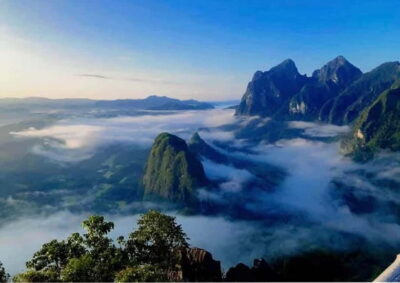
Fansipan feels like a jungle stairway to the clouds. This one-day trek from Sa Pa is a tough, satisfying day aimed at the Roof of Indochina—Vietnam’s highest peak at 3,143 meters—built around bamboo, rainforest, and big mountain views when the weather behaves.
I especially like the English-speaking guide support and the way the day is run. In real life, you’ll often meet guides who know how to keep people moving safely, including English-speaking guides like Hezikiah and Marlene (both mentioned in feedback), and you’ll get practical help on timing and pacing.
The one consideration is simple: weather controls the payoff. Heavy rain can delay or cancel the trek, and even if you reach the summit, cloud can erase the panorama; if you’re counting on photos, you’ll want a little patience—and some flexibility with the schedule.
In This Review
- Key things to know before you hike Fansipan
- Fansipan in one day: what you’re signing up for
- Getting from Sa Pa to Tram Ton Pass (and why early matters)
- The climb: bamboo, rainforest, streams, and stairs you’ll feel
- Lunch on the trail: fuel for the summit (and a small comfort check)
- Summit time: the Roof of Indochina payoff
- Downhill choice: cable car vs. retracing your steps
- What the $79 price covers (and how to judge value)
- Trek preparation that actually matters (bring the right stuff)
- Who should book, and who should skip
- Weather and trail conditions: plan for reality
- Should you book the one-day Fansipan trek?
- FAQ
- How long is the Fansipan one-day trek?
- What time does the trek start from Sa Pa?
- Where does the trek start?
- What time will I reach the summit?
- Is cable car descent included?
- What’s included in the $79 price?
- What happens if it rains heavily?
Key things to know before you hike Fansipan
- 28 km round-trip with about 9 to 10 hours on your feet, plus early start timing
- Tram Ton Pass (1,994 m) is where the day begins, after pickup and a short transfer
- Jungle hiking up to 3,143 m through bamboo, rainforest, and stream crossings
- Summit window around 11:30 am–12:00 pm, with possible views toward China on clear days
- Two descent options: cable car down (extra cost) or retrace the trek back
- Real support included: guide, national park fees/insurance, lunch, and 2 liters of water
Fansipan in one day: what you’re signing up for
Fansipan is the high point most people picture when they think of northern Vietnam’s mountains. It’s called the Roof of Indochina, and it rises to 3,143 meters—high enough that the walk feels different from the start of the Sa Pa valley.
This is not a casual hike. The route is described as a demanding, challenging adventure, best for strong hikers who like steady effort. Expect roughly 28 km round-trip and about 9 to 10 hours total trekking time, with an early departure around 6:00 AM.
If you’re the type who enjoys discomfort for a good cause (good boots, sore legs, and a “yes, we did it” summit moment), this trek fits. If you’re hoping for a gentle nature walk, you’ll be fighting the trail all day.
You can also read our reviews of more tours and experiences in Sa Pa.


Getting from Sa Pa to Tram Ton Pass (and why early matters)
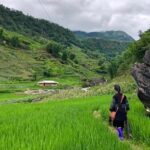
Your day typically begins with pickup from your Sa Pa hotel or from the meeting point at 013 Tue Tinh street. After that, you’ll transfer to Tram Ton Pass at 1,994 meters. This short ride matters because it compresses your hiking into the most meaningful climb, instead of wasting hours on lower elevation roads.
Plan for an early rhythm. The trek starts around 6:00 AM, and you’ll have an early breakfast before you go—but it’s at your own expense. If you’ve ever underestimated a cold mountain morning, this is your reminder: eat enough to fuel the first steep sections, and then trust your guide to keep you moving at a safe pace.
You also get the kind of support that helps a long hike feel manageable: an English-speaking guide, national park entrance fee, and even Vietnamese insurance for a national park day tour are included. That’s one less worry in a day that already asks a lot from your body.
The climb: bamboo, rainforest, streams, and stairs you’ll feel
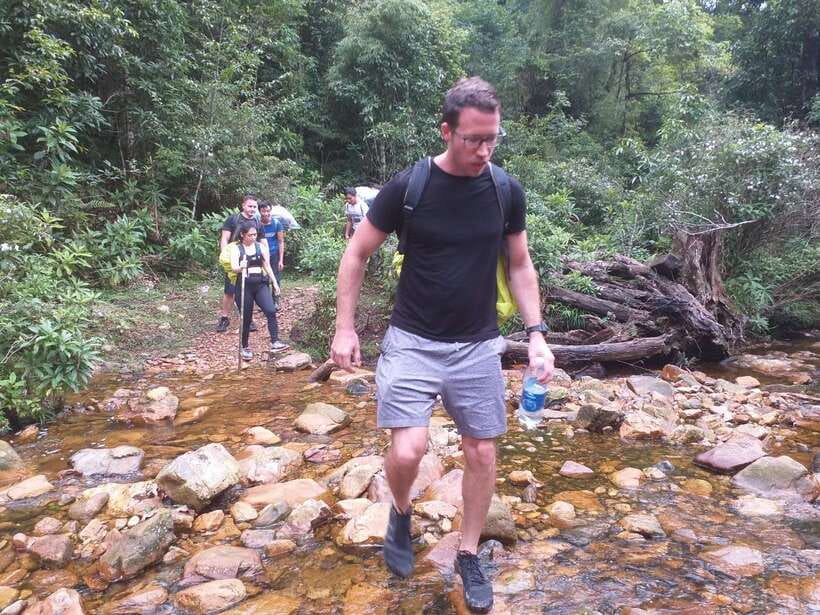
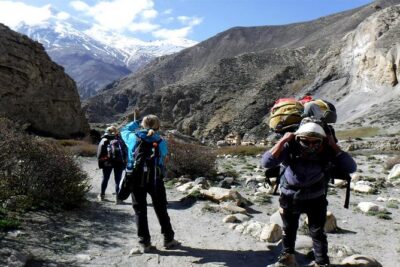
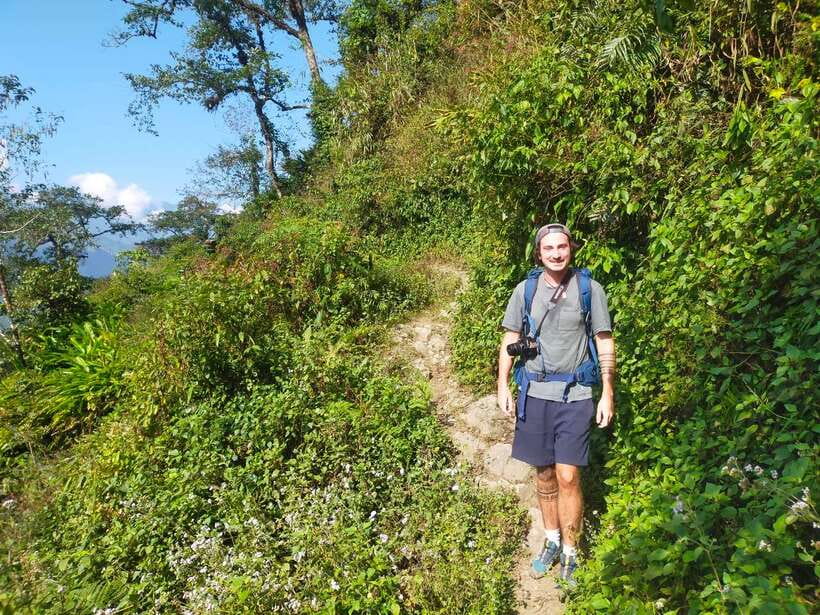
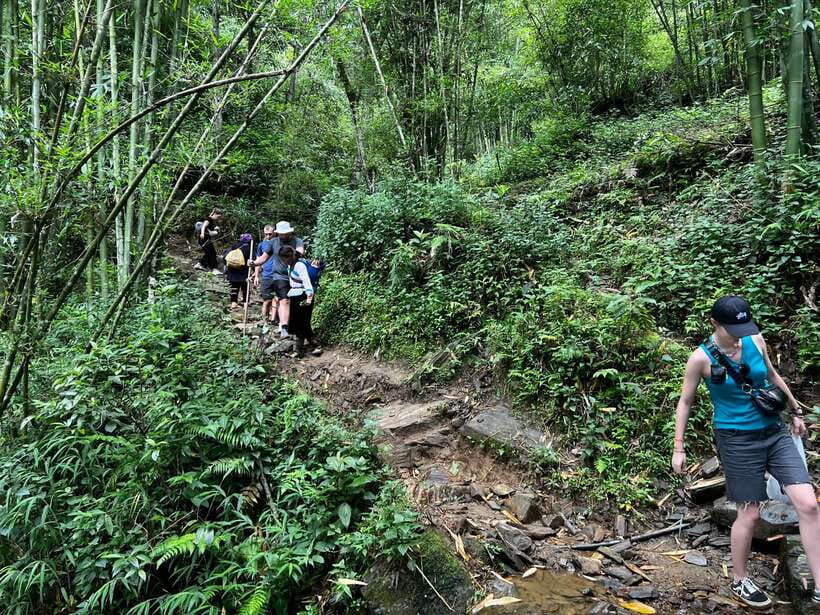
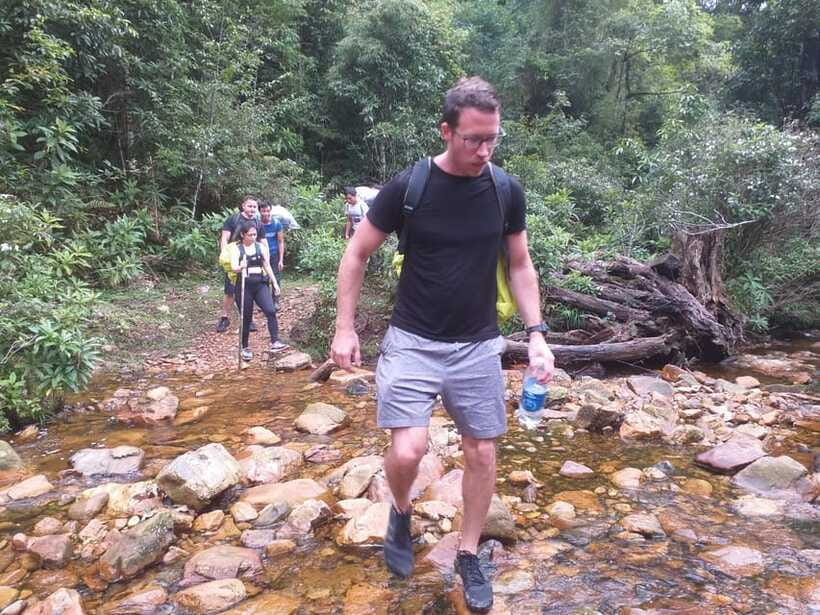
Once you reach Tram Ton Pass, you start hiking through dense bamboo and rainforests. You’ll also cross streams, so the trail can be wet and muddy depending on recent weather. That’s why good shoes matter more than people think. One review-style takeaway from real experience: slippery spots can show up, and the day includes steep sections with rock faces and metal ladders in places.
So here’s the practical way to think about this section:
- You’re not just climbing elevation. You’re switching between dirt, rock, and sometimes ladder-style steps.
- Your plan is to stay stable on those steps, not sprint between stops.
- If you’re prone to calf burn, slow down early and save your energy for the steepest parts.
The trek timing usually aims for a summit around 11:30 AM to 12:00 PM. Some very fit hikers can reach earlier, but most people should treat the time window as realistic—especially if you’re stopping for photos and taking short rests.
Lunch on the trail: fuel for the summit (and a small comfort check)
Lunch is included and is served as a normal meal or a vegetarian option. You’ll stop somewhere along the way after trekking through bamboo and rainforest and crossing streams. The exact lunch spot isn’t the headline here—the headline is that you get energy before you push for the top.
One comfort note: lunch may not always be served hot. If warm food is part of your idea of a great day out, don’t assume lunch will fix the cold mountain feeling. A simple strategy is to treat lunch as calories and not a comfort meal. Bring your main emotional satisfaction from the climb itself and the summit views.
You also get 2 liters of bottled mineral water per person per day. For a long, steep day, that’s a big deal. Hydration problems show up fast when you’re tired, so use that water early and steadily rather than saving it all for the top.
Summit time: the Roof of Indochina payoff
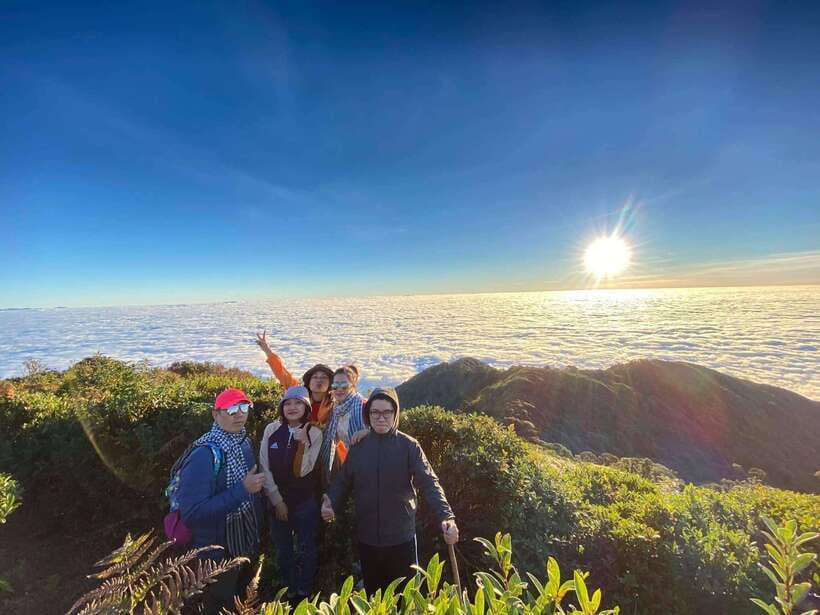
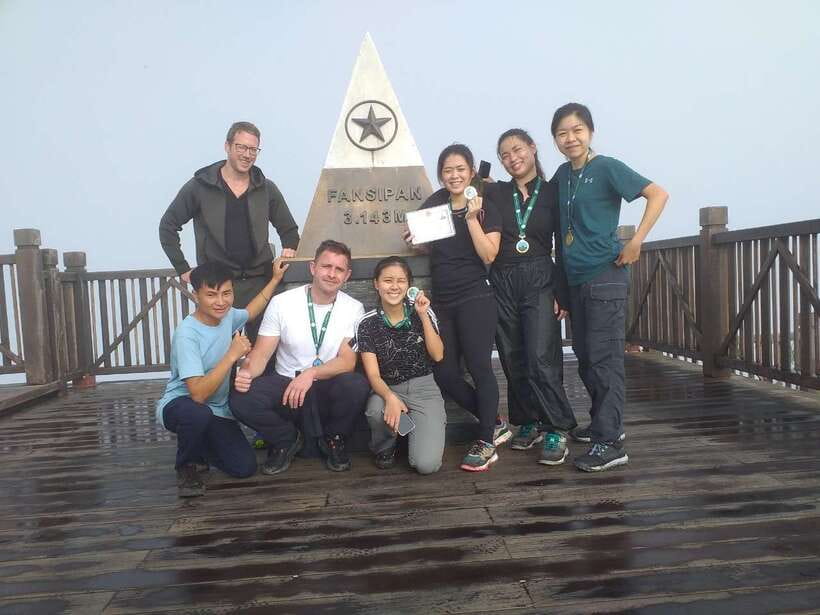
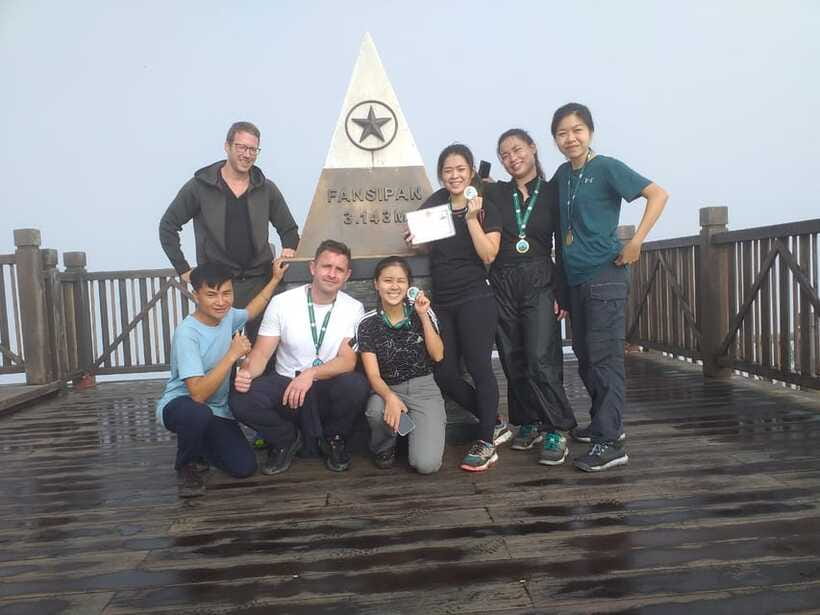
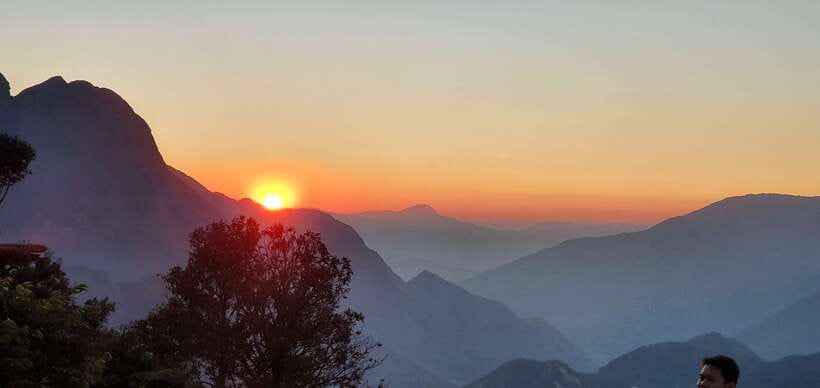
The goal is clear: reach Fansipan’s summit (3,143 m) and take in the view. Your arrival is usually targeted around 11:30 AM to 12:00 PM. That timing matters because the morning weather can shift, and the light can either help you see distant ridgelines—or flatten everything into cloud.
On clear days, you might be able to spot high mountains toward China. That’s a special photo moment, but the bigger point is this: the summit isn’t only about distance. It’s about perspective—Sa Pa town and the surrounding ridges look different once you’re standing at the top of Vietnam’s highest peak.
Plan your summit time like a pro:
- Rest without freezing up. If you linger too long, you’ll pay for it on the descent.
- Take your photos early in case visibility drops.
- Enjoy the big stop, then commit to the next phase.
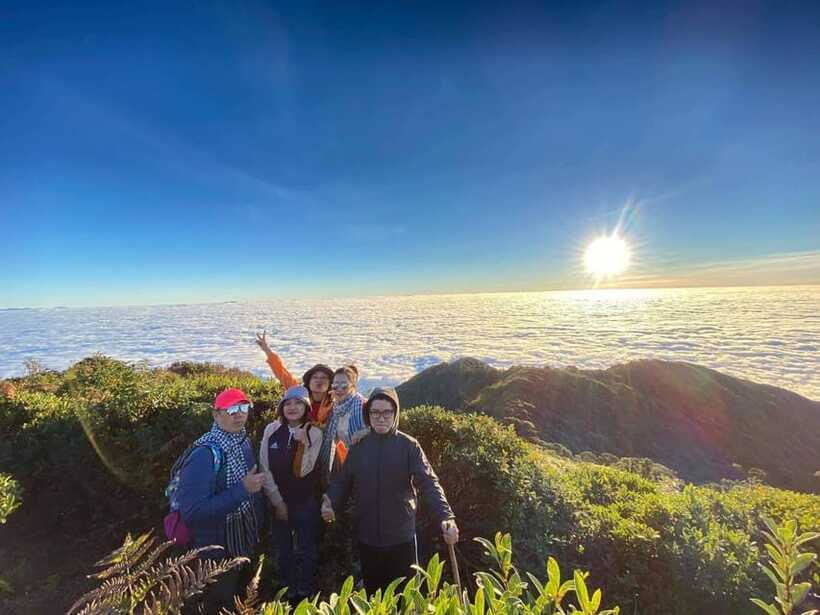
And yes, the clouds are a risk. But they’re also part of the Fansipan experience. When fog rolls in, the mountain turns into a moving, swirling panorama you can still feel—just not always photograph in crisp detail.


Downhill choice: cable car vs. retracing your steps
After the summit, you’ll head down. You have two options, and your guide will help you choose based on energy and weather.
Option 1: Cable car down to Sa Pa (extra cost).
This is the easiest way to recover at the end of a hard day. Cable car tickets are not included, so it’s an added expense—but it can save your legs when you’re already worn out.
Option 2: Trek back down the same route.
This is for hikers who prefer to keep moving and enjoy the trail longer. It’s also the option if you’d rather not pay for the cable car. The tradeoff is fatigue. The same terrain that challenged you up will challenge you down, and steep, wet sections can feel even trickier.
One practical tip: if your priority is summit achievement with less suffering, cable car down often makes sense. If your priority is staying immersed in the mountain day and you’re feeling strong, the full descent walk is a solid choice.
What the $79 price covers (and how to judge value)
At $79 per person, you’re paying for a full guided day with real logistical support. Here’s what’s included:
- Pickup and drop-off in central Sa Pa (or at the meeting point)
- English-speaking guide
- National park entrance fees and Vietnamese national park day tour insurance
- Permissions/authorization
- Lunch (normal or vegetarian)
- Water 2 liters per person
- A certificate honored by the National park Department
What you pay extra for:
- Cable car tickets (and other cable-based options like monorail/funicular, which aren’t part of this day trek)
- Breakfast before departure
- Tips for guide/driver
- Personal travel/medical insurance
- Any Lunar New Year surcharge, if it applies (listed as $45 per person for the dates shown)
So is it good value? Usually yes—especially if you want a trained guide, guaranteed park entry, and a structured day with lunch and water handled. If you already plan to buy your own entrance tickets, arrange your own transport to Tram Ton Pass, and line up a local guide, your cost can climb quickly. The included insurance and park certificate are also part of that “hidden value” that many DIY plans skip.
The only time value feels weaker is when you personally need the cable car but the summit views are clouded. In that scenario, you may feel like you paid for a tough day with fewer visible rewards. Still, the route itself is the main accomplishment.
Trek preparation that actually matters (bring the right stuff)
This trek asks for basic hiking discipline. The list is short, but every item is there for a reason:
- Hiking shoes (not soft city sneakers)
- Comfortable clothes with long pants
- Sunscreen
- Biodegradable insect repellent
- Passport or ID card
- Trekking gear like a raincoat, plus a backpack you can carry comfortably
- Something to manage cold mornings and wet trail sections
Some people show up thinking the mountain will be warm because the region is tropical at lower elevations. Don’t assume that. The trek starts high and early, and the summit experience often feels colder.
Also, know what’s not allowed: pets, electric wheelchairs, firework/explosives, and nudity. If you’re traveling with any unusual mobility needs, read the suitability notes carefully before booking.
Who should book, and who should skip
This one-day Fansipan trek is best for:
- Strong hikers who can handle steep climbs and ladder-like sections
- People who like guided structure and safety support
- Hikers who want a big summit goal in a single day
It’s not suitable for:
- Children under 16
- Pregnant women
- People afraid of heights
- People with altitude sickness
- People with low fitness
- People over 70
Altitude deserves a quick practical note. Even though this is a day hike, you still go from 1,994 m to 3,143 m. If altitude has ever made you sick before, take that warning seriously.
Weather and trail conditions: plan for reality
Fansipan trekking can be affected by rain. The trek can be canceled or delayed when it rains heavily. That’s not a small detail—it’s central to how your day plays out.
Here’s how you reduce stress:
- Pack for wet conditions (shoes and a rain layer)
- Keep your next day flexible if possible
- Don’t tie the trip to a tight schedule that depends on a clear summit view
If you’re unlucky with cloud at the top, remember: the trek is still the point. But if photography is your main goal, you’ll be happier if you have more than one day in Sa Pa to work with.
Should you book the one-day Fansipan trek?
If you want one hard, well-run day that ends with you standing on the Roof of Indochina, this is a smart pick. The included guide, park fees/insurance, lunch, and water make it feel complete for the price, and the optional cable car gives you a real way to manage fatigue.
I’d book it if:
- You’re fit enough for a long, steep 28 km trek
- You have decent hiking shoes and you’re comfortable on uneven terrain
- You can handle the chance of clouds at the summit
I’d think twice if:
- You’re chasing a guaranteed panoramic view
- You dislike ladders/rock steps or steep drops
- You’re worried about altitude or you have altitude sickness risk
If you match the hike’s difficulty level, you’ll likely feel proud you did it—and that’s the kind of souvenir you can’t buy.
FAQ
How long is the Fansipan one-day trek?
It’s about 28 km round-trip and typically takes 9 to 10 hours of trekking.
What time does the trek start from Sa Pa?
Your journey begins around 6:00 AM, with an early morning pickup and transfer to the trail start.
Where does the trek start?
After pickup, you’ll be transferred to Tram Ton Pass, at an altitude of 1,994 meters.
What time will I reach the summit?
You’re expected to reach the summit around 11:30 AM to 12:00 PM.
Is cable car descent included?
No. Cable car tickets are not included and are an extra cost if you choose to ride down.
What’s included in the $79 price?
Included are pickup/drop-off, an English-speaking guide, national park entrance fee and Vietnamese insurance for the day tour, lunch, 2 liters of water per person, and a certificate honored by the National park Department.
What happens if it rains heavily?
The trek can be canceled or delayed when it rains heavily.