REVIEW · SA PA
Sapa 3-Day Trekking Adventure from Hanoi
Book on GetYourGuide →Operated by NEW LAND INTERNATIONAL TOURIST COMPANY LIMITED · Bookable on GetYourGuide
Terraced views and village tea, with real hike grit. You’ll travel from Hanoi to Sapa by VIP bus, then spend your days with local ethnic guides in H’Mong and Dao villages around Muong Hoa. I like that the trip is built for small groups (so you’re not swallowed by a crowd) and includes a homestay cooking class—but do plan for muddy, slippery hiking sections.
A big part of the experience is how the route fits you. Stops can be adjusted based on fitness levels, and the guide keeps the group moving. The one real drawback is physical: the trekking totals about 14 km over Days 2 and 3, and in wet weather the ground can get seriously treacherous.
In This Review
- Key points before you go
- Why this Sapa trek feels like village life, not a checklist
- Price and value: what $116 covers in real terms
- Day 1: Hanoi to Sapa, then Cat Cat Village
- Cat Cat Village reality check: plan for crowds and selling
- Day 2 trek through Muong Hoa: 9 km to Ta Van homestay
- Overnight at Ta Van: what homestay life really means here
- Day 3: 4 km Red Dao villages, then back to Hanoi
- Hiking reality check: 14 km total and what to wear
- Transport and comfort: VIP bus beats hassle, not long hours
- Food and what’s included (and what’s not)
- Who this Sapa trek suits best
- Should you book this $116 Sapa 3-day trekking adventure?
- FAQ
- How much does the Sapa 3-day trekking tour cost?
- How long is the tour?
- How many people are in the group?
- Where do you go on the trek?
- Is the tour guided and what language is used?
- What meals are included?
- What’s included for accommodation?
- Where does the tour start and end in Hanoi?
- What should I bring for the trekking?
Key points before you go
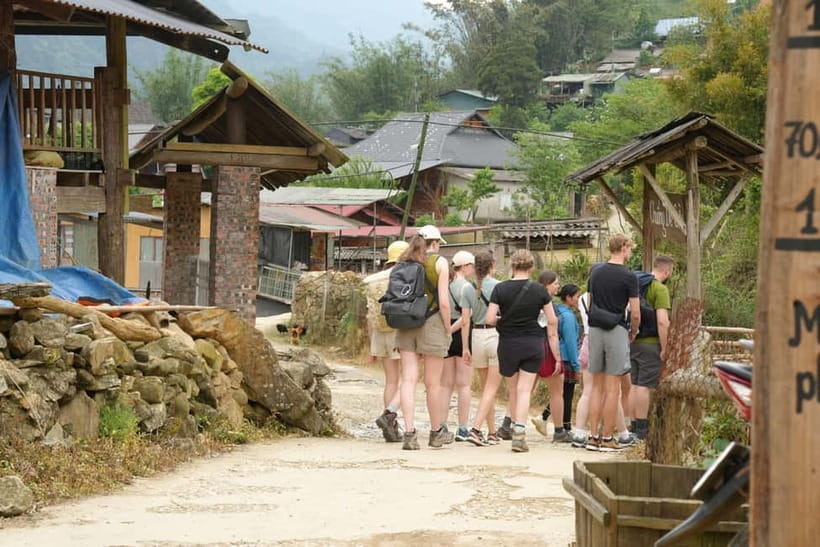
- Small group pacing: capped at up to 12 people (often listed as up to 10)
- Local ethnic guidance: English-speaking guide plus local community support on the trails
- Muong Hoa trekking: rice terraces plus village stops at Y Linh Ho, Lao Chai, Ta Van, and more
- Homestay night in Ta Van: included meals and a hands-on cooking class
- Cat Cat Village on Day 1: cultural stops plus the French-built hydroelectric site and waterfall
Why this Sapa trek feels like village life, not a checklist

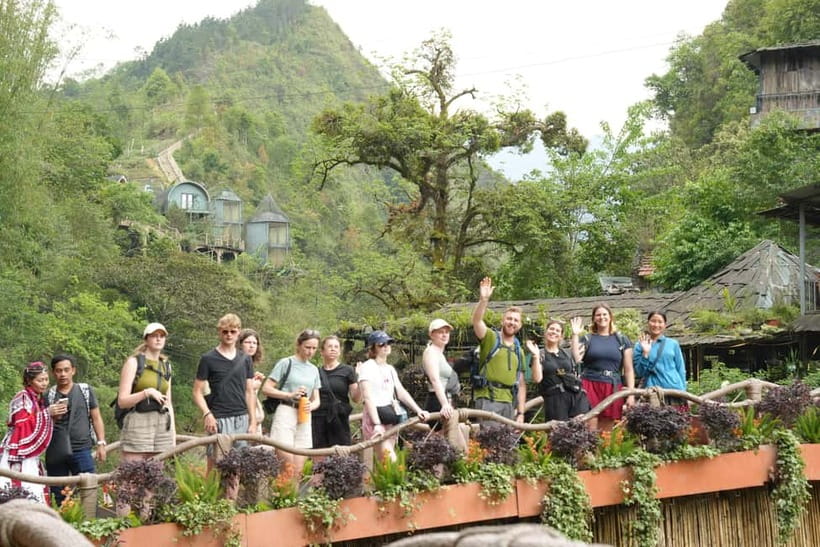
This is the kind of Sapa itinerary that leans toward day-to-day living in the mountains. You’re not just ticking off viewpoints. You’re walking village paths with guides who know where the stories come from, and you’ll visit communities such as the H’Mong and Dao, with the itinerary also referencing Giay life.
One detail I really like: the tour group is kept small. When you’re with a tight group, it’s easier for the guide to manage pace, route choices, and questions—especially on uneven sections. Another plus is that stops can be added or removed based on guests preferences and fitness levels. That means the experience is more flexible than the rigid “same route for everyone” model.
Finally, you’re guided by local ethnic guides. That matters because the walk includes customs and habits you’re meant to understand, not just photos you’re meant to take. Guides such as Dinh and Su are mentioned as especially helpful and area-based, which matches the overall design of the trip.
You can also read our reviews of more tours and experiences in Sa Pa.


Price and value: what $116 covers in real terms
At $116 per person, you’re buying more than a hike. You’re paying for roundtrip transportation from Hanoi, accommodation, local guiding, and meals—so you’re not piecing together multiple vendors.
Here’s what’s included:
- VIP cabin bus roundtrip Hanoi ↔ Sapa
- Hotel in Sapa for 1 night (3-star options listed: Sapa Retreat Condotel / Delta Sapa Hotel)
- Homestay in Ta Van for 1 night (private homestay)
- English-speaking local guide
- Entrance fees & permits
- Meals: 2 breakfasts, 2 dinners, 3 lunches
- Cooking class at the homestay on Day 2
Value comes from how much is bundled. You save time (and hassle) compared with booking a bus, a hotel, a local guide, and a homestay separately. You also avoid surprise add-ons: the tour states there will be no additional charges, with drinks not included.
The tradeoff is that you’re committing to a physically active 3-day plan. If you want comfort first and walking second, that’s where this price may feel like a mismatch.
Day 1: Hanoi to Sapa, then Cat Cat Village
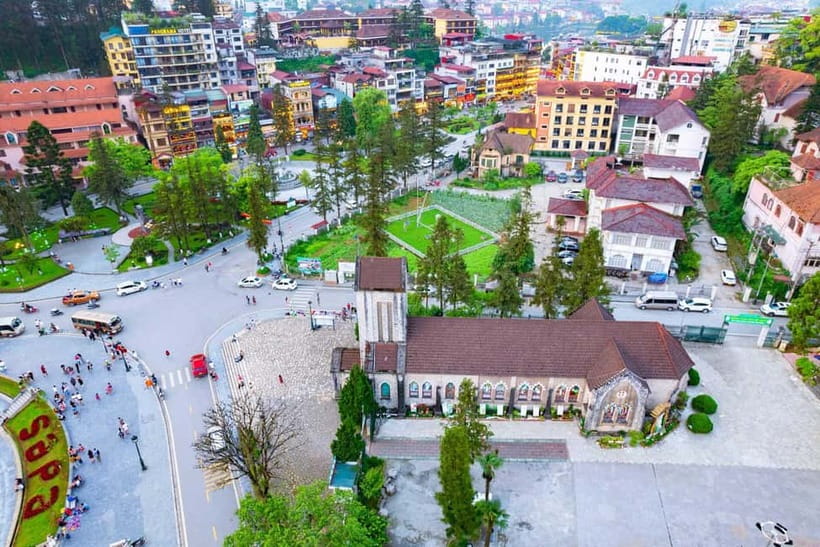
Day 1 is your on-ramp. You’re picked up from Hoàn Kiếm area around 06:10–06:30, then you ride for about 5 hours to Sapa. When you arrive (roughly 13:15–13:40), you check in as a group and get lunch at a restaurant.
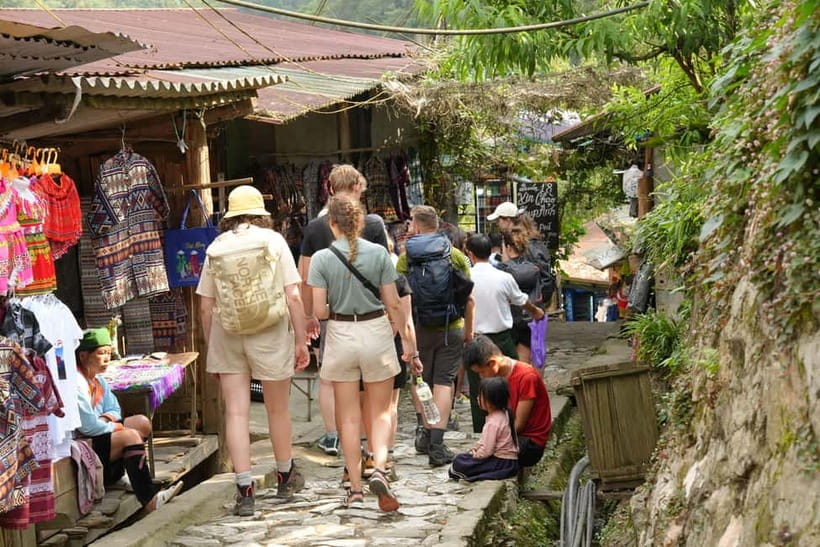
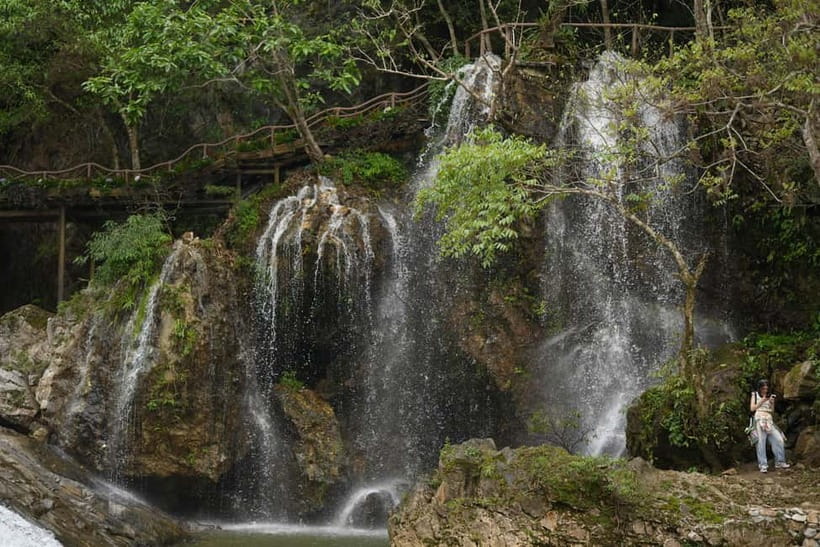
In the afternoon, your guide brings you into the Cat Cat area for a visit and a walk. You start around 14:30 and explore Cat Cat Village, learning about customs and habits of ethnic minorities. You’ll also visit Cat Cat waterfall and a hydroelectric power plant built by the French in the early 20th century—two stops that add variety beyond village houses.
Dinner is set for 18:30, then you have time to explore Sapa town on your own. That free evening matters. After a long ride, you’ll appreciate having a simple start.
One practical caution: Day 1 includes a walk that can pass through market stalls and tourist-style areas. Some people don’t love Cat Cat Village as much as the later treks, so keep your expectations grounded.
Cat Cat Village reality check: plan for crowds and selling

If your goal is quiet and remote, Cat Cat can feel less like that. The area includes tourist village elements and market stalls. You’re still going to learn about H’Mong life there, and you’ll see the waterfall and the French-era hydroelectric site.
But you should also prepare for the mountain travel pattern where people try to sell items along routes. Some parts of the walking days can include locals following to offer handmade goods. You don’t have to buy anything, and you’ll enjoy the village more if you decide in advance what you’re comfortable purchasing.
If you’re the kind of traveler who wants to wander without negotiations pulling your attention away, you’ll likely focus on the guide-led segments and the landmark stops (waterfall, hydro site) and then keep moving.
Day 2 trek through Muong Hoa: 9 km to Ta Van homestay
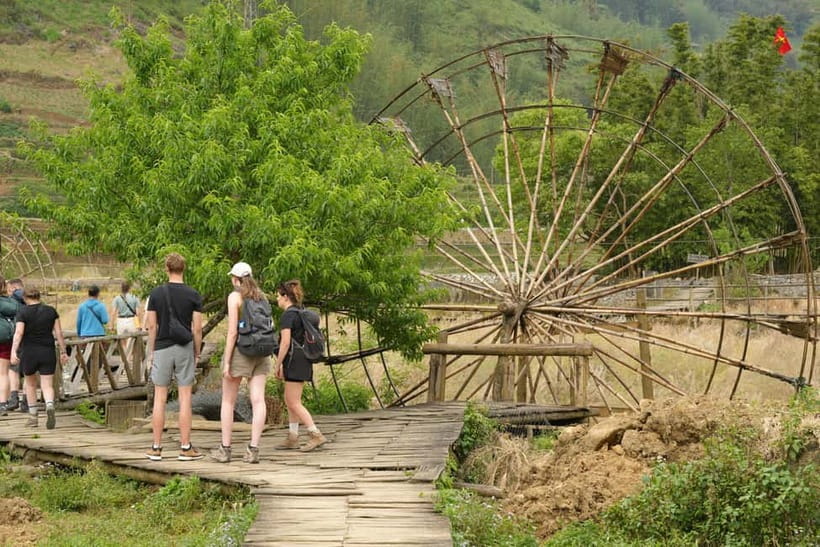
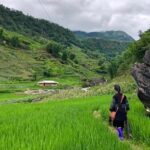
Day 2 is the main hiking day. Breakfast runs 07:00–08:00, and you start trekking around 08:30. The route begins toward Y Linh Ho, then you hike through the rice terraces along Muong Hoa Stream, with views toward the Hoàng Liên Sơn mountain range.
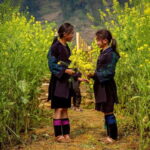
You’ll reach Lao Chai, described as the village of the Black H’Mong minority. This section is where the mountain scenery and village rhythm start to feel very “in motion.” You’re not just looking—you’re walking through working areas and paths people use.
Lunch is taken in Ta Van village around 12:30, then you check in at the homestay and rest. In the afternoon, the tour shifts from hiking to hands-on culture: you do a cooking class with locals, preparing and cooking dishes. Dinner follows, and you’ll eat what you helped make.
A detail that makes Day 2 special: group games and a lively homestay atmosphere. The day can feel both practical and fun, not staged.
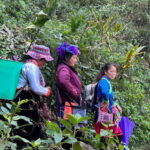
Now the warning label: this is also the day that can get physically intense. In wet conditions, the trek can include a stretch of very slippery, clay-like mud (about 1.5 hours is specifically mentioned). That’s where local women may help keep hikers steady. If you want to enjoy the views, bring proper footwear and accept that you’ll be stepping carefully.



Overnight at Ta Van: what homestay life really means here
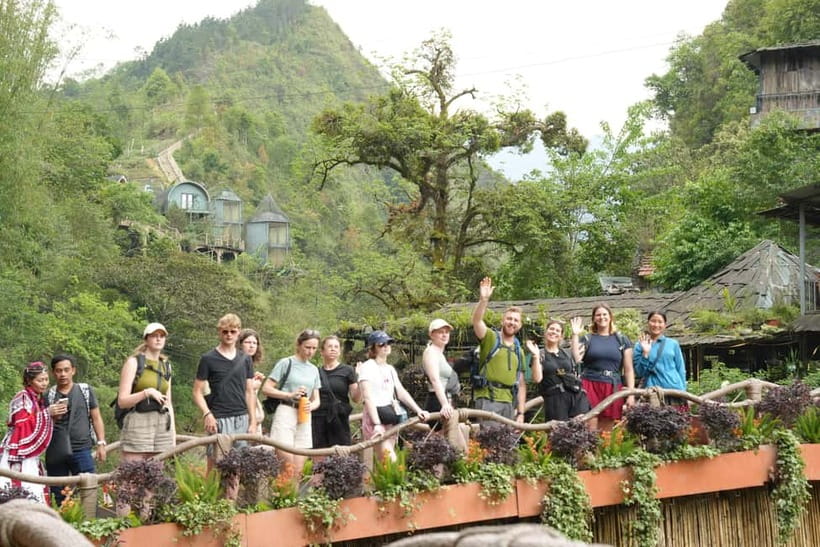
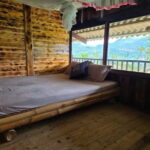
Your homestay is in Ta Van village, and you’ll get dinner and breakfast included. The homestay itself is described as fairly basic for the price, but the hosts are friendly, and the overall experience can still feel rewarding because you’re part of the daily flow of village life.
Food is plentiful (dinner is described as substantial), and you’ll get a more interactive meal through the cooking class. One note: some people felt the homestay food could be more Vietnamese—so if you’re expecting a very specific regional style every time, you may find it varies from family to family.
What you can count on is participation. You’re not just sitting down and being served; you’re learning. That’s the real value of Ta Van on this itinerary.
Day 3: 4 km Red Dao villages, then back to Hanoi
Day 3 starts slowly: breakfast runs 07:30–09:00 at the homestay. Then you begin trekking around 09:00–09:30 toward Giang Ta Chai Village and Su Pan / Supan Village (a Red Dao route is referenced). This morning walk is about 4 km.
You’ll have lunch around 12:00, followed by rest at the homestay. At 13:00, a car picks you up back to Sapa. Then you catch the bus around 15:30 for Hanoi.
The arrival is late: you’re back in Hanoi around 22:00, with drop-off near 160 Đ. Trần Quang Khải, Hoan Kiếm area (rather than a guaranteed hotel drop).
This matters because you’ll want energy management. Day 3 isn’t as long as Day 2, but the trail still has the same personality: uneven ground and possible slipperiness. Keep your shoes ready and don’t assume it’s a gentle walk just because the distance is shorter.
Hiking reality check: 14 km total and what to wear
Across Days 2 and 3, the trekking totals about 14 km. The itinerary also flags that on wet weather you can expect muddy and dirty roads. Even in better weather, paths can be uneven, and you’ll want stable footing.
Here’s what the tour specifically asks you to bring:
- comfortable shoes plus hiking shoes/boots
- hiking pants
- insect repellent
- passport or ID card
It also advises warm clothes from October to March, and it repeats that you should avoid high-heeled shoes.
I’d also treat this as a strength test. People fall more than once on uneven treks, and the route can feel dangerous on slippery sections. If you’re deciding between this and a lighter Sapa day, pick this only if you’re comfortable with real walking and you’re not trying to keep things effortless.
And if you have back problems, mobility impairments, or you’re traveling with a young child, this isn’t the best match. It’s listed as not suitable for children under 3, people with back problems, people with mobility impairments, and people over 75.
Transport and comfort: VIP bus beats hassle, not long hours
Transportation is a key part of the value. You get VIP cabin bus service for about 5.5 hours each way. That’s a long ride, but the structure of pickup and set timing keeps the trip from feeling chaotic.
Still, comfort depends on the bus condition and the driver’s route habits. Some notes include buses that felt packed, and on one ride there was no working toilet. Another note says the driver sometimes needed extra persuasion to stop for restroom breaks. So treat the ride as long-distance travel, not a relaxing hop.
On arrival back in Hanoi, the tour ends late—around 10:00–10:30 pm—and you’re dropped near central Hoàn Kiếm. Also note: pickup is included at your meeting point or Old Quarter area, but the tour states it does not include drop-off at your specific hotel at the end.
That’s fine if your hotel is near Hoàn Kiếm. If it’s far out, plan your last-mile transport.
Food and what’s included (and what’s not)
You’re covered for meals:
- 2 breakfasts
- 3 lunches
- 2 dinners
Drinks in meals aren’t included, so budget a little for water or other beverages once you’re in town. Also remember that alcohol and drugs aren’t allowed on the tour.
If you like food that comes with participation, the homestay cooking class is one of the best parts. It’s not just a show. You prepare and cook dishes, then eat dinner made by your group.
As for accommodation, Sapa’s hotel is listed as 3-star (options given), and the homestay is private but basic. If you’re okay with simple rooms in exchange for a meaningful village night, you’ll likely feel satisfied.
Who this Sapa trek suits best
Book this if:
- you want a guided village trek with an English-speaking local guide
- you’re comfortable with hiking about 14 km total over 3 days
- you value a homestay night in Ta Van, including meals and a cooking class
- you like mountains but you’re realistic about muddy footing and slow sections in wet weather
Consider skipping (or choosing a lighter alternative) if:
- you need level ground walking
- you have back issues or mobility limitations
- you hate being approached for selling during village visits
Also, if Cat Cat Village feels too touristy for you, keep your attention on the Day 2 Muong Hoa hike and the Day 3 Red Dao villages. Those sections are where the route’s village feel is strongest.
Should you book this $116 Sapa 3-day trekking adventure?
My take: this is a strong choice if you want guided trekking plus real village interaction, and you can handle the physical reality of slippery terrain. The biggest strengths are the small-group setup, the local ethnic guiding, and the Day 2 cooking class + Ta Van homestay night.
Don’t book it if you’re looking for a gentle stroll, pristine paths, or guaranteed convenience at the end of the day. The route can get muddy, and the trek can feel demanding even when the distance is reasonable.
If you decide to go, pack hiking boots seriously, dress for cool weather if you’re traveling Oct–Mar, and go into Cat Cat expecting a more tour-oriented village stop. Then you’ll get the most from the parts that actually feel like everyday life in the mountains.
FAQ
How much does the Sapa 3-day trekking tour cost?
The price is listed as $116 per person.
How long is the tour?
The tour duration is 3 days.
How many people are in the group?
It’s a small-group tour with a maximum of 12 guests, and it’s also listed as limited to 10 participants.
Where do you go on the trek?
You trek around Muong Hoa, visiting Y Linh Ho, Lao Chai, Ta Van village, and also Giang Ta Chai and Supan/Su Pan villages on Day 3. You also visit Cat Cat Village on Day 1.
Is the tour guided and what language is used?
Yes. An English-speaking local guide leads the experience.
What meals are included?
Meals included are 2 breakfasts, 3 lunches, and 2 dinners, as stated on the itinerary.
What’s included for accommodation?
You get 1 night in a homestay in Ta Van village, plus 1 night in Sapa town at a 3-star hotel (Sapa Retreat Condotel / Delta Sapa Hotel are listed).
Where does the tour start and end in Hanoi?
Pickup is from the Hoàn Kiếm area (Old Quarter or a meeting point around there). The tour ends in Hanoi around 10:00–10:30 pm with drop-off near 160 Đ. Trần Quang Khải, Hoàn Kiếm.
What should I bring for the trekking?
Bring passport or ID card, comfortable shoes and hiking shoes, comfortable clothes and hiking pants, insect repellent, and warm clothes (especially from October to March). High-heeled shoes are not allowed.