REVIEW · HANOI
Sapa: 3-Day, 3-Night Trek and Hotel with Overnight Train
Book on GetYourGuide →Operated by Crossing Vietnam Tour · Bookable on GetYourGuide
There’s something special about starting with sleep on rails. This Sapa trek threads through the Muong Hoa Valley hill-tribe villages, then adds the fun bonus of an overnight train from Hanoi to Lao Cai before you even hit the mountains. It’s the kind of trip where your days feel full, but your logistics feel handled.
I like the mix of village life plus real time on foot: you’ll walk from place to place with local guidance, with stops in villages like Sin Chai, Y Linh Ho, Lao Chai, and Ta Van. I also like that the plan builds in a homestay night, so it’s not only photos and quick hellos.
One thing to consider: the itinerary has cold-weather trekking built in, and the plan involves a multi-day transport chain (train, minibus, trek, car back, limousine to Hanoi). If you’re sensitive to rougher sleep on trains or cold fog in winter months, plan your packing and expectations carefully.
In This Review
- Key things I’d circle before you book
- Overnight train from Hanoi to Lao Cai: the start that saves a day
- Day 1: Sin Chai village walk and Sapa’s evening vibe
- Day 2: Muong Hoa Valley trail to Ta Van (homestay night)
- Day 3: Red Zao and H’mong villages, waterfall, rattan bridge, then back to Hanoi
- Homestay and handicraft center: learning without making it a performance
- Meals, timing, and what you should budget for drinks
- Comfort and logistics: train cabins, walking distance, and gear that matters
- Walking and effort
- Cold and fog expectations
- Train comfort and bunk expectations
- Village selling and following pressure: how to keep your walk calm
- Value and what makes this $212 price feel fair
- Who should choose this Sapa trek—and who should skip it
- Should you book this Sapa 3-day trek + overnight train?
- FAQ
- FAQ
- How many days and nights is this Sapa experience?
- What time does the overnight train leave Hanoi?
- Where do I need to go in Hanoi to start the trip?
- Does the price include transport from Hanoi and back?
- Is a homestay included?
- Is there a hotel stay in Sapa besides the homestay?
- What meals are included, and are drinks included?
- How much trekking will I do?
- What should I pack for weather in Sapa?
- Is it wheelchair accessible, and is there a solo traveler supplement?
Key things I’d circle before you book

- Overnight train Hanoi to Lao Cai: you gain a night without losing a daytime slot.
- Muong Hoa Valley village-to-village trekking: you’re not just driving to viewpoints.
- Ta Van homestay night: a real change of pace from hotel stays.
- Ethnic minority visits: Hmong, Dzay (Zay), and Red Zao areas show up across days.
- Handicraft center stop: women’s craft exchange is part of the experience, not an afterthought.
Overnight train from Hanoi to Lao Cai: the start that saves a day
This trip kicks off on Day 0 with an overnight train that runs from Hanoi to Lao Cai. You either get picked up from your Hanoi hotel (Old Quarter) or make your own way to the station by 9 PM. Then you board at 10 PM, sleep on the train, and arrive the next morning.
Why I like this approach: it cuts one extra hotel night and reduces the “half-day waste” that usually happens when you travel overland between Hanoi and Sapa. When you wake up in Lao Cai, you’re already halfway into the story.
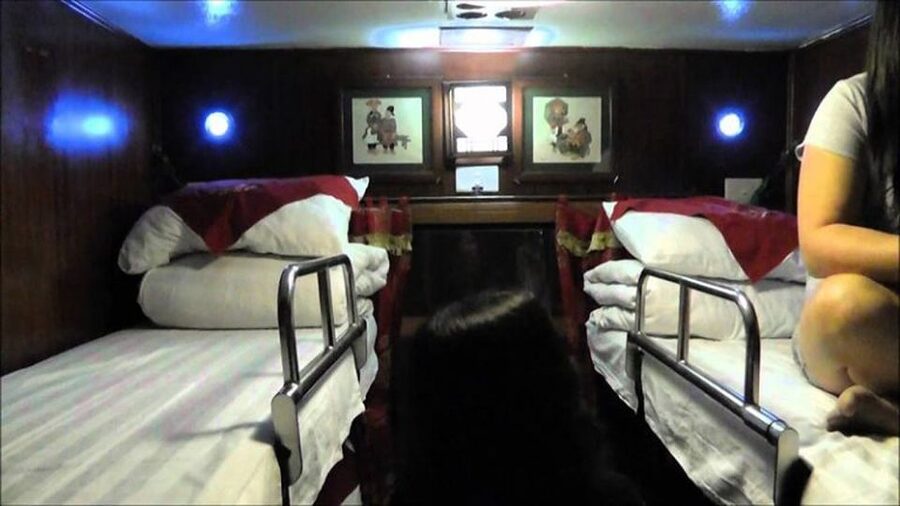
You’ll also get an air-conditioned shared cabin for the train night (listed as a shared 4-bed cabin). One review noted the berths felt like a familiar bed setup and were fairly easy to sleep in. Still, train comfort can be hit-or-miss, and there’s enough movement that you should treat this as public-transport sleep, not a spa bed.
You can also read our reviews of more tours and experiences in Hanoi.


Day 1: Sin Chai village walk and Sapa’s evening vibe

On Day 1, you meet your English-speaking guide at the train station in the morning, then head to Sapa around 6 AM. You transfer back to your hotel in Sapa to leave luggage, then grab breakfast. Check-in is listed as 2 PM, so early-arrival travelers usually rely on the hotel’s ability to hold luggage while you start the day.
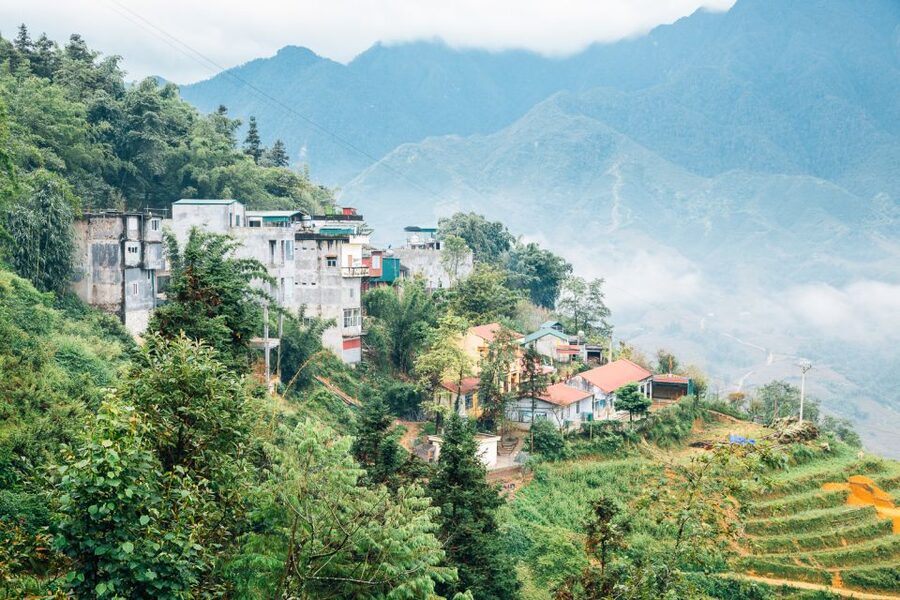
After breakfast, you head downhill to visit Sin Chai village, home to the Black H’mong. This is a more rustic, village-outside-town walk (the plan describes it as over 2 km from Sapa town center). The value here is simple: you see daily life without it being the “center of town” version of Sapa.
After trekking, you return to your hotel for lunch and downtime. In the afternoon, you can rest or explore at your own pace, then dinner is at 6 PM. The itinerary calls out a cozy dinner stop with roasted corn and baked eggs beside a charcoal fire—exactly the sort of meal that turns a long travel day into something memorable.
Then it’s a night in Sapa’s 3-star hotel in the center. You’ll have free time to shop or just wander at night, which is handy if you want to decompress after a morning walk.
Day 2: Muong Hoa Valley trail to Ta Van (homestay night)
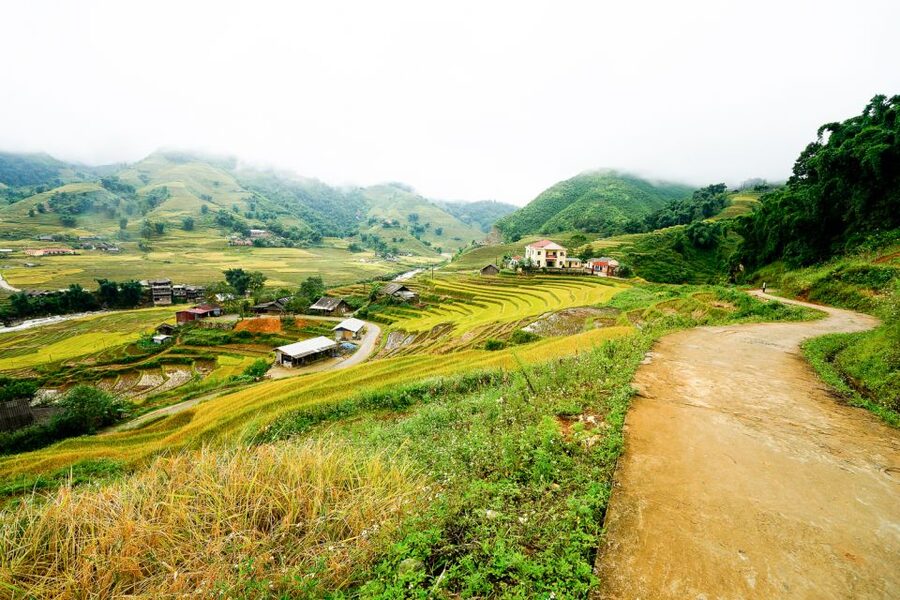
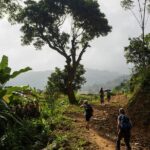
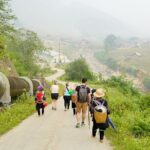
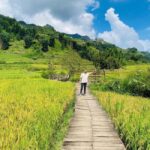
Day 2 is the meat of the trek. You start with breakfast at your hotel, then begin walking along the side of the Muong Hoa Valley.
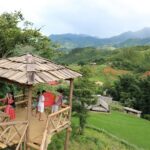
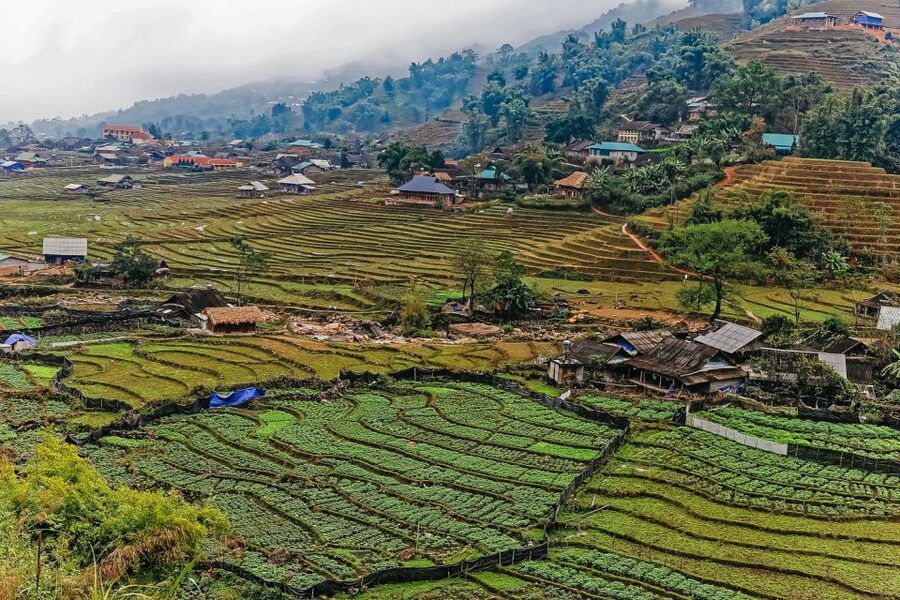
First up are village visits tied to the Black H’mong areas: Y Linh Ho and then Lao Chai. After Lao Chai, lunch happens, followed by a walk through terraced rice fields toward Ta Van Village—home to the Dzay/Zay minority.
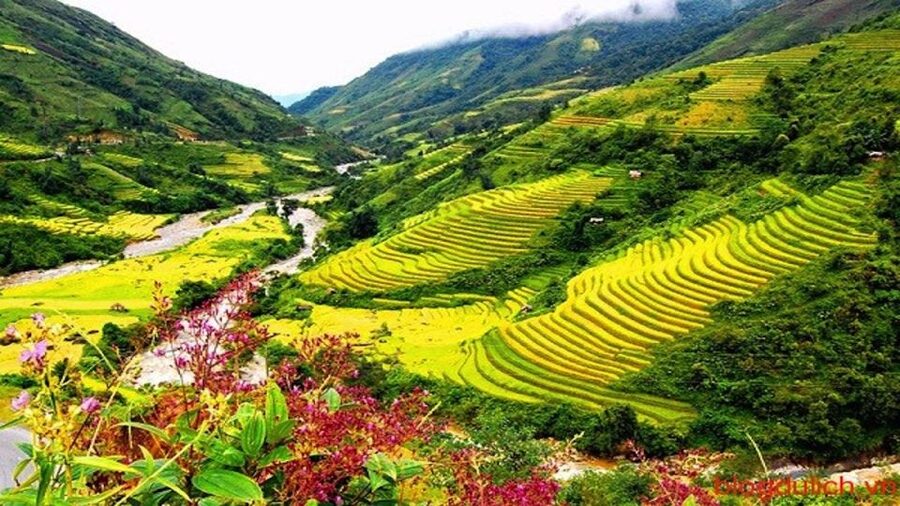
This day is valuable because it shows you how the valley works as a living system. When you’re walking between settlements and terraces, you’re not just seeing scenery—you’re seeing how people organize work, crops, and community across slopes.
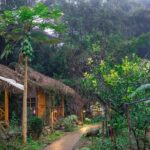
Then you settle into the highlight of the itinerary: one night at a Ta Van homestay. The plan frames this as traditional hospitality, and that difference matters. A homestay night turns the trip from sightseeing into a cultural exchange, and it usually makes your memories stick longer than another hotel-night pattern.
The itinerary doesn’t spell out homestay bedroom details, so expect basic, functional accommodations and go with the mindset of spending time with people, not chasing hotel-style comfort.
Day 3: Red Zao and H’mong villages, waterfall, rattan bridge, then back to Hanoi
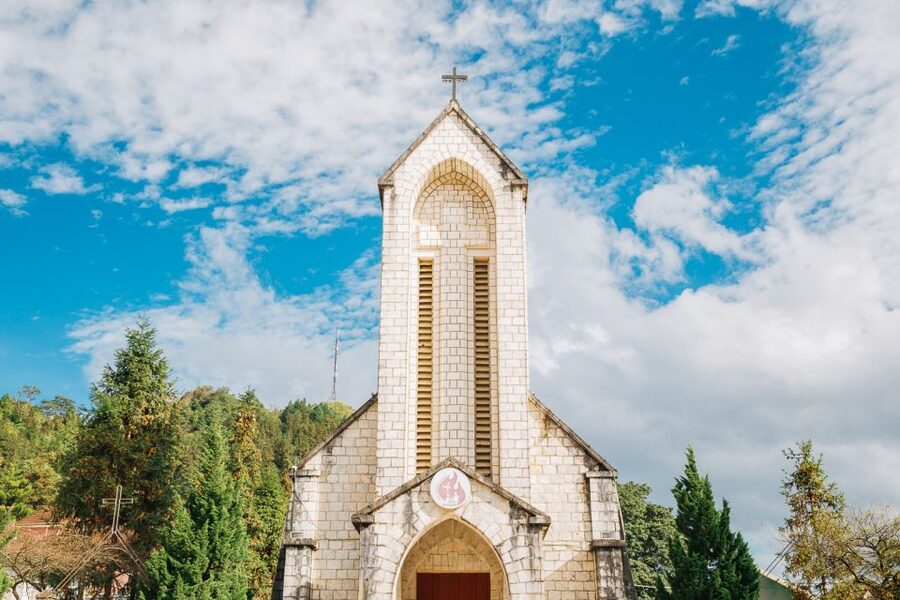
On Day 3, you continue the trek after breakfast, visiting two villages: Giang Ta Chai and Su Pan, associated with the Red Dzao area (the plan also includes a H’mong stop). You’ll also visit a waterfall and cross a rattan bridge. The itinerary mentions views through a bamboo forest, plus a final move back to the main road.
After the trek ends, you catch a car back to Sapa and then a limousine to Hanoi. The plan expects departure around 2 PM, with drop-off in Hanoi at around 8–9 PM.
This day matters because it balances culture with “nature moments.” Waterfall stops and the rattan bridge are great mental reset points after hours on a walking route, especially when the weather shifts.
One practical note: at the end, the activity stops back at the meeting point in Hanoi. So you should be ready to handle the final steps to your hotel on your own from there—especially if you’re back late at night or arriving in the dark.
Homestay and handicraft center: learning without making it a performance
Two parts of this experience are built around human contact: the Ta Van homestay and a stop at a local handicraft center where women gather to exchange skills.
Here’s why that’s a big deal. In Sapa, people can fall into two extremes: either you only shop, or you only photograph. This trip is structured to give you a more grounded reason to pause, ask questions, and watch making and daily routines in a real setting.
At the handicraft center, the focus is on women’s craft knowledge and skill sharing. If you’re the kind of traveler who likes to learn how things are made—rather than only buying souvenirs—you’ll probably get more out of this stop. If you do purchase something, keep it simple and respectful. Most importantly: treat the visit as a conversation, not a transaction.
For the homestay night, I’d encourage a flexible attitude. Basic setups, shared routines, and the family pace can feel different from hotel life. If you enter it like a guest and not a customer, the night tends to feel worthwhile.



Meals, timing, and what you should budget for drinks
Meals are included for the days the itinerary lists them: breakfast, lunch, and dinner on the trek days (and dinner on the first Sapa day). The plan doesn’t list drinks as included.
That means water or other drinks are likely extra costs. One review also flagged that drinks weren’t included with meals, so don’t count on meals to cover your thirst.
The food details that are actually spelled out are comforting and specific:
- Dinner in Sapa includes roasted corn and baked eggs by charcoal fire.
- You’ll get meals during the trek days as listed.
My advice: budget for drinks, and if you have caffeine needs, plan ahead. Sapa routines run on local timing, and trekking days can make it hard to hunt for a specific beverage later.
Comfort and logistics: train cabins, walking distance, and gear that matters
You’re dealing with multiple transport modes, so your comfort depends on prep.
Walking and effort
The tour notes the trek is 9 km, and it’s not recommended for older guests or children. That’s a helpful flag. The distance sounds manageable on paper, but Sapa terrain changes the math fast—steep angles, uneven ground, and weather can make it feel tougher than expected.
If you’re short on hiking stamina, you’ll still be okay if you pace yourself and listen to your guide, but choose shoes that handle mud and rock.
Cold and fog expectations
The tour explicitly warns that Sapa weather is unpredictable and cold from September to March. It also notes fog in December, January, February, and March. If you’re traveling in those months, pack for reduced visibility and colder mornings.
What to bring is very clear:
- Comfortable shoes
- Warm clothing, including a scarf and hat/cap
- Trekking shoes, sunglasses, sun cream, insect repellent
- Medicine if you need it
- Cash in Vietnam Dong (banking can be spotty); USD/EUR/AUD are accepted in Sapa
One more practical angle: the plan recommends a warm layer strategy. In fog and cold, you’ll warm up when walking, then cool quickly when you pause.
Train comfort and bunk expectations
The overnight train is air-conditioned with a shared 4-bed cabin. One review mentioned the train ride was noisy and bumpy, and that toilet use could be challenging. Another review mentioned no choice of top or bottom bunk, which can be awkward if you’re picky about sleep position.
So go in ready for real-world train conditions, not luxury sleep.
Village selling and following pressure: how to keep your walk calm
This is one of the most important notes in the entire itinerary, and I’m glad it’s written plainly.
The tour warns that local ethnic people may try to accompany you the whole trekking way to ask for money or sell items at high prices. It says this is a pressing issue that authorities haven’t solved. The instructions are: ignore them and stick with your guide.
That’s good advice for two reasons. First, it keeps your pacing and group safety intact. Second, it prevents you from getting pulled into a side interaction that eats time (and can make the walk feel stressful).
If you want a simple rule: let your guide be the anchor. If you feel someone is trying to take over your path, step back and look toward your group and guide, then continue. A calm, consistent boundary usually works better than a long debate.
Also remember: some sellers are trying to earn a living. Your job isn’t to manage every human situation. Your job is to keep your trek smooth.
Value and what makes this $212 price feel fair

At $212 per person, you’re paying for more than a hike.
You’re getting:
- Hotel pickup and drop-off from Hanoi Old Quarter
- A local English guide
- Overnight train accommodation from Hanoi to Lao Cai (shared 4-bed cabin, air-conditioned)
- Transport from Lao Cai station to Sapa by shared minibus
- 1-night homestay in Ta Van
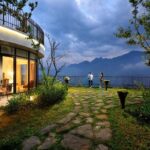
- 1-night 3-star hotel in Sapa center
- All meals listed in the itinerary
- Sightseeing fees, tax, and service charges
In other words, this price bundles the big-ticket items: overnight transport, guided trekking, and two different accommodation styles (hotel + homestay). That’s a lot to get into one package.
What you’ll likely pay extra:
- Drinks (meals don’t include them)
- Personal expenses
- Any additional activities you add on your own
One more value angle: the itinerary is built around getting you to multiple village areas across different days, instead of returning to town after every short stop.
Who should choose this Sapa trek—and who should skip it
This is best for you if:
- You like walking with a guide and learning as you go
- You want a Ta Van homestay experience, not just a day trip
- You’re comfortable with basic to moderate trekking conditions and cold weather prep
It’s not a great match if:
- You need wheelchair-friendly or mobility-friendly access (the tour says it’s not suitable for mobility impairments or wheelchair users)
- You have trouble with uneven ground
- You’re traveling with very young children or older travelers who can’t manage the listed trek length
Also, pets aren’t allowed, and alcohol/drugs aren’t allowed on the tour.
Should you book this Sapa 3-day trek + overnight train?
If you want a well-paced way to connect Hanoi to Sapa without losing a full day to travel, this package makes sense. The overnight train plus village-to-village trekking plus the Ta Van homestay gives you three different ways to experience the region, all within a single price.
I’d especially recommend it if you’re the kind of traveler who enjoys meeting people, asking questions through a local guide, and treating the homestay night as the emotional center of the trip.
But if you know you’ll hate cold fog, rough train sleep, or being firm about selling pressure on the trail, then you should either adjust your travel month or look for a different style of Sapa visit with less time on foot.
FAQ
FAQ
How many days and nights is this Sapa experience?
It runs for 3 to 3.5 days, including an overnight train night plus three nights total: one night on the train, one night at a Ta Van homestay, and one night at a 3-star hotel in Sapa center.
What time does the overnight train leave Hanoi?
The plan says you board the overnight train from Hanoi to Lao Cai at 10 PM.
Where do I need to go in Hanoi to start the trip?
You make your way to Hanoi Railway Station and meet the staff there to get tickets. The instructions specify going to the 2nd floor and proceeding to gate 2A.
Does the price include transport from Hanoi and back?
Yes. The tour includes hotel pickup and drop-off from Hanoi Old Quarter, and on the return you’ll take a limousine to Hanoi with drop-off around 8–9 PM at the meeting point. After that, the activity ends back at the meeting point.
Is a homestay included?
Yes. You get 1 night at a homestay in Ta Van Village, described as a traditional hospitality experience.
Is there a hotel stay in Sapa besides the homestay?
Yes. You spend 1 night at a 3-star hotel in Sapa center.
What meals are included, and are drinks included?
Meals listed in the itinerary are included (breakfast/lunch/dinner as scheduled). Drinks are not included, so plan to pay for them separately.
How much trekking will I do?
The tour notes a 9 km trek. It also says this is not recommended for older guests or children.
What should I pack for weather in Sapa?
Bring warm clothing (including a scarf and hat/cap), comfortable shoes, and trekking gear like sunglasses, sun cream, and insect repellent. The tour also suggests medicine in case of illness and bringing cash in Vietnamese Dong.
Is it wheelchair accessible, and is there a solo traveler supplement?
The tour says it’s not suitable for mobility impairments or wheelchair users. For solo travelers, there is a single supplement for 2 nights in a 3-star hotel and a private bungalow (the exact amount is updated at booking).