REVIEW · SUCRE
Sucre: 1-Day Trek in the Crater of Maragua and Inca Trails
Book on GetYourGuide →Operated by Jalq'a Tours · Bookable on GetYourGuide
Crater hikes with Inca steps and dinosaur clues. What I like most is the Inca-trail walking you do on the Camino del Inca, plus the chance to learn Jalqa culture through village stops and storytelling along the way. The day is also built around big, visual moments like La Garganta del Diablo, and then the payoff: dinosaur footprints in the afternoon. One heads-up: this is a rain-or-shine trek with long stretches at altitude, so you need to come ready for a tough-but-manageable day.
A great guide makes all the difference, and names like Walter, Dinelsa, and Pablo come up for a reason: they focus on local plants, animals, and everyday history instead of just reciting dates. Still, consider comfort in transit. Some people find the jeeps a bit old and the roads a little bumpy, so pack patience along with your hiking shoes.
In This Review
- Key Points You Should Know Before You Go
- Why This One-Day Trek from Sucre Feels Like a Mini Adventure
- Meeting in Sucre and the Ride to Chataquilla
- Chataquilla Photo Stop to Camino del Inca: The Inca Walking Phase
- CHAUNACA Stop: A Short Culture Moment That Helps the Whole Day Make Sense
- Maragua Crater and La Garganta del Diablo: Where the Day Turns Dramatic
- Huellas de Dinosaurios: Taking Time With the Footprints in the Afternoon
- Pace, Altitude, and Why the Day Feels Busy (But Not Too Hard)
- What’s Included, What Isn’t, and What to Pack for a Smooth Day
- Price and Value: Is $94 Worth It?
- Who This Tour Suits Best (And Who Should Skip It)
- Should You Book This Sucre Trek?
- FAQ
- How long is the Sucre trek in the Crater of Maragua?
- What time does hotel pickup start in Sucre?
- Where does the Inca trail section begin?
- How much of the day is actually walking?
- What languages are the guides available in?
- Is lunch included, and is it vegetarian?
- Are water, breakfast, and snacks included?
- What entry tickets are included?
- Is the tour running rain or shine?
- Is the tour suitable for children or wheelchair users?
Key Points You Should Know Before You Go
- Walk a real Inca path on the Camino del Inca, not just a quick photo stop.
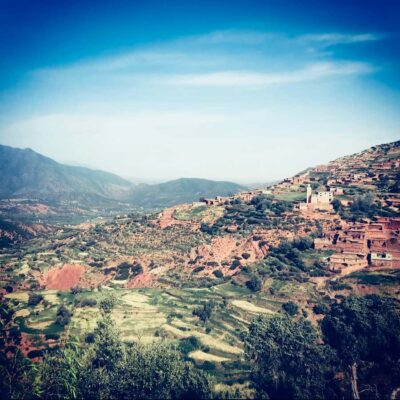
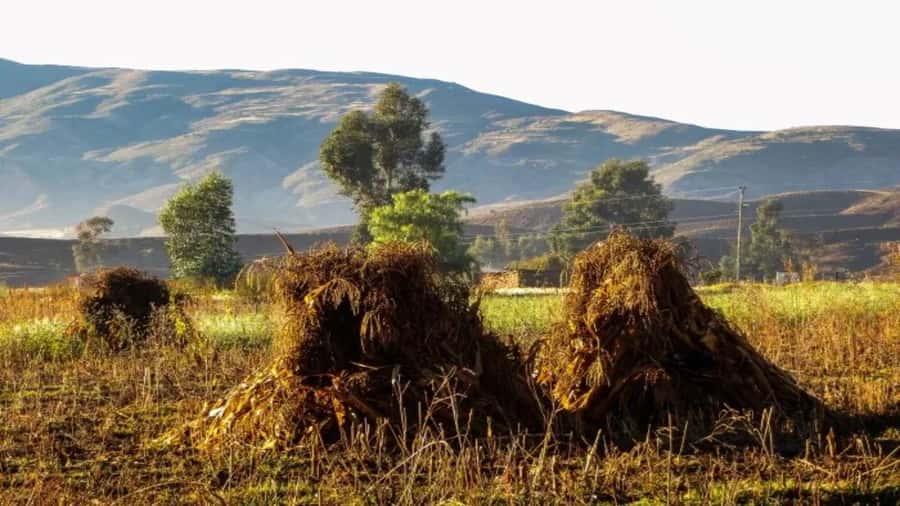
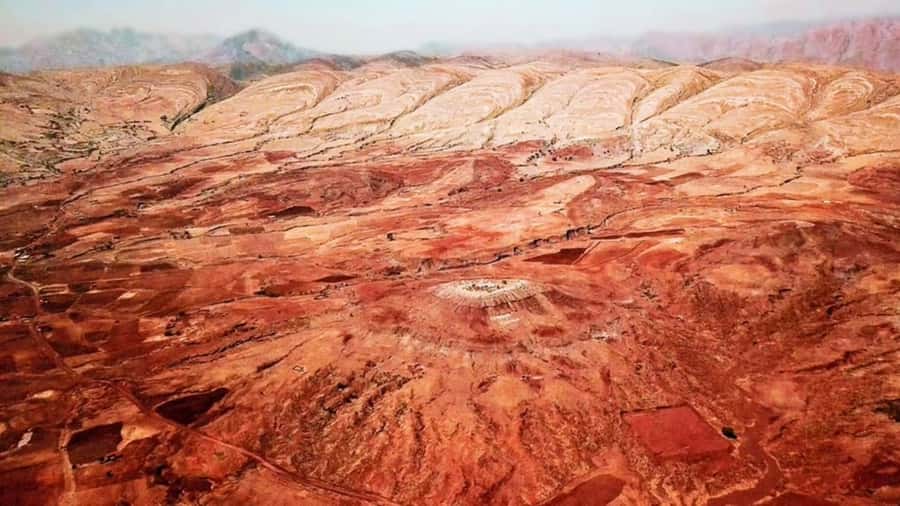
- Maragua Crater feels close to the sky: color, altitude air, and short hikes with breaks.
- Jalqa culture is part of the route, not an add-on. You’ll get village context through your guide.
- La Garganta del Diablo gives you a dramatic rock-formation moment during the crater visit.
- Dinosaur footprints are a full stop in the afternoon, with time to look closely.
- You’re moving for 10 hours, so plan for a long day and bring what you need for water and snacks.
Why This One-Day Trek from Sucre Feels Like a Mini Adventure
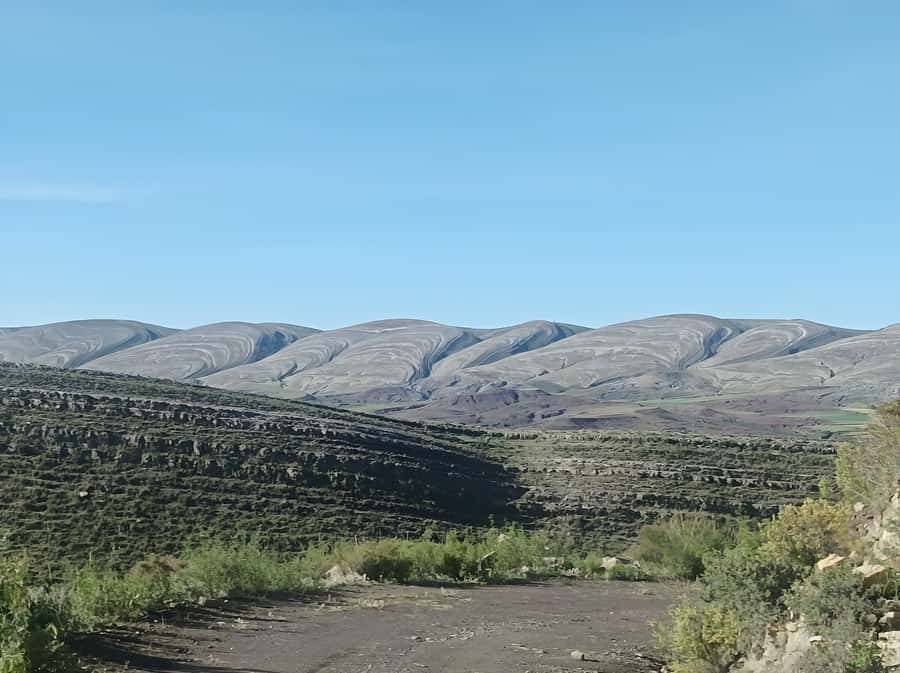
This is the kind of day trip that makes Sucre feel like a basecamp for real countryside exploring. You start with colonial chapel energy in Chataquilla, then shift gears into an Inca trail walk. After that, you head to the Maragua Crater area, where mountain color and local culture are front and center. The best part is how the day escalates: Inca footpath, then crater viewpoints, then dinosaur footprints you can actually spend time studying.
What makes it especially compelling is the mix of timescales. You’re walking a trail with Inca-era roots, hearing about contemporary Indigenous life like Jalqa traditions, and then checking a site linked to ancient dinosaur-era footprints. It’s not just sightseeing. It’s a route with layers.
The practical reality: you’re doing about five hours on foot and the rest is handled by private jeep/SUV transfers. That keeps the day doable, but it still adds up to a full day in the field.
Meeting in Sucre and the Ride to Chataquilla
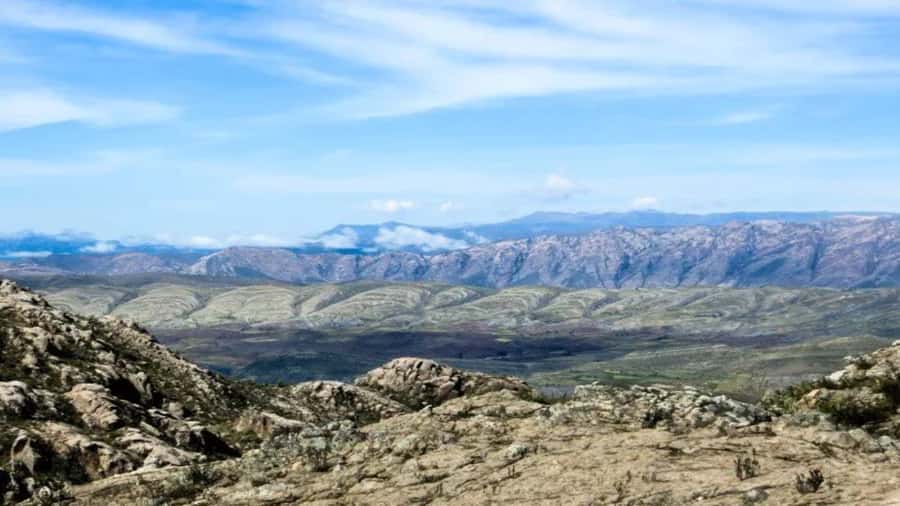
Your day kicks off with hotel pickup around 8:30 in the morning. You’ll want to be in the lobby a few minutes early so you don’t slow the group down. From Sucre, it’s about one hour by jeep/SUV to reach Chataquilla, where the first meaningful stop is the colonial chapel.
There’s a photo stop plus a guided visit here (about 30 minutes). This isn’t the main attraction, but I like it because it helps you orient fast. The setting is visibly Bolivian and helps you understand that this excursion is tied to everyday geography, not a sterile “tour-zone” start.
Then you’re underway again, heading for the Camino del Inca hike. The transition is quick: you go from chapel area context into a walking-focused stretch, so good footwear matters right away.
Chataquilla Photo Stop to Camino del Inca: The Inca Walking Phase
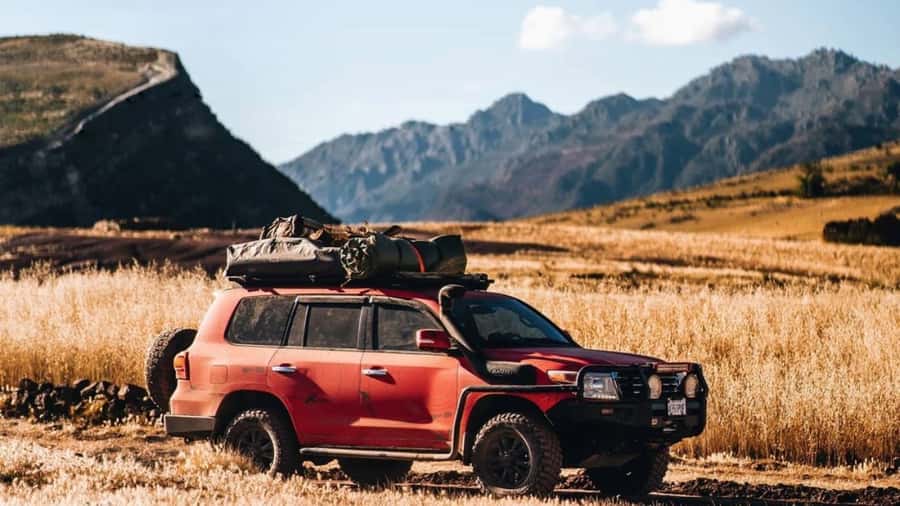
Once you start the Camino del Inca, you’re in the heart of the day. Expect about two and a half hours of hiking on the Inca path segment, with a guided explanation along the way. The route is paced for a day trip, but it’s still a real walk. Plan to focus on your footing and keep a steady tempo.
This section is where you feel the “old trail” effect. Even without big monuments, there’s something tangible about walking a route people once relied on. You’re moving across terrain that matters, not just strolling.
Altitude can play a role here. The tour notes that trekking is typically around 2,800 to 3,000 meters. That range is common around Sucre, but it still means you should dress and move like you’ll need oxygen management: slow down early, drink when you can, and avoid sprinting up sections even if you feel good at first.
CHAUNACA Stop: A Short Culture Moment That Helps the Whole Day Make Sense
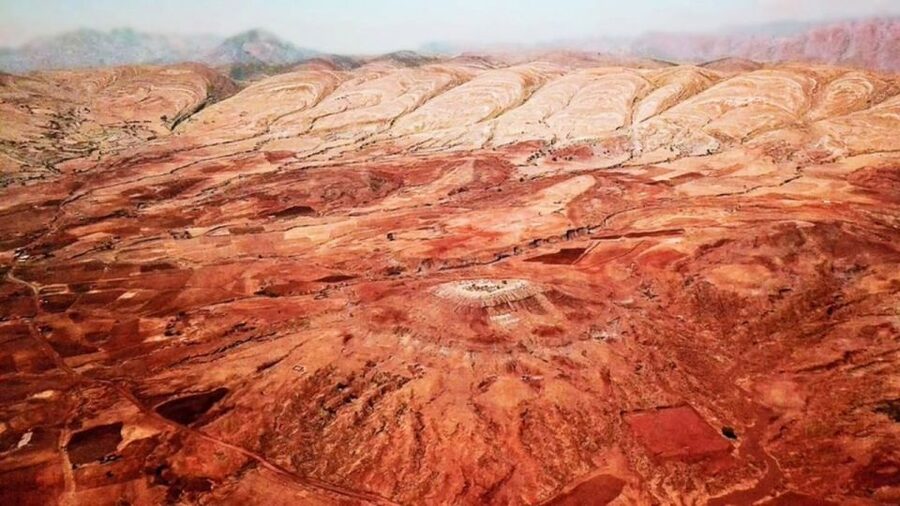
After the first hike segment, the schedule includes a quick transfer and then a guided visit at CHAUNACA (about 15 minutes). This is brief, but it matters because it ties the physical walking to local identity.
This is also where the Jalqa culture piece often gets more concrete. Depending on your guide, you might hear about how traditional villages live, how knowledge is passed on, and how crafts connect to daily life. Some itineraries also mention the chance to see a weaver if one is available, along with an explanation of the art and its cultural meaning.
Even if the weaver moment doesn’t happen, the stop is designed as a “meaning switch.” Instead of treating the day as only terrain and photos, you get a few minutes of human context.
Maragua Crater and La Garganta del Diablo: Where the Day Turns Dramatic
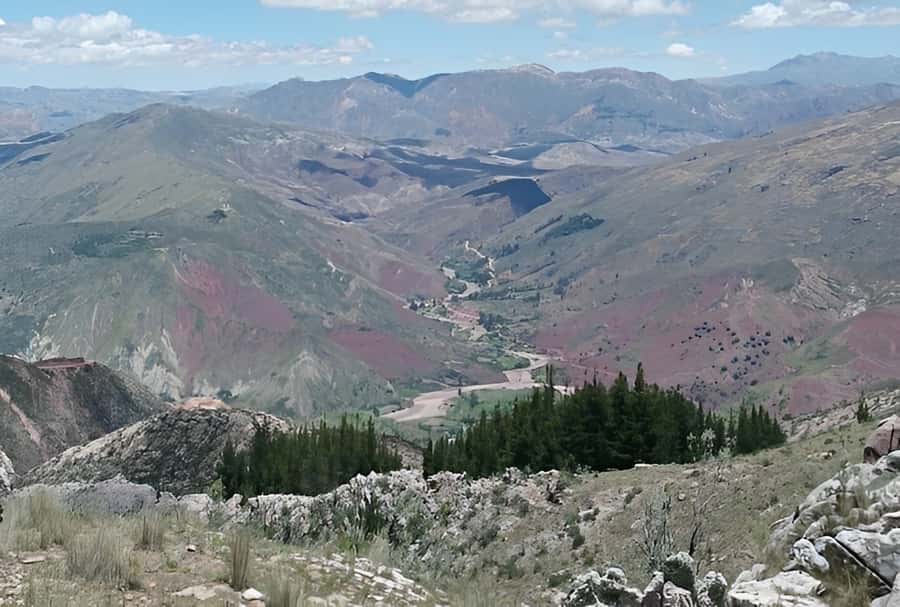
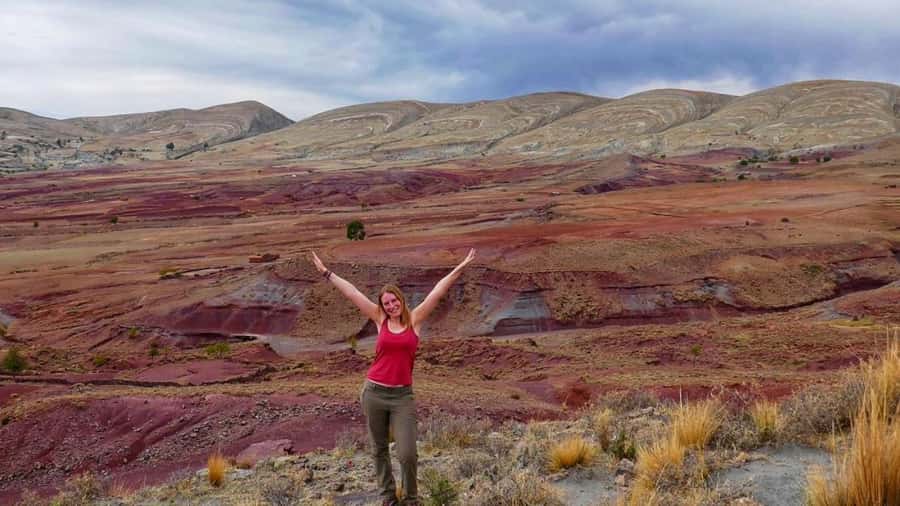
Next comes the crater area. After additional driving, you reach Maragua Crater, where you spend around 45 minutes with a guided visit and a short hike component. This is one of those places where the scenery hits fast, and it’s not just about views. It’s about how the land shapes the way people move and live.
A highlight here is La Garganta del Diablo, the rock formation stop. You’ll have about 30 minutes for it, which is long enough to walk around, pause for photos, and actually look. The formation is a powerful visual anchor for the trip because it gives you something to remember even after the day blurs.
Food is part of this stage too. You’ll stop for a vegetarian lunch in the Maragua area. That matters for value and energy. You’re out for roughly 10 hours, and the tour schedule doesn’t include breakfast, so lunch becomes your main mid-day reset.
From a comfort standpoint, this is also where the day’s weather can feel more noticeable. The route runs rain or shine, so bring layers and expect shifting conditions even if Sucre starts out clear.
Huellas de Dinosaurios: Taking Time With the Footprints in the Afternoon
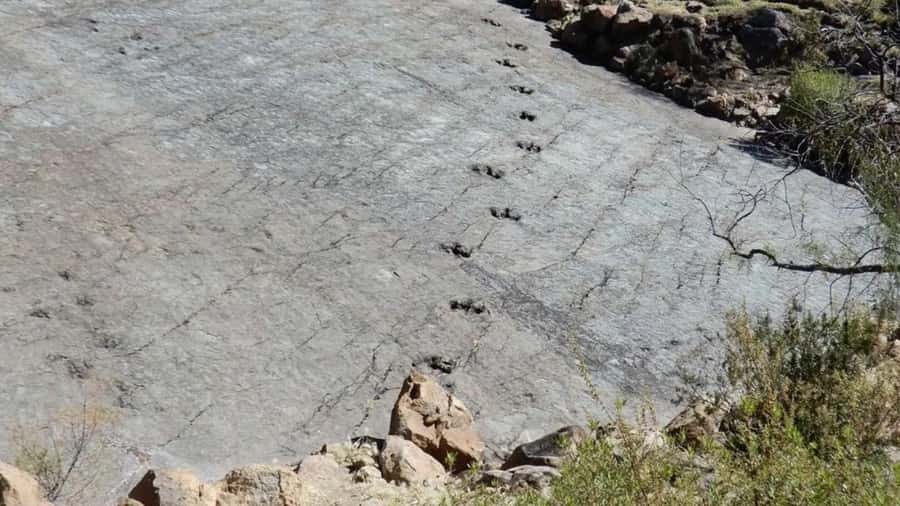
In the afternoon, you move to Huellas de Dinosaurios for about two hours. This is not a quick photo-and-go stop. You’ll have time to look closely at the footprints and understand why this site is a major draw.
What I appreciate here is the pacing. After walking earlier, this afternoon block lets your body reset while your eyes stay engaged. Your guide can help you make sense of what you’re seeing, and you can take breaks without feeling rushed.
If you’re the type who likes to study details, this is where the day rewards you. The footprints aren’t a “one-angle” attraction. With a couple of viewpoints and time on site, you get a better sense of scale and how to interpret the marks.
Then it’s back into the jeep/SUV for the drive toward Sucre, finishing a long day with about two hours of travel time.
Pace, Altitude, and Why the Day Feels Busy (But Not Too Hard)
This trip runs about 10 hours total, and it mixes walking and driving in a thoughtful way. You’re on foot for roughly five hours, with the rest handled by private transportation. That structure is key. It makes the experience accessible to more people than a full multi-day trek, while still giving you real hiking time.
The altitude range of 2,800 to 3,000 meters means you should treat the day like a moderate effort, not a casual stroll. You don’t need heroics. You need steady breathing, hydration, and sensible pacing.
One more practical note: the departure time may vary depending on weather. Since it runs rain or shine, conditions can affect timing. If you’re connecting onward to another plan the same day, build in buffer time so you don’t feel rushed at the end.
Transit comfort is the only consistent wildcard. You may be in an older jeep/SUV on bumpy roads. That’s not a dealbreaker, but it’s worth planning for. If you’re sensitive to motion or roads, consider a travel pillow or just settle in early mentally.
What’s Included, What Isn’t, and What to Pack for a Smooth Day
The included stuff is genuinely helpful for a day trip. You get:
- Hotel pickup and drop-off in Sucre
- Entry tickets to the Inca trail, Maragua area, and dinosaur footprints (the tour states 10 dollars)
- An English or Spanish guide
- Private transportation
- First aid kit
- Vegetarian lunch
What you have to handle yourself:
- Water
- Breakfast
- Snacks
That’s the big practical gap. Day trips like this can get deceptively intense once you’re walking at altitude. Bring enough water and keep a small snack kit for energy dips. Even if lunch is good, it helps to have something between meals.
For packing, stick to what the tour asks you to bring:
- Hiking shoes (non-negotiable for footing)
- Sunscreen
- Passport (a copy is accepted)
- Flashlight
- Waterproof bag
Flashlight and waterproof bag may sound extra, but if conditions shift or you need to move in shaded areas, they become useful. At altitude, you can also get sudden changes in cloud cover, and protecting your essentials is smart.
Price and Value: Is $94 Worth It?
At $94 per person for a 10-hour excursion, you’re paying for more than a guide. This is a package that includes:
- guided access to multiple sites (Inca trail, Maragua, dinosaur footprints),
- private transportation all day,
- lunch,
- and hotel pickup/drop-off.
If you priced those parts separately, the day becomes harder to justify. The real value here is the sequencing. You’re not scrambling to coordinate transport between sites. You get a single route with a plan: Inca trail walking, culture stop(s), crater visit with a rock-formation highlight, then dinosaur footprints.
Is it perfect value for everyone? It depends on how you like to travel. If you prefer totally independent pacing, you might resent being scheduled for a full day. If you like structure and want the hassle taken off your plate, $94 is a reasonable number for what’s included.
Who This Tour Suits Best (And Who Should Skip It)
This works well for you if:
- you want a meaningful day hike without booking multiple days,
- you like history mixed with living culture (Jalqa village context),
- you want a structured itinerary with time at each main stop,
- and you’re comfortable walking at altitude for several hours.
It may not suit you if:
- you’re bringing kids under 9,
- you’re pregnant,
- you have mobility impairments or use a wheelchair.
Even when the day uses driving to reduce walking, you still have enough trekking to make it unsuitable for many accessibility needs.
If you’re sensitive to bumpy roads, plan for transit discomfort. A calmer pace from a good guide helps a lot, and guides like Dinelsa with driver Carlos are noted for being kind and considerate, which can make the day feel smoother.
Should You Book This Sucre Trek?
I’d book it if you’re in Sucre and want a full, varied day that hits Inca walking, crater scenery, and dinosaur footprints without turning into a rushed circuit. The schedule gives you enough time at the crater and footprints to actually look and learn, and the included lunch keeps you from scrambling for food at altitude.
Skip it if you want a gentle half-day, or if weather-driven changes in timing will wreck your plans. Also be honest about your physical comfort: you’re doing roughly five hours on foot at 2,800–3,000 meters, rain or shine.
If you want the best odds of an enjoyable day, do three things: wear proper shoes, bring your own water and snacks, and keep your pace steady early. That’s how the day stays fun instead of stressful.
FAQ
How long is the Sucre trek in the Crater of Maragua?
The tour lasts about 10 hours.
What time does hotel pickup start in Sucre?
Pickup starts at around 8:30 in the morning.
Where does the Inca trail section begin?
The walking begins after a trip to the colonial chapel of Chataquilla.
How much of the day is actually walking?
You’ll walk for approximately five hours, with other parts covered by private transportation.
What languages are the guides available in?
Guides are available in English or Spanish.
Is lunch included, and is it vegetarian?
Yes. Lunch is included and it is vegetarian.
Are water, breakfast, and snacks included?
No. Water, breakfast, and snacks are not included.
What entry tickets are included?
Entry tickets to the Inca trail, Maragua, and the dinosaur footprints are included (listed as 10 dollars).
Is the tour running rain or shine?
Yes. The tour takes place rain or shine.
Is the tour suitable for children or wheelchair users?
It is not suitable for children under 9, pregnant women, people with mobility impairments, or wheelchair users.