REVIEW · LOMBOK
Mount Rinjani: 2D/1N Trekking To Sembalun Or Senaru Views
Book on GetYourGuide →Operated by Din Trekking Rinjani} · Bookable on GetYourGuide
Sunrise at 3,726m changes your breathing. This 2D/1N Mount Rinjani climb is short on time but big on payoff: crater-rim sunsets, a hard summit morning, and big-sky views all the way to the Gili Islands.
I especially love the day hike rhythm: open grasslands, then a steeper push toward the crater rim, with frequent stops to catch your breath and snack. I also like how the trip is built around a capable team, with guides and porters such as Din and Awan praised for being attentive and safety-minded while keeping food hot and plentiful.
One possible drawback is equipment and pacing can vary. In one case, a guest had to share a headtorch and wished they’d had trekking poles, so I’d plan to bring your own essential gear or ask what you’ll be issued beforehand.
In This Review
- Key things I’d watch for before you book
- Sembalun to the crater rim: where the trek feels manageable
- Crater-rim evening at 2,639m: the part you’ll remember at night
- The 3 a.m. summit push to 3,726m: sunrise is the whole point
- After sunrise: crater-rim breakfast and the descent back to Sembalun
- The views that sell this trek: Lake Segara Anak, rim light, and big island horizons
- Food, water, and the guide team: why it can feel smooth or stressful
- Gear and what you should bring for comfort and safety
- Price and logistics: does $190 make sense for a 2D/1N summit hike?
- Who this trek is best for, and who should skip it
- Should you book Mount Rinjani 2D/1N from Sembalun?
- FAQ
- How long is the Mount Rinjani trek?
- Where does the trek start and what altitude?
- What are the main elevations on the hike?
- When do you start the summit climb on the second day?
- Is there a hot spring included?
- What does the price include?
- What is not included?
- What languages are the guides?
- What is the minimum age to join?
- What is the cancellation policy?
Key things I’d watch for before you book
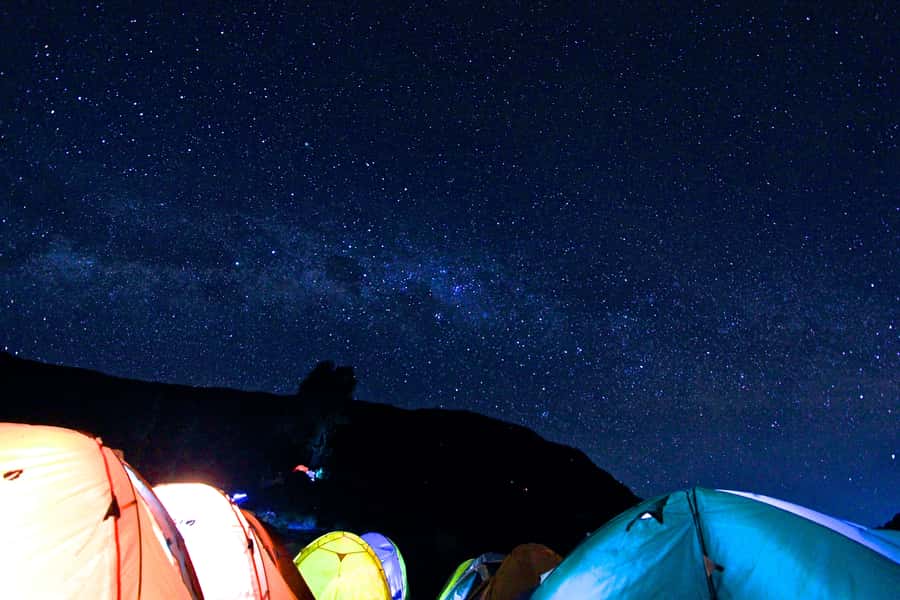
- Sembalun crater rim camping at 2,639m, with lake and summit views when the light hits right
- A 3 a.m. start for the summit push, so you need cold-weather patience and steady steps
- Hot spring time is part of the experience, which is a nice counterweight to the climbing
- Food and water planning (including 3 liters mineral water per person per day) helps you move without stress
- Guide quality matters: most teams get strong marks, but one negative report described weak communication and limited equipment
Sembalun to the crater rim: where the trek feels manageable
Your trek starts at Sembalun (1,156m) after a transfer by 4WD from Senaru and a quick registration stop at the Rinjani information center. I like this structure because you’re not guessing where to be or what happens next; the day begins with order, not chaos.
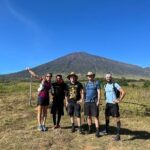
The trail begins with undulating grasslands, so your legs warm up without immediately feeling crushed. You’ll stop at key points along the way (Pos 1 and Pos 2) for rests and snacks, which is exactly what you want on a volcano trek. At Pos 3 (1,800m), you get a longer break for lunch, letting your body adjust to the altitude climb before the real slope work.
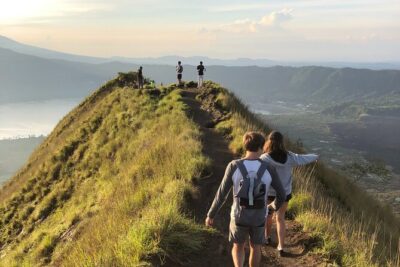
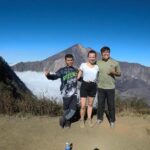
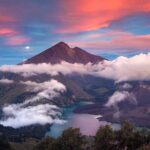
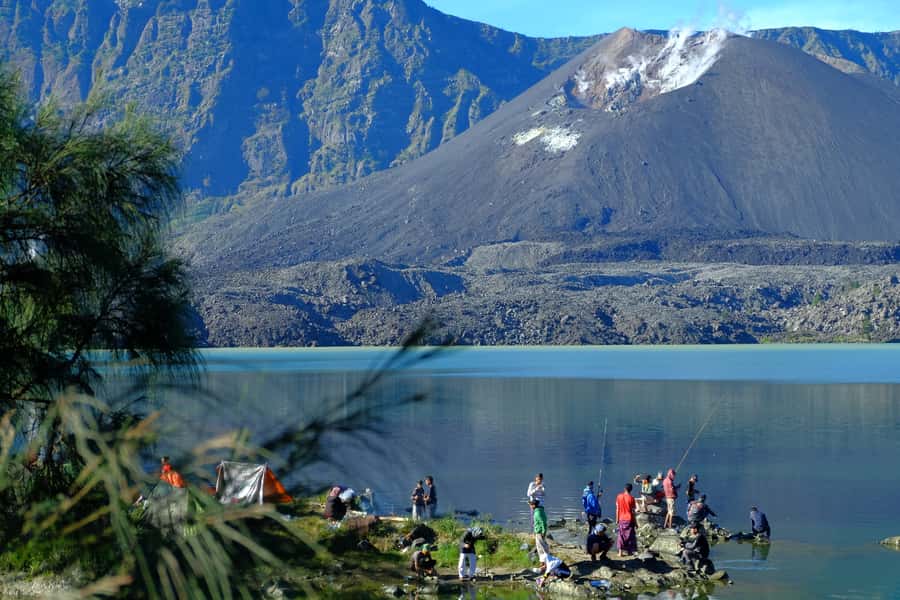
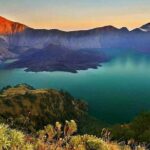
After lunch, the route turns steeper as you work toward the crater rim at 2,639m. This is where the views start doing their job: Lake Segara Anak comes into the story, and you’re aiming for camp in time for sunset. The payoff here is more than scenery. Being on the rim at golden hour helps you understand the mountain’s scale, and it makes the second day feel doable instead of random.
If you get motion sickness easily or your walking pace is slow, this day can still work, but you’ll want to stay disciplined with breaks. The route is described as steep and slippery overall, so steady footwork beats rushing.
You can also read our reviews of more tours and experiences in Lombok.
Crater-rim evening at 2,639m: the part you’ll remember at night
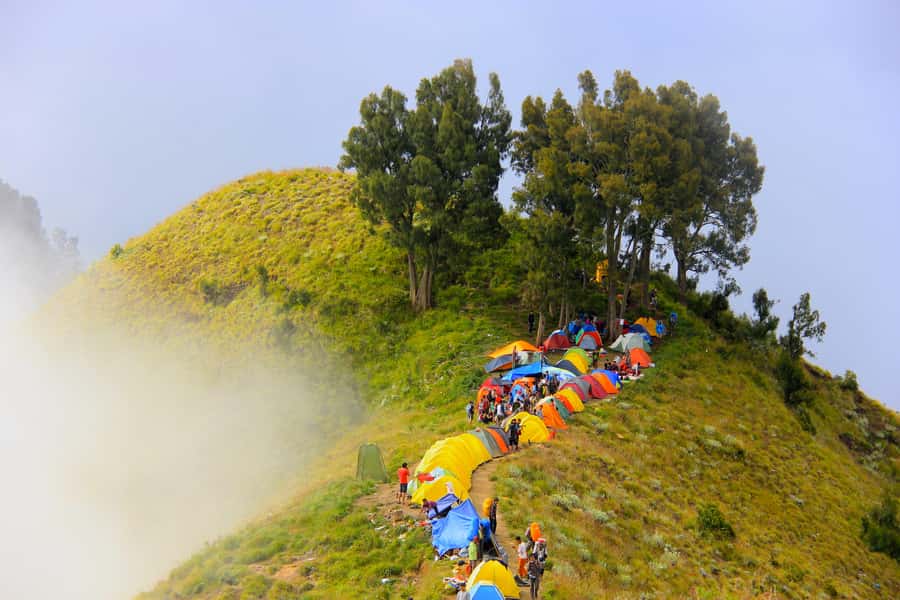
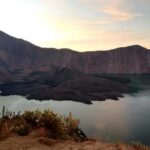
Camping at the crater rim means you’re sleeping high enough that the air feels different from the low valleys. You’ll reach camp by sunset time, with Lake Segara Anak, the summit of Mount Rinjani, and Northern Lombok in view when the weather cooperates.
This is also where the natural hot spring comes in. The tour highlights a soak in a natural hot spring, and in a short 2-day trek that kind of recovery time matters. Even if you don’t want to stay in long, a warm break helps your feet and calves stop feeling like they’re made of stone.
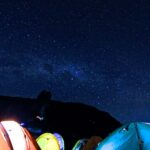
The set-up is designed for trekkers, not backpackers who want to improvise. You’ll be provided with tents, sleeping bags, and mats, plus toilet paper. That means your packing list can be simpler than some hikes on Bali or Lombok where you’re stuck renting half the basics.
One practical note: bring a headlamp you trust. Some guests reported equipment issues like shared headtorches, which is the last thing you want when you’re hiking in the dark on Day 2. Even if you’re provided a light, having your own backup plan keeps nerves low.
The 3 a.m. summit push to 3,726m: sunrise is the whole point
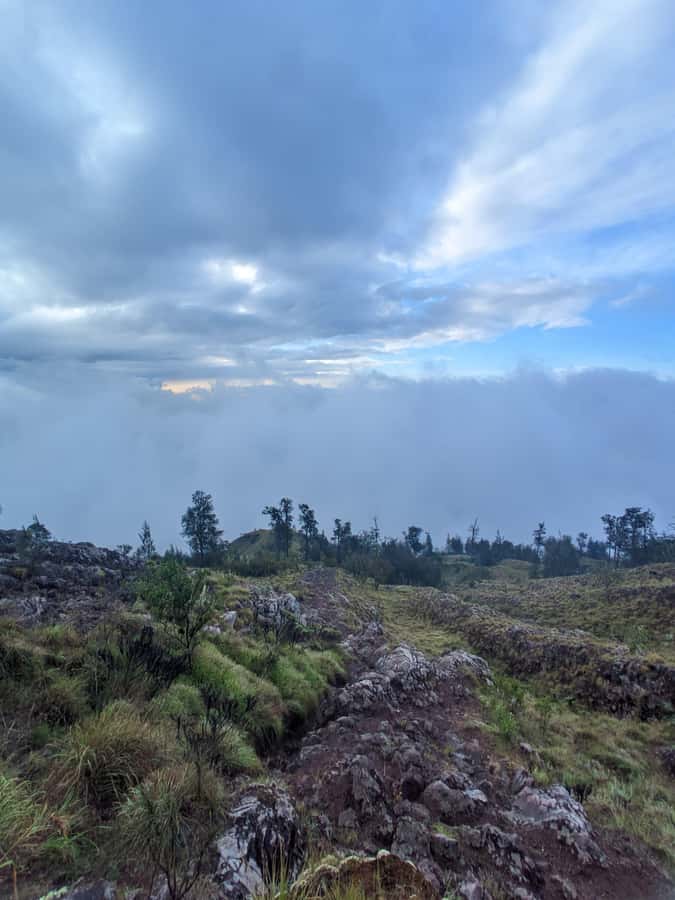
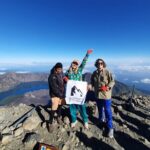
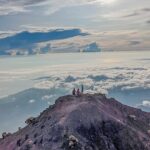
Day 2 starts early. You wake around 3 a.m., have a light breakfast, and then begin the challenging climb toward the summit at 3,726m. You’re looking at about a three-hour trek for the summit segment, which is long enough to test your breathing but short enough to keep hope high.
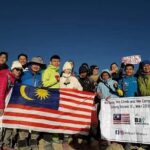
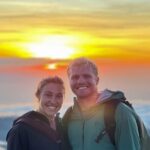
I like summit hikes that have a clear goal time. Sunrise makes the grind feel purposeful, and it’s why this route works so well as a 2D/1N option. When you reach the top in time, the reward isn’t just a view. It’s the feeling of having moved through discomfort on purpose, with a clock guiding you.
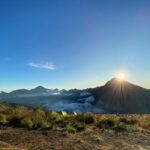
You’ll also see the spectacular sunrise of the 4 Gili Islands from the summit area. That’s a big reason people do this climb even when they know it’s tough. The islands are far enough that you get that “tiny dots in a huge sky” perspective, and it makes the journey feel larger than your effort level.
Now the reality check: this part is steep and can be slippery. The tour is clear that the route is challenging, so you should come with realistic expectations. If you’re prone to altitude problems or you struggle with height anxiety, this is not the place to test yourself.
After sunrise: crater-rim breakfast and the descent back to Sembalun
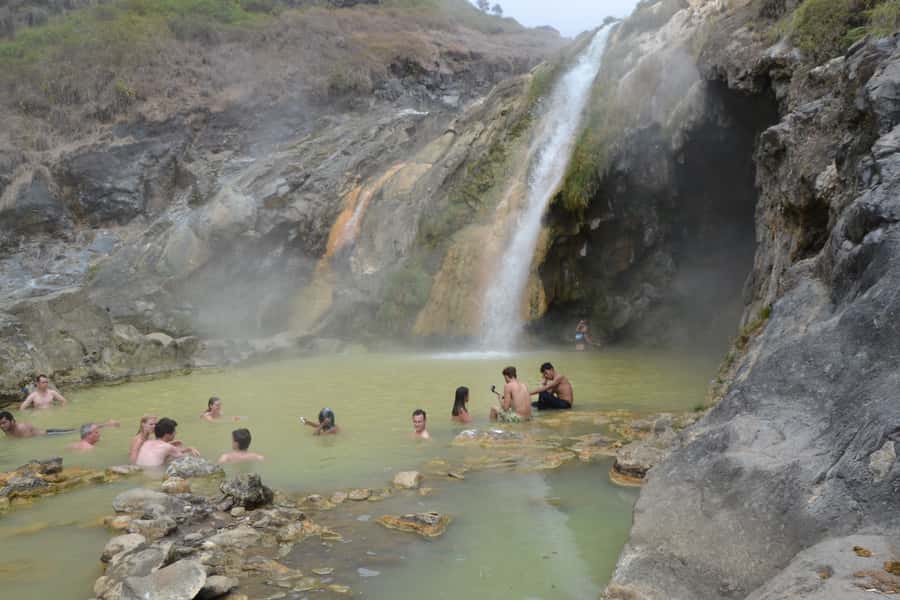
Once you’ve watched the sunrise, you don’t linger forever. You return toward the campsite on the crater rim and stop for breakfast and rest before starting the descent.
That crater-rim pause is valuable. It’s easy to think the hardest part is summit time, but fatigue usually turns the descent into the most annoying part of the whole trip. Resting first means you start downhill with better legs instead of moving like a tired robot.
On the way back to Sembalun, you’ll pass back through rest points and likely stop for lunch around Pos 2 or Pos 3. You’ll generally arrive back in Sembalun in the early afternoon, then get transported to places such as Sengigi, Bangsal, Mataram, or Kuta Free.
I like that the day ends cleanly. Many hiking packages leave you stranded at the trailhead with a confusing transfer plan, but this one builds in a ride after you finish.
The views that sell this trek: Lake Segara Anak, rim light, and big island horizons
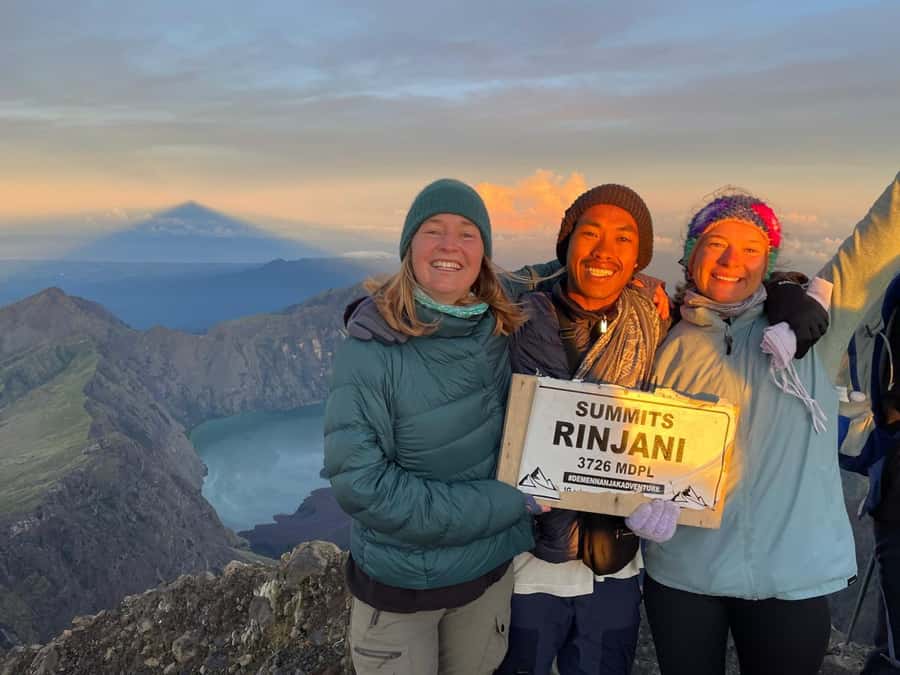
The route is built for people who want their money’s worth in scenery within a short schedule. Here are the key visual moments you should expect:
- Sunset from the crater rim: camp is timed so you get the rim atmosphere when the sky warms up and the lake looks darker and deeper.
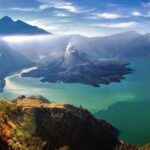
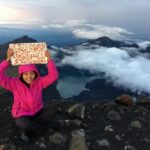
- Lake Segara Anak: you don’t just “see it.” You spend time on the rim where the lake sits below you, which makes distance and depth feel real.
- Northern Lombok: the skyline becomes part of the view, not just a background wall.
- Summit sunrise with the Gili Islands: that far-reaching look is why people plan time around the 3 a.m. start.
If clouds roll in, you might not get the full show, but the lighting changes around the crater area are dramatic even on imperfect days. This is one of those hikes where you’ll remember the color more than the exact shape.
Food, water, and the guide team: why it can feel smooth or stressful
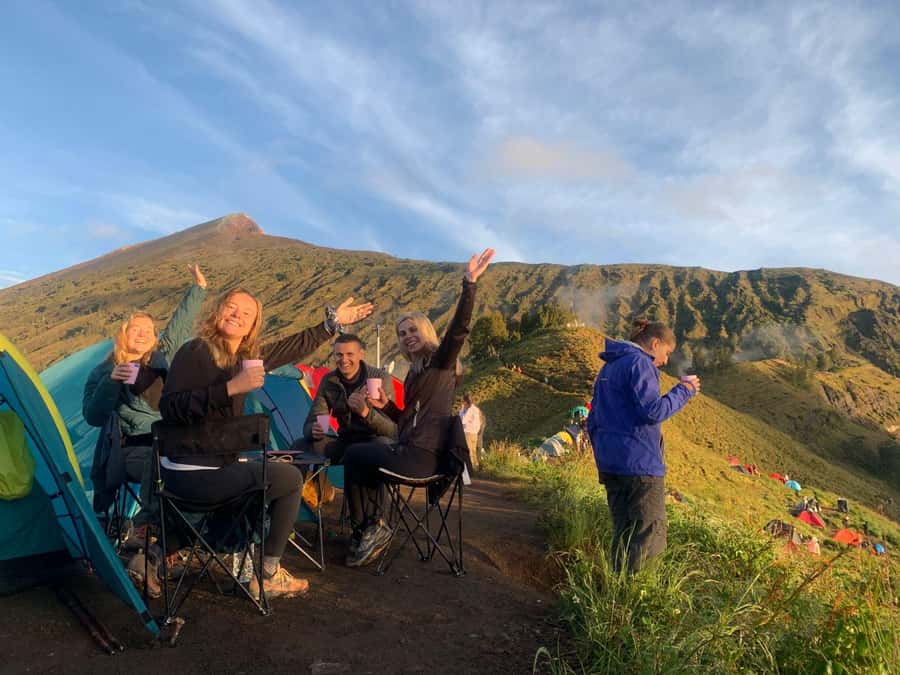
This trip includes food and drinking water during the climb with 3 liters of mineral water per person per day. That’s a big deal. When you’re climbing in cool early hours and then heating up later, dehydration isn’t a maybe. Having planned water reduces the temptation to cut corners.
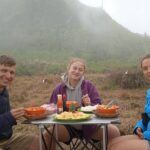
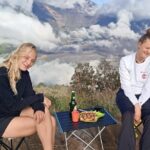
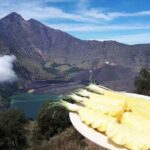
Food is part of the experience as well. In positive accounts, guests praised guides and porters for being kind and for preparing meals that felt like more than just fuel, including fruit like pineapple and bananas. One guest also credited a porter and cook named Man for preparing delicious meals at each stop, even with mountain conditions doing their worst.
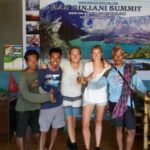
Guide support comes up again and again in the best feedback. Names like Din and Awan were described as attentive and caring, and one guest singled out that Din explained the program in advance and made sure people were prepared. That kind of pre-briefing matters when you’re dealing with altitude, cold mornings, and a steep, slippery path.
Now, the balanced caution: not every experience will match the best-case scenario. One negative report described a car that arrived late, a driver who drove fast in the dark, and route issues that added distance and kept the group from reaching expected official entry points. The same report also mentioned limited or missing gear like jackets, poles, or headlamps, and that the guide’s English was difficult.
So how do you protect yourself? Ask what equipment you’ll get, especially for headlamps, poles, and gloves. If you already own trekking poles, bring them. If you don’t, consider renting or buying locally. It’s not about comfort; it’s about stability on slippery ground.
Gear and what you should bring for comfort and safety
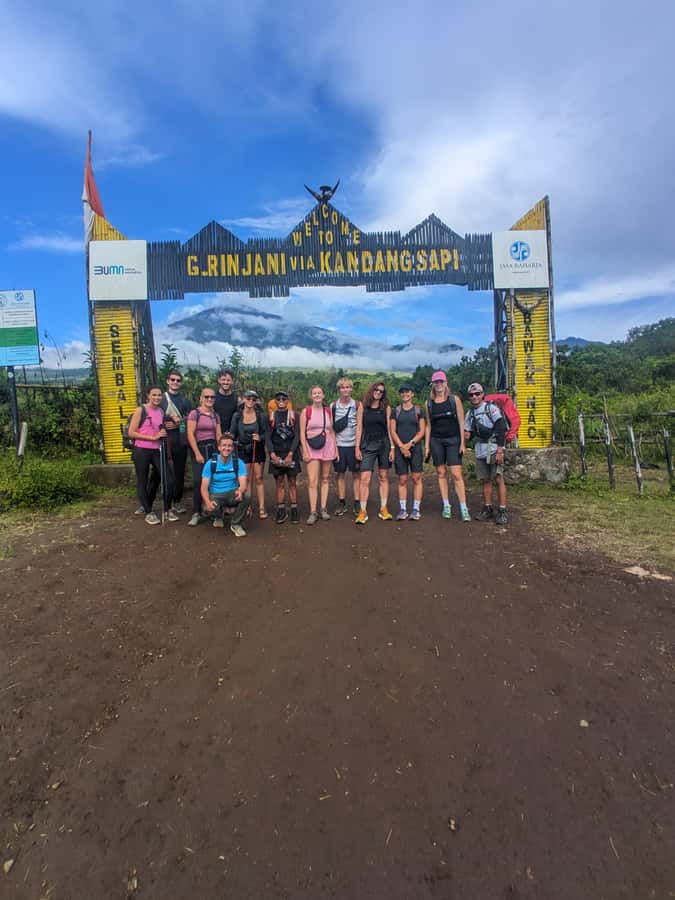
The tour lists some essentials and also makes it clear what’s not included. Here’s how I’d translate that into a simple plan:
Bring
- Camera
- Comfortable clothes
- Gloves
- Climbing gear (as listed)
- Goggles
- Downloaded app
Don’t skip this thinking
- The trek involves a steep, slippery route, and summit time means early morning cold. Even if warm layers aren’t included, you’ll be happier if you pack properly. The tour notes warm clothes are not included.
- Trekking shoes are not included, so don’t assume your normal sneakers will do.
- A small everyday backpack can be rented, but it’s not part of the included kit in the standard list, so plan how you’ll carry water, layers, and snacks.
Also, the tour prohibits baby strollers and baby carriages, and it prohibits alcoholic drinks in the vehicle. If you’re traveling with kids, check ages carefully before you commit.
Price and logistics: does $190 make sense for a 2D/1N summit hike?
At $190 per person for 2 days, the main question is value: what do you get for that money, and what might cost extra?
On the included side, you’re getting:
- Hiking guide
- Porter tour guide / porter support (as part of the team)
- Food and drinking water during the climb, including 3 liters mineral water per person per day
- Tents, sleeping bags, mats, and toilet paper
- Cooking utensils
- Tea and coffee and water
- Fruits like pineapple and banana
- Rinjani National Park entrance ticket
- Trekking insurance
- Office storage for backpacks
- Transportation after the trek to Sengigi, Bangsal, Mataram, or Kuta Free
What’s not included includes:
- One night accommodation before the trek starts
- Trekking shoes
- Warm clothes
- Supplementary food
- Small backpack rental (can be rented)
- GoPro (not included)
That added-in list is the reason this package can feel like good value. You’re paying for the hard parts: trained support, meals, camp basics, and the park entry ticket, plus the post-trek transfer.
Still, value depends on quality. Since some reports mention equipment gaps like headtorch sharing and lack of poles, it’s worth confirming what you’ll actually receive. If you have to buy extra gear locally last minute, your true cost can climb.
Who this trek is best for, and who should skip it
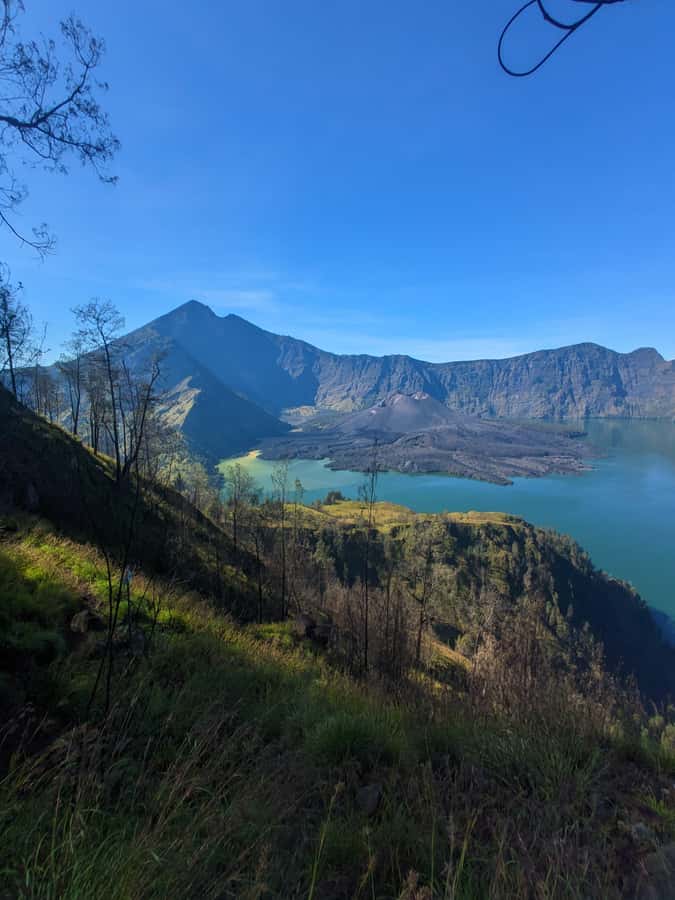
This is a serious mountain trek even though it’s short. The tour requires:
- Good health
- A fitness level able to handle long walks
- No mountain sickness issues
- No height phobias (explicitly not permitted)
- A willingness for steep, slippery climbing
Age limits matter too. Minimum age is 10 years old. It’s not suitable for babies under 1 year, and the tour notes it’s not for people over 70 years or over 95 years.
So who should book?
- You want summit sunrise without taking a full week
- You’re comfortable with early starts and cold mornings
- You prefer guided structure: stops, meal timing, and camp setup taken care of
Who should pass:
- You’re not confident on steep footing
- You know you react badly to altitude
- You have strong anxiety around exposure or heights
Should you book Mount Rinjani 2D/1N from Sembalun?
If you’re craving a fast, focused volcano summit experience, I’d say yes, with one big prep checklist. The core strengths here are the crater-rim camping, the 3 a.m. summit push for sunrise, and the planned support team that often makes the experience feel safe and organized. The included food, water, camp gear, and park entry also make the price feel fair for what’s covered.
But don’t treat it like a casual hike. The route is steep and slippery, and equipment quality can vary. If you want this trek to feel fun instead of stressful, bring your own stability tools when possible (especially poles and a reliable light), and ask about gear before you go.
If you want, tell me your dates and your trekking experience level. I can suggest a tight packing list geared to cold summit mornings and slippery descents.
FAQ
How long is the Mount Rinjani trek?
The experience lasts 2 days.
Where does the trek start and what altitude?
It starts in Sembalun at 1,156m.
What are the main elevations on the hike?
You climb to the crater rim at 2,639m and then to the summit at 3,726m.
When do you start the summit climb on the second day?
You wake at around 3 a.m. and then begin the summit trek.
Is there a hot spring included?
Yes. The experience includes soaking in a natural hot spring.
What does the price include?
It includes a hiking guide, porter tour guide, food and drinking water during the climb (including 3 liters mineral water per person per day), tents, sleeping bags and mats, cooking utensils, tea and coffee, fruits like pineapple and banana, trekking insurance, park entrance ticket, and transportation after the trek to Sengigi, Bangsal, Mataram, or Kuta Free.
What is not included?
Not included items include pre-trek accommodation for one night, GoPro, trekking shoes, warm clothes, supplementary food, and a small everyday backpack (which can be rented).
What languages are the guides?
The tour is available with a live guide in English, Chinese, and Hindi.
What is the minimum age to join?
The minimum age is 10 years old.
What is the cancellation policy?
You can cancel up to 24 hours in advance for a full refund.