REVIEW · ANNAPURNA MASSIF
Pokhara: 2-Days Beautiful Poon Hill Trek with Sunrise View
Book on GetYourGuide →Operated by Welcome Nepal Treks P.Ltd · Bookable on GetYourGuide
Sunrise at Poon Hill is the main event. This two-day trek delivers sunrise views over the Annapurna peaks and includes private jeep transport. I also like that it’s short, with an overnight in a mountain cottage instead of a long commitment. One thing to plan for: the walking can feel tough thanks to lots of steps and altitude, even if it’s often called easy.
You’ll start with a 4×4 ride from Pokhara to Ulleri (often 2 to 4 hours depending on traffic and stops), then switch into a real trek between Gurung villages and lodge-filled trails. On clear mornings, the viewpoint is the kind of payoff that turns photos into a small lie, with visibility reported up to 32 peaks, including the 12 peaks of Bhara Shikhar.
Finally, I love the practical setup: hotel pickup, an English-speaking guide, meals during the trek, and permit handling. The possible drawback is timing and weather. You’re hiking pre-sunrise, so if clouds roll in, you’ll still have a great hike, but the sky show may be muted.
In This Review
- Key highlights that make this trek worth your time
- Why this 2-day Poon Hill trek works so well from Pokhara
- The exact route: Ulleri, Banthanti, Ghorepani camp, and Poon Hill
- Sunrise viewing: what to expect at Poon Hill and why clear skies matter
- Cottages and meals: comfort at altitude without pretending it’s a hotel
- The private jeep transfer: big convenience, bumpy reality
- Guides matter more than you think (and here are the names you’ll hear)
- Permits, safety basics, and what to pack for a 2-day hike
- Price and value: is $193 per person fair for what you get?
- Who this trek suits best (and who should reconsider)
- Should you book this Poon Hill sunrise trek?
- FAQ
- How long is the Poon Hill sunrise trek?
- Where is the trek located?
- Is pickup and drop-off included from Pokhara?
- What meals are included during the trek?
- Do I need permits for this trek?
- How early do we hike on Day 2 for sunrise?
- Is travel insurance included?
Key highlights that make this trek worth your time
- Two days in the Annapurna foothills: a short overnight trek instead of a week-long grind
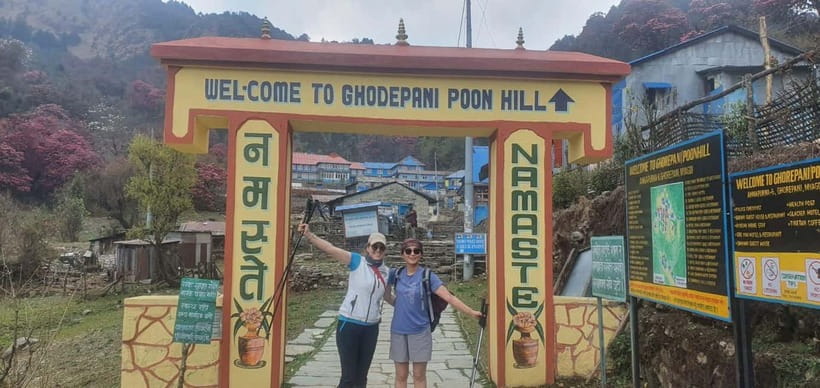
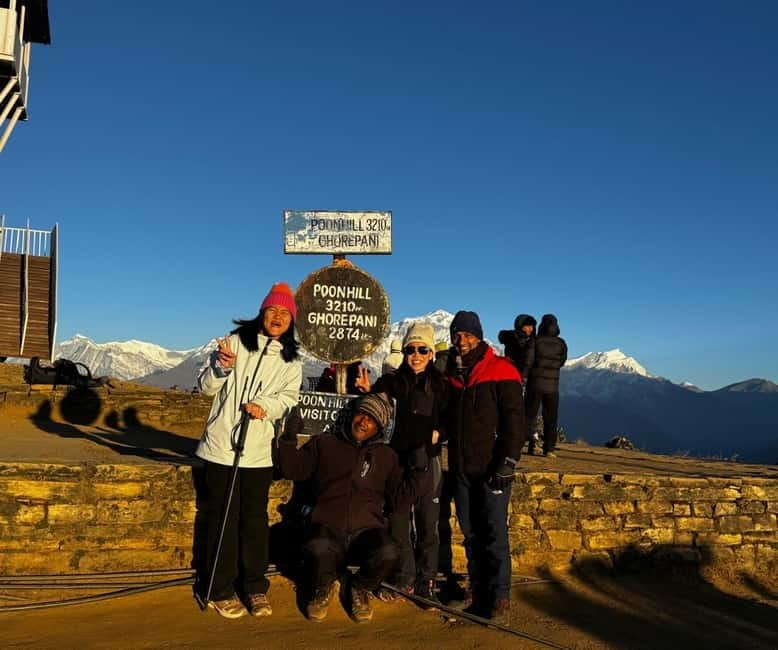
- Pre-sunrise push to Poon Hill: a 45 to 60 minute hike before dawn at about 3,210 meters
- Big-view payoff, small effort curve: you’ll pass through Banthanti, Nangithanti, Lower Ghorepani, and sleep near Ghorepani
- Clear-day peak spotting: reported views of up to 32 peaks, including the Bhara Shikhar group (12 peaks)
- Real village trekking: Gurung village time at Ulleri plus classic trekking-lodge stops along the trail
- Guides who keep it comfortable: names like Dhanapati, Tanka, Shiva, Padam, and Jogan came up repeatedly for pacing and care
Why this 2-day Poon Hill trek works so well from Pokhara
This is the kind of trek that fits into a tight Nepal schedule. You get the Annapurna region experience without losing your whole trip to logistics. Day 1 is mostly about moving into trekking country and reaching Ghorepani camp for the night; Day 2 is about getting to Poon Hill early and then descending at a steady rhythm.
I like that the plan is structured around sleeping high enough to make sunrise practical. You’re not trekking for hours in the dark; you’re hiking a focused 45 to 60 minutes to the viewpoint when conditions are calm and the sky has that early-light tension.
A big plus for value is what’s wrapped into the package. You’re not just buying a route. You’re getting the pieces that usually cost time (pickup, jeep transfer, permits, guide, meals, cottage stay) so you can focus on walking and soaking in the view when you earn it.
The exact route: Ulleri, Banthanti, Ghorepani camp, and Poon Hill
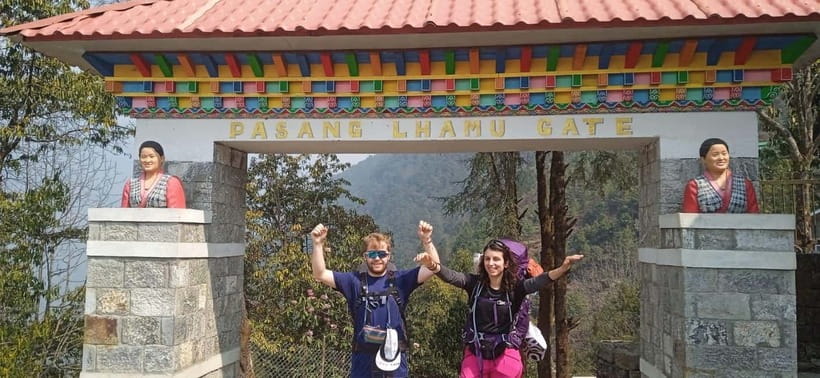
Day 1 starts with breakfast in Pokhara, then you ride to Upper Ulleri in a 4-wheel off-road vehicle. Depending on the day and stops, it takes about 2 to 4 hours. Ulleri sits around 2,090 meters, and it’s a Gurung village, which matters because the trek doesn’t feel like you’re only walking through scenery. You’re moving through village life and lodge-trail culture.
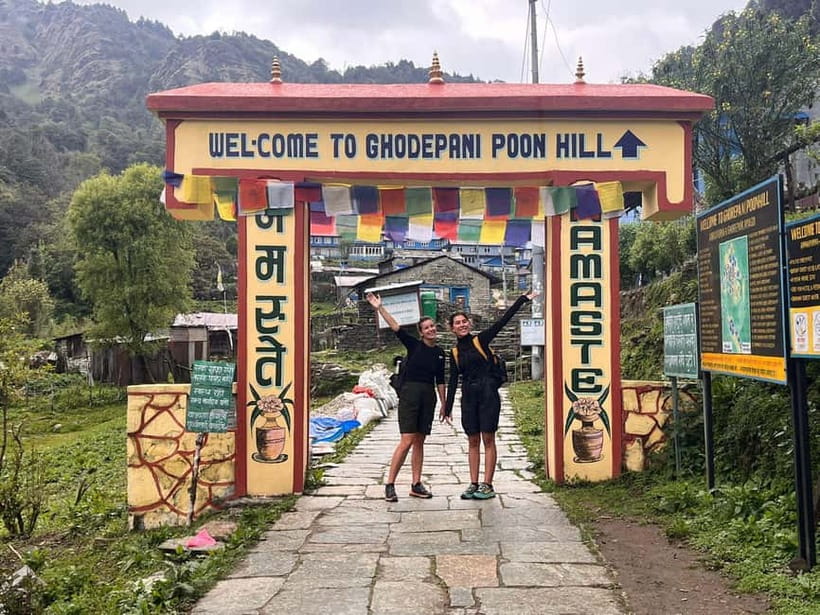
Once you reach the last station of Upper Ulleri, the real trek begins. The walking segment heads through Banthanti, Nangithanti, and Lower Ghorepani. These names aren’t just dots on a map. They represent typical rest points with food options and breaks, so you can keep your energy steady.
Lunch is usually planned either in Banthanti or Nangithanti. That flexibility is helpful because it means you’re not locked into one pace. The goal is to reach Ghorepani camp at about 2,860 meters. After you arrive, you’ll have dinner and an overnight in a cottage.
Day 2 is built around the sunrise window. Before sunrise, you hike 45 to 60 minutes up to Poon Hill at about 3,210 meters. After the viewpoint time, you return to camp for a hot breakfast and then head down on the same trail.
If you’re worried about having a plan that’s too rushed, note that multiple guides were praised for keeping the pace right. For example, Tanka was highlighted for adjusting to guest needs, including taking a longer route down when time allowed.
Sunrise viewing: what to expect at Poon Hill and why clear skies matter
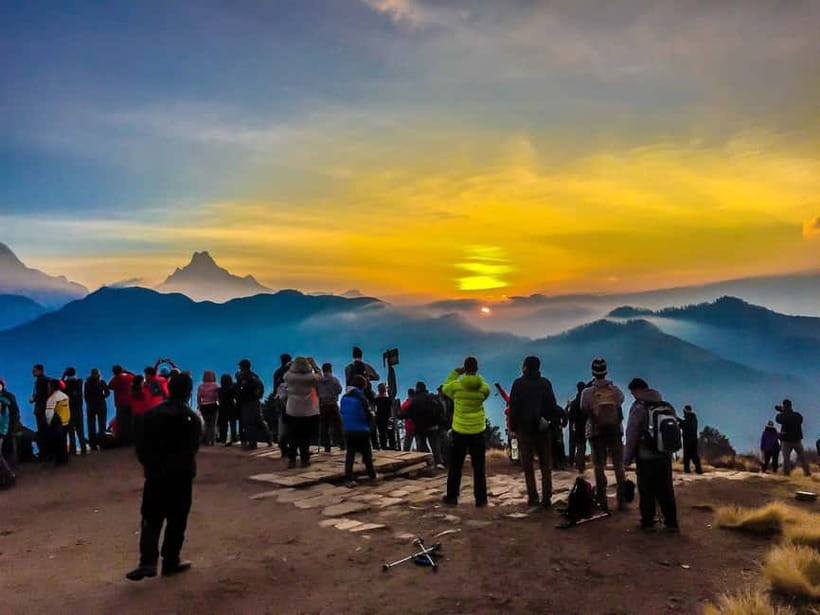
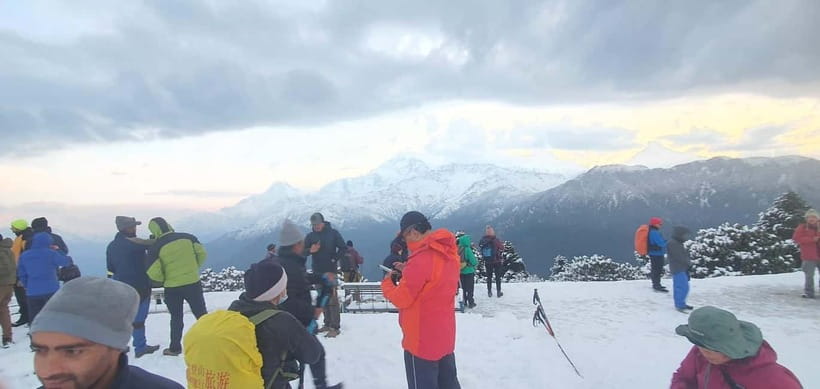
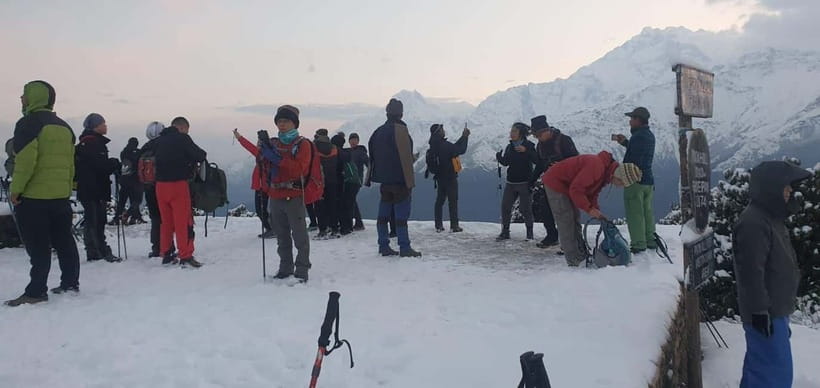
Poon Hill isn’t just a lookout. It’s a structured experience: you’re up early, hiking briefly, and arriving right when the light starts to change. That’s when the Annapurna views tend to feel most dramatic.
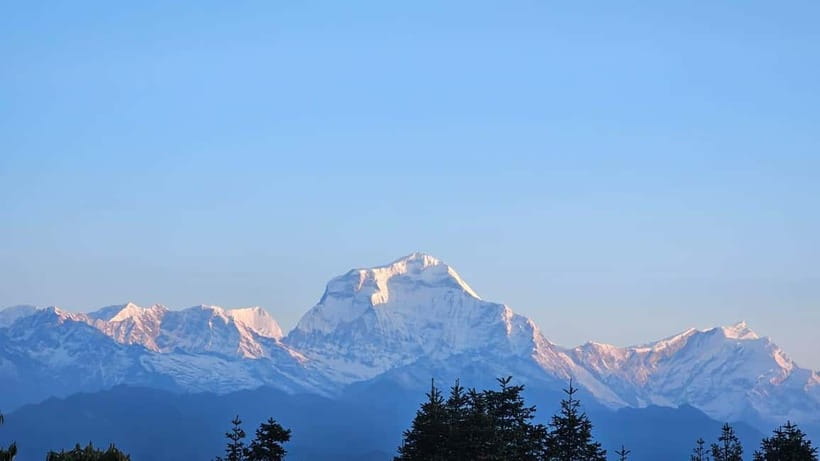
The big promise here is scale. On clear days, you can see up to 32 peaks, including the 12 peaks of Bhara Shikhar. That peak list sounds technical, but the practical effect is simple: the horizon looks packed. You’re not staring at one mountain; you’re scanning a whole set of ridgelines.
Two realism notes based on how this trek is run:
- You’ll hike before sunrise, so bring patience. Cold hands and early fatigue are normal.
- Clouds can limit visibility. If the sky is thin or rainy, you can still enjoy the morning atmosphere and the trek itself, but peak spotting won’t be as strong.
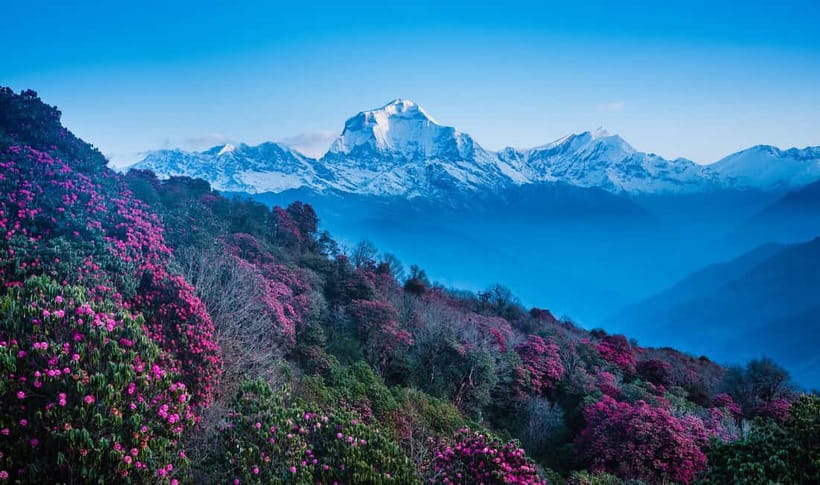
One extra seasonal detail worth knowing: in April, rhododendrons were mentioned as being in full bloom along the route. That adds color and texture to the hike, so even if sunrise is clouded, your walking still has visual rewards.
Cottages and meals: comfort at altitude without pretending it’s a hotel
The overnight is in a mountain cottage at Ghorepani camp. This is basic mountain hospitality, not luxury. Still, it can feel genuinely pleasant because you’re tired, the air is cooler, and you’re earning that warm dinner and tea.
Meal planning is included during the trek. You’ll have:
- Breakfast on both days (hot breakfast is part of the return routine on Day 2)
- Lunch on Day 1 (planned around Banthanti or Nangithanti)
- Dinner and overnight in the cottage on Day 1
In the feedback, food and tea came up more than once, including comments about awesome meals and plenty of delicious tea. That matters because on a short trek, your food quality and warmth can make or break the mood.
Accommodation varies by cottage, but one specific positive detail showed up: rooms with attached bathrooms were reported by a group who did this trek. Don’t assume it will be identical in every cottage night, but it’s a good sign that comfort levels can be higher than people expect on a 2-day plan.
The private jeep transfer: big convenience, bumpy reality
The package includes roundtrip jeep transfer between Pokhara and Ulleri. That’s a meaningful value point. It cuts down your day and keeps the trek itself from turning into a travel day.
Still, the road experience can be bumpy. One review specifically mentioned a very bumpy ride, while also praising the driver for local knowledge. So go in with the mindset that the jeep portion is practical transport, not a smooth car lounge.
If you get motion sickness easily, you’ll want to plan for it. Bring what you need before you leave Pokhara, because once you’re on the road, you won’t exactly be pulling over for a reset.
Guides matter more than you think (and here are the names you’ll hear)
On a short trek, your guide has a big influence on how the hike feels. Pace, timing, and small decisions about stops can turn a stressful climb into a calm morning.
Several guide names were mentioned in the feedback:
- Dhanapati, praised for being kind and patient
- Tanka, praised for deep local knowledge and adjusting the route to needs
- Shiva, praised for keeping the hike pleasurable and organized
- Padam, praised for helping explain the mountains along the way
- Jogan, praised for knowledge and for going at a good pace
Even when the route is straightforward, these human details matter. You want someone who can keep you moving without rushing you, and who can point out what you’re actually looking at when you reach Poon Hill.
Permits, safety basics, and what to pack for a 2-day hike
You’re not left to figure paperwork out alone. This trek includes all necessary paperwork, including conservation entry permits and TIMS permit handling. That’s a real time-saver, especially if you’re only in the country briefly.
Safety basics are also included: a first-aid kit and a water purification tab are provided. That’s important because carrying enough safe water for a 2-day trek plus snacks is always a balancing act.
Bring the practical stuff listed for this trek:
- Passport or ID card
- Comfortable shoes and/or hiking shoes
- Snacks
- Water
- A daypack
One more tip from experience in this altitude type of itinerary: bring a little extra for comfort. Even if the trek is short, early starts mean you’ll feel cold on the way up.
Also note the activity is not suitable for pregnant women and not suitable for people with mobility impairments. The combination of steps, early hiking, and uneven trail makes that a safety call, not a preference.
Price and value: is $193 per person fair for what you get?
At $193 per person for a 2-day Poon Hill trek, the value depends on one question: do you want to outsource the busywork?
You’re getting a package that covers:
- Hotel pickup and drop-off
- Jeep transfer Pokhara–Ulleri–Pokhara
- Meals during the trek (breakfast, lunch, dinner)
- 1 night accommodation in a mountain cottage
- Professional guide (English-speaking)
- Permits and paperwork (including TIMS and conservation entry permits)
- First-aid kit and water purification tab
- Government taxes and service charges
What you’re not getting is also clear: hot/cold/alcoholic drinks, travel insurance, and porter support only if you select a budget option. If you’re comparing costs, it’s the inclusion of permits, guide time, meals, and transport that keeps this from feeling overpriced.
If you hate logistical friction, this price starts to make sense fast. If you were planning to do only the bare route and handle everything yourself, then you’ll feel like you’re paying for convenience. But for most people arriving in Pokhara with limited time, the trade is worth it.
Who this trek suits best (and who should reconsider)
This trek is ideal if you:
- want a short Annapurna experience without committing to a longer trek
- care about sunrise views but can’t spend many days on the trail
- enjoy village-walk culture and lodge stops rather than remote wilderness-only trekking
- want guided explanations of what you’re seeing, especially from Poon Hill
It’s not a great fit if you:
- struggle with step-heavy routes and altitude discomfort
- need mobility-friendly trails
- are pregnant (the activity is listed as not suitable)
- don’t handle early mornings well (sunrise timing means you’ll start before dawn)
Also, if you’re someone who loves a lot of flexibility, keep in mind the trek is designed around a tight sunrise schedule. That said, at least one guide (Tanka) was noted for adjusting the downhill route when time allowed, which suggests there can be small personalization.
Should you book this Poon Hill sunrise trek?
I’d book it if you want a high-impact sunrise hike with the logistics handled: jeep transfer, permits, meals, and a guide who can keep you comfortable and moving. The two-day format is the main strength. You get a real trek, not a day trip.
I’d hesitate if you hate bumpy vehicle rides or if you’re worried about the altitude feeling harder than an easy label suggests. This isn’t a strenuous multi-day trek, but it still has steps and an early start.
If you’re in Pokhara with one or two spare days, this is a strong use of time, and the odds are good that Poon Hill will deliver a memorable morning even if weather needs to cooperate.
FAQ
How long is the Poon Hill sunrise trek?
It runs for 2 days total, with an overnight in a mountain cottage and a pre-sunrise hike to Poon Hill on the second day.
Where is the trek located?
The trek takes place in the Annapurna Region in Nepal, starting from the Pokhara area and trekking through villages including Ulleri, Banthanti, Nangithanti, Lower Ghorepani, and Ghorepani.
Is pickup and drop-off included from Pokhara?
Yes. Hotel pickup and drop-off are included, and you should wait for the guide at your hotel lobby or apartment entrance 5 to 10 minutes before the pickup time.
What meals are included during the trek?
Meals during the trek are included: breakfast, lunch, and dinner, plus an overnight stay in a cottage. The option you choose can affect whether meals are included in full and whether a porter is included.
Do I need permits for this trek?
Yes, and the tour includes the necessary paper work, including conservation entry permits and the TIMS permit.
How early do we hike on Day 2 for sunrise?
You’ll start the Day 2 hike to Poon Hill about 45 to 60 minutes before sunrise, reaching the viewpoint around 3,210 meters.
Is travel insurance included?
No. Travel insurance is not included, and you’ll want to arrange your own coverage.