REVIEW · LOMBOK
Mount Sangkareang Trekking 2D1N 3200msl – Tetebatu
Book on Viator →Operated by Jonny Tour Guide · Bookable on Viator
Climb for sunrise, then ride back feeling human. This Mount Sangkareang (Rinjani Second Summit) trekking from Tetebatu mixes rainforest shade, a camping night, and a high-altitude payoff: big views toward Bali and the Gili Islands.
I love the trail style for this route. You start with Tetebatu’s Monkey Forest, then spend most of your walking under thick trees—so the hike feels more comfortable than the hard-exposed mountain slog you might picture. I also love how the summit moment is handled, with early coffee/tea timing, hot drinks and biscuits once you reach the top, and a team that helps with the small things that make sunrise actually enjoyable.
One possible drawback: this is still a serious hike. Expect early mornings (including a 4:00 am start on Day 2) plus a long, tiring descent that can feel hard on tired legs and knees.
In This Review
- Key highlights I’d bet on
- Tetebatu Start: Monkey Forest Views and a Shaded Ascent
- The Forest Breaks and Camping Night in the National Park
- The 4:00 am Summit Push to Mt Sangkareang (Rinjani Second Summit)
- Sunrise Views: Lake Segara Anak and the Bali–Gili Horizon
- The Return: Rest at Post 3, Then a 5-Hour Jungle Descent
- Guide and Porter Team: English Explanations and Real Care on Trail
- Price and Logistics: Is $195 Actually Good Value?
- Weather, Fitness, and What You Should Plan For
- Who Should Book This Trek (and Who Should Rethink It)
- FAQ
- How high do you climb on this trek?
- What’s the walking schedule like across the two days?
- Is there overnight camping?
- What meals are included?
- What’s included in the $195 price?
- Do you need moderate fitness to join?
- Are there guides who speak English?
- What time do you start for sunrise on Day 2?
- What happens if the weather is bad?
- Should You Book This Mount Sangkareang 2D1N Trek?
Key highlights I’d bet on
- Monkeys + first big Rinjani sighting right from Tetebatu’s Monkey Forest
- Shady rainforest trekking for long stretches, which helps the effort feel manageable
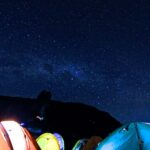
- Overnight camping on the National Park side so you’re not rushed in the morning
- A 4:00 am summit push aimed at sunrise, with hot tea/coffee and biscuits at the top
- Jungle descent back to Tetebatu Village, often the “real workout” after the sunrise win
Tetebatu Start: Monkey Forest Views and a Shaded Ascent
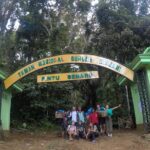
Your trek begins at Jonny’s Places in Tetebatu. Arrive about 30 minutes before 8:00 am so you’re ready to move when the group starts up. From the beginning, this route tries to set you up for success: not just by showing views, but by shaping the hike around comfort and shade.
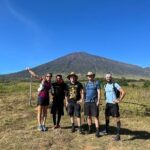
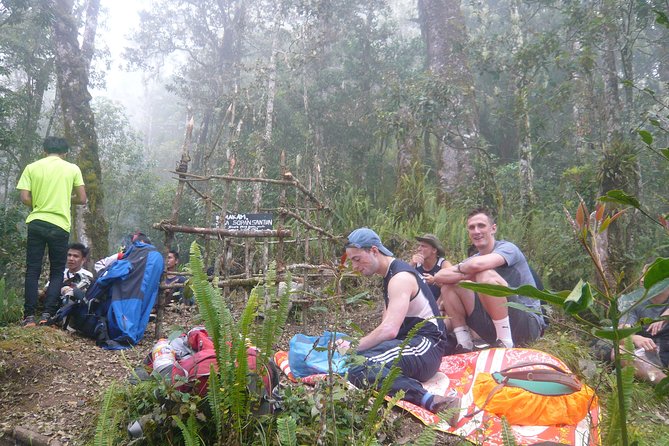
The first key moment is the Monkey Forest. After starting from Tetebatu Village at around 700 meters, you walk through the forest area where you can spot black and gray monkeys. It’s also where the mountain drama starts: you can see Rinjani Mountain clearly, and you know Mt Sangkareang is the goal ahead.
Then the trail turns into real walking country—dense forest with big trees and thick canopy. The sun gets blocked off, so the air can feel cooler than you’d expect in tropical Lombok. That shade matters. It doesn’t remove the climb, but it helps your body handle the effort without cooking.
A practical note: you may feel colder in the shaded forest even if the lowlands are warm. Bring something light you can layer, especially if you run hot on the way up but cool down quickly when you stop.
You can also read our reviews of more tours and experiences in Lombok.
The Forest Breaks and Camping Night in the National Park
After about an hour and a half into the forest, you reach the first break point, Pondok Belan (listed as a named stop). This is the rhythm of the trek: steady climbing, then short pauses to regroup before the next stretch.
Day 1 continues toward the crater rim area associated with Tetebatu, and then onward to your camping ground inside Mount Rinjani National Park. Your overnight stay is in a tent, with the included camping equipment handled for you. That’s one of the real values of a guided 2D1N: you don’t spend your mental energy on logistics you’d rather spend on breathing.
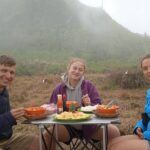
Dinner is included, and breakfast is included for the next morning. Those meal pieces sound basic, but on a mountain trek they’re actually the difference between feeling like a trip and feeling like a chore. You’ll be spending hours moving; you don’t want to also be tracking food and water needs.
Even if this is pitched as beginner-friendly thanks to the gentler route, the Day 1 work is still work. You’re climbing and moving with pack weight (even if the porter handles your heavier items), and you’ll want to treat the first night as part of the training—early sleep, hydrate, and don’t plan to stay up chatting forever.
The 4:00 am Summit Push to Mt Sangkareang (Rinjani Second Summit)
Day 2 starts early—4:00 am with coffee or tea and a light snack. Then it’s off to the second summit of Mt Rinjani, known in Lombok as Mount Sangkareang, at 3,200 meters above sea level.
From the campsite, the trek to the second summit takes about 2 hours. That time window is short enough to keep motivation high, but long enough that you’ll feel the altitude and the uphill grind. This is not a stroll. It’s also not the long, multi-hour exposure climb that some higher summit routes are known for.
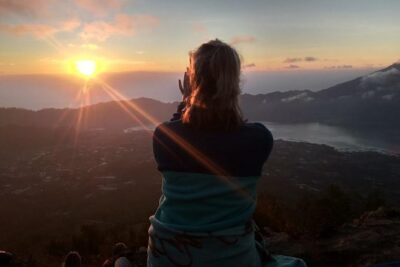
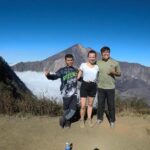
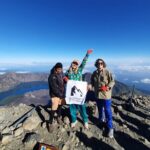
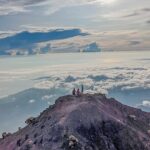
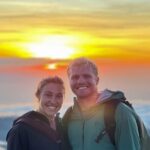
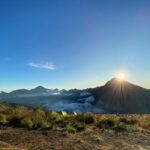
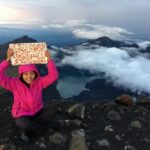
When you reach the top, the whole point becomes simple: sunrise and the view. You’ll enjoy sunrise from the summit, drink hot tea or coffee, eat biscuits, and take photos—exactly when the light is doing its best work.
If you’re the kind of person who needs time to wake up, plan for it now. The 4:00 am start is the schedule that makes the sunrise possible. It’s also why you’ll feel tired later that day, so set your expectations: this is the kind of hike where the peak is worth it, but the rest of the day is all about recovery.
Sunrise Views: Lake Segara Anak and the Bali–Gili Horizon
The summit payoff isn’t just one pretty scene. The route is designed to keep big views coming in layers.
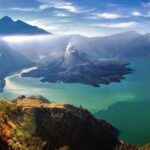
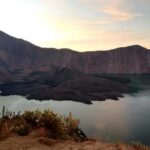
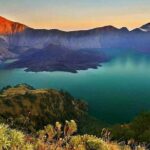
From the Tetebatu side, you’re pointed toward the crater scenery—especially Lake Segara Anak inside the volcano crater. Even without standing at the lake itself, the trek gives you that sense of scale: this isn’t a “hill with a view.” It’s part of a volcanic system, and the terrain feels enormous.
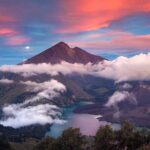
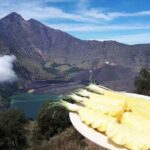
Once you’re at Mt Sangkareang’s top, the sightline expands. You can enjoy views of the main Rinjani summit area, Segara Anak Lake, a baby volcano, and in clear conditions you can also see toward Bali (Mount Agung is mentioned) and the Sumbawa islands. The horizon backdrop is part of why this trek is marketed as special for sunset and sunrise lovers.
At sunrise, the practical magic is that the team helps you slow down. There’s hot tea/coffee at the summit, and there’s time built in for photos and a moment to just look. That’s not just comfort—it’s also how you actually absorb what you climbed for.
One more reality check: sunrise quality depends heavily on weather. The experience notes that it requires good weather. If clouds roll in, your view may be less dramatic than you hoped. The good news is that you’re still getting a memorable high-altitude forest-to-summit day even on a less perfect morning.
The Return: Rest at Post 3, Then a 5-Hour Jungle Descent
After sunrise and your summit time, the trek doesn’t end—it pivots.
You return to the campsite, rest, and eat breakfast. Then the route sends you back down in stages, with a climb down of about 1.5 hours to Post 3 where you rest again. From there, the full descent takes about 5 hours through a remote jungle trail back to Tetebatu Village.
This is the part many people feel most in their legs. Day 1 gets you moving upward; Day 2 gets you moving downward. Descents can be harder than climbs if your knees aren’t used to it. So if you know you have knee sensitivity, pack smart and hike slowly—short steps help.
The schedule includes lunch at Post 1, followed by a gentle descent through Tetebatu Village for about an hour. When you finally reach the village, the trek stops being “mountain effort” and starts being “slow walk and cool air,” which is a satisfying change.
The trip ends with transport back to your hotel in Tetebatu, and the activity finishes back near the meeting point.
Guide and Porter Team: English Explanations and Real Care on Trail
This is where the reviews strongly point you. The trek works because the team runs it well.
A lot of hikers highlight guides who speak English well and take the job seriously. You’ll see names like Yan, Ferry, Choup, and Jalal attached to positive experiences, including humor, professionalism, and clear explanations of the region and the mountain.
Porters matter too. You’ll have guide and porter support plus all camping gear. In practice, that means you don’t spend your limited energy wrestling with your own pack while also trying to enjoy the view. It also shows up in small care moments—helping with bags, staying attentive during harder stretches, and keeping the mood good when you’re tired.
If you’re worried about feeling lost or overwhelmed, this kind of setup is reassuring. You’ll have someone to pace you, handle the trail rhythm, and keep you informed on what’s coming next—especially important when you’re walking in shaded forest and then suddenly going for the summit at dawn.
Price and Logistics: Is $195 Actually Good Value?
$195 for 2D1N doesn’t look cheap until you map what’s included.
You’re paying for:
- guide and porter support
- all camping equipment
- trekking entrance tickets
- dinner and 2 breakfasts and 2 lunches
- transport pick up and drop off
- a private tour setup (your group only)
That combination is the real value: you’re not just buying a view. You’re buying a whole system—food, equipment, trail management, and park entry—so you can show up and hike.
What’s not included is tipping for guide and porter and personal expenses. Tipping isn’t optional in the moral sense; it’s just not bundled. If you want to budget, set aside a tip amount you feel comfortable with.
Also remember: a trek like this becomes expensive if you start adding “extras” separately—gear rental, park fees, guide costs, and transport. Bundled pricing like this usually wins for people who just want the mountain part to be straightforward.
Weather, Fitness, and What You Should Plan For
This trek is described as suited for travelers with moderate physical fitness. It’s also described as having a gentle route, which is great for first-timers who still want a real summit experience.
But don’t treat “gentle route” as “easy.” Day 2 includes a fast-moving 2-hour summit push from camp and a 5-hour descent afterward. That’s a full workout even when the path is shaded and forest-led.
Weather matters. The experience notes it requires good weather, and if poor conditions cancel the trek, you’ll be offered a different date or a full refund.
What should you personally prepare for?
- Early mornings and cold-ish shaded forest periods (layering helps)
- Stamina for uphill effort and knee-friendly pacing for the descent
- A camera-ready plan for sunrise timing
Who Should Book This Trek (and Who Should Rethink It)
This is a strong match if:
- you want a 2-day summit experience without committing to a longer trek
- you like the idea of sunrise with structure, not chaos
- you’d enjoy shaded rainforest hiking more than exposed ridgelines
- you value a guided team that handles the details and keeps you moving at the right pace
It may be a rough fit if:
- you hate early starts (4:00 am is non-negotiable for sunrise)
- you have serious knee issues or you know long descents wipe you out
- you want a low-effort hike with minimal physical strain
If you’re traveling with friends or family, the private tour format can make it easier to set a steady group pace, rather than getting stuck behind a slow walker or pushed too fast by energetic hikers.
FAQ
How high do you climb on this trek?
You reach the second summit of Mt Rinjani, also called Mount Sangkareang, at about 3,200 meters above sea level.
What’s the walking schedule like across the two days?
Day 1 includes a full ascent from Tetebatu with a camping night in the National Park area. Day 2 starts around 4:00 am for a trek of about 2 hours to the summit, then you return to camp, rest, and descend for about 5 hours back toward Tetebatu.
Is there overnight camping?
Yes. You overnight on the mountain at a camping ground in Mount Rinjani National Park using the included tent and camping equipment.
What meals are included?
Dinner and breakfast are included (breakfast is listed twice for the two days), and lunch is included (lunch is listed twice as well). You should still plan for personal water needs as you hike.
What’s included in the $195 price?
The price includes guide and porter services, all camping equipment, trekking entrance tickets, and transport pick up and drop off. Meals (dinner, breakfast, and lunch) are also included.
Do you need moderate fitness to join?
Yes. The experience is described as suitable for travelers with moderate physical fitness, even though it is still physically challenging.
Are there guides who speak English?
The tour is described as having an English-speaking guide experience in practice, and many hikers highlight guides speaking English well and explaining the region.
What time do you start for sunrise on Day 2?
You begin around 4:00 am with coffee or tea and a light snack, then start the trek to the summit so you can enjoy sunrise.
What happens if the weather is bad?
This experience requires good weather. If it’s canceled due to poor weather, you’ll be offered a different date or a full refund.
Should You Book This Mount Sangkareang 2D1N Trek?
If you want a real Rinjani-area summit experience in just two days, I think this is a smart book. The big reasons are the shaded forest hiking, the built-in sunrise plan at 3,200m, and the fact that guide/porter support plus meals and camping gear are included—so you can focus on walking and looking, not logistics.
I’d hesitate only if you dread early mornings or you know long descents beat you up. If you’re okay with a tough 2-day effort and want a sunrise view that feels worth the struggle, book it and plan to sleep early the night before.