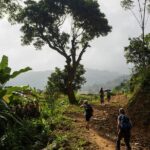
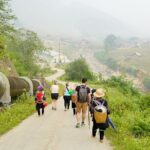
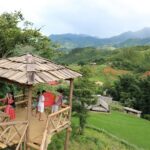
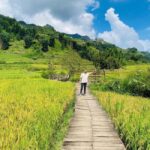
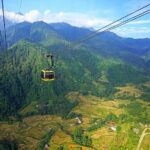
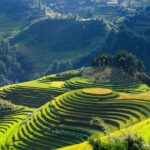
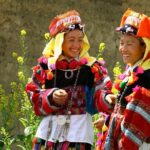
Rice terraces plus tribal villages in Sapa. This 2-day trek blends easy-to-challenge walking with an overnight homestay and the kind of human stories that stick. You’ll travel with an expert English-speaking local guide, and you can even choose between staying in a homestay setup with Wi‑Fi and hot showers or in a local family house. One thing to consider: it’s best with moderate fitness and good weather, since the route is outdoors and the trek depends on conditions.
What I like most is that the experience isn’t just sightseeing. You’ll hike through rice terraces along Muonh Hoa Stream, visit a Black Hmong village in the La… area, then continue to Ta Van Village, bamboo forest paths, waterfalls, and the Zay tribe. I also love that the guides like Giang and Xa focus on more than route timing—people skills and clear explanations come through, plus you get options for different effort levels. The main drawback is the physical commitment: this is a trek, not a short stroll, so pack for hills and plan on being on your feet for multiple hours each day.
In This Review
- Key takeaways before you go
- Sapa’s 2-Day Tribal Trek: What You Actually Get
- Meeting at 9:00 and Settling Into Homestay Life
- Day One: Rice Terraces, Muonh Hoa Stream, and the Black Hmong of La…
- Day Two: Ta Van Bamboo Forests, Waterfalls, and the Zay Tribe
- Guides Make the Difference (Giang, Xa, and the Best Kind of Local Insight)
- How the Pace Really Works: Easy, Medium, and Hard Options
- Homestay Comfort: Wi‑Fi, Hot Showers, and Open-Fire Evenings
- Price and Value for $105 a Person
- Practicalities That Can Affect Your Day
- Who This Trek Suits (and Who Might Prefer Something Else)
- Should You Book This Sapa Tribal Trek?
- FAQ
- What is the start time for the trek?
- Where does the tour meet in Sapa?
- Is this a private tour or a shared group?
- What fitness level do I need?
- What do I do on the homestay night?
- Is Wi‑Fi and hot shower access included?
- Will I be able to choose an easier or harder pace?
- How much does the 2-day trek cost?
- Is free cancellation available?
Key takeaways before you go
- English-speaking local guides (like Giang and Xa) that explain what you’re seeing, not just where to step next.
- Homestay night with real community time, including a chance to sit around an open fire and chat with your hosts.
- Two very different walking days: rice terraces and stream paths, then bamboo forests, waterfalls, and a Zay-tribe meeting.
- Adjustable pacing with easy/medium/hard options so you can match your day.
- Good comfort for a trek: you may get Wi‑Fi and hot showers depending on the homestay option you choose.
Sapa’s 2-Day Tribal Trek: What You Actually Get
This is a short, serious trek—built for people who want more than a bus ride and a photo stop. You start in Sapa at 9:00 a.m., hike through rice terraces and village paths, and end by returning to the same meeting point area. In between, you get an overnight stay that’s designed to connect you with local life rather than treating it like a quick transaction.
The structure is simple: one day moves you through Sapa’s farming country and minority villages, and the next day shifts into Ta Van Village, bamboo forest tracks, and waterfall terrain before you meet the Zay tribe. That mix matters because it keeps the trek from feeling repetitive. You’ll see how the region works—fields, streams, forest paths, and village culture—without making it feel like homework.
Also, this tour is private for your group. That helps with pacing, questions, and staying flexible if the guide thinks a path is better for your energy level that day.
You can also read our reviews of more tours and experiences in Hanoi.
Meeting at 9:00 and Settling Into Homestay Life
You’ll meet your guide in Sapa at 690 Đường Điện Biên Phủ, TT. Sa Pa, with options to be picked up from your homestay/hotel or from Lào Cai train station (the closest station to Sapa). The activity starts at 9:00 a.m., so plan to arrive in Sapa the day before if you’re coming by train.
Your evening stay is a big part of the value here. The experience is set up so you can choose between:
- a homestay setup that includes Wi‑Fi and hot showers (availability depends on the host arrangement), or
- a stay in a local house with a local family.
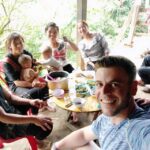
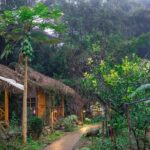
Either way, you’re not just sleeping and leaving. You’ll likely spend time chatting with your hosts around an open fire, which is where the cultural learning becomes more natural. It’s the difference between hearing about life and actually sharing a quiet moment with the people who live it.
One practical note: homestays can vary from family to family. It’s not a hotel, so go in with flexibility. The strong reviews do point to cleanliness, but “authentic” still means you’ll feel the rhythm of village life.
Day One: Rice Terraces, Muonh Hoa Stream, and the Black Hmong of La…
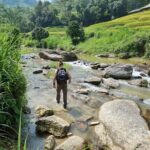
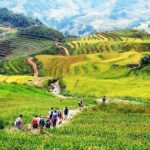
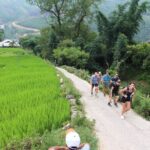
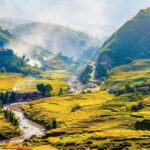
Day One begins with motion right away. After meeting at 9:00, you’ll trek through rice terraces and follow Muonh Hoa Stream toward a Black Hmong village in the La… area. That’s a great opener because rice terraces aren’t just pretty—they show you how farming shapes the geography here. You’ll often understand what you’re looking at better once the guide ties it to daily routines and local history.
On the way, expect village-path walking rather than a paved route. This is where good footwear helps. The tour is described as an easy-to-explore adventure or a more rural off-the-beaten-track trek depending on what you choose, but either way, you should treat it as time on trails and uneven ground.
When you reach the Black Hmong village, the emphasis shifts from scenery to people. You’re not going just to pass through—you’re there to learn. Guides in this program are consistently praised for connecting the dots: how the community lives, what the traditions mean, and why certain places matter.
By late day, you’ll move into your overnight homestay or local-house stay. This is when the tour becomes more memorable. The open-fire chats and getting to know your host family can be genuinely grounding—especially after a full day of hiking.
Day Two: Ta Van Bamboo Forests, Waterfalls, and the Zay Tribe
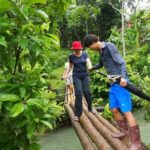
Day Two starts with breakfast at 8:00 a.m. and then you pack up and say goodbye to your hosts. After that, the trek heads toward Ta Van Village, with time to explore bamboo forests. Bamboo forest paths tend to feel cooler and quieter than the open terrace areas, and they’re a nice change if Day One left you a bit sun-exposed.
Next comes the part many trekkers enjoy most: trek through waterfalls and meeting the Zay tribe. Waterfall routes can add slippery sections, so the “moderate fitness” note isn’t just about stamina—it’s also about foot control. If your pace is adjustable, use that. Slow down where the footing demands it.
Lunch happens in early afternoon, so you’re not stuck trekking all day without a proper reset. After lunch, you should expect the trek to wind down and return you back toward the meeting point area.
Guides Make the Difference (Giang, Xa, and the Best Kind of Local Insight)
In my experience reading between the lines of what makes tours excellent, it’s the guide. Here, the guide is a core selling point, and the standout names—Giang and Xa—come up for a reason.
What gets praised most is how they handle three jobs at once:
- Explain what you’re seeing (rice fields, village life, and cultural context).
- Read your group’s energy and keep the pace comfortable.
- Offer choices, often described as easy/medium/hard options, so you can match your day.
If you’re the kind of traveler who likes to understand the why behind the where, this matters. A good trek guide can turn the same path into a story, and the story into something you remember later. The review notes specifically highlight that Giang and Xa share lots of information and have excellent English, while also being patient and attentive with different fitness levels.
This tour also emphasizes that the guides are local and bring deep familiarity with Sapa, the surrounding area, history, culture, and the different tribes. When a guide can talk clearly and walk confidently, you get both comfort and understanding.

How the Pace Really Works: Easy, Medium, and Hard Options
This trek is best if you can walk steadily and accept that the terrain may change hour to hour. The tour is aimed at people with moderate physical fitness, and it’s private, which helps the guide tailor the day to your group.
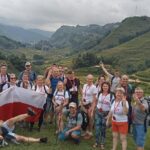
The most helpful detail is that you may get route options based on effort—often described as easy, medium, and hard choices. That’s smart for mixed groups. If one person is more comfortable with steep or longer sections and another wants the calmer version, you can still stay together as a group experience while adjusting intensity.
My practical advice: pick the option that matches your body today, not your ego. Trek fatigue sneaks up fast on Day Two, especially if you push hard on Day One out of excitement.
Homestay Comfort: Wi‑Fi, Hot Showers, and Open-Fire Evenings
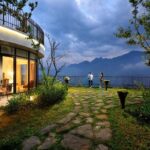
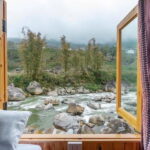
A homestay can mean anything from “real life” to “real comfort.” This tour specifically calls out the option for Wi‑Fi and hot showers with the homestay setup. That doesn’t turn it into a hotel, but it does make a difference if you like to send a message home, recharge a little, and feel clean after a long walk.
Another part I’d highlight is social time. You’ll huddle around an open fire and chat with your hosts, which is exactly the kind of informal interaction that makes these trips meaningful. Even if you’re not a big talker, you’ll likely find moments where someone asks where you’re from, what you’re curious about, or how the day felt.
One more value point: the tour is framed as support for local livelihoods. Booking is described as helping local people earn fair wages in a region where 70% of the population is below the poverty line. That means you’re not just buying access—you’re directly supporting the community’s ability to host and earn income.
Price and Value for $105 a Person
At $105 per person for 2 days (about), you’re paying for a full package: guide time, trekking logistics, an overnight stay arrangement, and an experience built around local villages rather than just transport. For Sapa treks, this matters because a good guide and a good host connection cost real money.
What helps the value here is not only the hike itself, but how much you get for the overnight component. If you choose the homestay option with Wi‑Fi and hot showers, you’re balancing authenticity with comfort. If you choose the local house option, you’re swapping some of that for a deeper family setting. Either way, the structure is designed to keep the trek intimate and meaningful.
Also, this tour offers pickup and mentions group discounts. Even if you’re booking as a couple or solo, the private-group setup still tends to feel smoother than packed joiner tours.
Is it “cheap”? No. But it’s not priced like a luxury experience either. It sits in the sweet spot for travelers who want quality guiding and genuine interaction without paying upscale resort prices.
Practicalities That Can Affect Your Day
A few small details can make your trek day easier.
First, weather matters. The experience notes it requires good weather, and if it gets canceled due to poor conditions, you’ll be offered a different date or a full refund. That’s important for planning—don’t schedule this on your last day in the region.
Second, pack for walking. You’ll move along streams, terraces, bamboo areas, and waterfall terrain. Bring footwear you trust on uneven ground and clothes that handle changes in temperature. If you run warm easily, you’ll want breathable layers because walking starts early and keeps going.
Third, this is a private tour/activity, with only your group participating. That’s a quality-of-experience factor. You won’t have the usual feeling of sharing your guide with strangers who aren’t ready at the same time.
Finally, if you have medical issues, the tour advises checking with your doctor before booking. That’s not a scare tactic—just a reminder that trekking has real physical demands.
Who This Trek Suits (and Who Might Prefer Something Else)
This trek fits you best if you:
- want a 2-day program rather than a longer commitment,
- like learning about culture through people, not through plaques,
- enjoy moderate hiking and are comfortable walking trails,
- care about a guide who explains what you’re seeing and adjusts pace.
It may not be ideal if:
- you have limited mobility or struggle with outdoor walking for multiple hours,
- you’re only interested in flat, low-effort sightseeing,
- you can’t travel when weather cooperates.
If you’re traveling as a couple, friends, or a small group, the private setup can feel especially good. It also works well if your group’s fitness levels vary, since easy/medium/hard options can help.
Should You Book This Sapa Tribal Trek?
If your priority is a short trek with real village interaction and a guide who can translate culture into everyday meaning, I’d say yes. The strongest signal is the repeated praise for Giang and Xa: excellent English, patience, clear explanations, and options for different hiking levels. Add in a homestay night with Wi‑Fi and hot showers as a possible option, plus the open-fire social time, and this becomes a lot of experience for one price.
Book it if you’re ready to walk, you care about meeting local people, and you can be flexible with weather. Skip it if you want a mostly comfortable, stroller-friendly day trip. This trek is designed for travelers who enjoy being active and curious at the same time.
FAQ
What is the start time for the trek?
The trek starts at 9:00 a.m.
Where does the tour meet in Sapa?
The meeting point is 690 Đường Điện Biên Phủ, TT. Sa Pa, Sa Pa, Lào Cai, Vietnam. Your guide can also meet you at your homestay, hotel, or from Lào Cai train station.
Is this a private tour or a shared group?
This is a private tour/activity. Only your group will participate.
What fitness level do I need?
The trek is recommended for travelers with a moderate physical fitness level.
What do I do on the homestay night?
You’ll stay in a homestay or with a local family, spend time getting to know your host family, and you may huddle around an open fire.
Is Wi‑Fi and hot shower access included?
The tour describes an option for homestays with Wi‑Fi and hot showers.
Will I be able to choose an easier or harder pace?
The experience is described as offering options along the trek, such as easy, medium, and hard routes depending on your energy level.
How much does the 2-day trek cost?
The price is $105.00 per person.
Is free cancellation available?
Yes. You can cancel for a full refund up to 24 hours in advance. The experience may also be rescheduled or refunded if canceled due to poor weather.