REVIEW · HANOI
2 days AMAZING trekking Sapa from Hanoi with various options
Book on Viator →Operated by Trekking Like A Boss · Bookable on Viator
Sapa trekkers love this route for its mix of village life and big mountain views. A tight group size, a real overnight in Sapa, and two full days around Muong Hoa Valley and terraced rice make it feel like more than a quick excursion.
What I like most is how it’s structured around local places you can actually picture after the hike, like Shin Chai and Ta Van, plus the chance to meet guides such as Nam and Ai who are praised for being patient and professional. One drawback to consider: the experience is weather-dependent, and the flow of pickup/updates can matter, so you should confirm your exact transfer timing before you get comfortable.
In This Review
- Key things to know before you go
- Sapa’s rice terraces are better when you hike them, not just see them
- Two days that actually cover Muong Hoa Valley villages and terrace trails
- Day 1: Muong Hoa Valley, Shin Chai terraces, Ta Van, then Fansipan view stops
- Day 2: Cat Cat Village, plus the last best Fansipan viewpoints
- The guide setup: what you get, what to expect day-to-day
- Price and value: what $89 buys you (and where costs can pop up)
- Getting from Hanoi to Sapa: overnight-train transfer vs. joining in Sapa
- Weather and photos: plan for clear days, but don’t cancel your fun
- Small-group pacing: how to judge if this style fits you
- Practical tips so your trek feels smooth
- Should you book this 2-day Sapa trek from Hanoi?
- FAQ
- What’s included in the tour besides the trekking?
- How big is the group?
- Are meals included for both days?
- Do I need to buy Fansipan tickets?
- What villages and areas does the trek include?
- Does the tour run in bad weather?
Key things to know before you go
- Small group (max 15): you get personal attention without the chaos of huge buses.
- Two-day rice terrace trek: Muong Hoa Valley plus village visits, not just viewpoint stops.
- Hotel night in Sapa (3- or 4-star): included, with meals counted into the cost.
- English-speaking guide: planning and pacing are handled, so you’re not decoding the route alone.
- Clear-day photo moments: Fansipan views, waterfall views, and pass/cable car angles depend on weather.
- Optional Hanoi night-train transfers: door-to-door add-ons can reduce the stress of getting to Sapa.
Sapa’s rice terraces are better when you hike them, not just see them
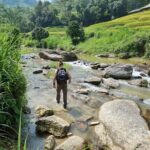
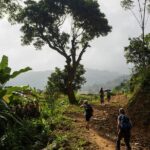
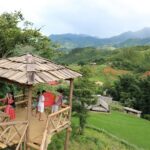
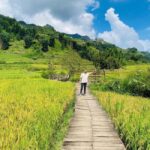
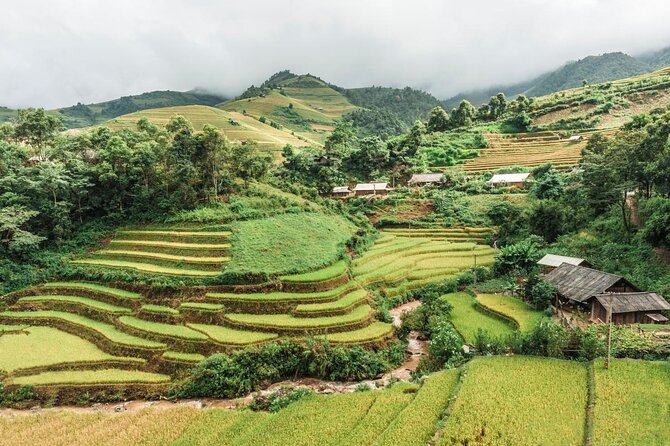
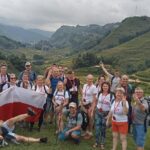
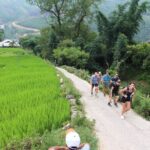
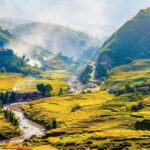
If you’ve only seen Sapa from a distance, this type of trek changes the whole feel. You’re moving through the valleys and village paths that make Sapa famous, with rice terraces as the constant backdrop. That means the views build slowly instead of arriving all at once from one single lookout.
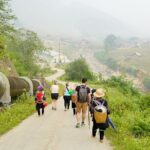
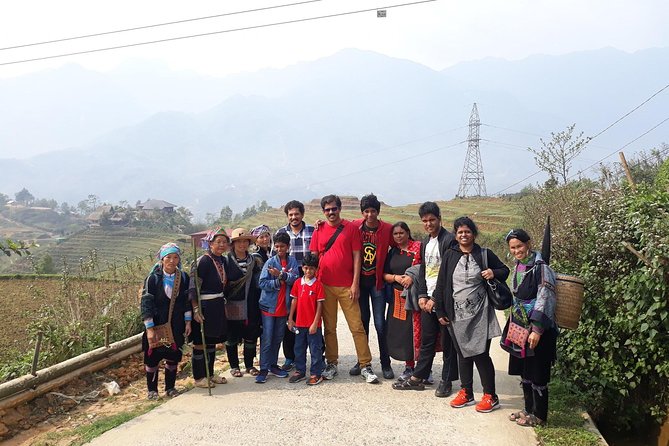
The tour is built around a small-group pace (up to 15). That matters. On busy, high-volume days in Sapa, you can feel like you’re herded. Here, you’re more likely to ask questions, adjust pace, and actually talk with your guide when you stop.
You also get an included hotel night and three meals a day split across the two days (2 breakfasts, 2 lunches, 2 dinners). Food isn’t just a perk here. It helps you keep energy steady, especially if you start early on day one and have a longer walking day on day two.
The main thing to watch is weather. Some of the best “wow” moments are explicitly framed as clear-day views—Fansipan angles, waterfalls, and pass/cable car sightlines. If clouds roll in, the day still works, but you’ll get a different look.
You can also read our reviews of more tours and experiences in Hanoi.

Two days that actually cover Muong Hoa Valley villages and terrace trails
This is a 2-day group trekking tour with an overnight in Sapa Town. You’ll spend your time hiking through the hill countryside and visiting villages such as Shin Chai, Ta Van, and Cat Cat, with routes also described around places like Muong Hoa Valley and Lao Chai.
The tour is guided, and the group size is capped at 15. You’ll have an English-speaking tour guide, plus you can expect local support while you’re in the villages. In the same spirit, some portions are photo-and-wait style stops (not every minute is a guided commentary), which is common on this kind of route.
Here’s how the days usually play out.
Day 1: Muong Hoa Valley, Shin Chai terraces, Ta Van, then Fansipan view stops
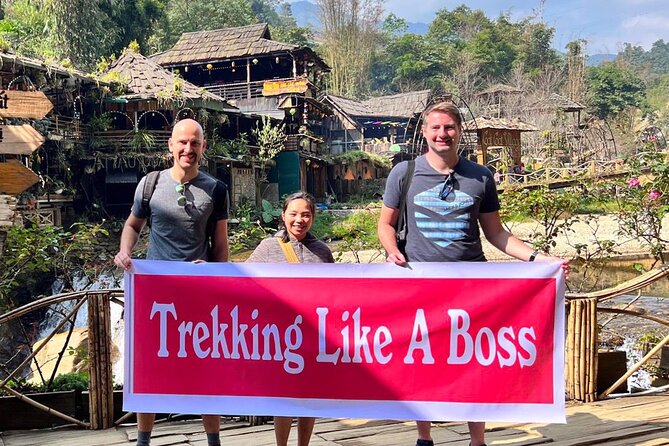
Day one starts with one of Sapa’s most scenic areas: Muong Hoa Valley. This is a good opener because it sets the visual tone fast—hills, valleys, and terrace farming patterns that you’ll see repeatedly over the next day. There’s an included stop here (about 30 minutes).
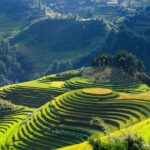
Next you head to Shin Chai Village terraced rice fields. You’re given time to look around, take photos, and understand what you’re walking through during the rest of the day. Terraces aren’t just pretty geometry; they reflect how the slopes are farmed and managed. If you’re the type who likes seeing the “why” behind the view, this is the part that usually clicks.
Then comes Ta Van Village. This is a different vibe than the photo-heavy terrace stops. Village visits are usually where you get the most real feel—how people live, how paths connect homes to fields, and how the area changes as altitude and slope shift.
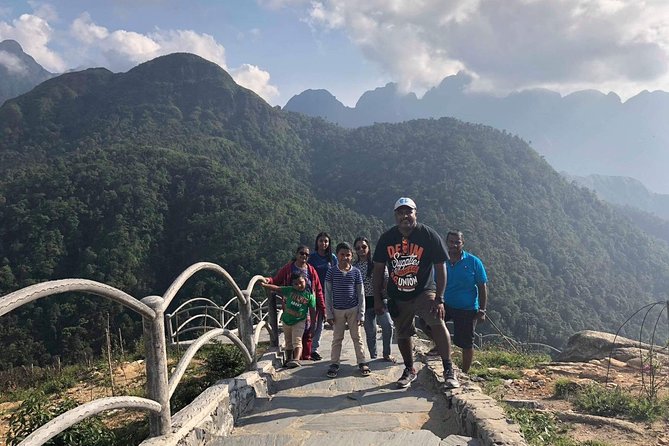
After the village time, the day turns into Fansipan-oriented photo stops. You’ll have a scheduled stop to take photos of Fansipan Mountain, plus several additional clear-day viewing opportunities. Depending on conditions, you may be able to see things like:
- a waterfall
- Tram Ton pass
- distant mountain views on a clear and sunny day
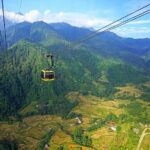
- the cable car station area from a viewpoint linked to the Muong Hoa Valley
You’ll also pass Ta Phin village without a visit. That’s not bad or good, but it helps to know you won’t get the “walk-through” experience there. If you love village time above all else, keep your expectations aligned with what’s actually included.
Day one ends with you set up for the next day in Sapa Town, with your overnight hotel and included dinners/meals depending on the package you choose.
Day 2: Cat Cat Village, plus the last best Fansipan viewpoints
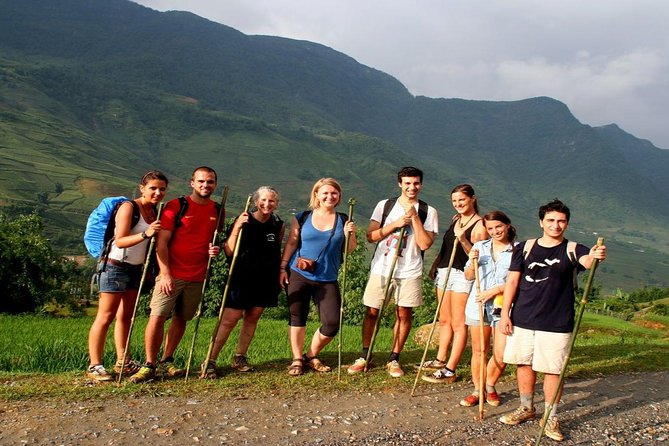
Day two starts with Cat Cat Village. It’s a classic Sapa stop, and the included time (about 1 hour) is long enough to see the village setting without feeling like you’re just passing through. Cat Cat is often where you connect the trek to daily life—people, paths, and the valley shapes that make the area unique.
After Cat Cat, the tour includes time for great views of Fansipan. This isn’t described as a full summit attempt. Instead, think of it as the “finish strong” phase: scenic perspective, photos, and a final feel for what you came to Sapa for.
A practical note: Fansipan tickets aren’t included. The tour notes you’ll be shown the station to buy tickets for Fansipan-related options. So if your heart is set on a cable car or specific Fansipan admission, budget time and money outside the trek itself.
The guide setup: what you get, what to expect day-to-day
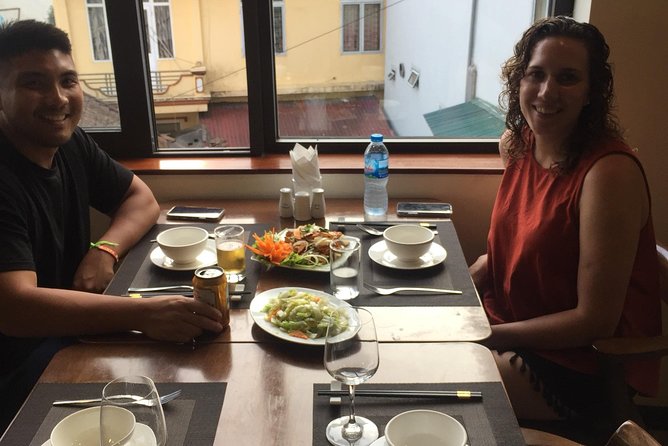
The tour includes an English-speaking guide and runs with an on-the-ground rhythm designed for a mixed group. You’ll have direction for the walking and village visits, but the structure includes set photo stops and sightseeing windows that can feel a bit like “meet, view, move on,” instead of constant commentary.
That can be fine. It’s also why you should come ready to enjoy quiet moments. A two-day Sapa trek rewards the times you stop and look longer than you planned to.
One thing I really like here: the guides are the kind of people you want on hills and in villages. Nam and Ai are both mentioned as being patient and professional, and that’s exactly what you want when routes have variable steps, uneven ground, and lots of photo opportunities that don’t all happen in bright sun.

Price and value: what $89 buys you (and where costs can pop up)
At $89 per person for about two days, the value comes from the bundle. You’re not paying only for trekking. You’re also paying for:
- a hotel night in Sapa Town (3-star or 4-star option)
- meals (2 breakfasts, 2 lunches, 2 dinners)
- transport during the tour (including air-conditioned vehicles for transfers)
- guided village and valley segments with English support
- group management with a cap of 15 travelers
That’s a fair deal if you want simplicity. You avoid the hassle of piecing together hotel plus meals plus local transport for the trek window.
Where you might spend extra:
- Fansipan tickets (not included; you’ll be directed to buy)
- drinks and personal expenses
- if you choose the variant without the Hanoi–Lao Cai train option, your return transport details may differ (the tour clarifies that train tickets are not included in the “hotels no train” style option)
Also consider what you’re gaining by traveling with a group. Hiking Sapa independently can be rewarding, but you’ll spend time figuring out routes, timing, and logistics. Here, you pay to shift that workload onto the organizers and guides.
Getting from Hanoi to Sapa: overnight-train transfer vs. joining in Sapa
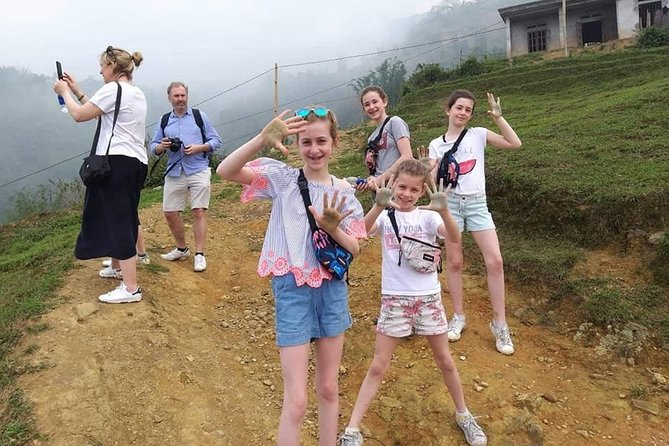
This tour is flexible. You can join in Sapa, or you can add door-to-door round-trip transfers from Hanoi by overnight train.
If you take the train option, the tour includes pickup/drop-off between the train station and your Sapa hotel, and return is described as bus-based rather than private car. If you choose options that include private transfer timing from Hanoi to the station, that’s also part of the supported transfer setup.
Why this matters: the Hanoi–Sapa route can eat your daylight. Overnight train helps you turn travel time into sleep time instead of wasting a full morning. If you hate logistics, this is the version you’ll likely appreciate more.
One timing detail to pay attention to: the listed start time is 8:00 pm. That’s a sign that your day one may not feel like a daytime start if you’re doing the overnight train connection. Confirm pickup points and exact timing so you’re not standing around wondering.
Weather and photos: plan for clear days, but don’t cancel your fun
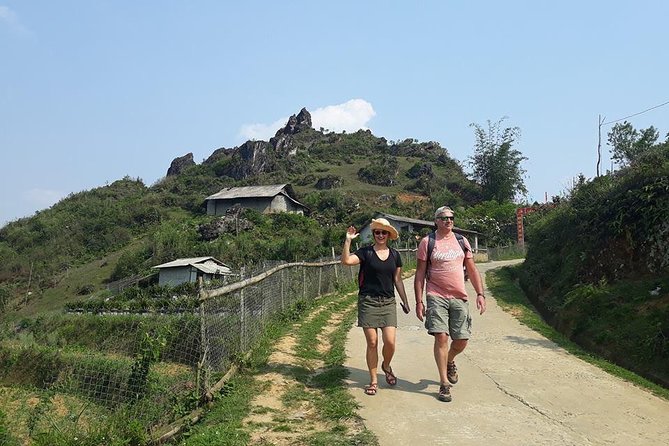
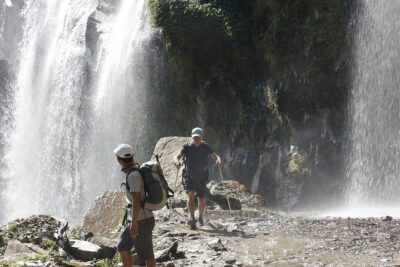
Sapa loves to surprise people with mist. This tour explicitly calls out several view opportunities that depend on clear weather: waterfalls, Tram Ton pass angles, and better Fansipan perspectives.
So what should you do?
- Bring a light rain layer even if the forecast looks calm.
- Expect that clouds can soften the “big reveal” moments.
- Use the villages and terrace walking time as your main win, not just the mountain photo.
If the weather goes sideways, the experience notes that it requires good weather and you’ll be offered a different date or a full refund if it gets canceled due to poor conditions. That’s a helpful safety net if you’re traveling during a season where clouds are common.
Small-group pacing: how to judge if this style fits you
This is a good fit if you want:
- a guided trek without joining a massive crowd
- village visits and valley scenery over a simple checklist
- hotel comfort in Sapa and included meals
It might not be perfect if you want:
- a fully private, custom route
- non-stop guidance every minute
- a strict “no waiting” hiking schedule
Some travelers flag that there can be extra time in parts of the day. From a planning perspective, that just means you should be flexible. Bring a book, download offline maps, and stay ready to switch from walking mode to photo/wait mode.
Practical tips so your trek feels smooth
You’ll be hiking on uneven hill paths, in terrace areas, and through villages. To keep it comfortable:
- Wear shoes with grip. Terrace trails can be slick after rain.
- Pack a thin rain layer plus a dry bag or waterproof pouch for your phone/camera.
- Bring a small snack and water, even though meals are included. Some photo windows and travel segments can run long.
- If Fansipan is on your must-do list, plan your purchase at the station since tickets are not included.
Also, do yourself a favor and confirm pickup timing for the Hanoi transfer. One issue that can derail the mood is last-minute pickup confusion. A quick confirmation call or message ahead of time is cheap insurance.
Should you book this 2-day Sapa trek from Hanoi?
Book it if you want an easier path to one of northern Vietnam’s most famous trekking areas: rice terraces, Muong Hoa Valley, and village stops like Shin Chai, Ta Van, and Cat Cat, with a hotel night and meals included. The small group size and English-speaking guide are exactly what make this type of trip feel enjoyable instead of stressful.
Skip or reconsider if you’re traveling during a weather-uncertain window and you need specific clear-day views for your personal photos, or if you hate any chance of schedule friction around pickup timing. In that case, prioritize flexible dates and keep your expectations grounded in the trek itself, not only the mountain reveal.
FAQ
What’s included in the tour besides the trekking?
You get an overnight hotel stay in Sapa Town (3-star or 4-star), English-speaking guidance, an air-conditioned vehicle for transportation during the experience, and meals as listed (2 breakfasts, 2 lunches, 2 dinners). There’s also mobile ticket support and pickup/drop-off services depending on the train transfer option.
How big is the group?
The tour runs as a small group with a maximum of 15 travelers.
Are meals included for both days?
Yes. Meals are included as listed in the package: 2 breakfasts, 2 lunches, and 2 dinners.
Do I need to buy Fansipan tickets?
Fansipan tickets are not included. The tour notes that you’ll be shown the station so you can buy tickets if you want to go.
What villages and areas does the trek include?
You’ll visit Muong Hoa Valley, Shin Chai rice terraces, Ta Van Village, and Cat Cat Village. The tour also references other village areas such as Lao Chai as part of the overall trekking experience.
Does the tour run in bad weather?
The experience requires good weather. If it’s canceled due to poor weather, you’ll be offered a different date or a full refund.